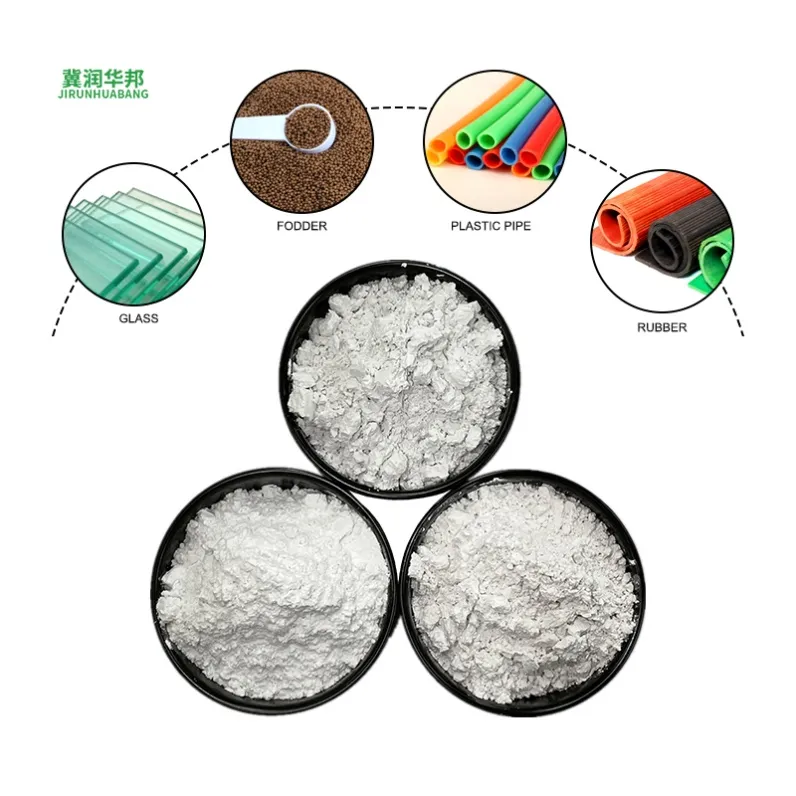
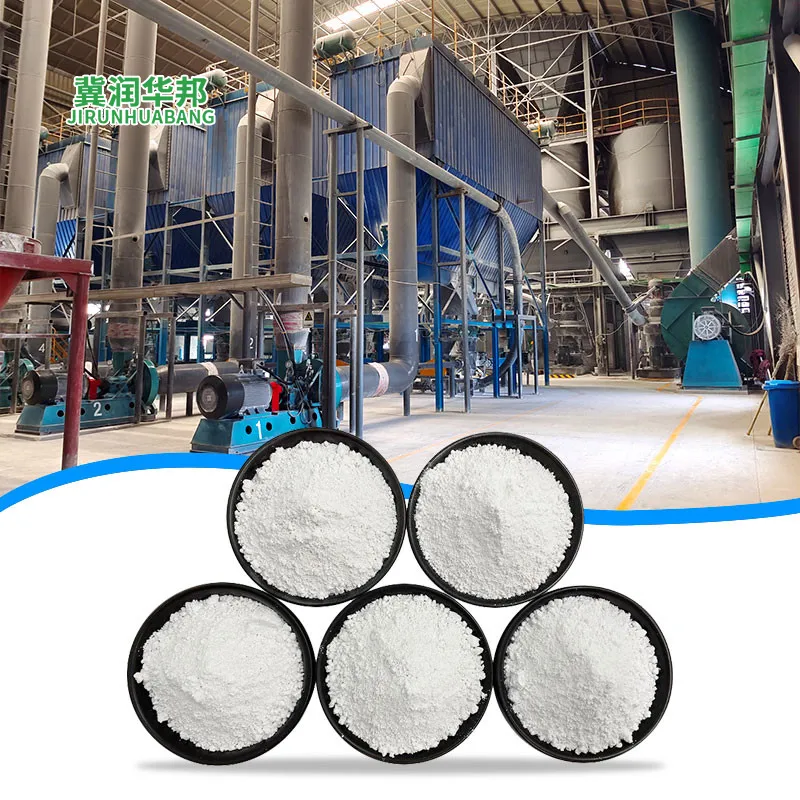
In ink coatings, 1250 mesh talc powder enhances the smoothness and gloss of the printed surface, ensuring vibrant colors and sharp images. Its lamellar structure provides excellent lubricity, reducing friction and wear in machinery, which is particularly beneficial in rubber processing, improving the material's workability and durability.
For ceramic and paper industries, this grade of talc powder acts as a filler, imparting improved tensile strength and thermal stability to the final products. Its chemical inertness ensures compatibility with a wide range of materials, making it an ideal choice for demanding industrial applications.
Overall, 1250 mesh talc powder stands out as a valuable resource, driving innovation and efficiency across multiple sectors with its remarkable attributes.
| Cas No. |
14807-96-6 |
| Place of Origin |
China |
| Color |
White |
| Shape |
Powder |
| Purity |
70-90% |
| Grade |
cosmetics grade/industrial Grade |
| Package |
5-25kg/bag,customized package |
| MOQ |
1kg |

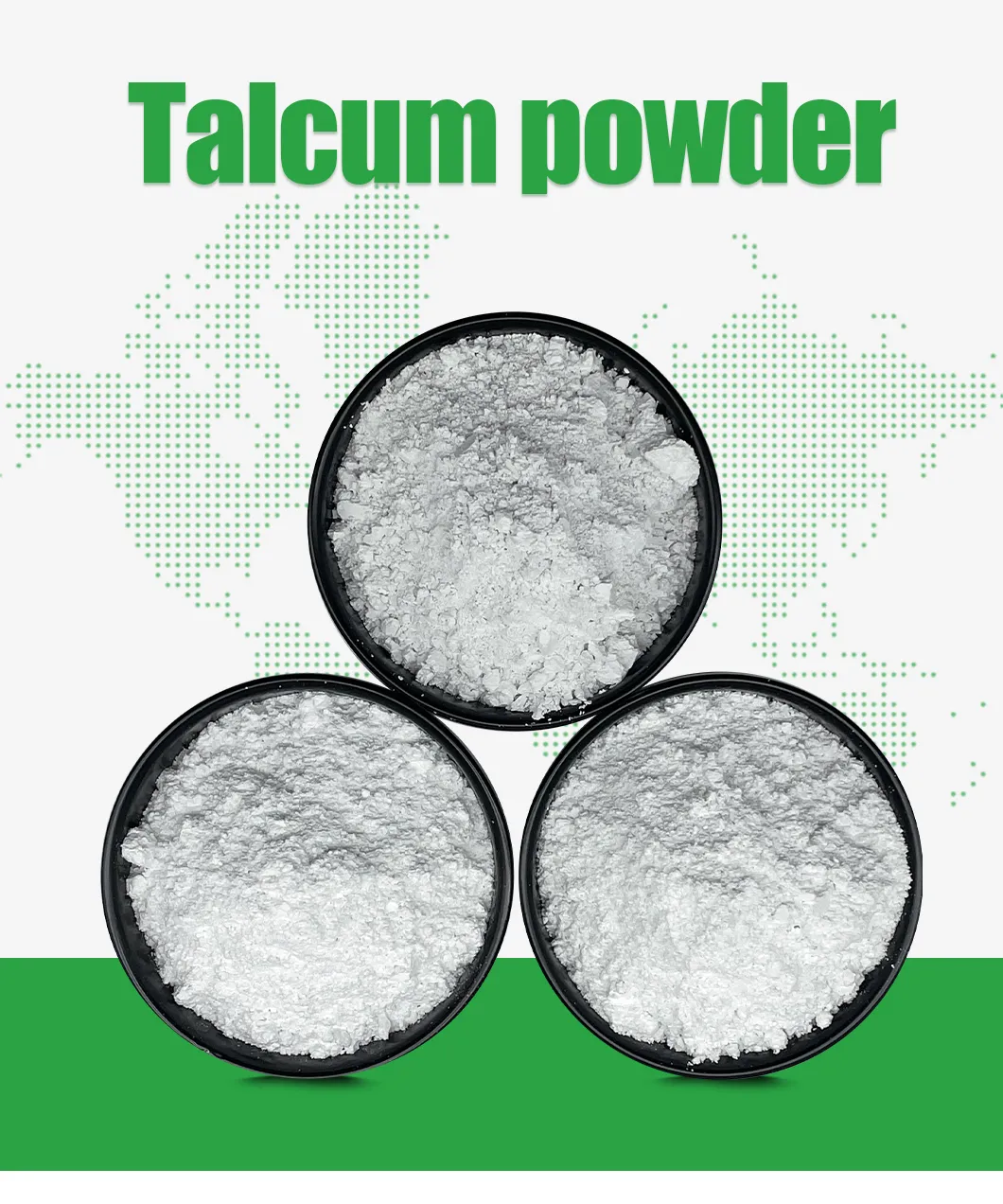
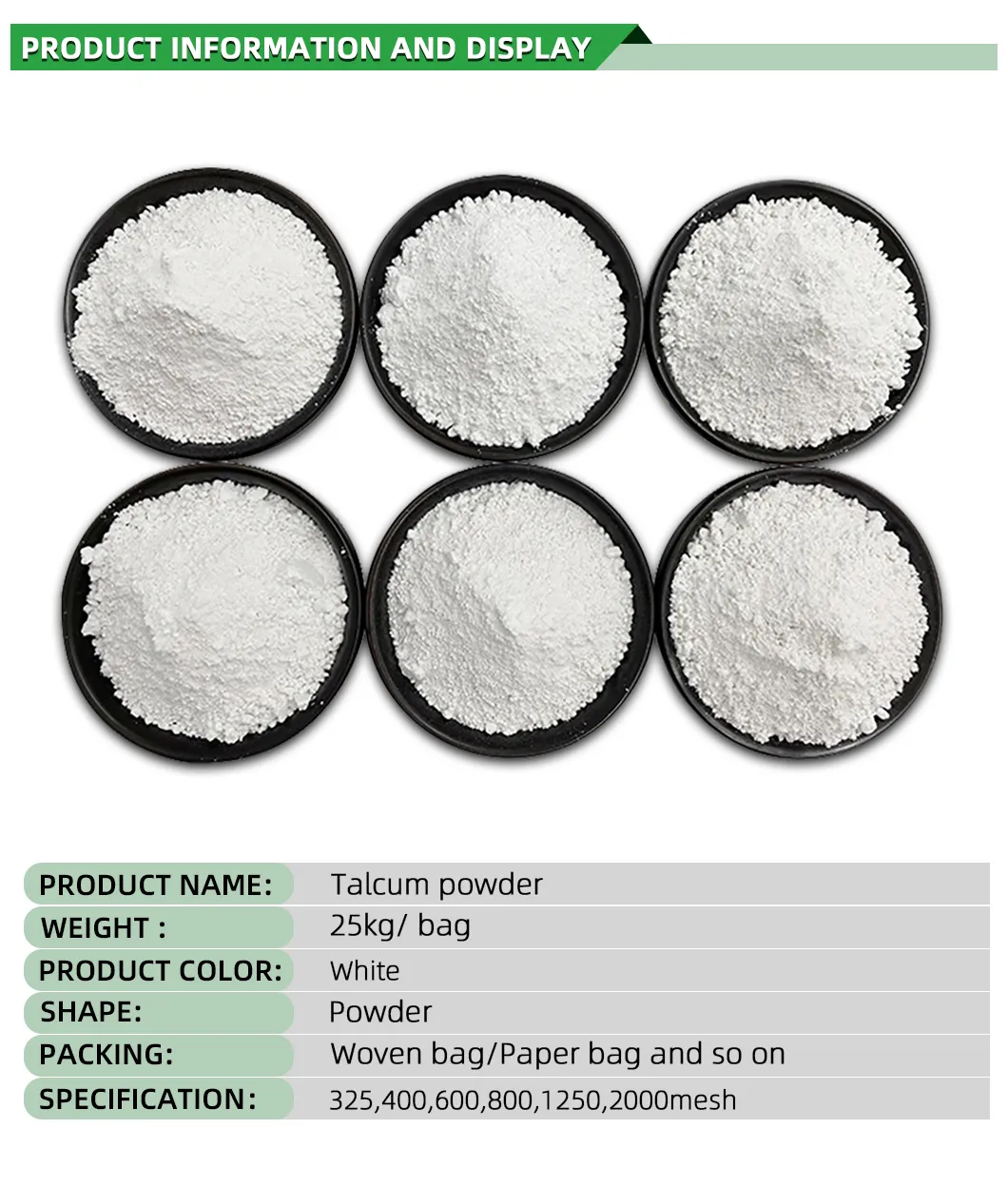
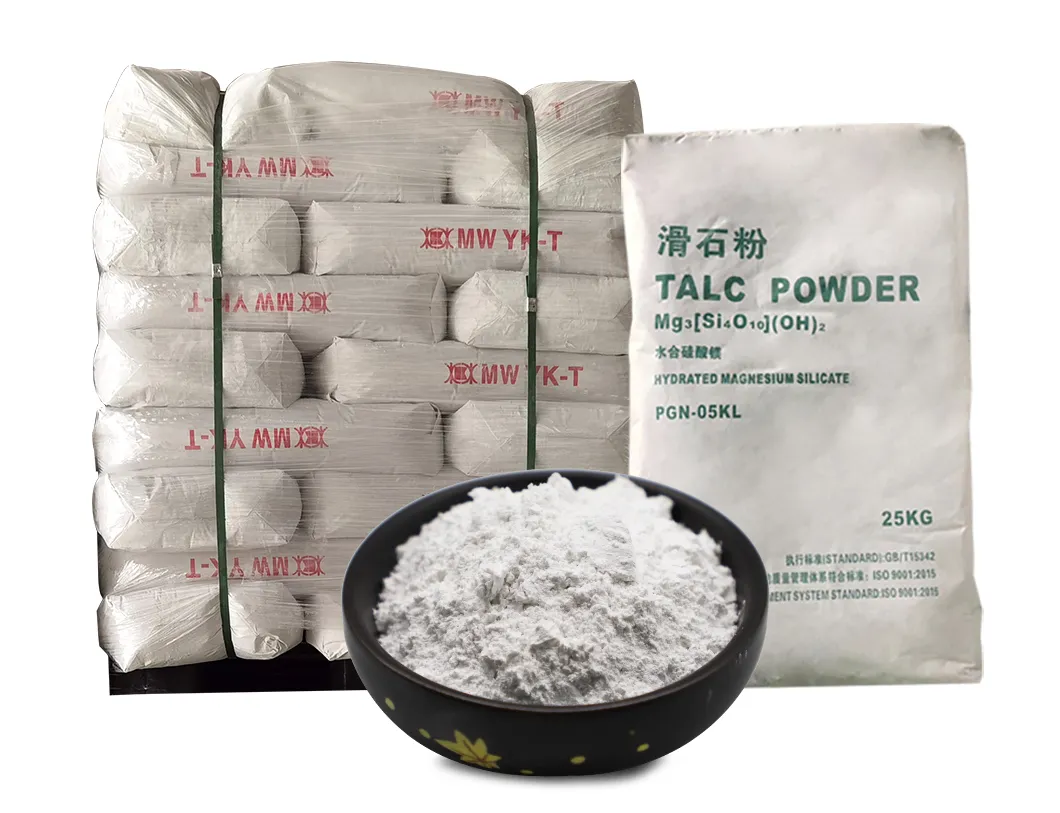
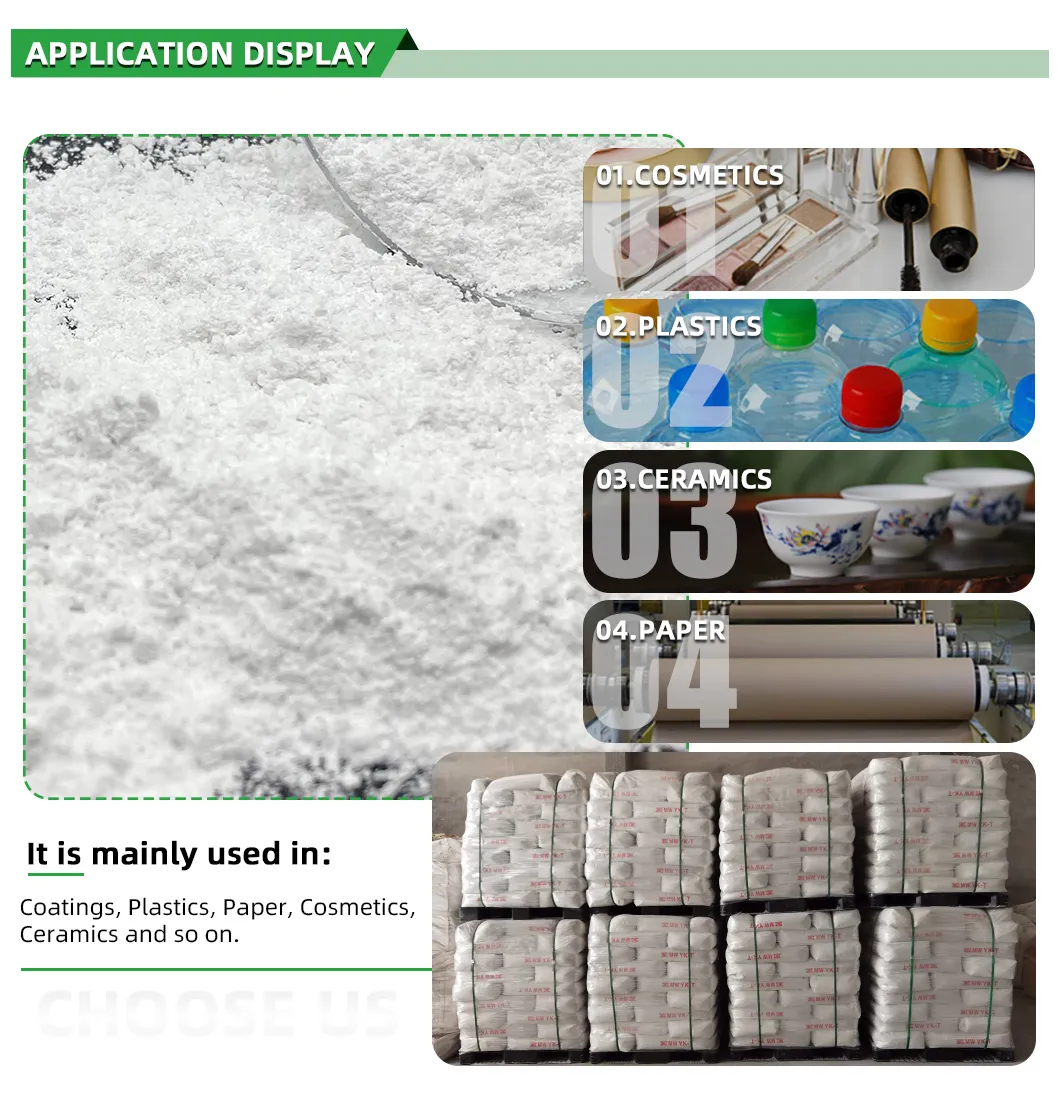

Plastic manufacturers worldwide rely on high-quality talc powder as a filler to improve product performance and reduce production costs—and our company’s plastic filler talc powder is designed specifically to meet these needs. Tailored for use in polypropylene (PP), polyethylene (PE), polyvinyl chloride (PVC), and other common plastics, our talc powder enhances key properties like rigidity, impact resistance, and dimensional stability, while lowering material costs by replacing a portion of expensive resin.
One of the primary benefits of our plastic filler talc powder is its ability to enhance rigidity. In PP plastics—used to make products like food containers, automotive bumpers, and furniture parts—adding our talc powder increases flexural modulus (a measure of rigidity) by 30–50%. This makes the plastic more resistant to bending and deformation, ensuring products maintain their shape under use. For example, a manufacturer of PP food containers reported that using our talc powder allowed them to reduce the thickness of their containers by 15% (while maintaining rigidity), cutting material costs and improving production efficiency. Our talc powder’s lamellar structure reinforces the plastic matrix, creating a more robust material that can withstand daily use.
Impact resistance is another critical property improved by our talc powder. Contrary to some fillers that reduce impact strength, our product—when used in the correct dosage (typically 10–30% by weight)—maintains or even enhances impact resistance in plastics. This is particularly important for automotive plastics, where components like interior door panels and dashboard parts need to withstand accidental impacts without cracking. Our talc powder’s uniform dispersion (achieved through precise particle size control) ensures stress is distributed evenly across the plastic, preventing the formation of weak points. A U.S.-based automotive parts supplier found that using our talc powder in their PP dashboard components increased impact resistance by 20%, meeting the strict safety standards of automotive OEMs.
Dimensional stability is a key requirement for plastic products, especially those with tight tolerances (such as electronic device casings or precision mechanical parts). Our plastic filler talc powder reduces shrinkage in plastic during molding and cooling, ensuring finished parts meet exact size specifications. In PVC pipes and profiles—used in construction—our talc powder minimizes thermal expansion and contraction, preventing the pipes from warping or cracking in extreme temperatures. This reduces the risk of leaks and extends the service life of the products. Our talc powder’s consistent particle size (available in 200–1250 mesh) ensures uniform shrinkage across the entire part, avoiding dimensional variations that can lead to assembly issues.
Cost efficiency is a major driver for plastic manufacturers, and our talc powder delivers significant savings. By replacing 10–30% of plastic resin with our lower-cost talc powder, manufacturers can reduce raw material costs by 8–15%—a substantial saving for large-scale production. For example, a manufacturer producing 10,000 tons of PP containers annually saved over $500,000 by incorporating 20% of our talc powder into their formulation. Additionally, our talc powder improves the flowability of plastic melts, reducing energy consumption during extrusion and injection molding. This lowers production costs further and increases throughput, allowing manufacturers to produce more products in less time.
Quality control is a top priority in our production process. We source raw talc from deposits with high magnesium silicate content (≥95%) and low impurities (iron ≤0.1%, calcium ≤0.5%). The raw ore is crushed, ground, and purified using magnetic separation and froth flotation to remove contaminants. We use advanced grinding equipment (such as jet mills) to achieve precise particle size distribution, with each batch tested using laser particle size analyzers to ensure consistency. Our plastic filler talc powder meets ISO 9001, REACH, and RoHS certifications, ensuring it is safe for use in plastics intended for food contact (FDA-compliant grades available) and electronic applications.
We offer customized solutions to meet the specific needs of different plastic applications. For manufacturers producing thin-walled plastics (like packaging films), we provide ultra-fine talc powder (1250–2000 mesh) that disperses easily and does not affect the film’s transparency. For high-temperature plastics (like PP used in automotive under-the-hood components), we offer heat-stabilized talc powder that maintains performance at temperatures up to 180°C. Our technical team works with clients to determine the optimal talc dosage and particle size for their specific application, conducting trials and providing performance data to ensure success.
With a focus on performance, cost efficiency, and quality, our plastic filler talc powder has become a trusted choice for plastic manufacturers in Europe, Asia, North America, and South America. Whether used to enhance rigidity, improve impact resistance, or reduce costs, our product delivers consistent, reliable results—helping manufacturers stay competitive in the global plastic market.