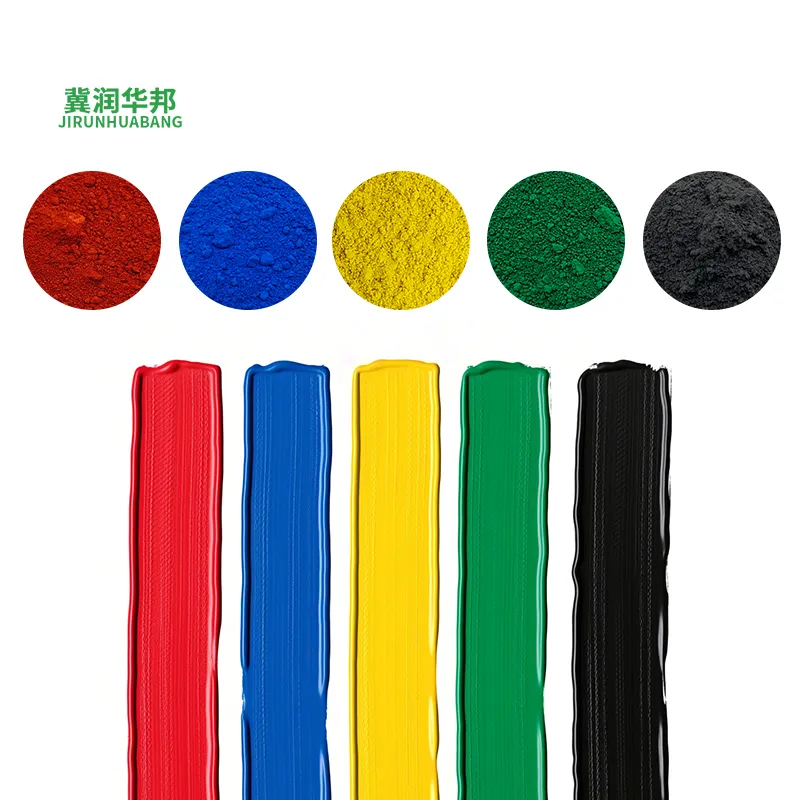
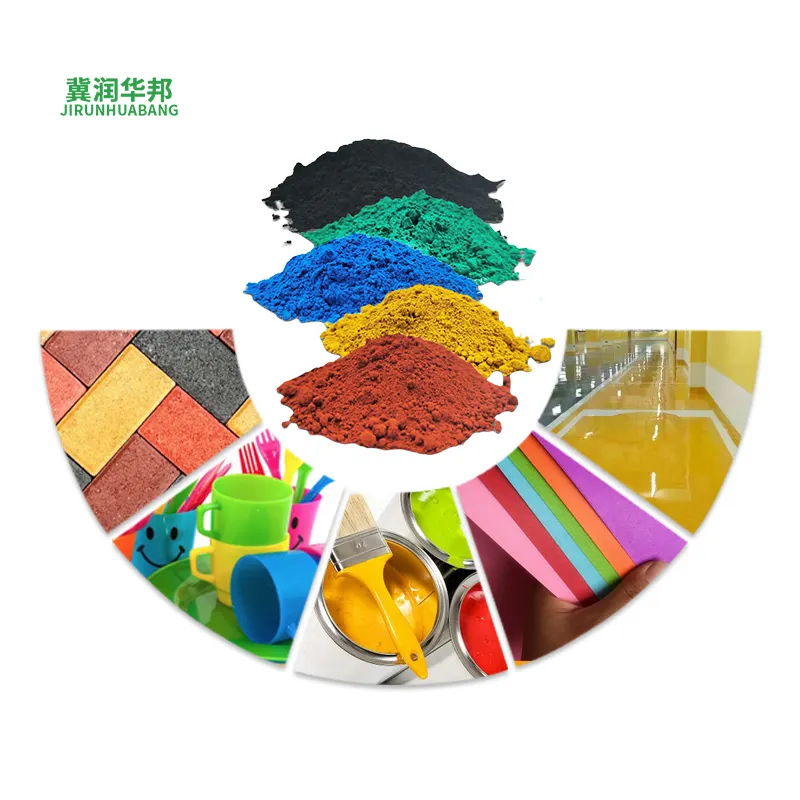
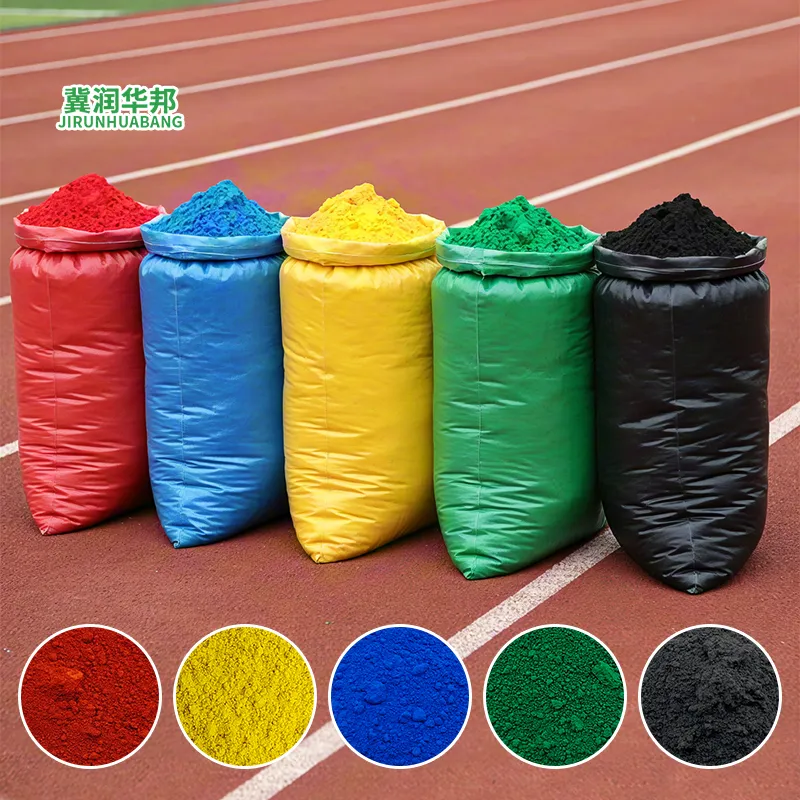
Wood preservative coating sector relies on iron oxide pigments for creating colored, protective coatings used in outdoor wood products. Pigments blend with preservative additives and resins to form layers that shield wood from rot, insects, and weathering while adding color. They retain hue integrity despite prolonged sun exposure, rain, and temperature swings—critical for extending lifespan of garden fences, decking, and outdoor furniture. These pigments resist wear from foot traffic and cleaning, maintaining aesthetic appeal while preserving wood’s structural integrity. Ability to mix with transparent or semi-transparent resins allows for natural wood grain to show through, balancing protection with visual charm.
Packaging ink industry incorporates iron oxide pigments for formulating inks used in industrial packaging, shipping labels, and durable product packaging. Pigments deliver vibrant, consistent colors that reproduce clearly on diverse substrates like corrugated cardboard, plastic films, and metal cans. They offer excellent resistance to friction, moisture, and mild chemicals, ensuring printed information and branding stay intact during storage, shipping, and handling. Dispersion quality enables smooth ink flow, creating sharp prints without streaks or smudges. Compatibility with water-based and solvent-based ink systems adds versatility, catering to different printing techniques and packaging requirements.
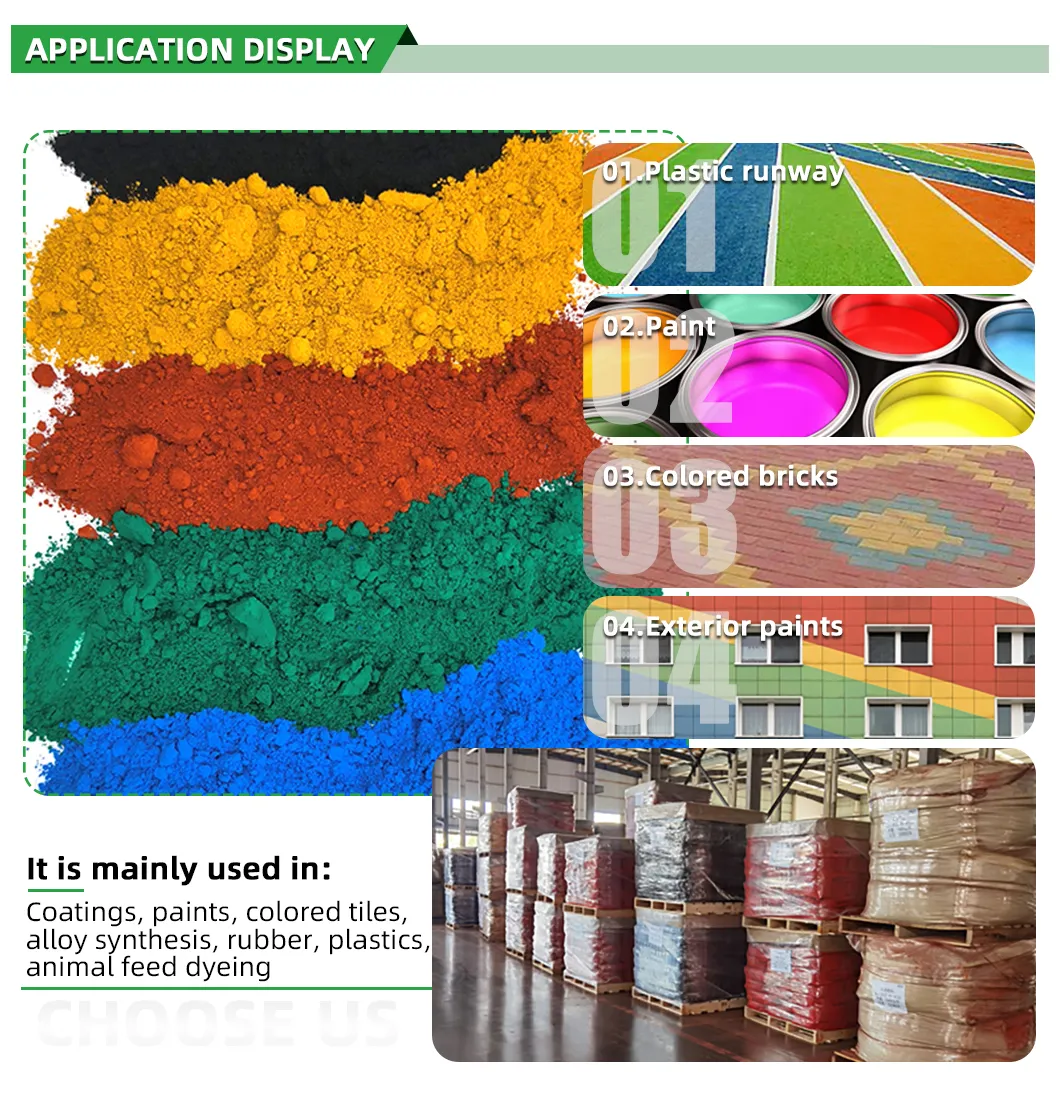
Decorative concrete sector leverages iron oxide pigments to add color to concrete mixes used in landscape design and architectural elements. Pigments blend evenly into concrete, creating uniform hues that transform plain concrete into decorative surfaces like patio tiles, pathway stones, and sculptural bases. They retain color stability against sunlight, rain, and freeze-thaw cycles, ensuring surfaces maintain vibrancy for years without fading. Ability to mix with different concrete types—including lightweight and high-strength variants—expands application possibilities. These pigments do not alter concrete’s structural properties, preserving strength while adding visual value that reduces need for additional finishes.
Rubber seal industry uses iron oxide pigments for coloring rubber seals and gaskets used in automotive, appliance, and industrial equipment. Pigments penetrate rubber matrices evenly, creating consistent colors that resist fading from heat, oil, and UV exposure. They enhance rubber’s resistance to abrasion and aging, extending lifespan of seals while maintaining flexibility. Compatibility with various rubber compounds—including natural rubber and synthetic variants—adds versatility, catering to different seal applications. These pigments do not interfere with rubber’s sealing properties, ensuring functional performance while adding color coding for easy identification.
Key attributes driving iron oxide pigments’ appeal include strong color retention, exceptional abrasion resistance, and reliable dispersion. Color retention ensures hues stay true over time, critical for products with long service lives. Abrasion resistance makes them suitable for high-wear applications like wood decking and rubber seals, where constant friction would degrade lesser colorants. Reliable dispersion ensures uniform color distribution, avoiding patchy or streaky finishes. Chemical inertness ensures compatibility with preservatives, resins, and rubber compounds, maintaining stability in diverse environments.
Technological adaptations focus on enhancing pigment performance for niche applications. Modified surface treatments improve dispersion in low-viscosity inks and thin coatings, ensuring uniform color even in thin layers. Custom pigment blends create unique hues tailored to specific industry needs—from earthy tones for decorative concrete to bold shades for branding in packaging. Development of heat-stable variants expands use in high-temperature rubber processing, ensuring color consistency during manufacturing.