
Propylene Fiber – Lightweight, High-Strength, Eco-Friendly & Versatile Modern Synthetic Fiber
Back to list
Polypropylene fiber (commonly known as PP fiber) is a synthetic fiber manufactured from isotactic polypropylene derived from propylene polymerization, produced via melt spinning, drawing, and heat setting. Endowed with core advantages including light weight, high tensile strength, corrosion resistance, cost efficiency, and recyclability, it has become an indispensable foundational material across textiles, construction, geotechnics, hygiene products, industrial filtration, and many other sectors. It is one of the most widely applied high-performance fibers in modern industry and daily life.
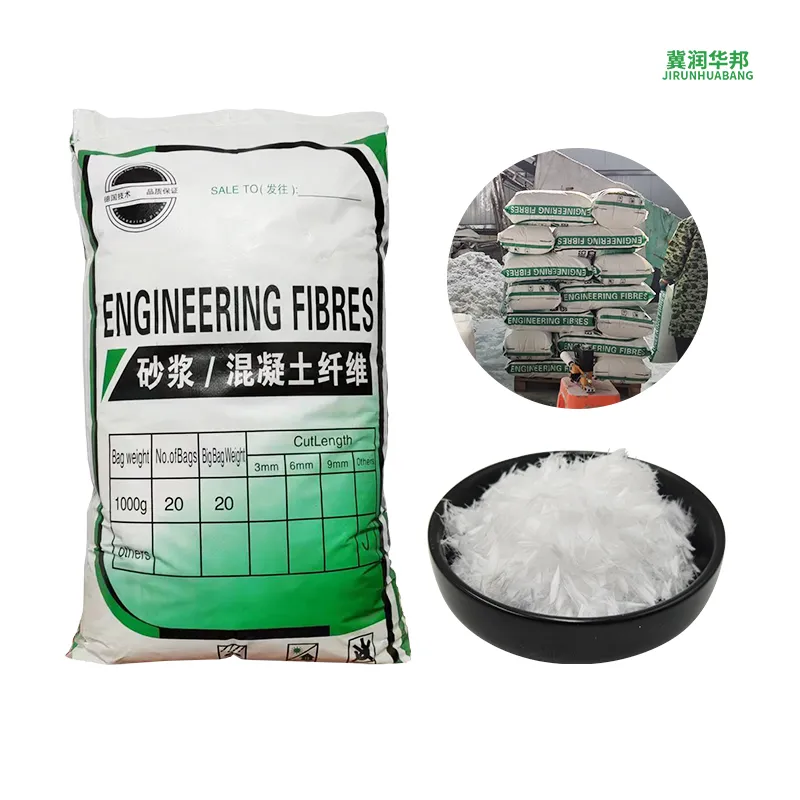
1. Formation & Production of Polypropylene Fiber
A Mature Achievement of Petrochemical and Spinning Technology
Polypropylene fiber uses propylene (a petroleum cracking product) as its primary raw material. It is produced through catalytic polymerization to form high-purity isotactic polypropylene, then processed into various fiber types via melt spinning, film splitting, short-path spinning, and other forming methods. The entire production relies on physical modification and shaping with no complicated chemical reactions, ensuring a mature, stable, and controllable process.
Raw Material PolymerizationPropylene undergoes directional polymerization under catalysts to produce high-purity isotactic polypropylene, guaranteeing fiber strength and structural stability.
Melt SpinningPolypropylene pellets are melted and filtered, extruded through spinnerets to form filaments, then cooled and drawn to enhance molecular orientation and mechanical performance.
Post-Treatment & FormingThrough heat setting, crimping, cutting, dope dyeing, and other finishing steps, the material is processed into staple fibers, filaments, nonwovens, split-film fibers, and other customized products to meet diverse application demands.
Industrial production of PP fiber began in 1957. Driven by advances in metallocene catalysis and fine-denier spinning technologies, PP fiber has achieved multifunctional upgrades—including high tenacity, fine denier, anti-aging, and hydrophilic modification—continuously improving performance and expanding application scope.
2. Key Characteristics of Polypropylene Fiber
Ultra-LightweightDensity: only 0.91 g/cm³ — the lightest among common synthetic fibers, approximately 30% lighter than polyester. It delivers larger coverage at equal weight, greatly reducing the self-weight of finished products.
High Strength & Wear ResistanceNearly identical strength in dry and wet conditions; high breaking strength, good elastic recovery, and excellent abrasion resistance. Resists breakage and deformation during long-term use.
Moisture Wicking & Quick DryingAlmost non-hygroscopic (moisture regain < 0.03%) yet features exceptional wicking capability to rapidly transfer sweat and moisture. Fabrics are easy-washing, fast-drying, and shrink-proof.
Strong Chemical StabilityResistant to acids, alkalis, most organic solvents, and salts under normal temperatures. Suitable for harsh environments including humid, saline-alkali, and chemical engineering conditions.
Eco-Friendly & Cost-EffectiveAbundant raw materials, simple processing, low production cost, and zero hazardous emissions. Fully recyclable, supporting low-carbon and circular economy goals.
Excellent ProcessabilityCompatible with pure spinning and blending; can be formed into nonwovens, monofilaments, split-film fibers, and more. Easy to process, disperses uniformly, and adapts to various manufacturing techniques.
Limitations: moderate heat resistance, relatively weak weatherability, and poor conventional dyeability. These drawbacks can be effectively overcome via anti-aging modification, dope dyeing, and hydrophilic finishing.
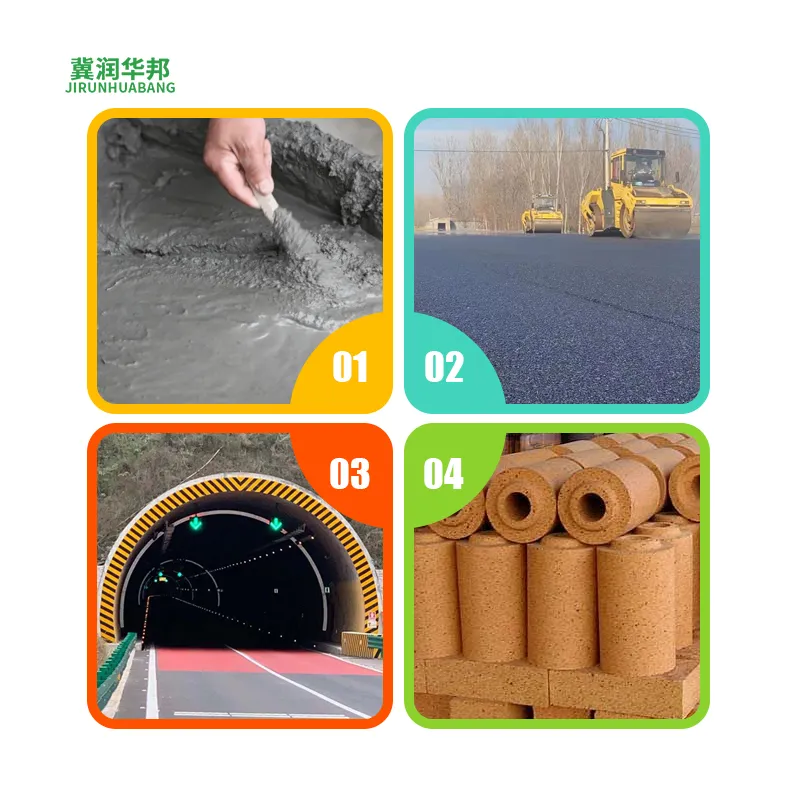
3. Diverse Applications of Polypropylene Fiber
3.1 Textile & Apparel
- Light sportswear, outdoor fabrics, and thermal underwear (quick-drying, lightweight, warm)
- Nonwovens for masks and protective apparel (hygienic, breathable, economical)
- Luggage fabrics, canvas, and webbing (wear-resistant, tear-resistant, dimensionally stable)
3.2 Construction Engineering
- Concrete reinforcing fiber (improves crack resistance, impermeability, and impact resistance)
- Cement mortar reinforcement (reduces shrinkage cracking and enhances toughness)
- Building waterproofing and thermal insulation (corrosion-resistant, lightweight, durable)
3.3 Geotechnical Engineering
- Geotextiles and geogrids (soil stabilization, drainage, and reinforcement)
- Subgrade reinforcement for roads, railways, and airport runways (anti-cracking, anti-deformation)
- River regulation and slope protection (erosion-resistant, long service life)
3.4 Industrial & Agricultural Use
- Industrial filter cloths (acid/alkali-resistant, heat-resistant, easy to clean)
- Packaging ropes and nets (lightweight, high-strength, low cost)
- Agricultural sunshade nets and planting bags (anti-aging, weather-resistant)
3.5 Sanitary & Medical Products
- Disposable diapers and sanitary napkins (nonwovens, hydrophilic, breathable)
- Medical drapes and surgical gowns (clean, hygienic, isolation-effective)
4. How to Select High-Quality Polypropylene Fiber
Premium Raw MaterialsMade from high-isotacticity polypropylene with uniform molecular weight, free of recycled impurities or contaminants.
Uniform AppearanceConsistent fineness, even color, no broken filaments, oil stains, or hard agglomerates.
Reliable Mechanical PropertiesQualified breaking strength, elongation, abrasion resistance, and other indicators matching intended applications.
Targeted Functional ModificationCustomizable performance such as anti-aging, hydrophilic, antistatic, or UV-resistant, with stable and consistent quality.
Authoritative Certification & ComplianceMeets national and industrial standards; equipped with food contact, medical safety, or environmental certifications for specialized applications.