
Kaolin powder enhance coverage boost viscosity improve adhesion strengthen wear resistance refine coating texture optimize rubber elasticity stabilize ink performance support industrial production
Back to list
Jan . 15, 2026 11:02
Kaolin powder is naturally occurring non-metallic mineral centered on kaolinite, possessing soft texture that feels smooth to touch and fine particle size that enables easy dispersion in various mediums. Unique physical-chemical properties make it stand out among industrial minerals—core traits include natural whiteness that brings clean appearance to end products, excellent plasticity that allows shaping without cracking, stable chemical inertness that resists reactions with most substances and remarkable suspension ability that prevents sedimentation in liquid formulations. These qualities make it integral part of diverse industrial chains, acting as silent enhancer that upgrades performance of numerous products. Unlike many minerals requiring complex and costly processing to unlock value, kaolin powder can be tailored through simple washing, calcining or surface modification to meet specific demands of different sectors, forming invisible backbone for numerous manufacturing processes.
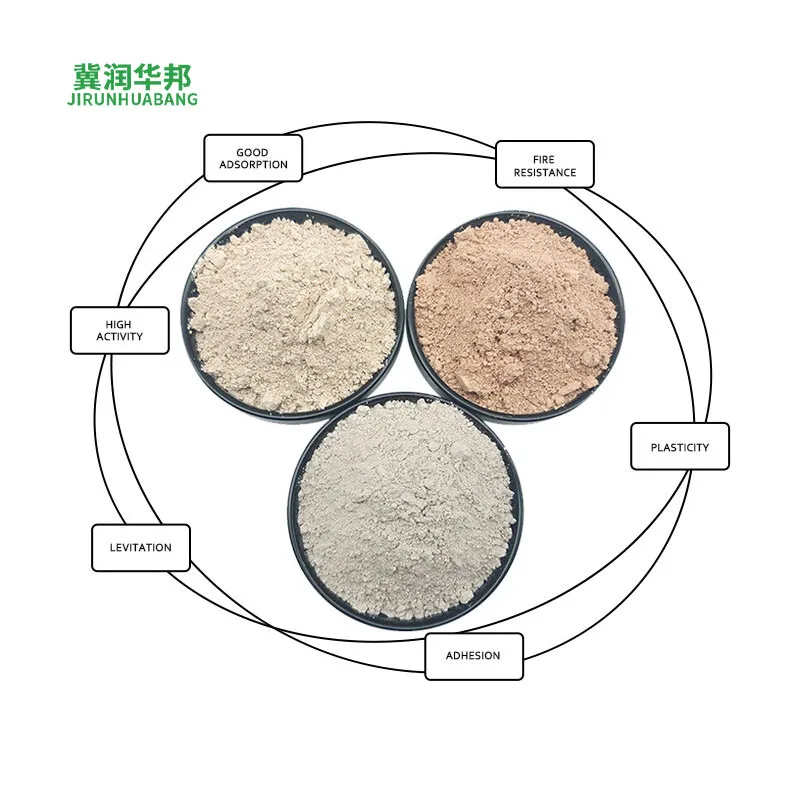
Processing techniques directly shape performance of kaolin powder, bridging natural properties with industrial needs. Washing is foundational step: raw ore is crushed and mixed with water to form slurry, which is then filtered and separated to eliminate impurities and coarse particles, enhancing purity and whiteness to suit applications demanding clean, uniform appearance. Calcining involves heating under strictly controlled conditions—this process removes moisture and organic matter, altering crystal structure to boost hardness, thermal stability and opacity. Such modified kaolin powder excels in applications exposed to harsh environments like high temperatures or frequent friction. Surface modification treats particles with special agents such as silane coupling agents, improving compatibility with organic substrates like rubber, plastic and resin. This treatment ensures uniform dispersion of kaolin powder in matrices, preventing agglomeration and maximizing its enhancing effects in composite materials.
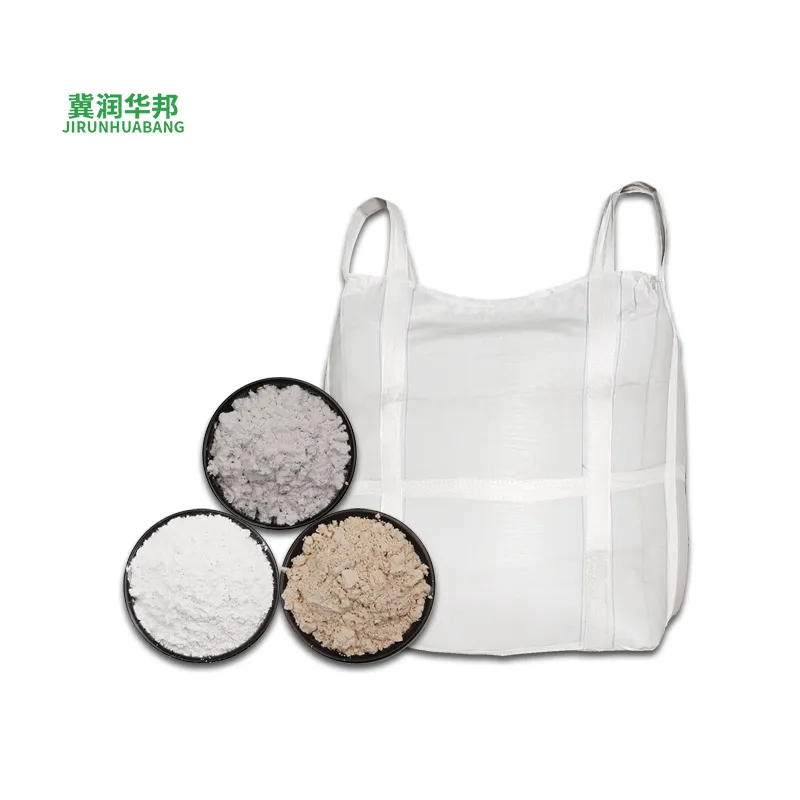
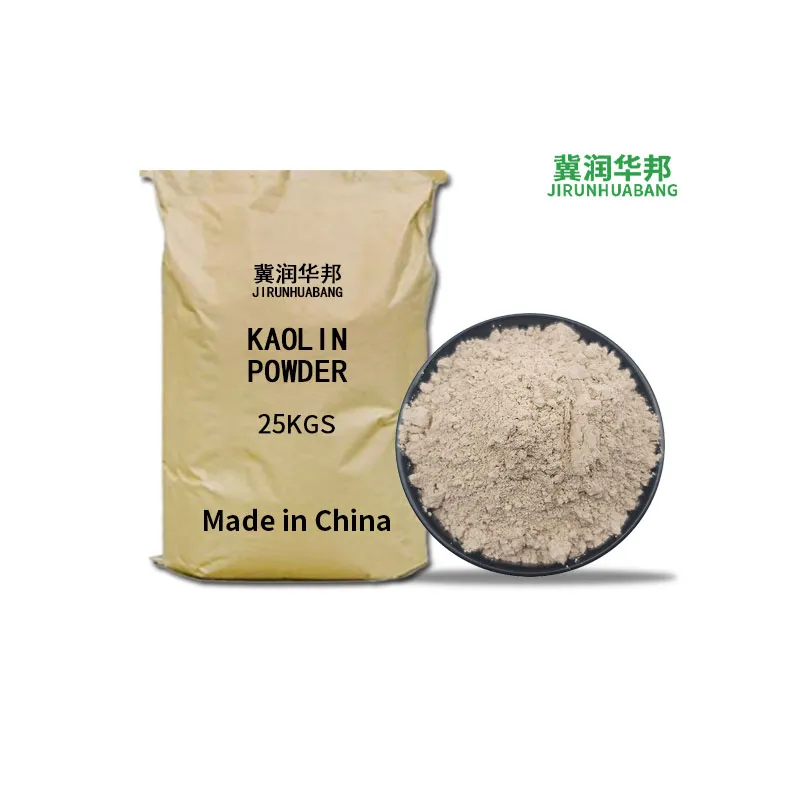
Coating industry relies heavily on kaolin powder for its exceptional performance-enhancing abilities that address key pain points in formulation and application. Plate-like particle shape of kaolin powder creates dense overlapping structure in coatings, forming physical barrier that significantly improves hiding power—this reduces need for expensive pigments like titanium dioxide, lowering production costs without compromising coverage. It enhances viscosity and thixotropy of coatings: proper viscosity prevents dripping during application on vertical surfaces, while thixotropy ensures coatings flow smoothly under brush or roller then maintain shape without sagging. Kaolin powder also boosts coating durability by improving scratch resistance, weather resistance and UV stability—protective layer formed by its particles resists erosion from rain, sunlight and daily wear, making end products suitable for both indoor spaces like residential walls and outdoor structures like factory exteriors. Whether in architectural latex paints, industrial protective coatings for machinery or road marking paints that need high visibility and wear resistance, it integrates seamlessly into formulations to elevate overall quality and lifespan of coatings.
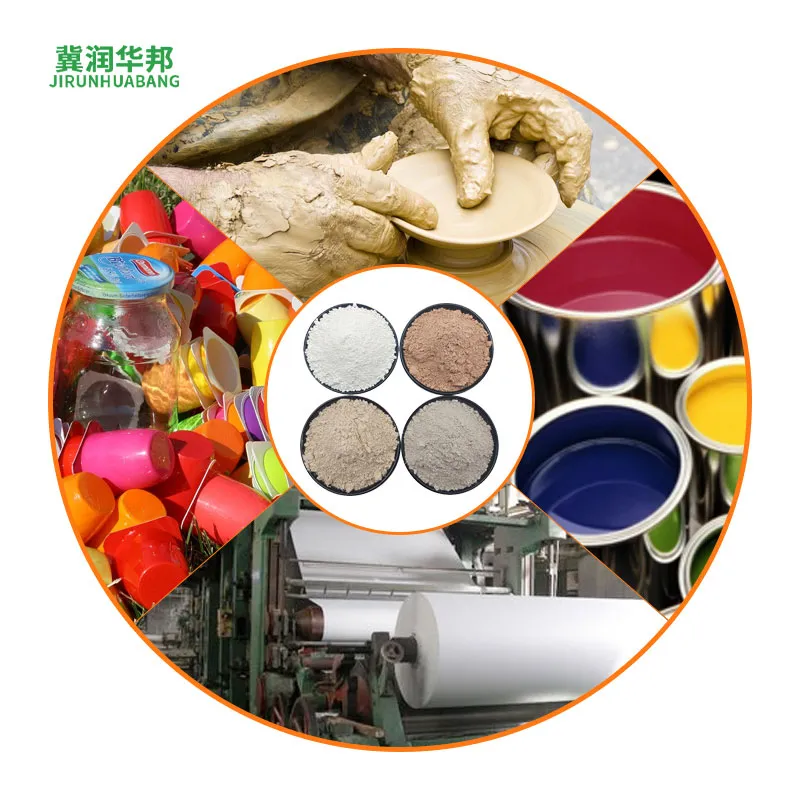
Adhesive and sealant sector benefits greatly from kaolin powder’s unique properties that optimize both storage and application performance. It acts as functional filler that increases viscosity of adhesives, preventing excessive flowing during bonding and ensuring precise application. More importantly, it boosts bonding strength by enhancing adhesion between adhesive and substrates—whether bonding wood, metal or plastic, kaolin powder helps form tight, long-lasting bond that resists peeling and shearing. Fine particle size and remarkable suspension ability prevent sedimentation and stratification during storage, maintaining consistency of adhesive formulations even after long periods on shelves. In construction sealants, kaolin powder enhances flexibility and weather resistance: it allows sealants to stretch and contract with temperature changes and structural movements without cracking, forming reliable barrier that protects buildings from water infiltration, air leakage and dust intrusion—critical for maintaining indoor comfort and structural integrity.
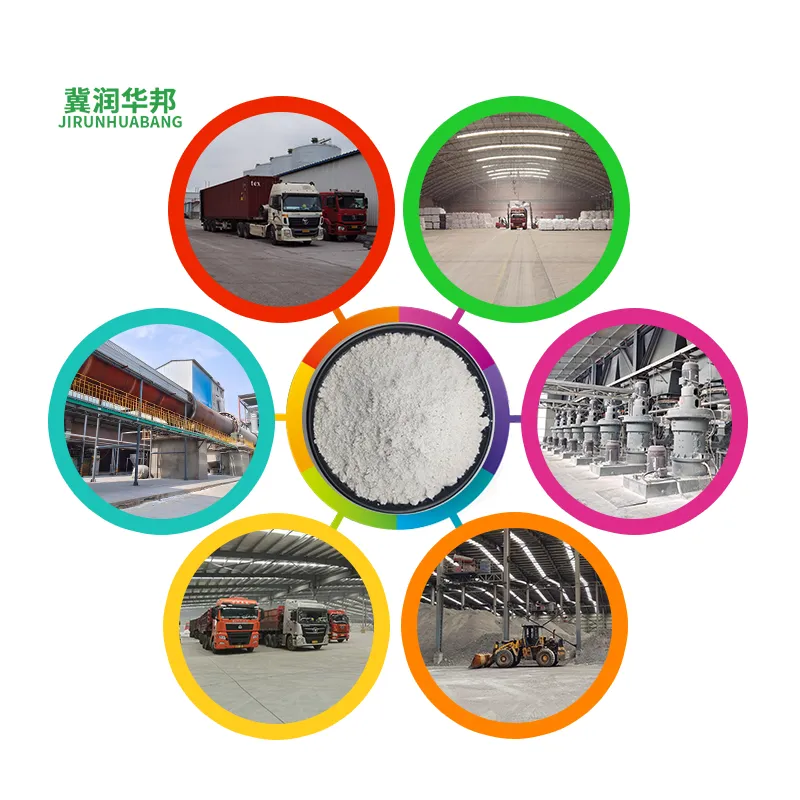
Rubber industry incorporates kaolin powder as reinforcing filler to upgrade product performance and reduce production costs. When mixed into rubber compounds, its fine particles disperse evenly throughout matrix, acting as “strengthening nodes” to improve tensile strength, wear resistance and elasticity. This makes rubber products more durable: tires gain better resistance to road friction, extending service life; seals and gaskets maintain tightness even after repeated compression; hoses endure frequent bending without cracking. Surface-modified kaolin powder forms stronger chemical bonds with rubber matrices, further enhancing mechanical properties while maintaining excellent processability—rubber compounds retain ability to be molded into complex shapes easily. By replacing part of expensive synthetic rubber or carbon black, kaolin powder lowers formulation costs without compromising quality, becoming cost-effective solution for rubber manufacturers.
Ink industry values kaolin powder for its ability to optimize printing performance across various processes. It improves ink fluidity, ensuring smooth transfer from printing plate to substrate—whether in offset, flexographic or gravure printing, this prevents issues like ink piling or uneven ink laydown. Stable suspension ability of kaolin powder keeps pigment particles evenly distributed in ink, preventing settling and ensuring consistent color density throughout printing job. Fine particles enhance ink’s covering power, allowing thin ink layers to achieve full coverage on substrates, while also boosting color vividness to make printed materials more visually appealing. Kaolin powder also accelerates ink drying speed by absorbing moisture or solvents in ink formulations, increasing production efficiency in printing processes and reducing smudging risks. Its chemical inertness ensures compatibility with various ink components—resins, pigments and solvents—avoiding unwanted reactions that could affect print quality or storage life of ink.
Refractory materials sector leverages kaolin powder’s high melting point and thermal stability to produce materials that withstand extreme industrial conditions. Mixed with other heat-resistant minerals like alumina and magnesia, it forms composite formulations used to produce refractory bricks, castables and furnace linings—critical components in high-temperature industrial equipment. These materials retain structural integrity even under extreme heat, forming protective barrier that shields furnaces, reactors and kilns from damage, ensuring stable and continuous production. Kaolin powder’s thermal shock resistance is key advantage: it prevents refractory materials from cracking when exposed to sudden temperature changes—common in steelmaking or glass manufacturing processes where equipment heats up and cools down frequently. Additionally, its fine particle size fills gaps between coarser refractory particles, improving density and strength of final products, extending service life of refractory linings and reducing maintenance costs for industrial plants.
Plastic industry uses kaolin powder to modify material properties, expanding application scope of basic plastics. Adding it to plastic formulations enhances rigidity—making flexible plastics stiffer for structural applications—and improves heat resistance, allowing plastics to withstand higher temperatures without deformation. It also boosts dimensional stability, preventing plastic products from warping or shrinking during molding or use. Importantly, kaolin powder maintains processability of plastics: formulations retain ability to be extruded, injected or blow-molded into various shapes easily. As cost-effective filler, it helps reduce plastic usage, lowering production costs while maintaining product quality. In engineering plastics, kaolin powder improves mechanical strength—tensile and impact strength—making plastics suitable for more demanding applications in automotive and electronics sectors, such as automotive interior parts and electronic component housings that require both strength and dimensional precision.
Share