
Colored sand home crafts festive decor art therapy sessions blending pigmented grains layered designs to craft captivating visuals that elevate environments spark creativity
Back to list
Jan . 08, 2026 17:24
Colored sand transcends ordinary material status, becoming bridge between creativity and daily life with its rich pigmentation that retains vibrancy over time and soft granular texture that invites tactile exploration. Unlike rigid art supplies such as paints in tubes or carved woods, it flows freely like liquid light, letting creators shape emotions and stories through intentional layers, harmonious blends, and intricate patterns. Every handful carries unique potential to transform blank spaces—whether canvas, glass, or even plain walls—into vivid narratives that speak to viewers on intuitive level. This versatility makes it favorite among artists seeking fresh mediums, designers aiming to add texture to spaces, and hobbyists craving accessible creative outlets, all seeking to infuse environments with distinct personality and warm, inviting charm that feels both handmade and heartfelt.
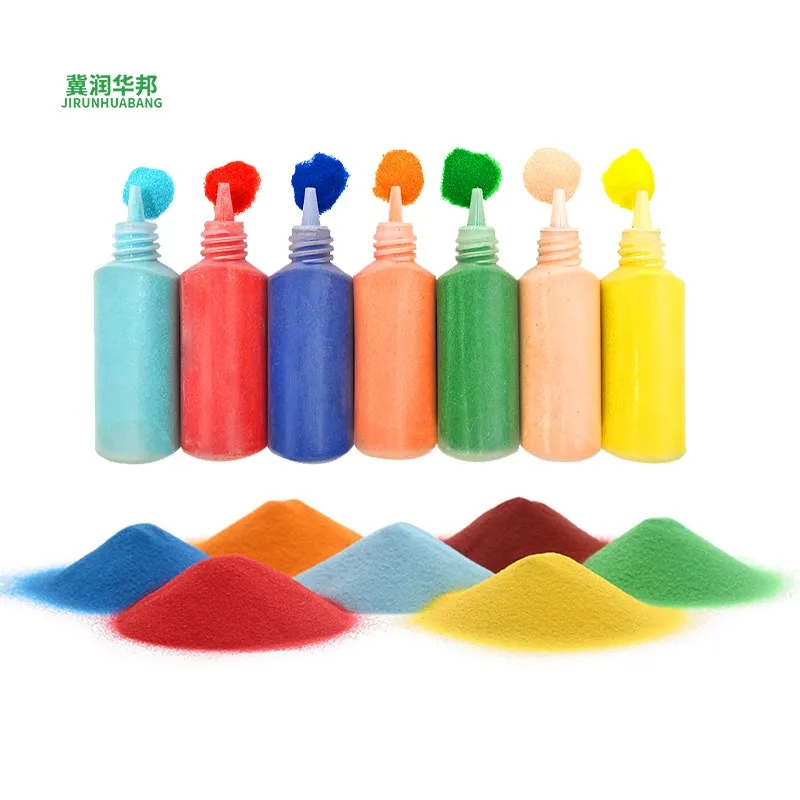
Commercial spaces increasingly embrace colored sand to stand out in competitive landscape, where unique aesthetics drive customer loyalty. Cafes and boutiques use custom sand art installations to craft one-of-a-kind atmospheres—walls adorned with swirling patterns of pastel and bold colored sands, often integrated with brand logos or thematic elements, draw customers in and encourage them to linger, turning casual visits into memorable experiences worth sharing on social media. Retail stores, especially those selling handmade goods or lifestyle products, incorporate sand-filled display cases to showcase merchandise; colored grains complement textures of fabrics, ceramics, or jewelry, adding tactile dimension to shopping journey that engages more than just sight. Even co-working spaces use subtle sand accents, such as small layered jars on reception desks or wall decals made from crushed colored sand that spell out motivational phrases, to inspire creativity among employees and make shared spaces feel less sterile and more personal.
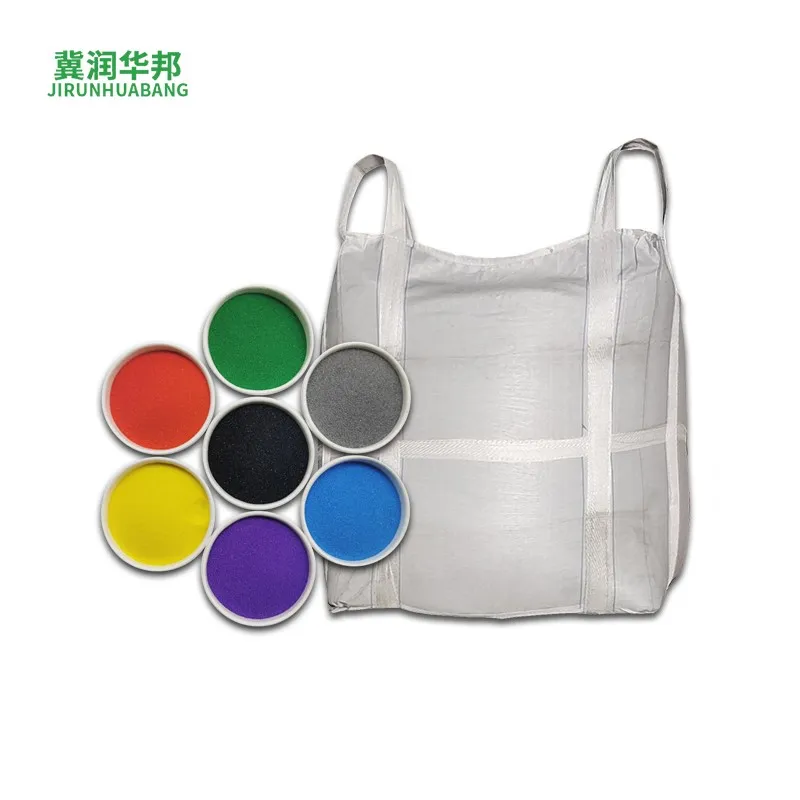
Art therapy sessions leverage calming properties of colored sand to help individuals express emotions non-verbally, a powerful tool for those who find words insufficient. Therapists guide participants to arrange sand grains in shallow trays or on canvas, encouraging them to let color choices—soft blues for calm, warm oranges for joy, deep purples for contemplation—and arrangements communicate feelings they struggle to put into words. Process of sifting, pouring, and shaping sand is inherently meditative, slowing breathing and promoting relaxation that reduces stress and anxiety. Children with communication difficulties or sensory processing challenges often find comfort in colored sand, using it to build tiny worlds that reflect inner thoughts and feelings without pressure to speak. Adults, too, use it as healthy outlet to release tension from busy, high-stakes lives, finding solace in repetitive motions and tangible results of their creative efforts.
Festive and cultural celebrations find new charm through colored sand, adding handmade warmth to traditional rituals. During holiday seasons, families gather to create sand art ornaments—filling clear baubles with carefully layered colored sands in seasonal hues, such as reds and greens for winter holidays or pastels for spring celebrations, to hang on trees or display on mantels as cherished keepsakes. Cultural parades, from local heritage festivals to regional celebrations, sometimes feature floats decorated with large-scale sand murals, depicting traditional stories, mythological figures, or cultural symbols using vibrant sand shades that pop against bright float backdrops. Community festivals regularly host sand art workshops, where attendees of all ages—from toddlers guided by parents to seniors exploring new hobbies—craft small pieces to take home, fostering sense of connection and shared joy through collaborative creative process that transcends age and background.
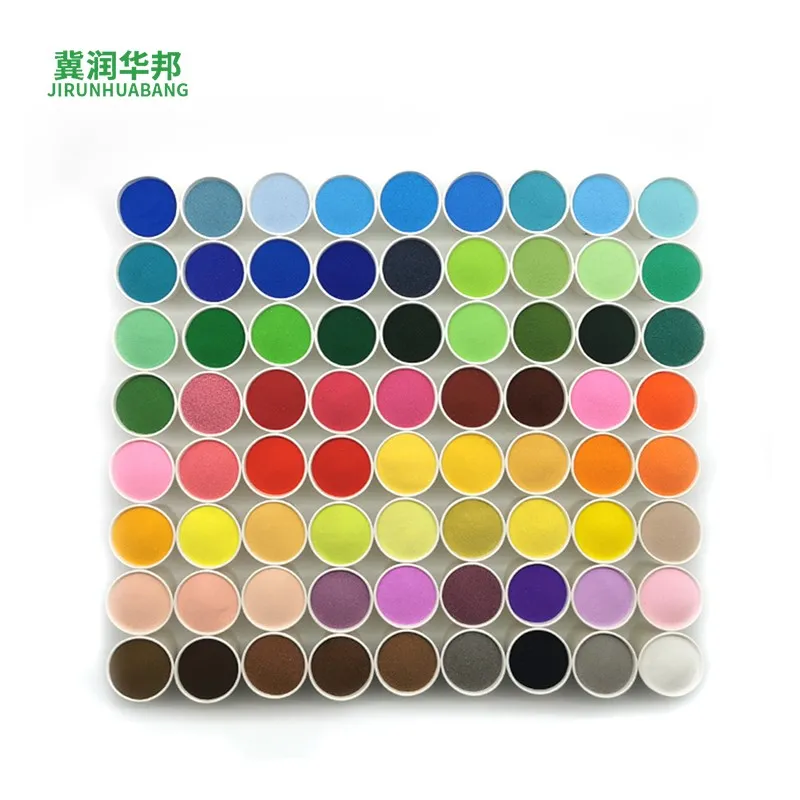
Home crafters explore endless possibilities with colored sand, turning simple, affordable projects into unique treasures that reflect personal style. Many create personalized sand art for loved ones, arranging initials, important dates, or small motifs—such as hearts, stars, or flowers—using contrasting sand colors in glass frames, resulting in thoughtful gifts that feel far more meaningful than store-bought items. Others use sand to decorate candle holders, pouring colored grains around bases or filling clear vessels halfway before placing candles inside, adding warmth and visual interest when flames are lit, casting soft colored glows across rooms. DIY enthusiasts also experiment with sand-based decoupage, adhering fine layers of sand to wooden boxes, picture frames, or even furniture accents, then sealing with clear varnish to create textured, one-of-a-kind home decor items that become conversation starters for guests.
Colored sand’s versatility shines in outdoor creative projects, though not tied to gardening or permanent landscaping. Urban artists use it to create temporary sand murals on sidewalks, plazas, or even empty building walls, using stencils to outline designs then filling in with vibrant sand shades and fine brushes to add intricate details that brighten otherwise plain city streets. These ephemeral installations attract crowds, with passersby stopping to photograph, admire, or even help add small touches, turning ordinary commutes into moments of wonder before being naturally blended by foot traffic, rain, or wind. Some communities host annual sand art festivals in public squares, where artists compete to create largest, most intricate, or most thematically creative sand pieces—from abstract designs to recognizable landmarks—drawing tourists from nearby areas and boosting local spirit while celebrating power of public art.
Different forms of colored sand cater to varied creative needs, each designed to enhance specific projects. Pigmented sand with matte finish works exceptionally well for detailed artworks and indoor decor, as it absorbs light gently and avoids harsh glare, letting subtle color variations and textures take center stage. Glossy colored sand, treated with thin, clear coating, adds shimmer to festive decorations and commercial installations, catching light from overhead fixtures or natural sun to create eye-catching, dynamic effects that draw attention. Fine-grained sand, with particles so small they feel silky to touch, is perfect for delicate crafts like intricate sand painting, layered jar art, or detailed murals, allowing for precise lines and smooth gradients. Slightly coarser sand, with larger particles that add subtle roughness, is ideal for outdoor murals, decorative accents on furniture, or any project where texture is meant to be felt as much as seen.
Artists push boundaries of colored sand usage through innovative techniques that blend traditional craft with modern creativity. Some combine sand with clear adhesive to create 3D sculptures, building up thin layers of colored sand to form intricate shapes—from small figurines to large wall-mounted pieces—that showcase sand’s texture and color in three dimensions. Others use airbrushes to blow colored sand onto surfaces, controlling airflow to create soft gradients, ethereal clouds, or delicate splatters that mimic watercolor paintings but with added tactile depth. Collaborative sand art projects have become popular in communities, bringing dozens of people together to contribute small sections to large-scale pieces that celebrate local history, cultural values, or shared goals; these projects often take days to complete, fostering teamwork and pride as participants watch collective vision take shape in colored sand.
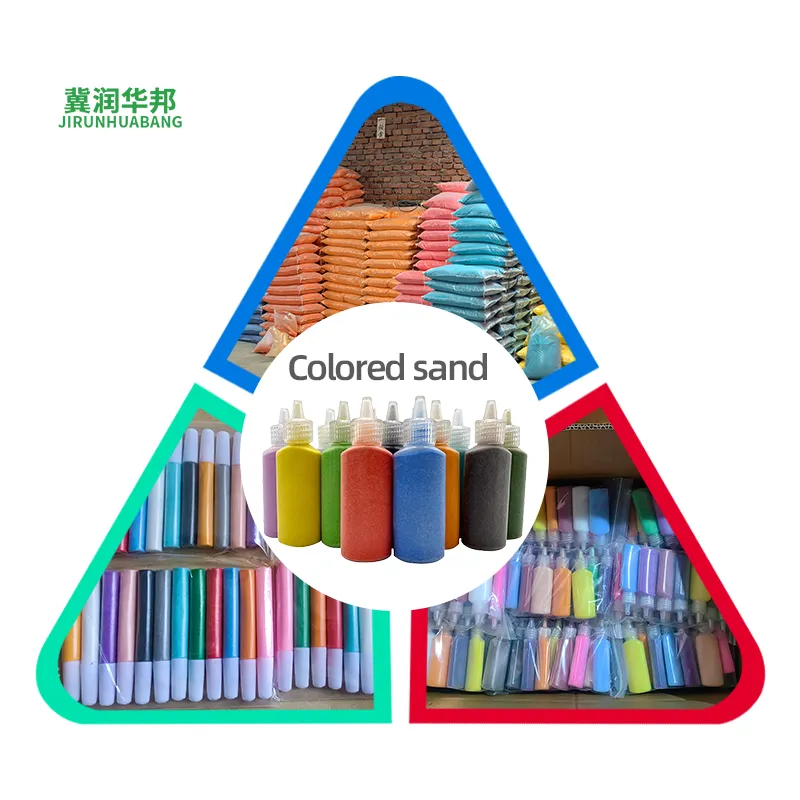
Colored sand’s enduring appeal lies in its unique combination of accessibility and emotional resonance that speaks to people across cultures. It requires no specialized skills, expensive tools, or formal training to use—anyone, regardless of age or creative experience, can pick up handful and start creating, making art inclusive for all who wish to express themselves. Its soft texture, which feels comforting to touch, and vibrant colors, which evoke immediate positive emotions, turn creative process into joyful, low-pressure experience that feels more like play than work. Unlike fleeting design trends that fade quickly, colored sand maintains timeless charm, adapting seamlessly to changing design styles—from minimalist to bohemian, modern to vintage—while retaining core appeal as medium that connects people through shared creativity and universal language of color and texture.
Schools increasingly incorporate colored sand into art curricula to nurture creativity in young minds and make learning more engaging. Teachers use it to teach basic art concepts like color theory, letting students mix different sand shades to create new hues and observe how primary colors blend into secondary ones in tangible, hands-on way. Students also create sand art projects to express understanding of other subjects—for example, depicting historical events like ancient civilizations or natural phenomena like water cycles using colored sand, turning abstract concepts into visual, memorable representations. These activities not only enhance artistic skills like fine motor control and color matching but also encourage critical thinking as students plan their designs and self-expression as they infuse personal style into their work, making learning a more holistic experience.
In commercial art, colored sand finds growing place in advertising and brand activations, thanks to its ability to create visually striking, shareable content. Companies use custom sand art installations at trade shows and product launches to attract booth visitors, creating large-scale pieces that reflect brand colors, logos, or key messages—these installations often become focal points of events, drawing crowds and generating media attention. Some brands commission artists to create short, time-lapse sand art videos for social media, where colored sand is shaped, layered, and transformed to tell brand stories or showcase product features; these videos resonate with audiences because of their handmade charm, generating high engagement, shares, and brand recall. Even small businesses use colored sand in window displays or in-store decor to align with brand aesthetics, turning retail spaces into extensions of their brand identity and creating memorable experiences for customers.
Colored sand’s journey from simple craft material to versatile artistic medium reflects deep human desire to find beauty in ordinary things and express creativity in accessible ways. It turns empty spaces into impromptu galleries, quiet afternoons into creative adventures, and individual efforts into collective joy that binds communities. Whether used in therapy sessions to heal emotional wounds, in commercial spaces to inspire connection with brands, in homes to decorate with personal flair, or in schools to nurture young creatives, colored sand continues to enrich lives with its vibrant hues and gentle texture. It proves that true art does not require expensive materials or elite training—it lies in ability to transform simple grains into something that evokes emotion, tells stories, and reminds people of joy of creating, a universal human experience that transcends boundaries.
Share