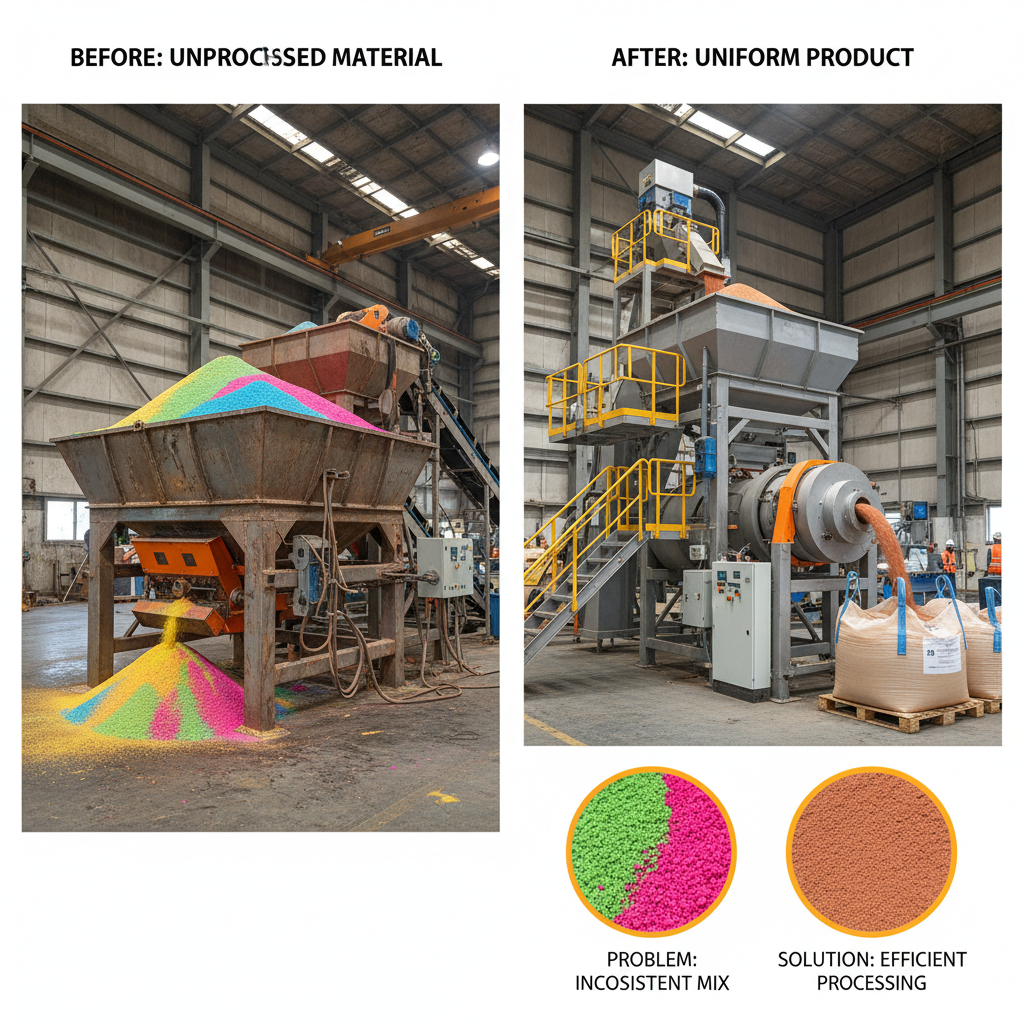
Cheap colored sand, in its simplicity, represents a versatile and increasingly vital resource across a surprisingly broad spectrum of industries. From artistic endeavors and children’s crafts to large-scale construction projects and even environmental remediation, its accessibility and customizable nature make it a valuable component. Understanding the properties, applications, and future potential of cheap colored sand is crucial for innovators, businesses, and policymakers alike, offering cost-effective solutions to diverse challenges.
Globally, the demand for affordable and adaptable building materials is continually rising, particularly in rapidly developing nations and in response to the increasing frequency of natural disasters. Traditional construction methods are often prohibitively expensive or logistically challenging, creating a need for alternative materials. Cheap colored sand, often derived from recycled sources or readily available natural deposits, presents a sustainable and economical solution, contributing to infrastructure development and economic growth.
The benefits of understanding cheap colored sand extend beyond pure cost savings. Its inherent properties allow for a degree of design flexibility and aesthetic appeal, making it suitable for a wide array of applications. Furthermore, advancements in coloring techniques and stabilization processes are continually expanding the possibilities for its use, solidifying its position as a key material in the 21st century.
The Significance of Cheap Colored Sand
The increasing global focus on sustainable and affordable materials has propelled cheap colored sand into a position of prominence. Its relatively low production cost, combined with its versatility, makes it an attractive alternative to more expensive and environmentally impactful materials. Understanding its composition and potential is critical for promoting responsible construction and design practices.
Beyond its economic advantages, cheap colored sand offers aesthetic possibilities that are often overlooked. The ability to achieve a wide range of vibrant colors without significantly increasing cost expands its applications into decorative landscaping, artistic installations, and even architectural facades, contributing to more visually appealing and engaging environments.
Defining Cheap Colored Sand
Cheap colored sand refers to sand that has been artificially pigmented with various dyes or mineral oxides to create a wide spectrum of colors. The base sand itself can vary in composition – it may be silica sand, river sand, or even recycled glass sand – but the defining characteristic is the addition of coloring agents to achieve the desired hue. The “cheap” designation refers to its comparatively low cost compared to other colored aggregates or pigments.
The connection to modern industry is profound. It’s not just about aesthetics; the coloring process can also enhance certain properties of the sand, like UV resistance or thermal reflectivity. This makes it a valuable component in concrete mixtures, asphalt production, and even specialized coatings, contributing to more durable and efficient construction materials.
Its relevance extends to humanitarian needs as well. In disaster relief scenarios, easily sourced and colored sand can be used for quick and visible demarcation of safe zones, emergency pathways, or temporary shelters, aiding in effective disaster response and community organization.
Core Properties of Cheap Colored Sand
One of the most crucial properties is its particle size distribution. This dictates its flowability, packing density, and overall workability in different applications. A consistent particle size is essential for achieving uniform color distribution and predictable performance.
Colorfastness is another key property. The coloring agents used must be resistant to fading from exposure to sunlight, water, and other environmental factors. High-quality pigments are essential for maintaining the desired color intensity over the long term, ensuring the longevity of the final product.
Chemical stability is also important, particularly in applications where the sand will be exposed to harsh chemicals or extreme temperatures. The coloring agents must not react with other components in the mixture or degrade over time, compromising the integrity of the material.
Key Factors Influencing Performance
The type of coloring agent significantly impacts the final product's performance. Inorganic pigments, such as iron oxides, generally offer superior UV resistance and colorfastness compared to organic dyes. However, organic dyes often provide a wider range of vibrant colors and can be more cost-effective.
The binding agent used to adhere the color to the sand is another critical factor. Polymers, silanes, and other binding agents can enhance color durability and improve the sand's resistance to weathering and abrasion.
Performance of Different Cheap Colored Sand Coloring Methods
Global Applications and Use Cases
In the construction industry, cheap colored sand is extensively used in decorative concrete, paving stones, and roofing granules, offering aesthetically pleasing and durable surfaces. It’s also finding applications in the production of colored mortars and plasters.
Landscaping and gardening benefit significantly from colored sand, used in pathways, driveways, and decorative ground cover. The ability to create distinct and vibrant visual elements enhances the aesthetic appeal of outdoor spaces. In post-disaster relief operations, colored sand is used to mark safe zones and pathways.
Advantages and Long-Term Value
The primary advantage remains cost-effectiveness. Cheap colored sand offers a significantly cheaper alternative to natural colored aggregates or expensive pigments, making it accessible for a broader range of projects. Beyond cost, it presents a sustainable option, especially when utilizing recycled sand sources.
Long-term value is derived from its durability and low maintenance requirements. High-quality colored sand, properly treated, can retain its color and integrity for decades, reducing the need for frequent replacements or repairs. This contributes to reduced life-cycle costs and a more sustainable approach to construction and design.
Future Trends and Innovations
Research is ongoing into the development of more eco-friendly and durable coloring agents, utilizing bio-based pigments and nanotechnology to enhance colorfastness and UV resistance. The integration of smart materials, such as thermochromic pigments, could lead to sand that changes color in response to temperature, offering novel applications in energy efficiency and visual communication.
Automation in the coloring process promises to improve efficiency and consistency, reducing production costs and enhancing quality control. Digital printing techniques are also being explored, allowing for intricate patterns and customized color schemes on sand surfaces.
The growing emphasis on circular economy principles is driving innovation in recycled sand applications. Utilizing waste glass or plastic as a base material for colored sand not only reduces landfill waste but also creates a sustainable and cost-effective resource.
FAQs
The lifespan depends on the quality of the sand, the binding agents used, and the environmental conditions. However, properly constructed structures using high-quality cheap colored sand concrete can easily last for 50 years or more with minimal maintenance. Regular sealing and inspection are recommended to prevent cracking and water damage, maximizing longevity and structural integrity.
It can be! Utilizing recycled sand sources, like crushed glass, significantly reduces landfill waste and conserves natural resources. Furthermore, the production process of colored sand typically has a lower carbon footprint compared to manufacturing traditional building materials like cement. Choosing eco-friendly coloring agents is also crucial for maximizing its environmental benefits.
Selecting sand colored with inorganic pigments, such as iron oxides, is key. These pigments are highly resistant to UV degradation. Additionally, applying a UV-resistant sealant after installation will provide an extra layer of protection. Regular cleaning and maintenance can also help preserve the color vibrancy, preventing buildup of dirt and grime.
Cheap colored sand is widely used for pathways, driveways, decorative ground cover around plants, and in Zen gardens. Its vibrant colors add aesthetic appeal and can complement the surrounding landscape design. It’s also a practical choice for creating drainage layers and preventing weed growth.
Yes, most suppliers offer custom color matching services. You can provide a sample of the desired color, and they will blend the sand with appropriate pigments to achieve the match. This allows for greater design flexibility and the ability to create unique aesthetic effects for your project.
Although generally safe, it's recommended to wear a dust mask during handling to avoid inhaling fine particles. Eye protection is also advisable to prevent irritation. If working with large quantities, proper ventilation is essential. Always follow the manufacturer's safety guidelines for the specific coloring agents used.
Conclusion
Cheap colored sand offers a compelling combination of affordability, versatility, and aesthetic appeal, making it an increasingly important material across diverse industries. From enhancing the visual appeal of construction projects to providing cost-effective solutions for landscaping and disaster relief, its potential is vast and continually expanding. By embracing innovation in coloring techniques, sustainable sourcing, and automated production processes, we can unlock even greater benefits from this remarkable resource.
Looking ahead, continued research and development will be crucial for maximizing the performance and sustainability of cheap colored sand. Investing in eco-friendly pigments, exploring new applications, and promoting responsible sourcing practices will ensure that this versatile material continues to contribute to a more sustainable and visually engaging future. Visit our website at cheap colored sand to explore our extensive range of colors and solutions.