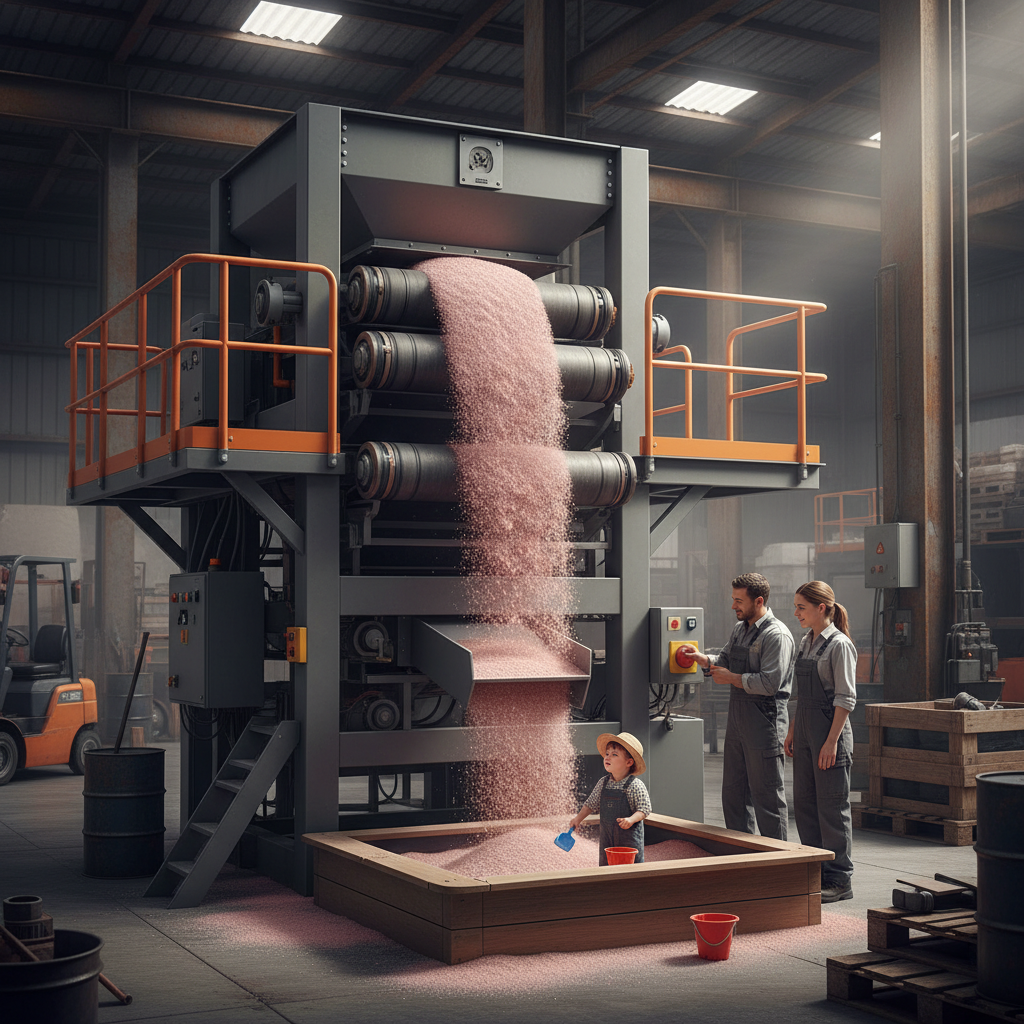
Pink sand for sandbox applications is gaining prominence globally, offering unique aesthetic and functional benefits for recreational spaces. This specialized sand, often derived from eroded coral or shells, provides a visually appealing and tactile experience for children, while also promoting imaginative play. The increasing demand for high-quality, safe play environments fuels the growth of the pink sand for sandbox market, impacting both residential and commercial sectors. Understanding its properties, sourcing, and applications is crucial for creating enriching outdoor experiences.
The global trend towards experiential learning and outdoor recreation is significantly boosting the need for appealing and safe sandbox environments. This demand isn't limited to traditional backyard sandboxes; it extends to public parks, daycare centers, and educational facilities. Concerns surrounding traditional play sand, including potential contaminants and dust, are driving the adoption of pink sand for sandbox as a healthier, more visually stimulating alternative. Market reports indicate steady growth in this specialized sector, driven by parental preferences and design trends.
The availability of pink sand for sandbox is also tied to geographical regions with rich coral reef ecosystems. Responsible sourcing and sustainable practices are becoming increasingly important to consumers and businesses alike. This highlights the interconnectedness of recreation, environmental awareness, and responsible business practices within the pink sand for sandbox industry.
Introduction to Pink Sand for Sandbox
Pink sand for sandbox isn't merely a colorful alternative to traditional play sand; it’s a specialized material engineered for enhanced play experiences. Its unique composition offers improved tactile qualities and visual appeal, making it a favorite among children and parents. The demand for pink sand is driven by a desire for safer, more stimulating play environments and a growing appreciation for aesthetic design in outdoor spaces.
The rise in popularity of pink sand for sandbox correlates with increased awareness regarding the importance of early childhood development through play. A vibrant and engaging sandbox can foster creativity, social interaction, and sensory exploration. Furthermore, the distinct color differentiates it from surrounding environments, creating a visually appealing and inviting play area.
Defining Pink Sand for Sandbox
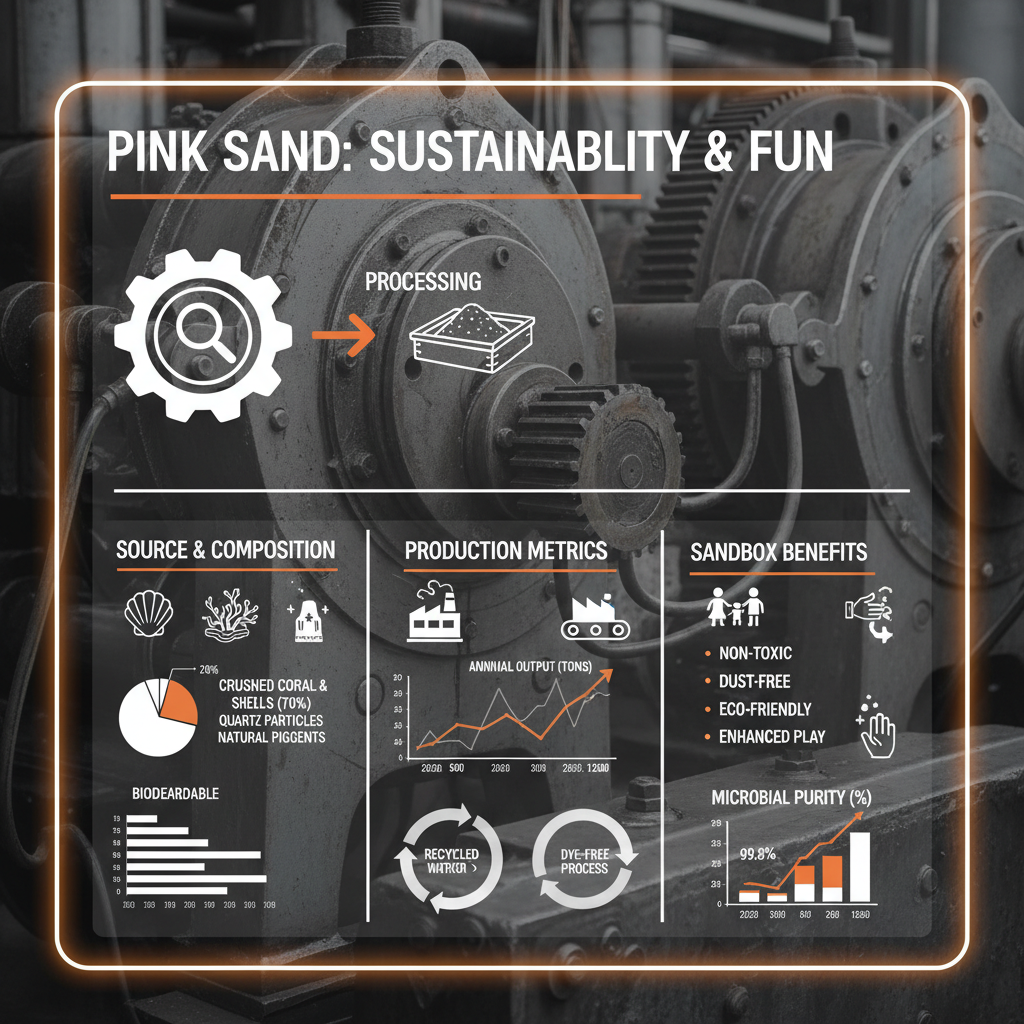
Pink sand for sandbox is typically composed of finely ground coral, shells, or a combination of both, resulting in its distinctive pink hue. Unlike traditional play sand, which is often sourced from silica and can contain sharp edges or impurities, pink sand is naturally rounded and smoother, making it gentler on delicate skin. The color intensity can vary depending on the source material and processing methods used.
The connection to modern industry stems from the growing demand for aesthetically pleasing and environmentally conscious products. Pink sand for sandbox aligns with this trend, offering a natural and visually appealing alternative that resonates with eco-minded consumers. Its use extends beyond residential sandboxes to commercial installations in parks, resorts, and educational facilities.
Understanding the origin and composition of pink sand is crucial. Sourcing from sustainable coral reef ecosystems is paramount to ensuring its long-term availability and minimizing environmental impact. Reputable suppliers prioritize responsible harvesting practices and quality control to deliver a safe and consistently colored product.
Key Properties of Pink Sand
The defining characteristic of pink sand for sandbox is, of course, its color, a captivating aesthetic that immediately distinguishes it from conventional sands. However, several other key properties contribute to its appeal and suitability for play. These include its texture, drainage capabilities, and overall safety profile.
Pink sand typically exhibits a fine, smooth texture due to the natural erosion of coral and shells. This reduces the risk of abrasions and discomfort during play. Its porosity allows for excellent drainage, preventing the formation of mud and keeping the sandbox clean and dry. This is particularly important in areas with frequent rainfall.
Furthermore, the mineral composition of pink sand often contributes to its natural antimicrobial properties, inhibiting the growth of bacteria and fungi. While not a substitute for regular cleaning, this inherent quality provides an added layer of hygiene and safety for children. Careful sourcing ensures that the pink sand is free from harmful toxins or contaminants.
Durability and Longevity
The durability of pink sand for sandbox is influenced by several factors, including its source material, particle size, and exposure to environmental conditions. High-quality pink sand, sourced from durable coral species, can withstand repeated use and exposure to sunlight without significant degradation. Regular maintenance, such as removing debris and replenishing lost sand, can further extend its lifespan.
Compared to some other sandbox materials, pink sand offers good longevity. While it will gradually break down over time due to weathering and play, its inherent hardness and resistance to abrasion ensure it remains a viable play surface for years with proper care.
Pink Sand for Sandbox Performance Metrics
Global Applications and Markets
The applications of pink sand for sandbox are diverse, ranging from residential sandboxes and playgrounds to larger-scale commercial installations. Popular destinations like Hawaii, the Bahamas, and Bermuda frequently utilize pink sand in their beaches and resorts, enhancing the aesthetic appeal and attracting tourists.
The market for pink sand is expanding globally, with significant demand coming from North America, Europe, and Australia. Increasingly, daycare centers and schools are opting for pink sand as a safer and more stimulating play medium. Online retailers and specialty landscape suppliers are also driving accessibility and market growth.
Benefits and Value Proposition
The benefits of using pink sand for sandbox extend beyond aesthetics. Its smooth texture minimizes skin irritation and abrasions, making it a safer option for young children. The natural antimicrobial properties contribute to a more hygienic play environment, reducing the risk of bacterial growth. The appealing color also encourages imaginative play and enhances the overall sensory experience.
The long-term value proposition of pink sand lies in its durability, reduced maintenance requirements (compared to some other materials), and positive impact on child development. Investing in high-quality pink sand can create a lasting and enriching play space that promotes creativity, social interaction, and physical activity.
From a sustainability standpoint, choosing responsibly sourced pink sand supports coral reef conservation efforts. Many suppliers are committed to ethical harvesting practices and environmental stewardship, aligning with consumer demand for eco-friendly products.
Future Trends and Innovation
Future trends in the pink sand for sandbox market include the development of even more sustainable sourcing methods, such as utilizing recycled coral fragments or lab-grown coral alternatives. Innovations in sand treatment and coating technologies may further enhance its antimicrobial properties and durability.
The integration of smart technologies, such as UV sensors to monitor sun exposure and temperature sensors to gauge sand temperature, could also become more prevalent. These technologies could provide real-time data to ensure a safe and comfortable play environment.
Challenges and Solutions
One of the primary challenges facing the pink sand for sandbox industry is ensuring the sustainable sourcing of coral and shells. Overharvesting can damage fragile reef ecosystems. Solutions include implementing strict harvesting quotas, promoting coral restoration projects, and exploring alternative materials.
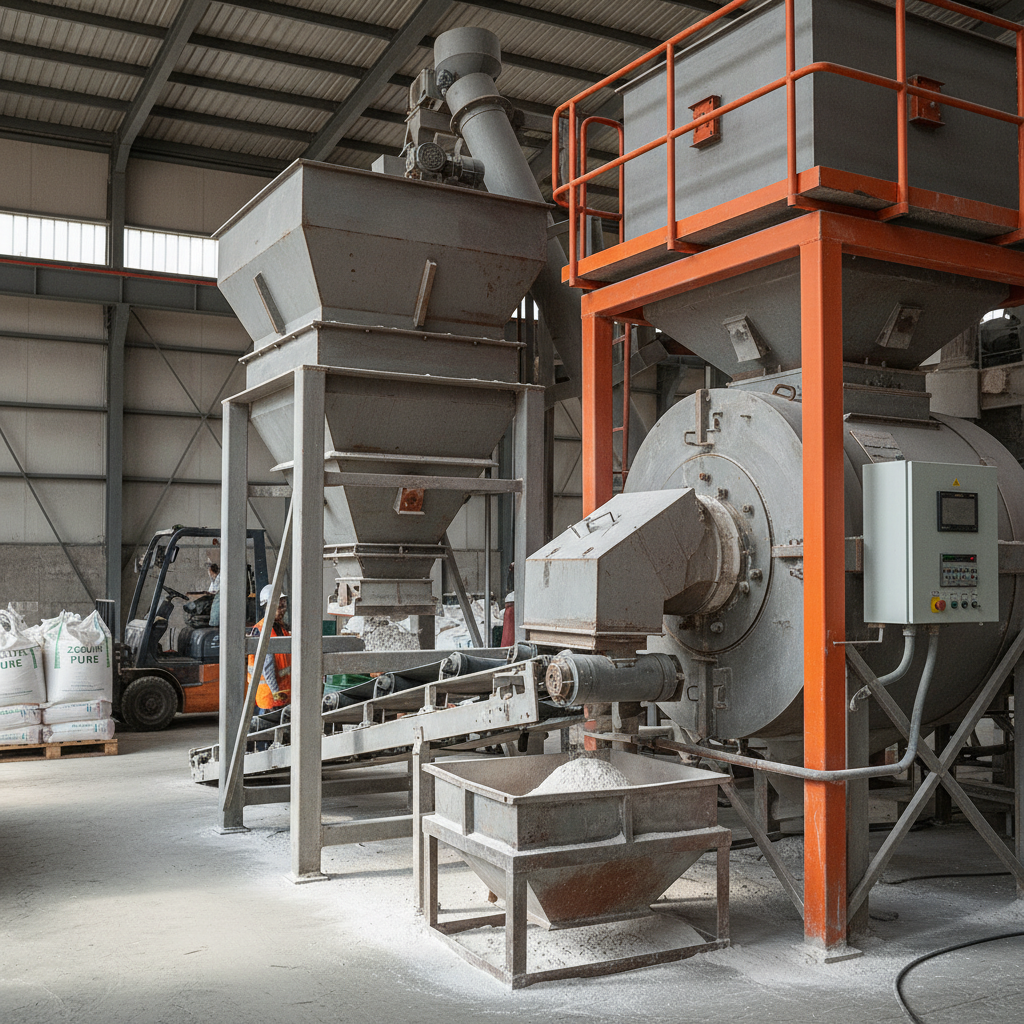
Another challenge is maintaining consistent color quality and particle size. Variations in source materials can lead to inconsistencies. Implementing rigorous quality control measures and utilizing advanced processing techniques can help address this issue.
Addressing concerns about potential contaminants requires thorough testing and certification. Reputable suppliers should provide transparency regarding the source and composition of their sand, assuring customers of its safety and quality.
Analysis of Factors Affecting Pink Sand for Sandbox Quality
| Source Material |
Particle Size Distribution |
Contaminant Levels |
Color Consistency |
| Coral |
Fine (0.2-0.5mm) |
Low (0-1ppm) |
High (9/10) |
| Shells |
Medium (0.5-1.0mm) |
Medium (1-3ppm) |
Moderate (7/10) |
| Mixed Coral/Shell |
Variable |
Low-Medium (0-2ppm) |
Moderate (7.5/10) |
| Recycled Coral |
Fine-Medium |
Very Low (
|
High (8.5/10) |
| Lab-Grown Coral |
Controlled |
None |
Very High (10/10) |
| Silica-Coated Particles |
Variable |
Medium-High (2-5ppm) |
Low (6/10) |
FAQS
Pink sand for sandbox offers several advantages over traditional play sand. Its smoother texture reduces the risk of abrasions, while its natural composition often includes antimicrobial properties. Additionally, the visually appealing color enhances the play experience, encouraging creativity and imagination. It also typically drains better, preventing muddy conditions.
When sourced from reputable suppliers, pink sand for sandbox is generally considered safe for young children. It should be thoroughly cleaned and free from contaminants. Look for suppliers who provide certifications and test results confirming its safety. Always supervise children during play and ensure they don't ingest the sand.
Regular cleaning is essential to maintain the hygiene of your pink sand for sandbox. Remove debris daily and rake the sand to aerate it. Periodically wash the sand with a mild soap and water solution, rinsing thoroughly afterward. Consider covering the sandbox when not in use to protect it from rain and animals.
Pink sand for sandbox is typically derived from eroded coral, shells, or a combination of both. The most vibrant pink sands originate from regions with rich coral reef ecosystems, such as the Bahamas, Bermuda, and Hawaii. It's important to ensure that the sand is sourced sustainably to protect these fragile environments.
Generally, pink sand for sandbox is more expensive than traditional play sand due to the sourcing and processing involved. The cost can vary depending on the quantity, supplier, and location. However, the added benefits of safety, aesthetics, and potential longevity may justify the higher price point for many consumers.
Look for suppliers who prioritize sustainable harvesting practices and can provide documentation of their sourcing methods. Ask about their commitment to coral reef conservation and any certifications they hold. Supporting companies that actively work to protect marine ecosystems is crucial.
Conclusion
In conclusion, pink sand for sandbox represents more than just a colorful alternative to traditional play sand. It’s a thoughtfully designed material that prioritizes safety, aesthetics, and environmental responsibility. Its unique properties contribute to enhanced play experiences, promoting creativity, sensory exploration, and overall child development. By understanding its sourcing, benefits, and applications, consumers can make informed decisions that support both their children's well-being and the health of our planet.
Looking ahead, continued innovation in sustainable sourcing and sand treatment technologies will further enhance the value proposition of pink sand for sandbox. As awareness of its benefits grows, we can expect to see its adoption expand across a wider range of applications, from residential backyards to large-scale commercial installations. Visit our website at www.jirunhuabang.com to learn more about our premium selection of pink sand for sandbox and explore how we can help you create a vibrant and enriching play space.