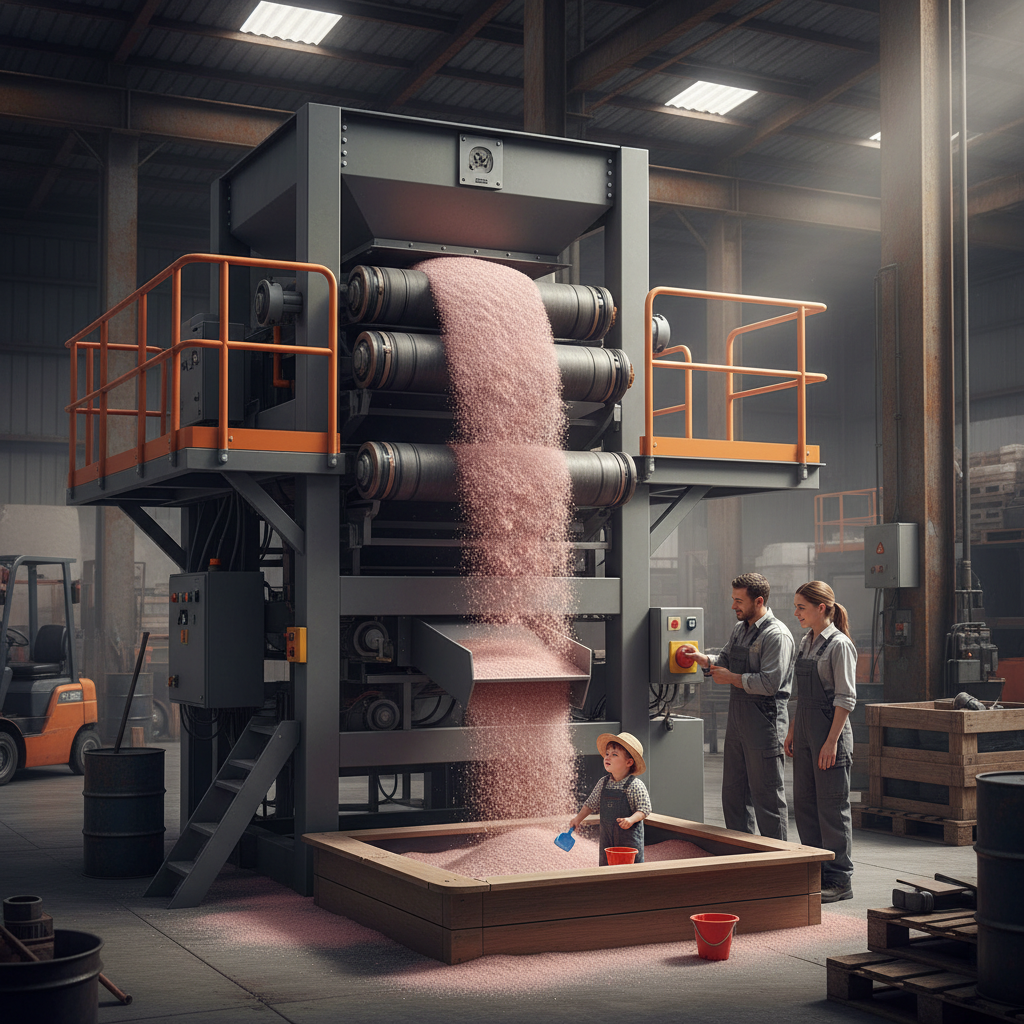
Coconut bricks are high-performance renewable organic growing substrates widely recognized and applied in commercial horticulture, agricultural seedling cultivation and urban ecological greening industries. Manufactured through rigorous coconut coir selection, high-temperature sterilization, deep desalination, impurity purification, low-temperature dehydration and high-pressure compression molding processes, coconut bricks adopt natural coconut husk fiber as the core raw material, forming dense regular block structures after professional industrial treatment. Different from loose traditional peat soil, ordinary garden soil and fragmented coir substrates with unstable quality, standardized coconut bricks feature fixed molding density, uniform fiber fineness and thoroughly purified components. They completely eliminate inherent defects of conventional planting media such as excessive salt content, residual bacteria, weed seeds and easy hardening, while retaining the natural fibrous porous structure and excellent biological activity of coconut coir. Boasting outstanding water retention and fertilizer retention performance, superior air permeability and rapid drainage capacity, stable weak acid pH value, strong stress resistance and full biodegradability, coconut bricks have become irreplaceable core substrate materials for potted flowers, vegetable and fruit seedling raising, greenhouse soilless cultivation, landscape greening and ecological restoration projects. As the global horticultural industry accelerates green transformation, resource recycling and refined planting upgrading, coconut bricks are extensively adopted to replace non-renewable peat soil and low-grade traditional planting substrates. They help planting enterprises and garden engineering teams optimize soil growth environment, improve planting efficiency and control comprehensive planting costs, achieving a perfect balance between ecological environmental protection and economic benefits. In response to increasingly stringent international agricultural safety and green ecological regulations, heavy-metal-free, low-salt and sterile coconut bricks have gradually become the mainstream benchmark medium for modern high-efficiency and environmentally friendly horticultural planting worldwide.
The most prominent advantages of coconut bricks in planting formula systems lie in their stable porous fiber structure, excellent water and fertilizer regulation performance and long-lasting loose soil improvement effect. Compared with conventional planting substrates such as natural peat soil, leaf soil and ordinary nutrient soil, industrially compressed coconut bricks can fully expand into fluffy and uniform fibrous loose soil after absorbing water, forming a three-dimensional porous internal structure with uniform air holes and capillary gaps. This unique structure greatly optimizes soil air permeability and drainage performance, effectively solving common planting problems such as soil hardening, water accumulation and root hypoxia rot caused by long-term irrigation. Its stable weak acid pH value is suitable for the growth habits of most flowers, vegetables and green landscape plants, effectively avoiding soil salinization, alkalization and nutrient imbalance caused by long-term continuous planting. Horticultural formula designers can flexibly mix expanded coconut bricks with perlite, vermiculite, organic fertilizer and garden soil in different proportions according to plant types and growth cycles. The mixed substrate maintains long-term fluffy and loose state without hardening or stratification, which significantly improves the survival rate of seedlings and the growth vigor of adult plants, and reduces the repeated investment of substrate replacement and soil improvement, bringing considerable economic benefits for large-scale commercial planting and landscape engineering. A large number of practical planting verifications have proven that traditional substrates are prone to mildew, insect breeding and nutrient loss after long-term use; while high-quality coconut bricks feature strong microbial compatibility, stable nutrient adsorption and release capacity, effectively improving the growth uniformity and ornamental quality of planted crops.
Superior structural stability and environmental adaptability further consolidate coconut bricks’ dominant position in long-cycle planting and outdoor ecological greening projects. After water expansion and long-term use, the fibrous structure of qualified coconut bricks will not collapse, compact or deteriorate, maintaining stable porosity and breathable performance throughout the whole growth cycle of plants. It can adapt to complex and changeable natural environments including high-temperature heat, low-temperature cold, seasonal humidity alternation and wind and rain erosion, with excellent environmental stress resistance. For greenhouse constant-temperature seedling cultivation, perennial potted ornamental plants, outdoor municipal landscape greening, slope ecological restoration and garden vegetation maintenance projects that require long-term stable soil environment, the application of coconut bricks can significantly enhance plant root development ability, improve plant drought resistance, cold resistance and disease resistance, effectively prolong the service life of planting substrates, reduce the frequency of later substrate replacement and vegetation maintenance, and cut down the long-term operation and maintenance cost of horticultural projects. In terms of biological safety, coconut bricks undergo strict high-temperature sterilization and deep desalination treatment, free of weed seeds, pest eggs and harmful bacteria, and will not produce peculiar smell, mildew and harmful metabolites during use. They show stable inert and safe performance in various planting environments, effectively reducing the occurrence of plant diseases and insect pests, and improving the overall survival rate and growth quality of vegetation.
High-precision commercial seedling cultivation and high-end ornamental planting are vital high-value application scenarios for premium coconut bricks. Industrial seedling raising, succulent plant cultivation, foliage flower planting, indoor and outdoor fine potted landscaping and urban vertical greening projects all put forward strict requirements for substrate sterility, fluffiness, water retention and structural stability. High-quality coconut bricks with uniform fiber fineness and stable expansion ratio can optimize the plant rhizosphere microenvironment, promote root respiration and nutrient absorption, and improve the neatness and survival rate of seedling growth. They have excellent compatibility with various water-soluble fertilizers, slow-release fertilizers and planting auxiliaries, and will not undergo chemical reaction with nutrient components, avoiding substrate salinization, nutrient precipitation and growth inhibition during long-term planting. For food-grade vegetable planting and environmentally friendly ecological greening projects that meet international safety standards, heavy-metal-free and fully biodegradable coconut bricks comply with global green planting and environmental protection specifications, suitable for high-end horticultural planting, agricultural standardized seedling breeding and urban ecological construction projects. Benefiting from pure natural renewable raw materials, coconut bricks will not cause environmental pollution after abandonment, realizing sustainable circular planting and green ecological development.
With the continuous upgrading of global ecological agriculture and refined horticultural standards, downstream planting customers have raised higher requirements on coconut bricks in terms of batch consistency, desalination treatment, impurity control and safety certification. Our company supplies full-series high-quality coconut bricks specially customized for commercial seedling cultivation, fine horticulture and ecological greening projects. Our products feature low salt content, zero heavy metal residue, complete sterilization treatment, stable expansion ratio and uniform fiber structure, covering multiple specifications to meet diversified planting demands. All coconut brick products are equipped with complete quality inspection certificates and third-party safety test reports, fully complying with international green planting and environmental protection standards. We support bulk container batch supply, customized compression density and personalized formula matching services. We are committed to helping global horticultural and ecological greening enterprises optimize planting substrate formulas, improve planting efficiency and vegetation quality, realize refined cost control and green planting upgrading, and create stable long-term ecological and economic value for downstream users.