Look, been running around construction sites all year, you start to see things. What's hot right now? Pre-fab, modular, that’s the buzz. Everyone’s chasing speed, less waste. But let me tell you, speed doesn’t mean cutting corners. I've seen too many "fast" solutions fall apart faster. To be honest, it’s a constant balancing act.
And designs… so many designers, bless their hearts, have never actually touched the stuff. They’ll spec something that looks amazing on paper, but it's a nightmare to assemble, or the material just… doesn't behave. I encountered this at a factory in Jiangsu province last time, they wanted a super tight tolerance on a connection, but the steel was just too prone to warping in the heat. Had to redesign the whole thing on the fly. It's always something.
We mainly work with high-density polyethylene (HDPE) for the structural components. Feels a little waxy, smells faintly of plastic, but it’s tough. Real tough. You can beat it with a hammer and it’ll just shrug it off. And the connectors, most of them are aluminum alloy, 6061-T6 mostly. You gotta wear gloves when handling that stuff, gets greasy. Strangely, even after all these years, I still get a little metallic tang on my fingers.
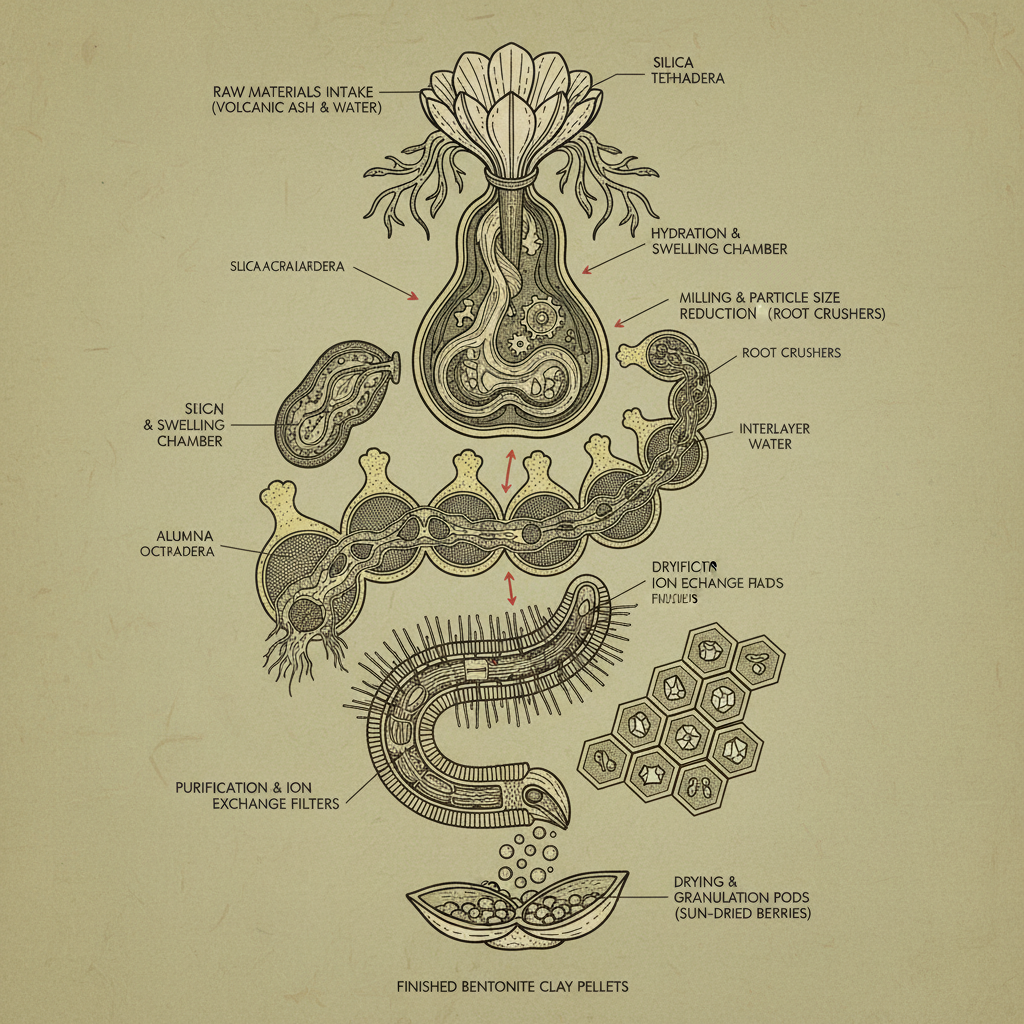
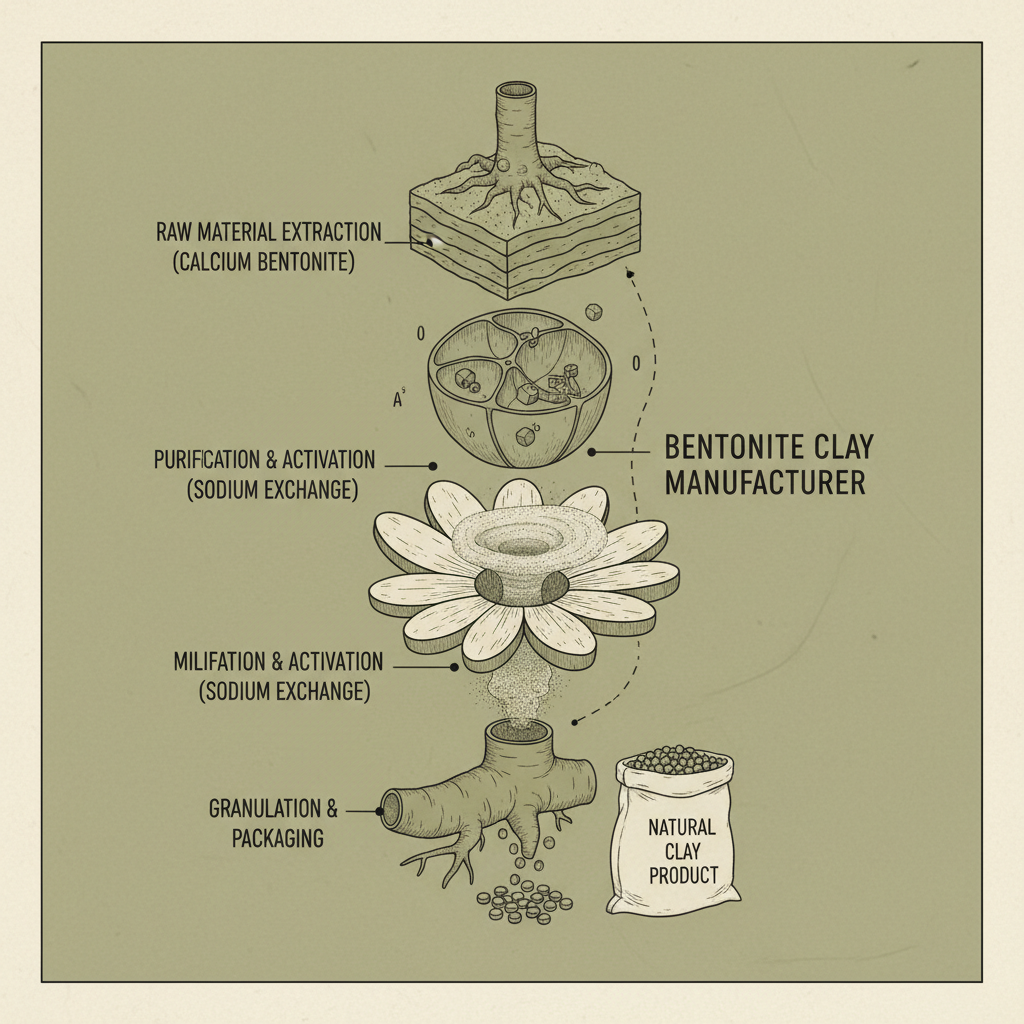
The market for bentonite clay manufacturers is booming, especially in disaster relief and temporary housing. Driven by increasing frequency of natural disasters and, frankly, a global housing crisis. We're seeing a huge demand from NGOs, governments, and even private developers looking for quick, affordable solutions. There’s a lot of competition now, which is good. Keeps us on our toes.
But it also means a lot of companies are jumping in without really understanding the complexities. They’re focusing on price, which is a race to the bottom. And then you end up with flimsy structures that don’t last. I’ve seen it happen. The Chinese manufacturers are dominating the low-end, understandably. They can produce at scale, but quality control can be… variable. Anyway, I think it's going to shake out eventually.
That depends on the quality of the materials and the build, obviously. But a well-maintained unit, using HDPE and a good aluminum frame, should easily last 5-10 years, even in coastal areas with high humidity and salt spray. We've seen some units still going strong after 12, but they require regular inspections and repairs. It's not a permanent building, but it's a lot more durable than a tent.
That's one of the biggest advantages! They're designed to be flat-packed and shipped efficiently. A 20-foot container can hold enough components to build several units. The weight is manageable, and they don't require specialized equipment for assembly. We've shipped them to some pretty inaccessible places – remote islands, mountain villages, disaster zones.
Minimal. Ideally, a level, compacted gravel pad is sufficient. But you can also use concrete piers or even wooden skids, depending on the site conditions. The key is to ensure a stable and well-drained base. We've even seen them built directly on sand dunes, though that requires extra bracing.
To a degree. You can add extensions, connect multiple units together, and even build second stories with appropriate reinforcement. But it's not as flexible as traditional construction. You need to plan ahead and consider the load-bearing capacity of the structure. Adding a lot of weight or making major structural changes can compromise its integrity.
We offer a range of insulation options, from simple foam panels to spray-in foam insulation. The choice depends on the climate and the budget. For colder climates, we recommend a thicker layer of insulation to minimize heat loss. For warmer climates, we focus on preventing heat gain. Ventilation is also crucial for controlling humidity and preventing condensation.
We’ve got a multi-stage QC process. First, we inspect all incoming materials. Then, we monitor the manufacturing process closely. Finally, we conduct rigorous testing on finished products, including load tests, wind resistance tests, and water penetration tests. We also have a team that randomly inspects units at the construction site to ensure they’re being assembled correctly.
So, there you have it. bentonite clay manufacturers aren’t a magic bullet, but they’re a valuable tool for addressing the global challenges of housing, disaster relief, and remote infrastructure. They offer speed, affordability, and portability, but they require careful planning, quality materials, and skilled assembly. It’s about finding the right balance between cost, durability, and functionality.
Ultimately, whether this thing works or not, the worker will know the moment he tightens the screw. If it feels solid, if it lines up right, if it just… feels right, then you’re on the right track. And if it doesn’t, well, you’ve got a problem to solve. That’s the business. Visit our website at www.jirunhuabang.com to learn more.