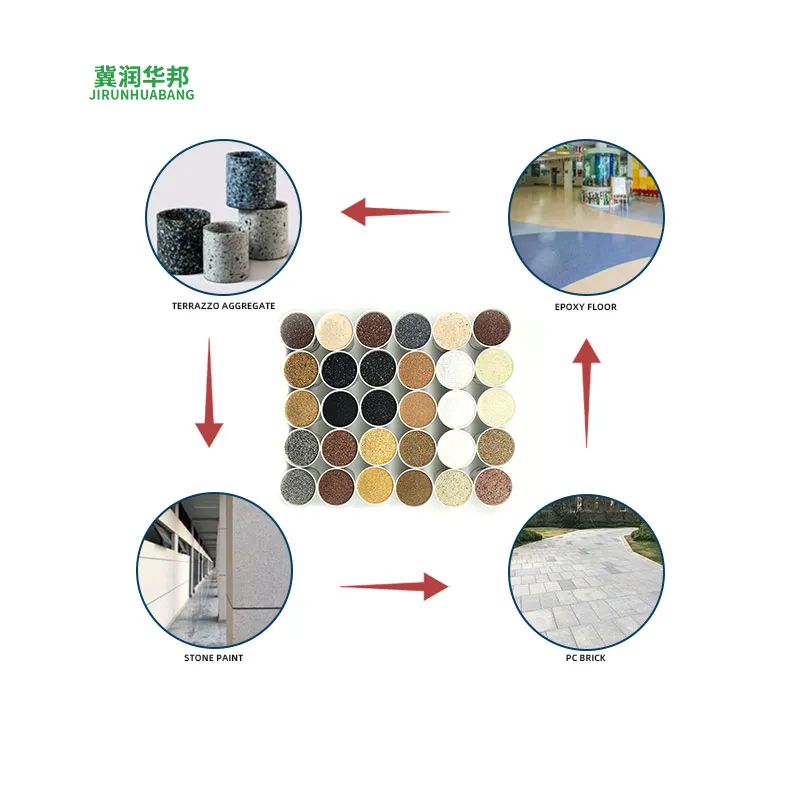
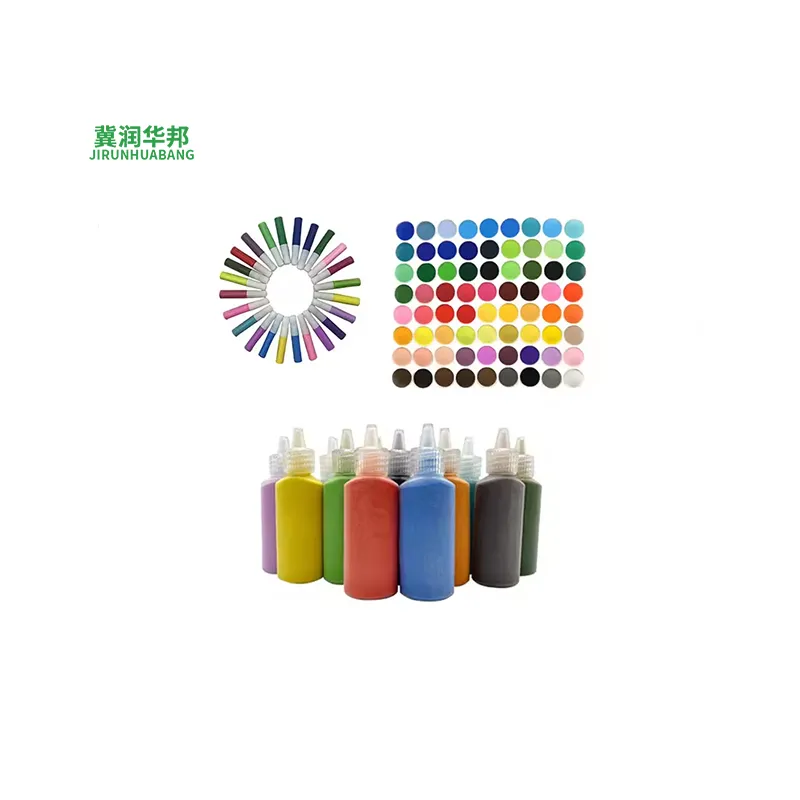
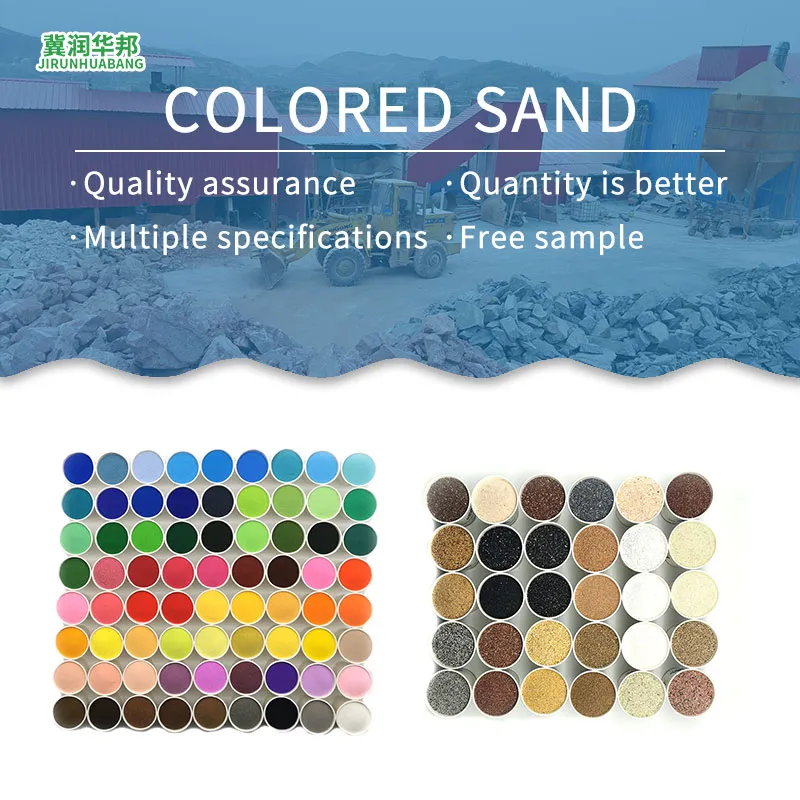
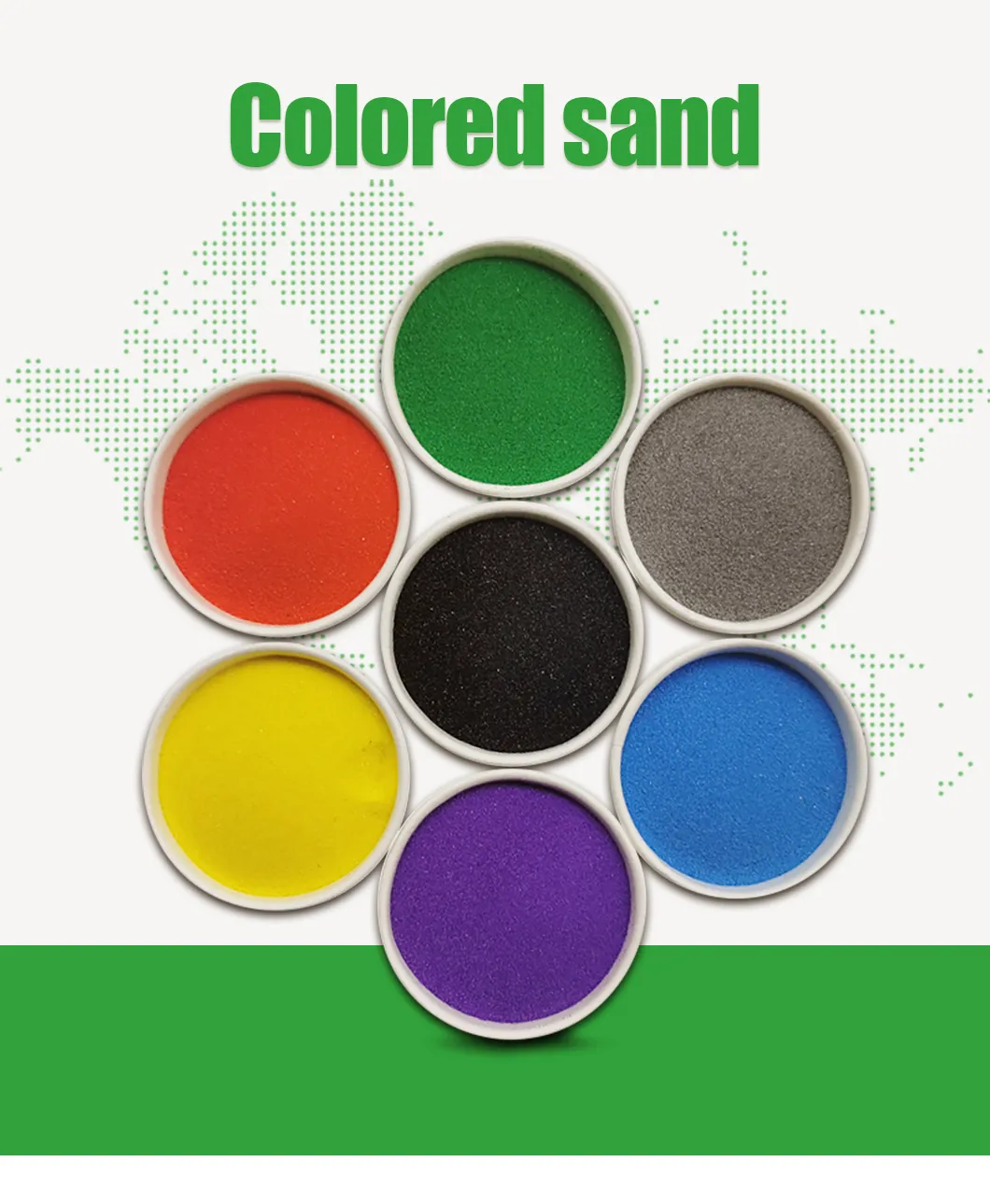
Vibrant colored sands, crafted through advanced sintering dyeing technology, are revolutionizing playgrounds and decorative spaces. These sands, available in hues like "pink sand" and earthy tones, offer a safe, non-toxic alternative to traditional playground materials. In children's sand pools, they spark creativity, encouraging sensory play and imaginative storytelling. The sintering process ensures colors remain vivid even under harsh weather conditions, resisting fading and maintaining their aesthetic appeal.
Beyond play, decorative applications shine in public art installations and garden designs. Artists use these sands to create intricate patterns, blending them into epoxy resins for durable, weather-resistant murals. The textured, matte finish adds depth to both modern and traditional aesthetics.
For playgrounds, the soft, rounded grains ensure child safety, while their bright hues stimulate visual development. Parents and designers appreciate the low-maintenance, eco-friendly appeal, as the dyeing process avoids harmful chemicals.
From whimsical sandcastles to bold architectural accents, colored sands merge innovation with artistry, enriching spaces where creativity and play thrive.

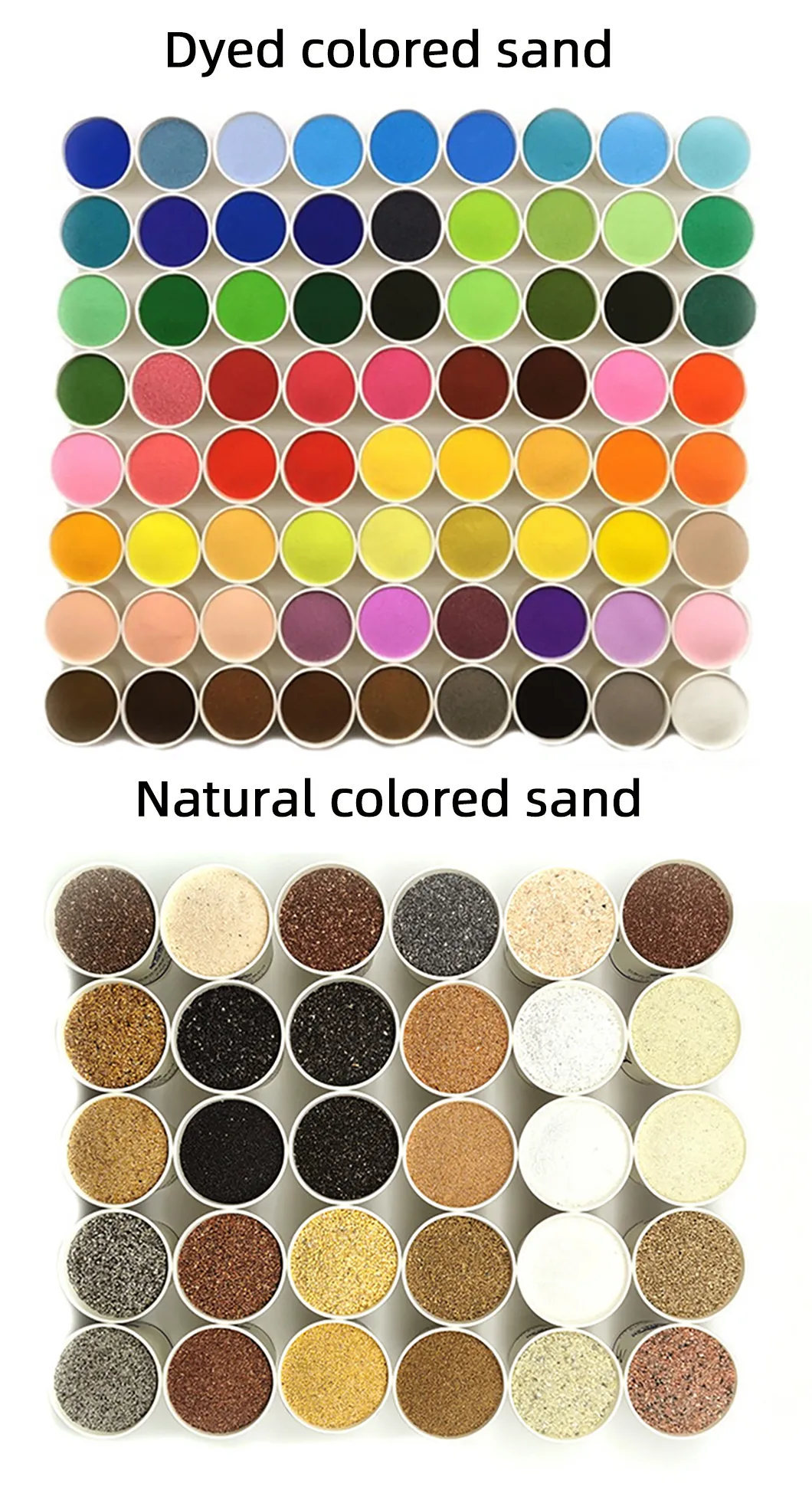
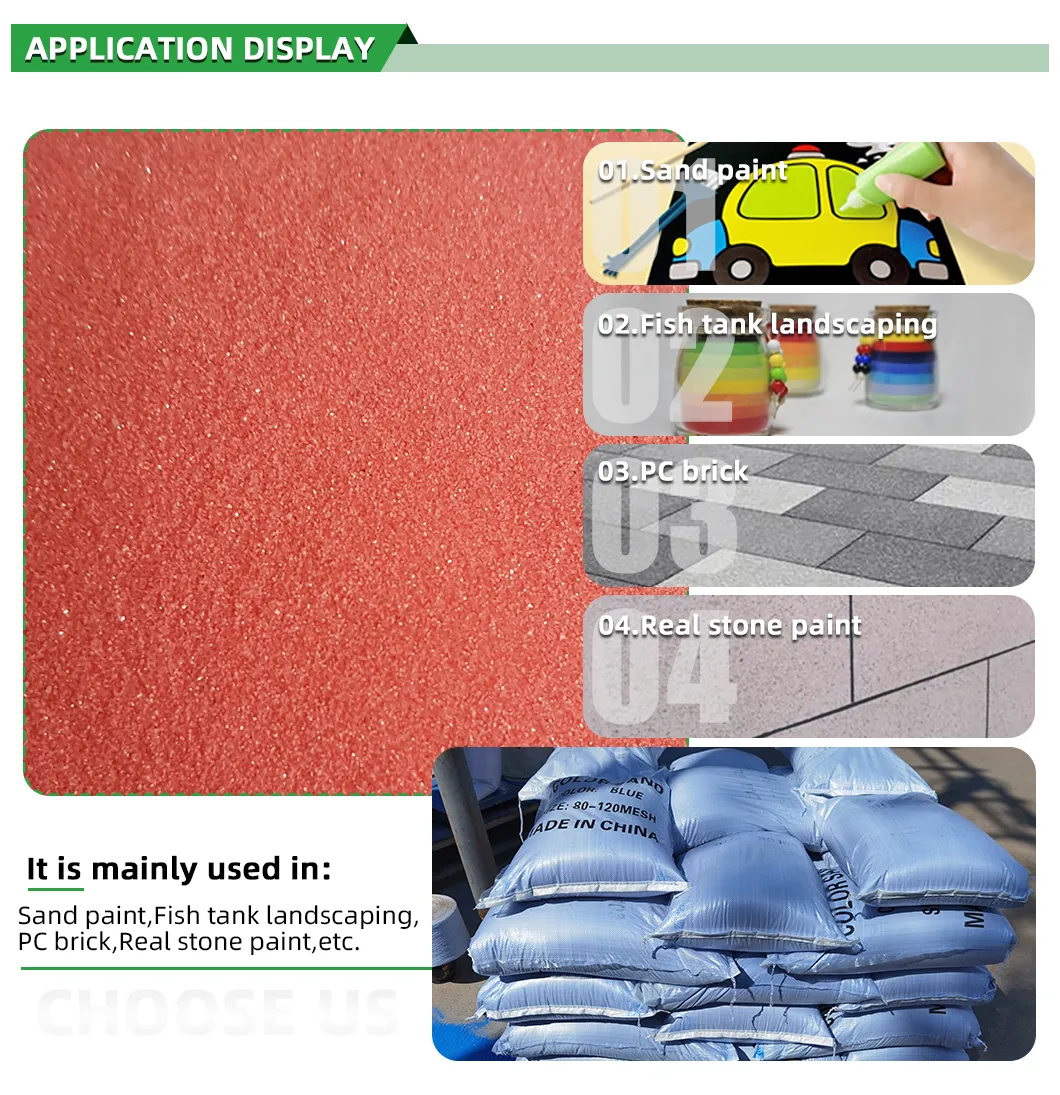

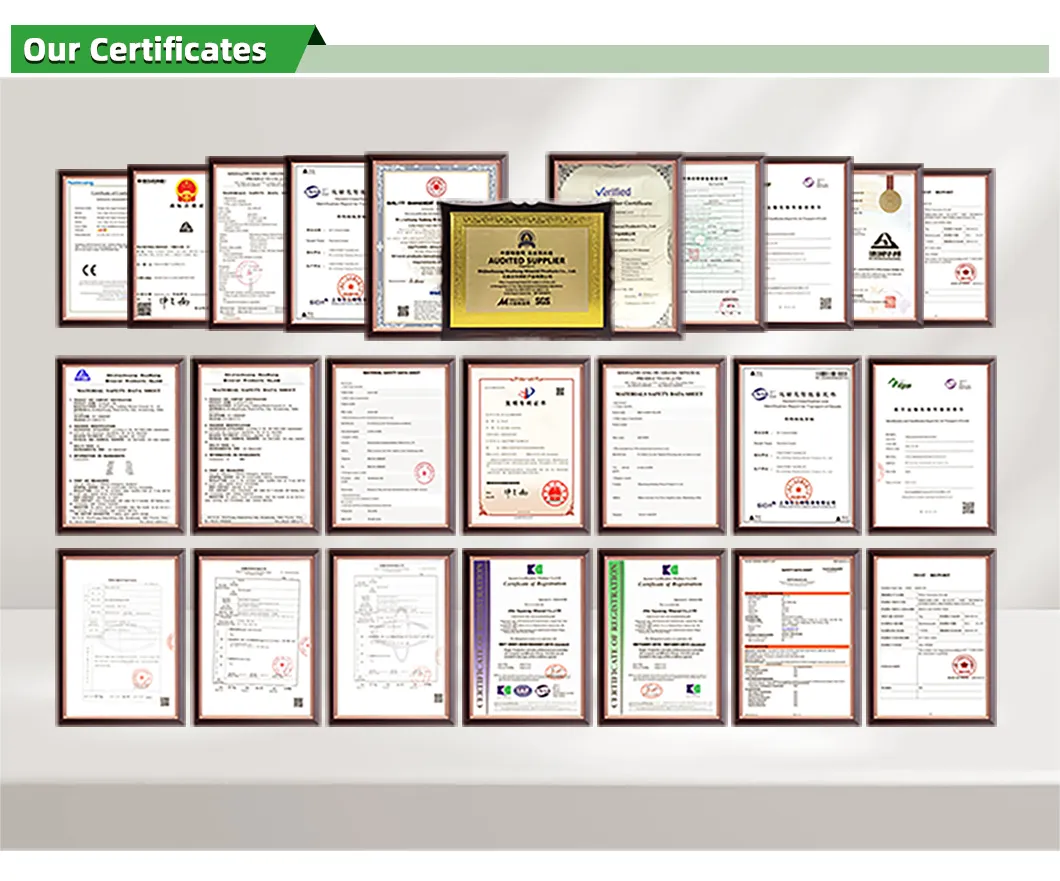


| Place of Origin |
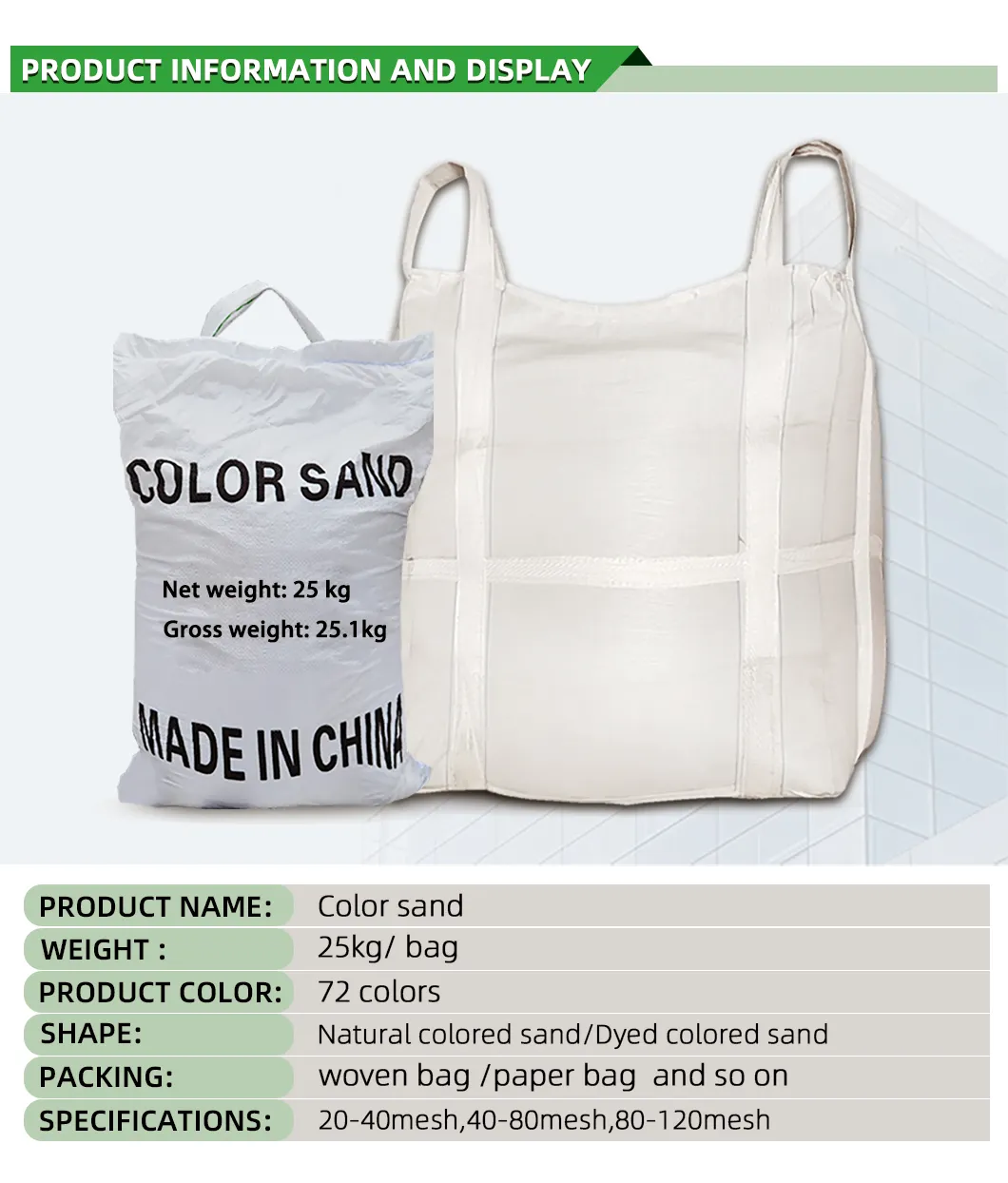
China |
| Color |
dyed color |
| Shape |
Particle |
| Purity |
95-99% |
| Grade |
Industry Grade/ Construction grade |
| Package |
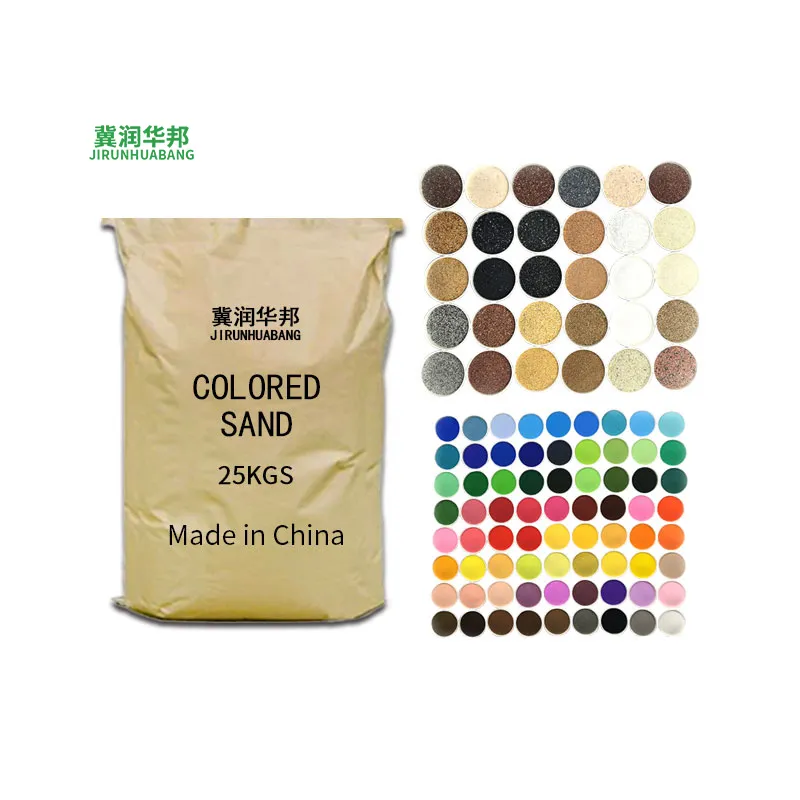
25kg/bag,customized package |
| MOQ |
1kg |
Safety is a primary concern for landscape pathways, especially in areas with frequent foot traffic, children, or elderly users. Colorful sand addresses this need through its inherent slip-resistant properties, which stem from its irregular particle shape and textured surface. Unlike smooth concrete or polished stone, which can become slippery when wet, colorful sand-based pathways have a coefficient of friction (COF) of 0.6-0.8 (measured in accordance with ASTM C1028), well above the 0.5 threshold recommended for safe pedestrian surfaces. A public park in Seattle replaced its concrete pathways with colorful sand-based pathways: after one year of use, the number of slip-and-fall incidents decreased by 65%, even during rainy seasons. The texture of colorful sand also provides tactile feedback, making it easier for visually impaired users to navigate the pathway using canes or guide dogs. Additionally, colorful sand can be mixed with reflective pigments to enhance visibility at night—adding 5-10% reflective particles to the sand creates a subtle glow under streetlights, improving pathway safety after dark without the need for expensive lighting installations.
The aesthetic versatility of colorful sand makes it easy to integrate pathways into the overall landscape design. Landscape designers can match the color of the sand to existing elements, such as flower beds, mulch, or building exteriors, to create a cohesive look. For example, a garden with pink and purple flowering shrubs might use a pathway made of pale pink and lavender colorful sand to complement the flora, while a modern backyard with black metal furniture could feature a charcoal gray colorful sand pathway for a sleek, contemporary feel. Colorful sand also allows for creative pathway designs, such as bordered edges (using a darker shade of sand to define the pathway perimeter), patterns (like herringbone or chevron), or even custom logos or designs for commercial spaces. A resort in Bali used blue and turquoise colorful sand to create pathways that mimic the nearby ocean, blending the outdoor space with the natural surroundings and enhancing the guest experience. The ability to customize colors and patterns ensures that pathways become focal points rather than just functional elements.
Durability and low maintenance are additional benefits of using colorful sand for landscape pathways. Processed colorful sand is resistant to erosion, compaction, and organic growth (such as weeds), which are common issues with traditional gravel pathways. The sand is typically mixed with a polyurethane or resin binder to form a stable, cohesive surface that prevents particle displacement—this binding process also reduces the need for frequent raking or refilling, which is required for loose gravel. A residential community in Austin, Texas, installed colorful sand pathways in its common areas: over three years, the pathways required only annual pressure washing to remove dirt and debris, compared to quarterly maintenance for the community’s previous gravel pathways. Colorful sand is also resistant to fading from UV exposure—its pigments are treated with UV stabilizers, ensuring that the pathway retains its color for 5-7 years before needing a fresh topcoat. This long lifespan reduces replacement costs and minimizes the environmental impact of frequent material disposal.
The installation process of colorful sand pathways is adaptable to various site conditions and can be completed with standard landscaping equipment. First, the pathway area is excavated to a depth of 10-15 cm, and a geotextile fabric is laid to prevent weed growth and soil mixing. Next, a base layer of compacted aggregate (such as crushed stone) is added to improve drainage and stability. The colorful sand, mixed with a binder (typically 10-15% binder by weight), is then spread evenly over the base layer and compacted using a plate compactor to ensure a smooth, firm surface. Finally, a clear topcoat of binder is applied to seal the surface and enhance durability. For curved or irregularly shaped pathways, the sand can be applied in sections using flexible edging materials to maintain the design shape. The installation time for a 100-square-meter pathway is typically 2-3 days, which is faster than concrete pathways (which require 5-7 days to cure).
When choosing colorful sand for landscape pathways, several factors should be considered to ensure optimal performance. The particle size of the sand (0.5-3 mm) affects both texture and drainage—coarser particles improve drainage, making them suitable for rainy climates, while finer particles create a smoother surface for areas with heavy foot traffic. The type of binder should be selected based on the climate: polyurethane binders are flexible and ideal for regions with freeze-thaw cycles, while resin binders offer superior durability for hot, dry climates. Additionally, the color fastness of the sand should be tested to ensure it meets local standards for outdoor materials, such as the International Organization for Standardization (ISO) 105-B02 for color fastness to light.
In summary, colorful sand has become a preferred material for landscape pathway construction due to its safety, aesthetic versatility, and low maintenance requirements. As landscape design trends shift toward sustainable, nature-integrated spaces, colorful sand allows designers to create pathways that are both functional and visually appealing, enhancing the overall quality of outdoor environments for users.