
Diatomaceous Earth Is A Versatile Natural Resource For Various Applications
Back to list
Diatomaceous Earth Is: A Comprehensive Guide
Diatomaceous earth (DE) is a naturally occurring, siliceous sedimentary rock formed from the fossilized remains of diatoms, a type of hard-shelled algae. Its versatility spans numerous industries, from filtration and pest control to absorbency and even cosmetic applications. This article delves into the properties, uses, benefits, and safety considerations of diatomaceous earth, providing a comprehensive overview for both professionals and consumers. Understanding DE allows for informed choices in its application and utilization.
What Exactly Is Diatomaceous Earth?
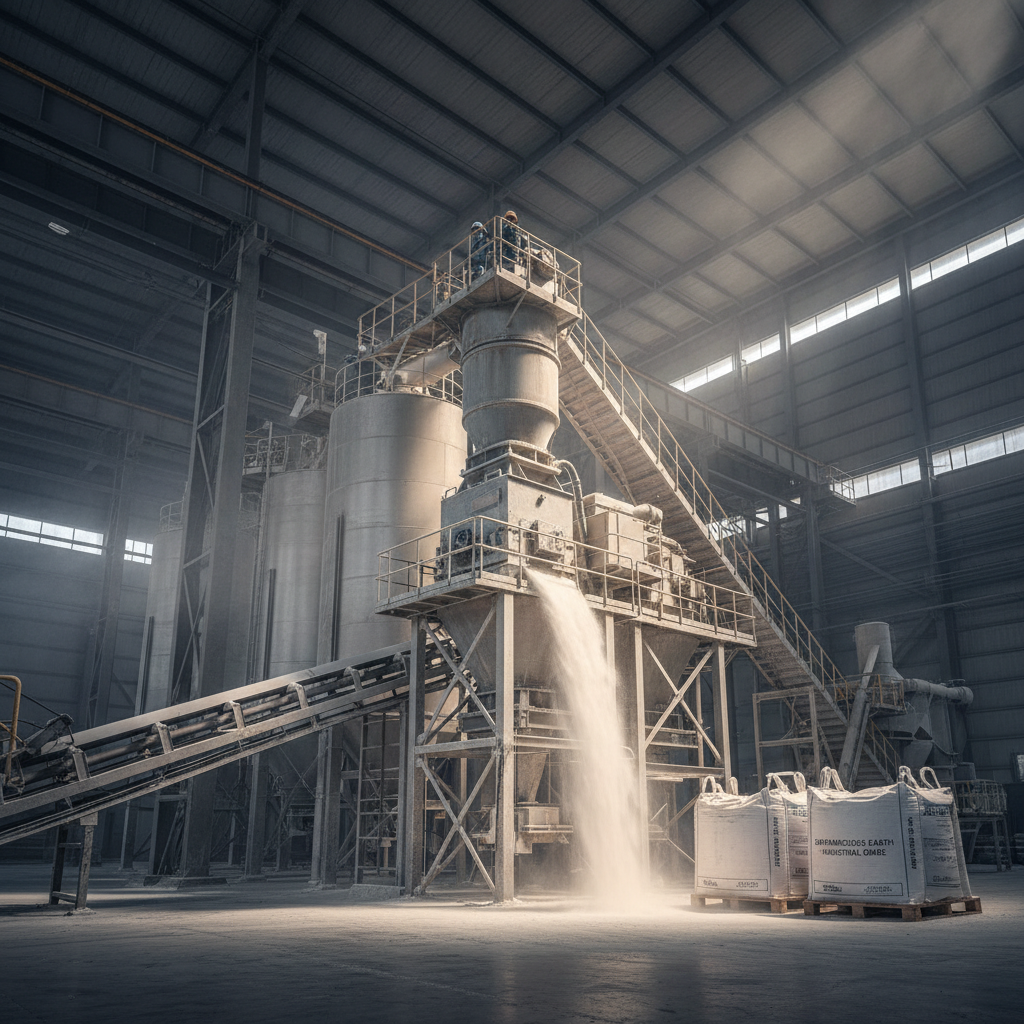
As mentioned, diatomaceous earth is composed of the fossilized skeletons of single-celled algae called diatoms. These microscopic organisms build cell walls made of silica, and over millennia, their remains accumulate in lakes and oceans. When these deposits dry, they form a soft, sedimentary rock that is then mined and processed. There are two main types of DE: food-grade and industrial-grade. Food-grade DE is rigorously tested for purity and is safe for human and animal consumption, whereas industrial-grade DE may contain impurities and is intended for non-consumptive applications. The particle size and silica content also vary between different grades.
Key Highlights: Diatomaceous earth is a naturally occurring, siliceous sedimentary rock formed from fossilized diatoms. It's available in food-grade and industrial-grade varieties, each suited for different applications.
The Versatile Applications of Diatomaceous Earth
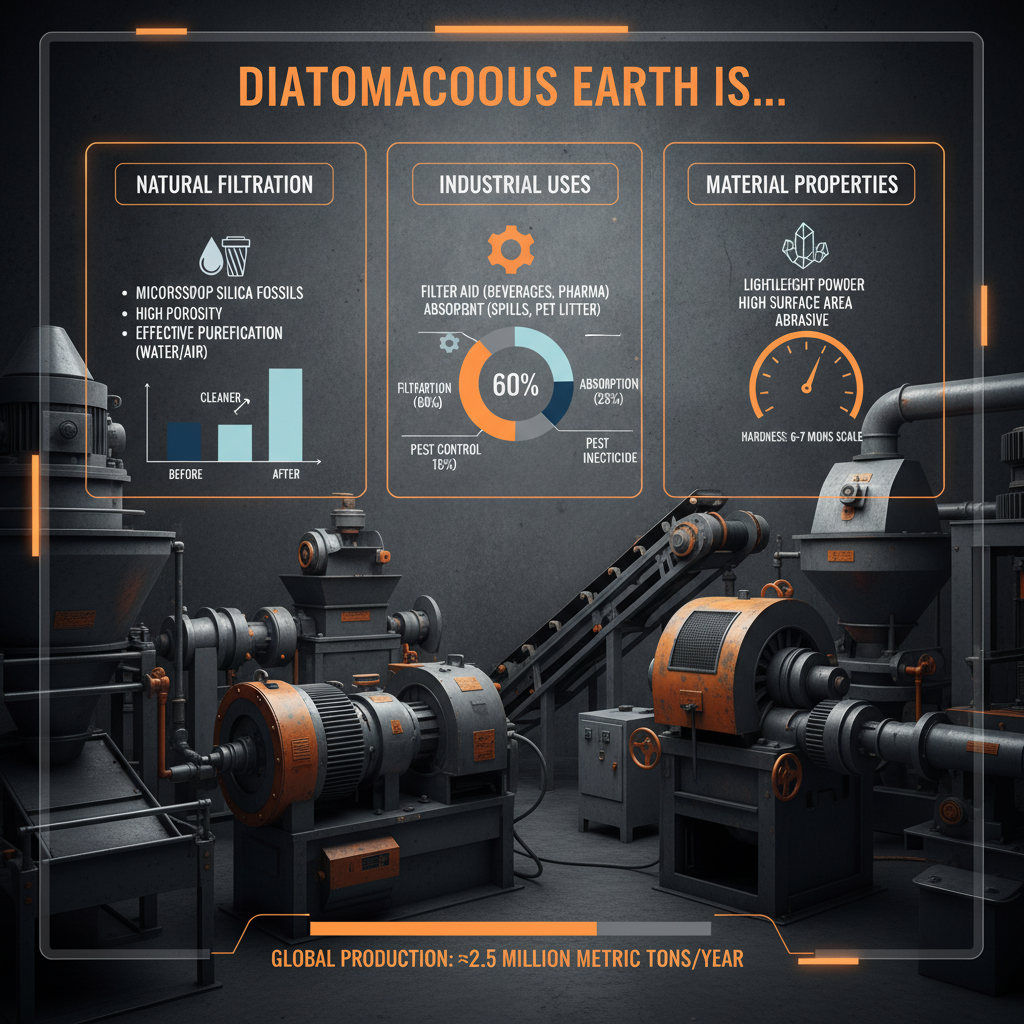
The unique properties of diatomaceous earth – its absorbency, abrasive qualities, and chemical inertness – make it incredibly versatile. It's commonly used as a filtration aid in beverages like beer and wine, clarifying liquids by removing impurities. In agriculture, DE serves as an effective insecticide, desiccating insects by damaging their exoskeletons. Pet owners often use it to control fleas and other pests on animals and in their homes. Furthermore, DE finds applications in cosmetics as an exfoliant and absorbent, and even in industrial settings for cleaning and polishing.
Application Benefits:
• Filtration of liquids
• Natural insecticide
• Pest control for pets
• Cosmetic exfoliant
Food-Grade vs. Industrial-Grade Diatomaceous Earth: A Detailed Comparison
Choosing the right type of diatomaceous earth is critical, depending on the intended use. Food-grade DE undergoes stringent testing to ensure it meets purity standards set by organizations like the Food and Drug Administration (FDA). It typically contains over 90% silica and minimal levels of crystalline silica, which is a potential health hazard. Industrial-grade DE, while effective for applications like filtration and absorbency in non-food environments, may contain higher levels of crystalline silica and other impurities. Using industrial-grade DE for consumable applications is strongly discouraged.
Safety Considerations When Using Diatomaceous Earth
While food-grade diatomaceous earth is generally considered safe, it's crucial to take precautions. Inhalation of DE dust can irritate the lungs, so wearing a dust mask during handling is recommended. Avoid getting DE in your eyes. While not highly toxic, prolonged exposure to crystalline silica, even in low concentrations, can pose a respiratory hazard. Always choose a reputable supplier and ensure the product is labeled appropriately. Always follow the product's instructions and safety guidelines. Jirun Huabang provides high-quality diatomaceous earth products with detailed safety data sheets.
Selecting the Right Diatomaceous Earth for Your Needs
When selecting diatomaceous earth, consider the intended application. For human or animal consumption, always opt for food-grade DE. Evaluate the particle size; finer particles are more effective for pest control, while coarser particles are better for filtration. Ensure the supplier provides a certificate of analysis, verifying the product's purity and silica content. Reliable suppliers like Jirun Huabang offer a range of DE grades to meet diverse requirements. Understanding your specific needs and choosing the appropriate grade will maximize the benefits and ensure safe usage.
Conclusion: Harnessing the Power of Diatomaceous Earth
Diatomaceous earth is a remarkably versatile and beneficial natural resource. From its filtering capabilities to its effectiveness as a natural pest control agent, DE offers a sustainable and often safer alternative to conventional products. By understanding the different grades and safety considerations, you can confidently harness the power of diatomaceous earth for a wide range of applications.
Frequently Asked Questions (FAQs)
Is diatomaceous earth harmful to humans?
Food-grade diatomaceous earth is generally considered safe for human consumption and external use. However, inhaling the dust can cause respiratory irritation, so wearing a dust mask during handling is advisable. It's crucial to use only food-grade DE for internal applications and avoid prolonged exposure to the dust. While beneficial, it's not a magic bullet and should be used responsibly as part of a balanced approach to health and pest control. Individuals with pre-existing respiratory conditions should exercise extra caution and consult with a healthcare professional before using DE.
Can diatomaceous earth be used in my garden?
Yes, diatomaceous earth is a popular natural pest control solution for gardens. It effectively controls slugs, snails, aphids, and other insects by dehydrating their exoskeletons. Apply a thin layer around plants, but reapply after rain, as the effectiveness diminishes when wet. It's important to use food-grade DE for garden applications to avoid introducing harmful chemicals into the soil. Avoid applying directly to flowers, as it can harm beneficial pollinators.
How does diatomaceous earth work as a pest control?
Diatomaceous earth isn't a poison; it's a desiccant. Its microscopic, sharp edges damage the protective outer layer of insects, causing them to dry out and die. This process is relatively slow but effective against a wide range of pests. It’s particularly effective against insects that don't have strong exoskeletons. Remember to apply a fresh layer periodically as it loses its effectiveness when wet.
Where can I purchase high-quality diatomaceous earth?
You can purchase diatomaceous earth from various sources, including garden centers, health food stores, and online retailers. Jirun Huabang offers a wide selection of food-grade and industrial-grade diatomaceous earth, ensuring quality and purity. Always check the product label to confirm it's the appropriate grade for your intended use.