
Bentonite powder reinforcing filler boosting tensile strength tear resistance aging resistance dimensional stability processing flow for natural synthetic rubber products
Back to list
Mar . 07, 2026 16:23
Bentonite powder is a naturally occurring clay mineral shaped by long-term geological alteration of volcanic ash and silicate rock deposits, featuring a unique layered crystalline structure that grants it a host of exceptional physical and chemical properties, making it a highly valuable functional reinforcing filler in the global rubber industry. This fine, soft, smooth powdery substance boasts strong water absorption, remarkable swelling capacity, excellent chemical inertness, uniform dispersibility, low abrasiveness and strong interfacial compatibility with rubber matrices, all of which establish it as an indispensable raw material in modern rubber product manufacturing. Bentonite powder fulfills multiple critical roles in rubber processing and final product performance, acting as a reinforcing agent, processing aid, dimensional stabilizer and anti-aging modifier, covering every stage from rubber compound mixing, calendering, extrusion and molding to vulcanization and long-term service, directly impacting the mechanical performance, durability, processability and production efficiency of diverse natural and synthetic rubber products.
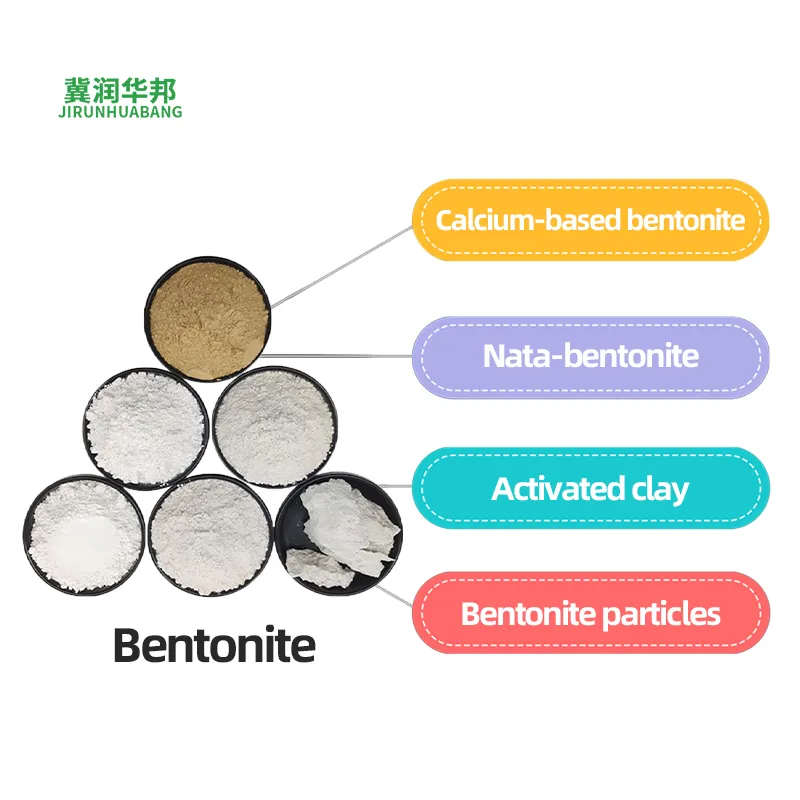
In the global rubber industry, bentonite powder is extensively applied across a wide range of rubber formulations, adapting seamlessly to both natural rubber and various synthetic rubber systems with outstanding versatility, addressing key performance and processing challenges that rubber manufacturers face daily. Rubber compounds in their raw state lack sufficient mechanical strength and wear resistance for practical industrial use, requiring the addition of functional fillers to enhance overall performance, and bentonite powder emerges as a cost-effective and high-performance filler choice. When incorporated into rubber compounds, bentonite powder disperses uniformly throughout the rubber matrix, forming tight interfacial bonds with rubber macromolecules, which effectively transfers stress between rubber chains and enhances the structural integrity of the entire rubber compound, eliminating the common issues of poor strength and easy deformation of unfilled rubber materials.
The reinforcing effect of bentonite powder is one of its most prominent advantages in rubber applications, significantly elevating the core mechanical properties of rubber products to meet industrial service requirements. Tensile strength of rubber compounds is visibly improved with the addition of bentonite powder, enabling rubber products to withstand greater stretching and pulling forces without rupture, a vital attribute for rubber items subjected to frequent dynamic stress. Tear resistance of rubber materials is also greatly enhanced, preventing cracks from propagating under sharp impact, bending and friction, which drastically reduces the risk of premature failure in rubber components. Bentonite powder also boosts the hardness and resilience of rubber products, striking a balance between rigidity and flexibility that ensures rubber items maintain their shape under load while retaining the elasticity inherent to rubber materials, making it suitable for heavy-duty rubber applications across industrial and commercial sectors.
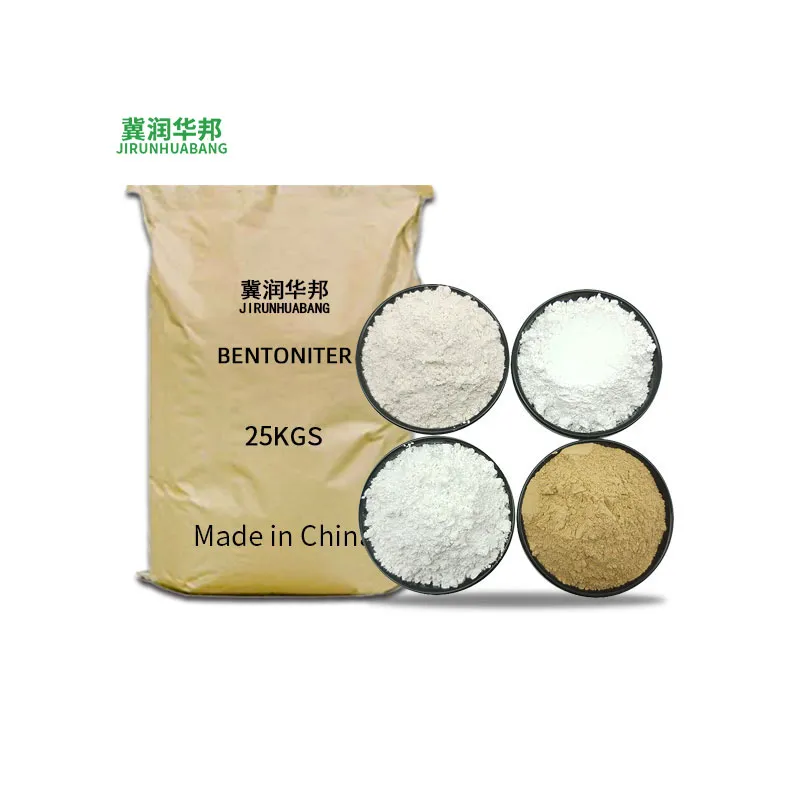
Bentonite powder plays a pivotal role in optimizing the processing performance of rubber compounds, streamlining production workflows and improving the efficiency of rubber manufacturing lines. Rubber processing involves complex procedures including mixing, milling, extrusion, molding and vulcanization, and bentonite powder acts as an effective processing aid that improves the flowability and moldability of rubber compounds. It reduces the viscosity of rubber mixes during processing, making them easier to feed into extruders and molds, minimizing the occurrence of agglomeration and uneven mixing that can lead to product defects. The low abrasiveness of bentonite powder also lessens wear and tear on processing equipment such as mixers, calenders and molds, extending the service life of machinery and reducing maintenance costs for rubber manufacturers. Additionally, bentonite powder promotes uniform dispersion of other rubber additives such as vulcanizing agents, accelerators and plasticizers, ensuring consistent cross-linking and performance across every batch of rubber products.
Uniform dispersion of bentonite powder within rubber matrices is critical to unlocking its full performance potential, and its natural dispersibility makes it easy to integrate into standard rubber processing operations. Unlike some fillers that tend to clump and require high-energy mixing equipment, bentonite powder disperses smoothly with conventional rubber mixing processes, forming a homogeneous mixture that avoids localized weak spots in the final rubber product. This uniform dispersion ensures that the reinforcing, anti-aging and stabilizing effects of bentonite powder are distributed evenly throughout the rubber item, guaranteeing consistent performance in every section of the product. Whether for large-scale industrial rubber goods or small precision rubber components, the easy dispersibility of bentonite powder simplifies production and ensures stable product quality, making it a favorite among rubber formulators and production engineers.
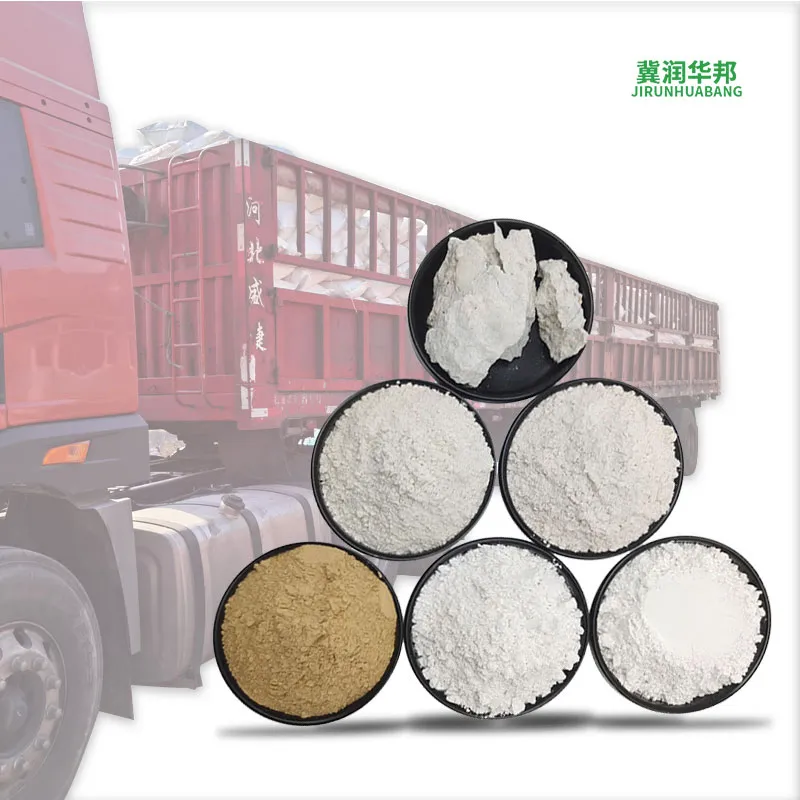
Bentonite powder significantly enhances the aging resistance of rubber products, extending their service life and maintaining performance stability under harsh environmental conditions. Rubber materials are prone to degradation, hardening, cracking and loss of elasticity when exposed to heat, oxygen, ultraviolet radiation and chemical corrosion over time, which shortens their usable life and limits application scenarios. Bentonite powder forms a protective barrier within the rubber matrix, blocking the penetration of harmful external factors and slowing down the oxidation and degradation of rubber macromolecules. Its stable chemical structure remains unaffected by temperature fluctuations and mild chemical exposure, preserving the mechanical properties and elasticity of rubber products even after prolonged use in challenging environments. This anti-aging effect of bentonite powder is particularly valuable for rubber products used in outdoor industrial settings, machinery applications and long-term service scenarios.
Dimensional stability of rubber products is greatly improved by the incorporation of bentonite powder, addressing common issues of shrinkage, warping and deformation during and after processing. Rubber compounds often undergo significant dimensional changes during vulcanization, cooling and post-processing, which can lead to poor fitting and performance failure of rubber components. Bentonite powder acts as a stable internal skeleton within the rubber matrix, restricting excessive expansion and contraction of rubber macromolecules during temperature changes and vulcanization, ensuring that rubber products retain their designed shape and size with high precision. This enhanced dimensional stability is crucial for rubber seals, gaskets, profiles and molded components that require tight tolerances and accurate fitting with other parts, reducing scrap rates and improving the overall quality of finished rubber goods.
Wear resistance and abrasion resistance of rubber products are notably elevated with the addition of bentonite powder, making rubber items more durable under frequent friction and mechanical stress. Many rubber products such as conveyor belts, rubber pads, sealing strips and industrial linings are subjected to continuous friction and wear during service, which can cause surface damage, thinning and performance loss. Bentonite powder reinforces the surface and internal structure of rubber products, increasing their resistance to abrasion and reducing material loss due to friction. The fine particle structure of bentonite powder also creates a smoother surface on finished rubber products, lowering friction coefficients and further minimizing wear during operation. This improvement in wear resistance directly extends the service life of rubber products, reduces replacement frequency and lowers operational costs for end-users in various industries.
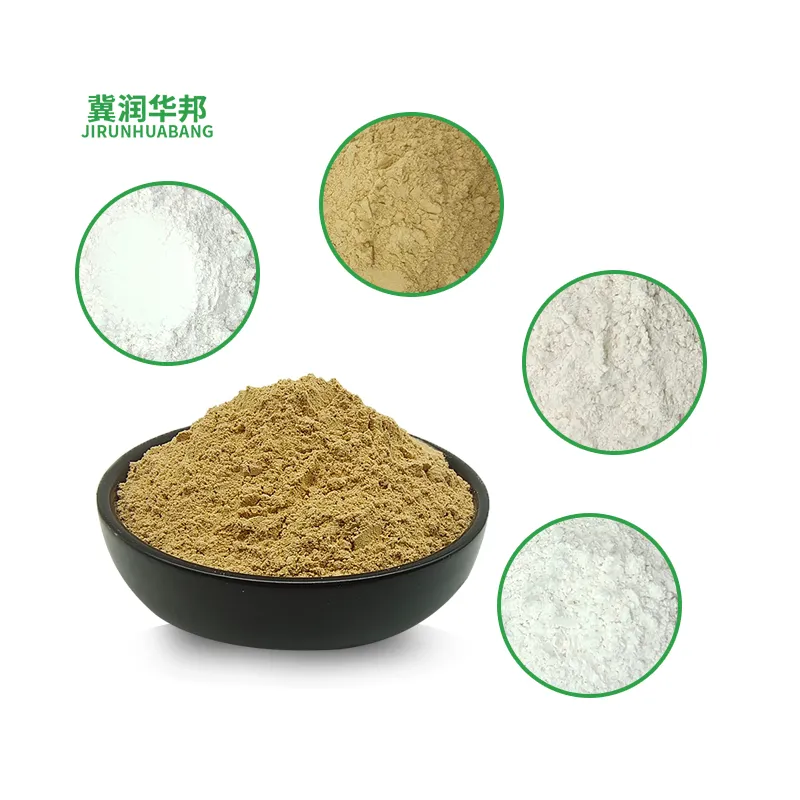
Bentonite powder exhibits excellent compatibility with a wide range of rubber polymers, expanding its application scope across the entire rubber industry and making it suitable for diverse rubber product categories. It blends seamlessly with natural rubber, styrene-butadiene rubber, nitrile rubber, ethylene propylene rubber, butyl rubber and other commonly used synthetic rubbers, forming stable and homogeneous compounds without phase separation or interfacial defects. This broad compatibility allows rubber manufacturers to use bentonite powder in various formulations, from general-purpose rubber goods to specialized industrial rubber products, without worrying about compatibility issues. Whether for flexible rubber hoses, rigid rubber mats, shock-absorbing rubber mounts or chemical-resistant rubber liners, bentonite powder adapts to different rubber matrices and delivers consistent performance enhancements, solidifying its position as a universal functional filler in the rubber industry.
In the production of rubber sealing products, including gaskets, o-rings, sealing strips and washers, bentonite powder plays a vital role in improving sealing performance, compression resistance and long-term durability. Sealing products require excellent elasticity, resilience and resistance to compression set to maintain effective sealing under pressure and temperature changes, and bentonite powder enhances these key properties to prevent leakage and failure. It reduces compression set of rubber seals, ensuring that seals retain their shape and sealing ability even after prolonged compression, which is critical for sealing applications in machinery, pipelines, automotive systems and industrial equipment. Bentonite powder also improves the oil resistance and chemical resistance of rubber seals, expanding their use in environments with exposure to lubricants, fuels and mild chemicals, making sealed systems more reliable and long-lasting.
For rubber industrial products such as conveyor belts, rubber sheets, shock absorption pads and mechanical rubber parts, bentonite powder provides the necessary strength and durability to withstand heavy loads, dynamic stress and harsh working conditions. Conveyor belt rubber layers reinforced with bentonite powder feature higher tensile strength and wear resistance, enabling them to handle heavy material transportation without tearing or wearing out quickly. Shock absorption rubber mounts enhanced with bentonite powder offer improved cushioning and resilience, effectively reducing vibration and noise in machinery and equipment, protecting core components from damage. Rubber sheets and industrial linings with bentonite powder exhibit better tear resistance and chemical stability, serving as reliable protective layers for industrial surfaces and equipment, demonstrating the versatile performance benefits of bentonite powder in heavy-duty rubber applications.
Bentonite powder also contributes to optimizing the vulcanization process of rubber compounds, improving vulcanization efficiency and ensuring uniform cross-linking of rubber macromolecules. Vulcanization is a critical step in rubber manufacturing that determines the final performance of rubber products, and bentonite powder acts as a mild vulcanization aid that promotes consistent cross-linking throughout the rubber matrix. It helps regulate the vulcanization rate, preventing over-vulcanization or under-vulcanization that can lead to brittle or soft rubber products with poor performance. The uniform dispersion of bentonite powder ensures that vulcanization occurs evenly across the entire rubber compound, eliminating localized hard or soft spots and creating a homogeneous, high-performance rubber product. This optimization of the vulcanization process reduces production time, improves energy efficiency and enhances the overall quality of rubber goods.
Different grades of bentonite powder are specially processed to meet the diverse needs of the rubber industry, with each grade formulated to deliver targeted performance for specific rubber applications. Sodium bentonite powder, with high swelling capacity and strong interfacial bonding with rubber, is ideal for high-performance rubber compounds requiring maximum reinforcement and aging resistance, suitable for heavy-duty industrial rubber products. Calcium bentonite powder, with moderate dispersibility and cost efficiency, is perfect for general-purpose rubber goods, providing reliable performance enhancements at a lower cost. Surface-modified bentonite powder, treated to improve compatibility with non-polar synthetic rubbers, is designed for specialized synthetic rubber formulations, ensuring optimal dispersion and reinforcing effects in challenging rubber matrices. Each grade is processed to precise particle size and purity standards to ensure optimal performance in targeted rubber applications.
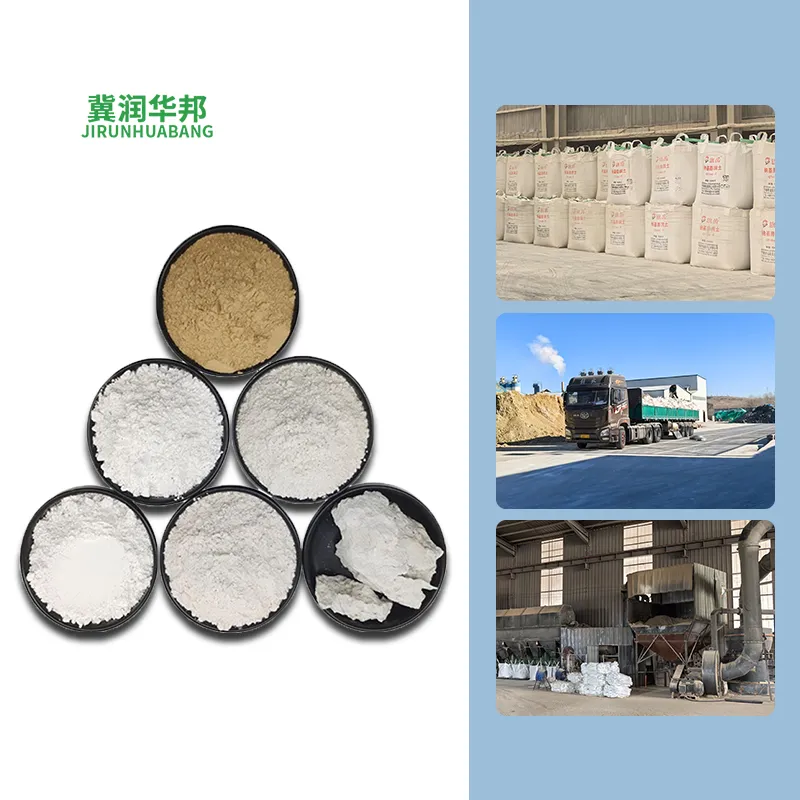
Strict processing and quality control standards are applied to bentonite powder for rubber industry applications, ensuring it meets the stringent requirements of rubber compounding and final product performance. Raw bentonite ore is sourced from high-quality mineral deposits, then crushed, ground into ultra-fine powder and purified through multiple processes to remove impurities such as quartz, gravel, organic matter and unprocessed clay particles, which can cause defects, poor dispersion and reduced performance in rubber products. The particle size of bentonite powder is precisely controlled, as finer particles ensure better dispersion, larger interfacial contact area with rubber macromolecules and stronger reinforcing effects. Finished bentonite powder undergoes comprehensive testing for dispersibility, chemical inertness, moisture content and particle uniformity, with only batches meeting rubber-grade quality specifications approved for industrial use.
Proper handling and storage of bentonite powder are essential to preserve its functional properties in rubber manufacturing, as moisture absorption, agglomeration and contamination can compromise its dispersibility and reinforcing performance. Bentonite powder should be stored in dry, well-ventilated, dust-proof warehouse facilities, sealed in moisture-proof and airtight packaging to prevent exposure to humidity, rainwater and airborne contaminants. Excessive moisture absorption causes bentonite powder to clump, reducing its dispersibility in rubber compounds and weakening its reinforcing and stabilizing effects. During transportation, bentonite powder must be protected from packaging damage, physical crushing and moisture intrusion, ensuring the powder remains free-flowing and pure until it is used in rubber mixing. Rubber manufacturers typically store bentonite powder in dedicated controlled areas near production lines to maintain quality and facilitate convenient handling.
Share