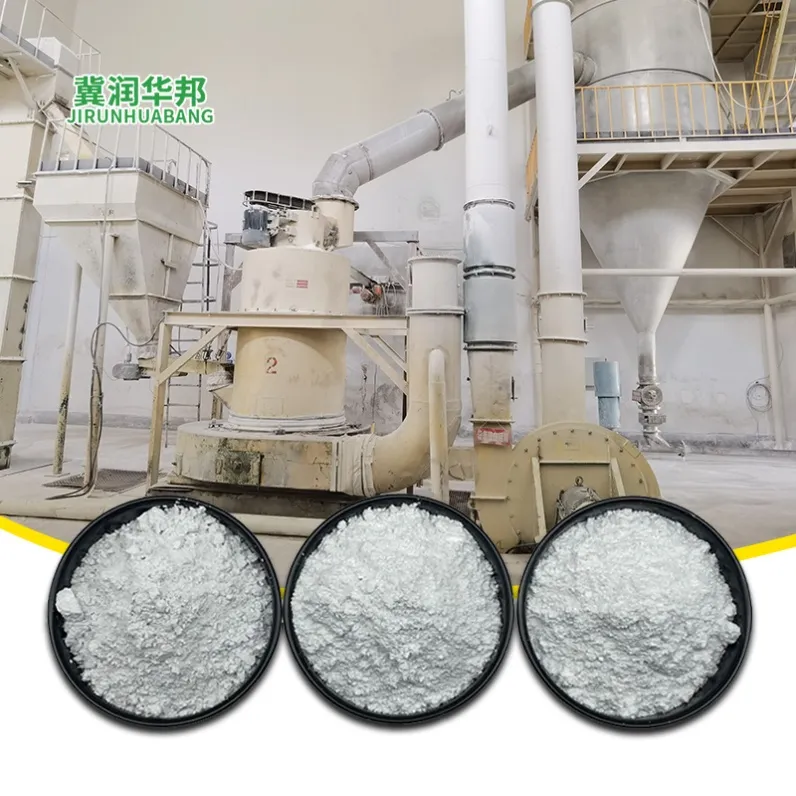
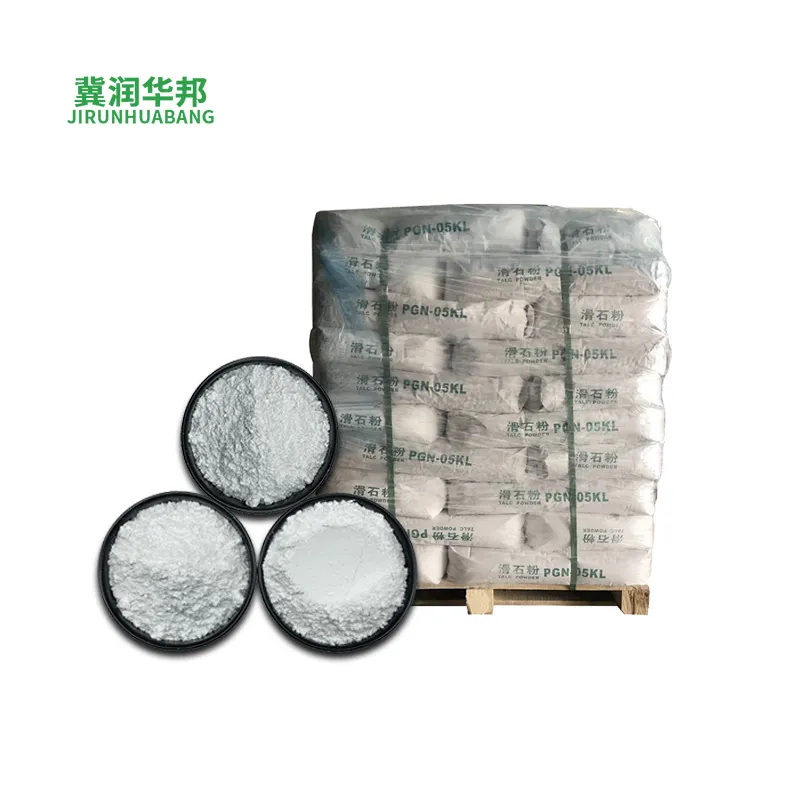
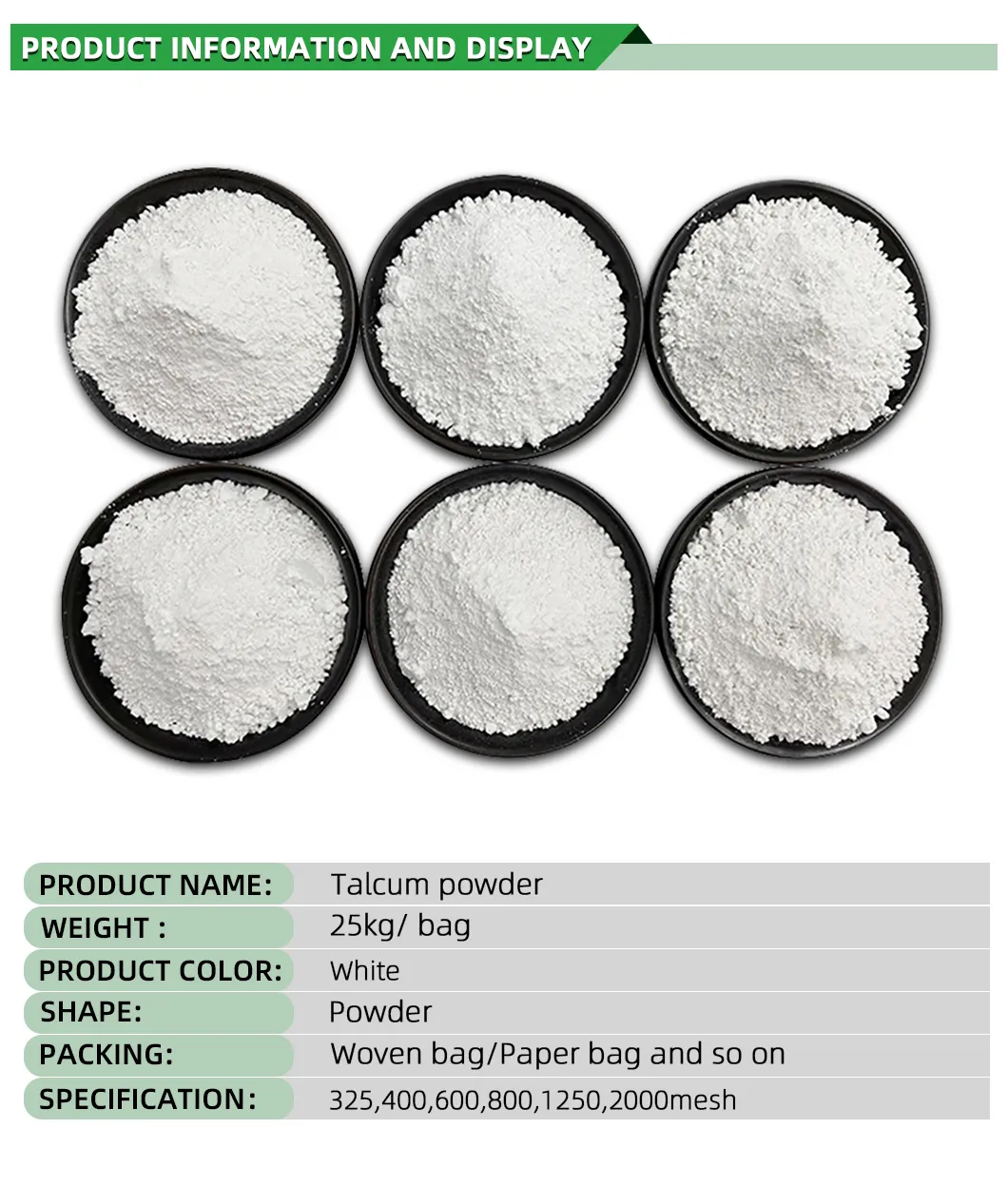
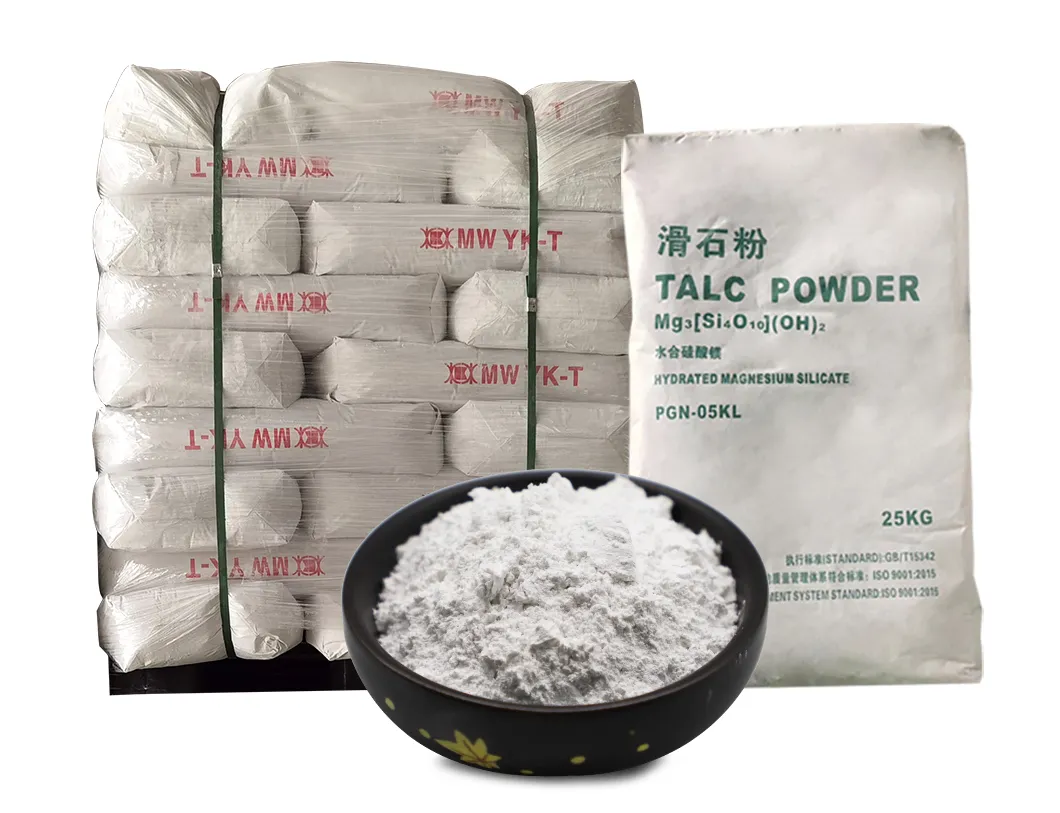
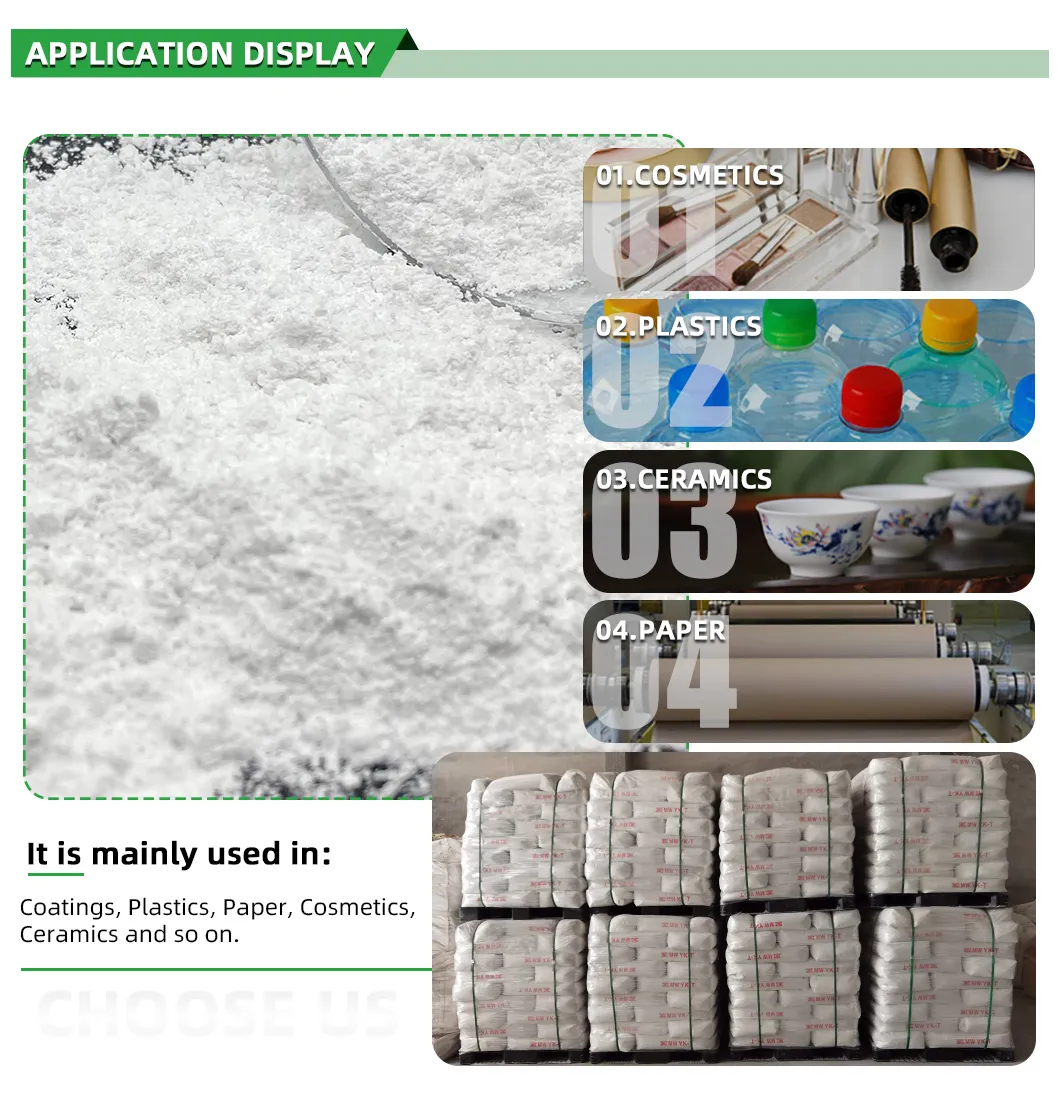
Talc powder, a naturally occurring mineral composed primarily of hydrated magnesium silicate, has become an indispensable additive in the manufacturing of PVC pipes, revolutionizing the industry with its multifaceted benefits. Its unique physical and chemical properties make it an ideal choice for enhancing the performance, durability, and processing characteristics of PVC pipes, ensuring they meet the stringent demands of various applications.
The fine and uniform particle size of talc powder is a defining characteristic that sets it apart as a superior additive for PVC pipe production. With particle sizes typically ranging from 1 to 100 micrometers, talc powder seamlessly integrates with PVC raw materials during the compounding process. This homogeneous dispersion is crucial for achieving consistent product quality, as it ensures that the beneficial properties of talc powder are evenly distributed throughout the PVC matrix.
When incorporated into PVC mixtures, talc powder acts as a filler, occupying the interstitial spaces within the material matrix. By filling these tiny gaps, talc powder creates a more compact and dense structure, significantly enhancing the overall rigidity of PVC pipes. This increased rigidity is particularly important for pipes used in underground installations or wall-mounted applications, where they are subjected to external pressures and mechanical stresses. Rigid PVC pipes reinforced with talc powder can withstand the weight of soil, rocks, and other overlying materials without deforming or collapsing, ensuring the integrity of the piping system.
One of the most significant challenges in PVC pipe manufacturing is addressing the material's vulnerability to high temperatures. PVC is a thermoplastic polymer that exhibits a relatively low glass transition temperature, making it susceptible to softening and deformation when exposed to elevated temperatures. This limitation can severely impact the performance and lifespan of PVC pipes, especially in applications where they are exposed to direct sunlight, hot fluids, or high ambient temperatures.
Talc powder, however, offers a viable solution to this problem. Due to its stable physical properties and high thermal conductivity, talc powder effectively dissipates heat from the PVC matrix, reducing the risk of thermal degradation. When added to PVC pipes, talc powder forms a protective barrier that shields the polymer from heat-induced damage, preventing softening, warping, and cracking. This enhanced heat resistance allows PVC pipes to maintain their structural integrity and dimensional stability even under extreme temperature conditions, ensuring reliable performance over an extended period.
In addition to its heat-dissipating properties, talc powder also improves the flame retardancy of PVC pipes. When exposed to fire, talc powder decomposes, releasing water vapor and other non-combustible gases that dilute the oxygen concentration around the flame, effectively suppressing combustion. This flame-retardant effect is particularly important for PVC pipes used in building applications, where fire safety is a top priority.
The extrusion process is a critical stage in PVC pipe manufacturing, where the PVC mixture is transformed into a continuous pipe shape by forcing it through a die. During extrusion, the PVC mixture must flow smoothly and uniformly through the extrusion equipment to ensure consistent wall thickness and dimensional accuracy. However, the high viscosity of PVC and the friction between its particles can impede the flow of the mixture, leading to processing difficulties and quality issues.
Talc powder plays a crucial role in overcoming these challenges by acting as a lubricant and reducing the friction between PVC particles. Its lamellar structure allows talc powder particles to slide over each other, creating a slippery surface that facilitates the flow of the PVC mixture. This reduction in friction not only improves the processing fluidity of the PVC mixture but also reduces the energy consumption required for extrusion, making the manufacturing process more efficient and cost-effective.
Moreover, talc powder helps to prevent the formation of surface defects such as sharkskin, melt fracture, and die drool, which can occur due to poor flow characteristics of the PVC mixture. By improving the flow behavior of the PVC mixture, talc powder ensures that the extruded pipes have a smooth and uniform surface finish, enhancing their aesthetic appeal and performance.
PVC pipes are often subjected to various environmental factors, including temperature fluctuations, mechanical impacts, and chemical exposure, which can cause them to deform over time. This deformation can lead to leaks, cracks, and other structural failures, compromising the integrity of the piping system and posing a risk to public health and safety.
Talc powder significantly enhances the resistance of PVC pipes to deformation by reinforcing the polymer matrix and improving its mechanical properties. The fine particles of talc powder act as reinforcing agents, distributing stress evenly throughout the PVC matrix and preventing the formation of cracks and fractures. This enhanced deformation resistance allows PVC pipes to withstand the rigors of harsh environmental conditions without losing their shape or functionality, ensuring long-term reliability and durability.
In addition to its reinforcing effect, talc powder also improves the impact resistance of PVC pipes. When a PVC pipe is subjected to an impact, the talc powder particles absorb and dissipate the energy of the impact, reducing the likelihood of cracking or breaking. This enhanced impact resistance is particularly important for PVC pipes used in underground installations, where they are more susceptible to damage from excavation, ground movement, and other external forces.
In conclusion, talc powder is a versatile and essential additive in PVC pipe production, offering a wide range of benefits that enhance the performance, durability, and processing characteristics of PVC pipes. Its fine and uniform particle size, stable physical properties, and lubricating effect make it an ideal choice for improving the rigidity, heat resistance, processing fluidity, and deformation resistance of PVC pipes, ensuring they meet the demanding requirements of various applications. As the demand for high-quality PVC pipes continues to grow, the role of talc powder in the manufacturing process is likely to become even more critical, driving innovation and advancements in the industry.