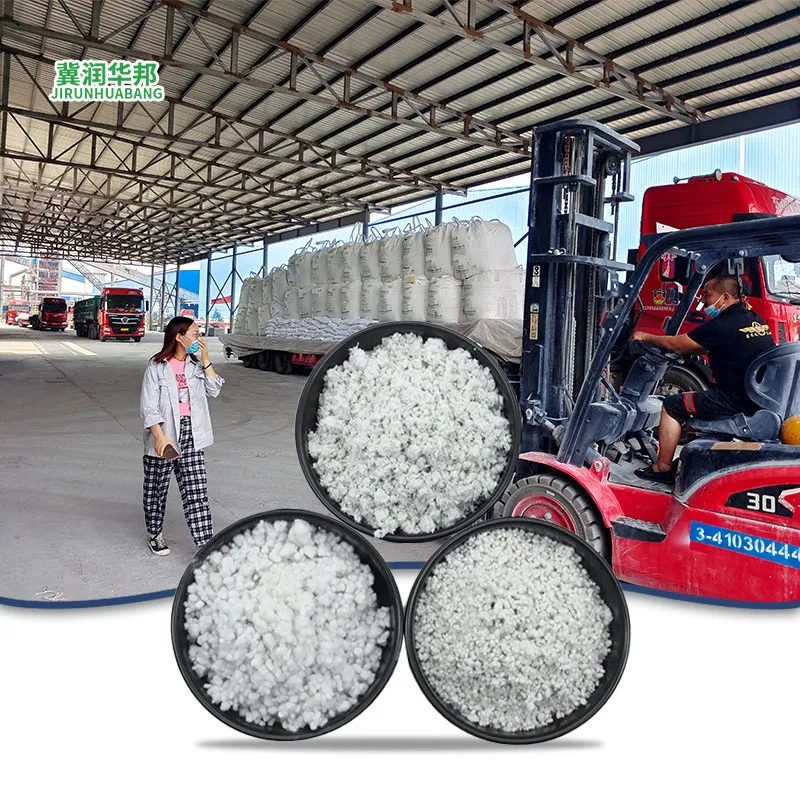
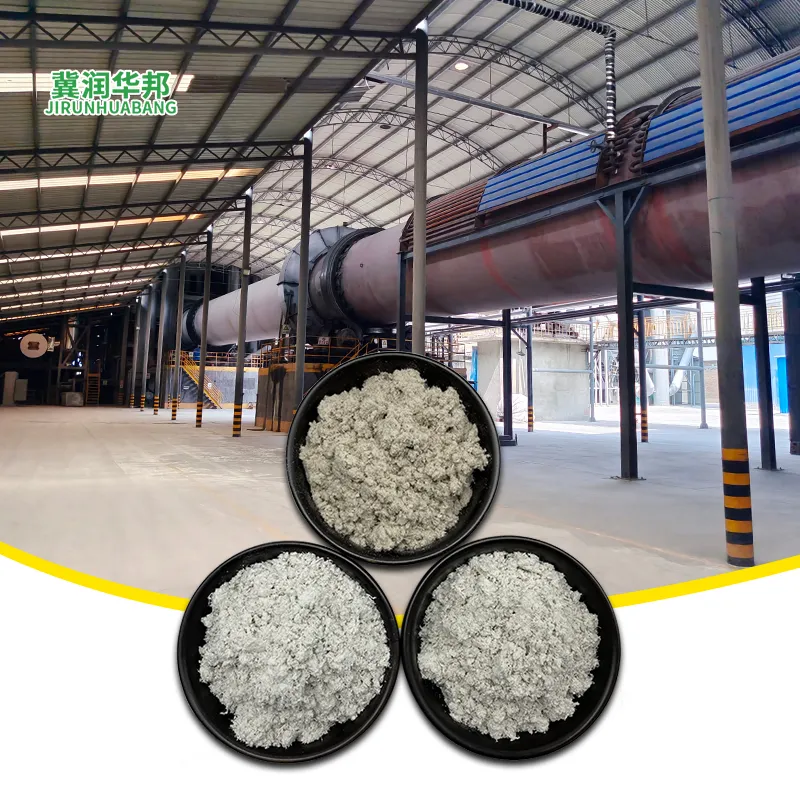
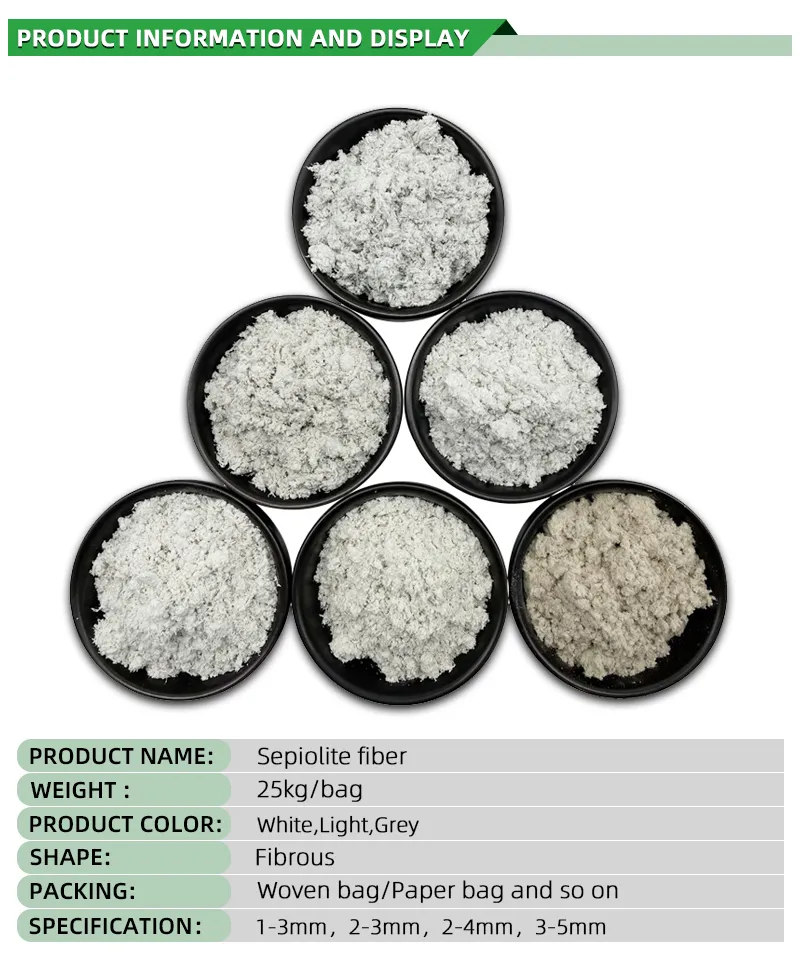
Core advantage of sepiolite fiber lies in its unique layered chain crystal structure—a distinctive arrangement where silicon-oxygen tetrahedron layers and magnesium-oxygen octahedron layers alternate and link tightly via chemical bonds. Each silicon-oxygen tetrahedron shares oxygen atoms with adjacent units, forming continuous tetrahedral sheets, while magnesium-oxygen octahedrons fill gaps between these sheets, creating robust layered framework. This layered configuration not only generates strong interlayer bonds that enhance fiber’s own tensile strength and resistance to breakage but also forms slender continuous internal channels that run parallel to fiber length. Surrounding these channels is an interconnected porous network with numerous tiny pores—ranging from micro to mesoscale—that act like natural water reservoirs and stress transmitters. Together, these structural features endow sepiolite fiber with excellent mechanical properties such as flexibility and toughness, allowing it to bend without snapping, as well as remarkable water retention capacity that holds moisture without compromising structural integrity. These combined traits make it stand out as ideal concrete and mortar additive, perfectly addressing key challenges in construction material performance like insufficient strength, easy cracking and poor water retention.
As concrete additive, sepiolite fiber plays crucial and irreplaceable role in enhancing mechanical strength. When mixed into concrete, fine sepiolite fibers—with their slender morphology—disperse evenly throughout concrete matrix under proper stirring, forming three-dimensional interweaving network that permeates every part of the material. This network acts as “invisible skeleton” that can transfer and distribute external stress effectively, especially when concrete is subjected to pressure or bending. During concrete’s setting and hardening processes, micro cracks often form due to uneven shrinkage; the fiber network can inhibit growth of these micro cracks by blocking their expansion paths. It also improves bond tightness between aggregate and cement paste, filling tiny gaps at their interfaces and reducing internal voids that weaken strength. Practical applications in bridge piers, high-rise building columns and other projects requiring high structural stability show that adding sepiolite fiber can increase compressive strength and flexural strength of concrete significantly, with performance improvements more obvious in projects exposed to repeated load or temperature fluctuations.
Water retention performance of sepiolite fiber makes it highly valuable mortar additive, especially in harsh construction environments. Mortar—composed of cement, sand and water—is prone to rapid water loss during construction, especially in hot, dry or windy conditions. This water loss leads to multiple issues: insufficient water for cement hydration, resulting in incomplete hardening; dry shrinkage that causes surface and internal cracks; and reduced adhesion to substrates like bricks or concrete blocks. Sepiolite fiber’s porous structure, with its high specific surface area, can absorb and lock large amounts of water in mortar, acting like “micro water tanks” that slow down water evaporation rate dramatically. This ensures sufficient water is available for cement hydration over extended period, improving mortar’s workability—making it easier to mix, spread and trowel—and enhancing final setting quality. It also prevents mortar from drying too quickly on surface before it bonds firmly to substrate, reducing chances of surface cracking, peeling and hollowing. In exterior wall rendering and tile adhesive applications, this water retention property ensures mortar maintains strong bond even in outdoor environments.
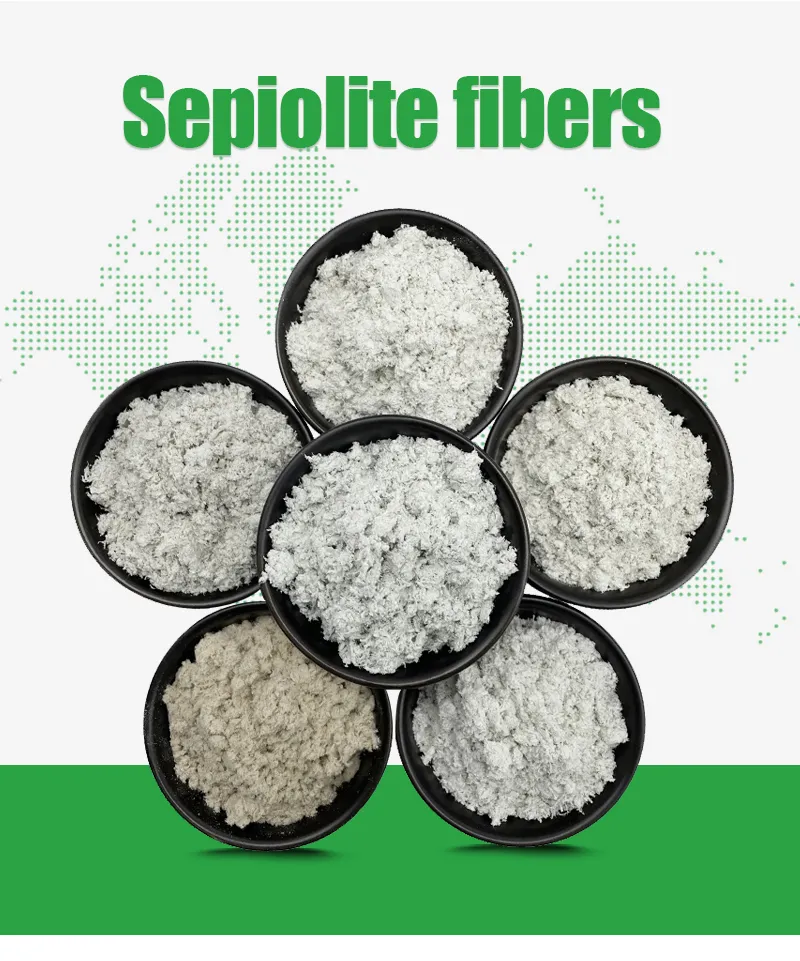
Crack resistance improvement is another key and widely recognized function of sepiolite fiber as concrete and mortar additive. Shrinkage during drying and hardening is inherent issue in concrete and mortar, caused by water evaporation and cement hydration reactions, often resulting in unsightly and damaging cracks. Sepiolite fiber’s high flexibility and tensile strength enable it to resist and dissipate shrinkage stress within material. Fibers distributed uniformly in matrix act as “micro reinforcements” that block initial crack propagation path—when tiny cracks start to form, fibers in their vicinity absorb stress and prevent them from spreading. Even if micro cracks manage to form, the interwoven fibers can bridge across these cracks like tiny ropes, pulling the two sides together and preventing further expansion into large, structural cracks. This property is particularly important for exterior wall mortar—exposed to rain, sunlight and temperature changes—and mass concrete structures like dam foundations or large floor slabs, which are more susceptible to shrinkage cracks due to their volume. In cold regions, this crack resistance also helps prevent freeze-thaw damage, as fewer cracks mean less water seeps in and freezes to expand internal structure.
Sepiolite fiber also significantly enhances durability of concrete and mortar, extending service life of buildings and reducing maintenance costs. Its inherent chemical stability—resistance to acid, alkali and most organic solvents—ensures no adverse chemical reactions occur with cement, sand, water reducers or other common additives in concrete and mortar, maintaining consistent material performance over long time. The porous structure of sepiolite fiber can actively adsorb harmful ions in surrounding environment, such as chloride ions from seawater in coastal areas or sulfate ions from industrial wastewater, reducing their penetration into concrete and mortar matrix and slowing down corrosion of internal steel reinforcement. In humid environments like basements or coastal buildings, sepiolite fiber-added concrete and mortar show better resistance to moisture absorption and mold growth; in corrosive industrial zones, they withstand chemical erosion more effectively than ordinary materials. Long-term performance tests demonstrate that buildings using sepiolite fiber-enhanced concrete and mortar have 20% to 30% longer service life on average, with fewer repairs needed for surface damage or structural degradation.
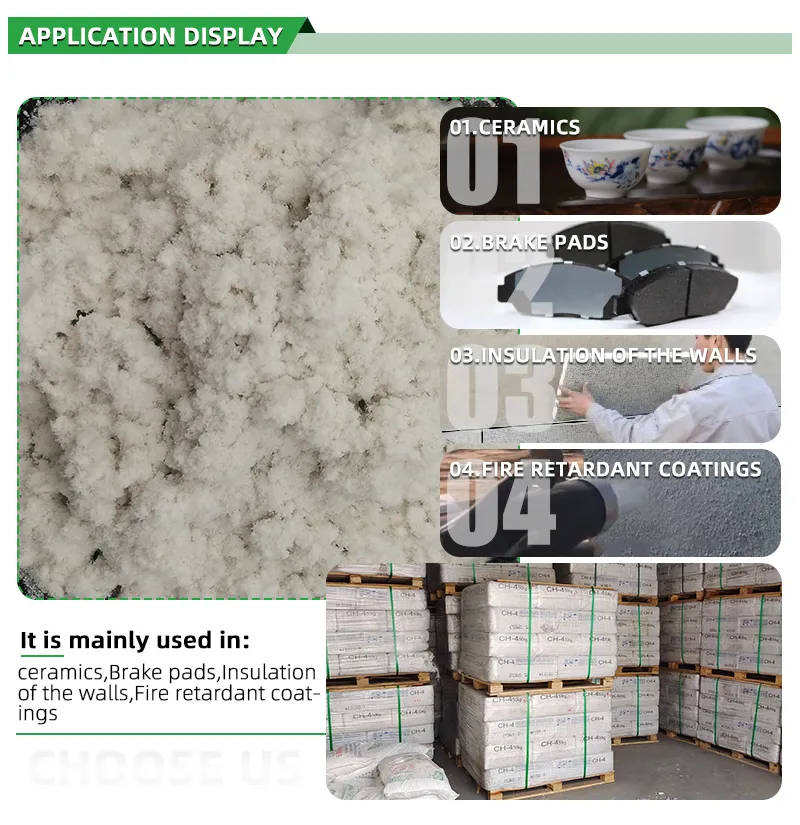
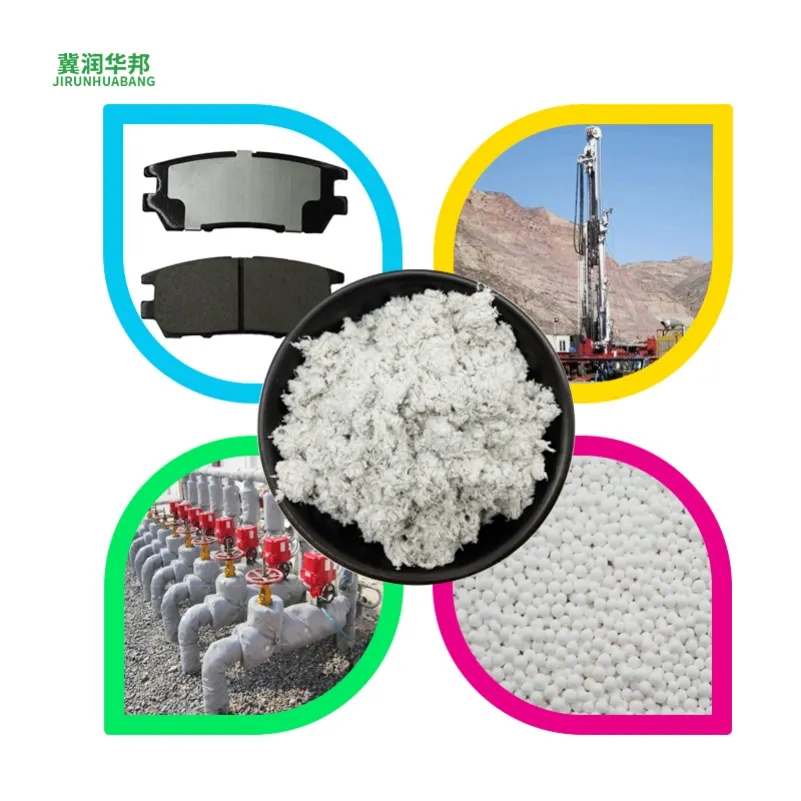
Beyond concrete and mortar additive applications, sepiolite fiber’s unique combination of properties benefits multiple other industrial fields, leveraging its reinforcement, heat resistance and rheological advantages. In friction material production—critical for automotive and machinery braking systems—its excellent heat resistance allows it to withstand high temperatures generated during braking (often reaching hundreds of degrees) without decomposing, while its reinforcement capacity binds friction components tightly, improving wear resistance of brake pads and clutch discs and reducing brake dust. In coating industry, whether for architectural wall coatings or industrial equipment coatings, sepiolite fiber acts as efficient thickener and suspending agent: its fibrous structure forms thixotropic network in coating formulations, preventing heavy pigments and fillers from sedimenting during storage and ensuring uniform consistency when applied. In petroleum drilling industry, especially for deep wells or wells in high-salt formations, sepiolite fiber is added to drilling mud to enhance its rheological properties—it increases mud’s viscosity to carry drill cuttings to surface smoothly and forms thin protective film on well walls, stabilizing them and preventing collapse that could halt drilling operations.