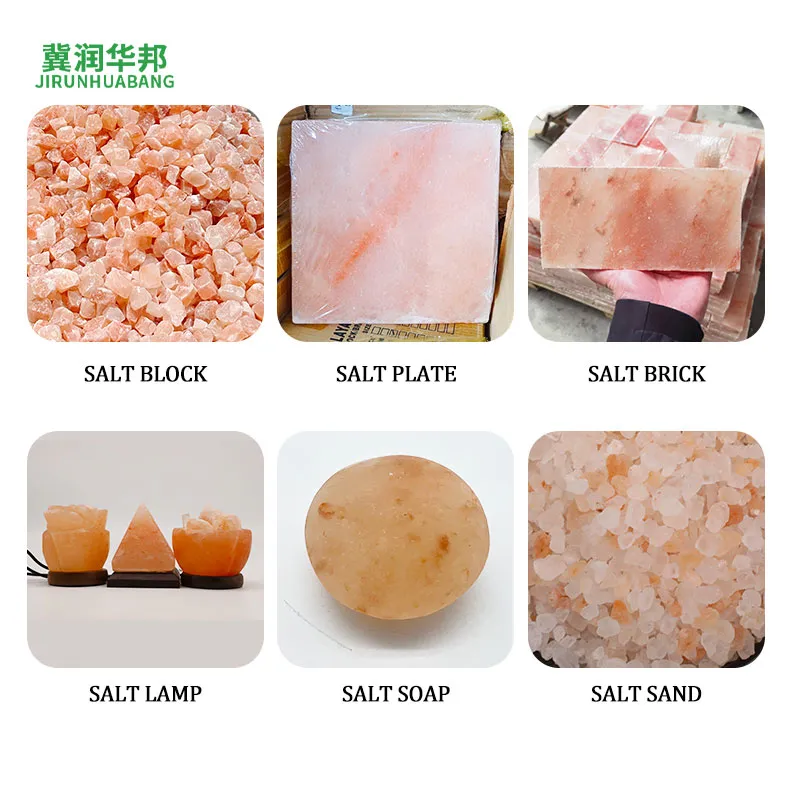
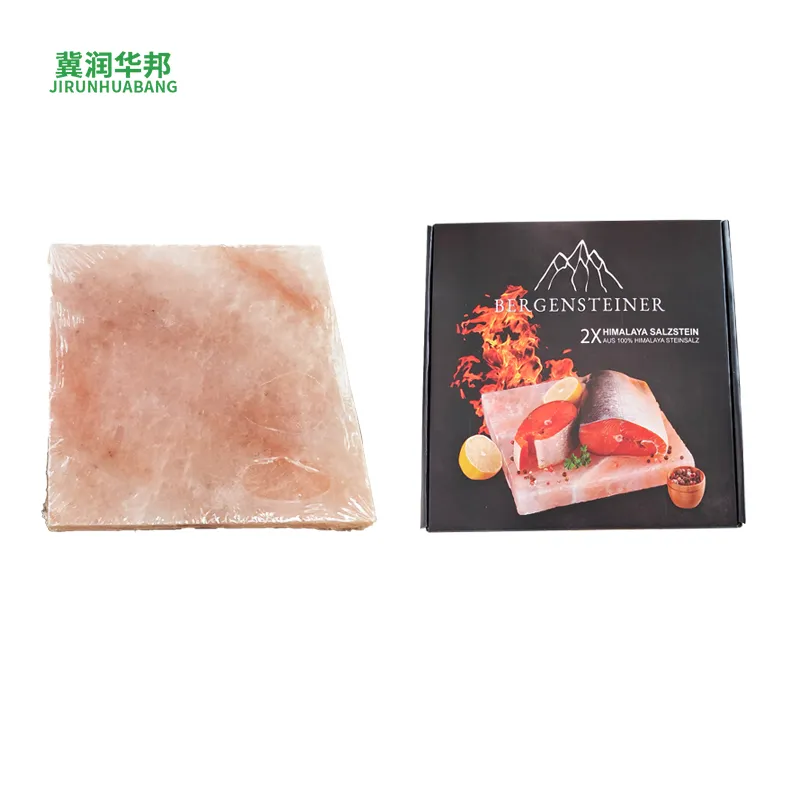
The steam room, enveloped in a warm, humid embrace, becomes even more therapeutic with the addition of 2 - 5mm salt sand. Scattered strategically on the floor or in decorative containers, these tiny salt granules release negative ions as they interact with the steamy air. These ions purify the environment, neutralizing pollutants and allergens, while also promoting a sense of calm and clarity.
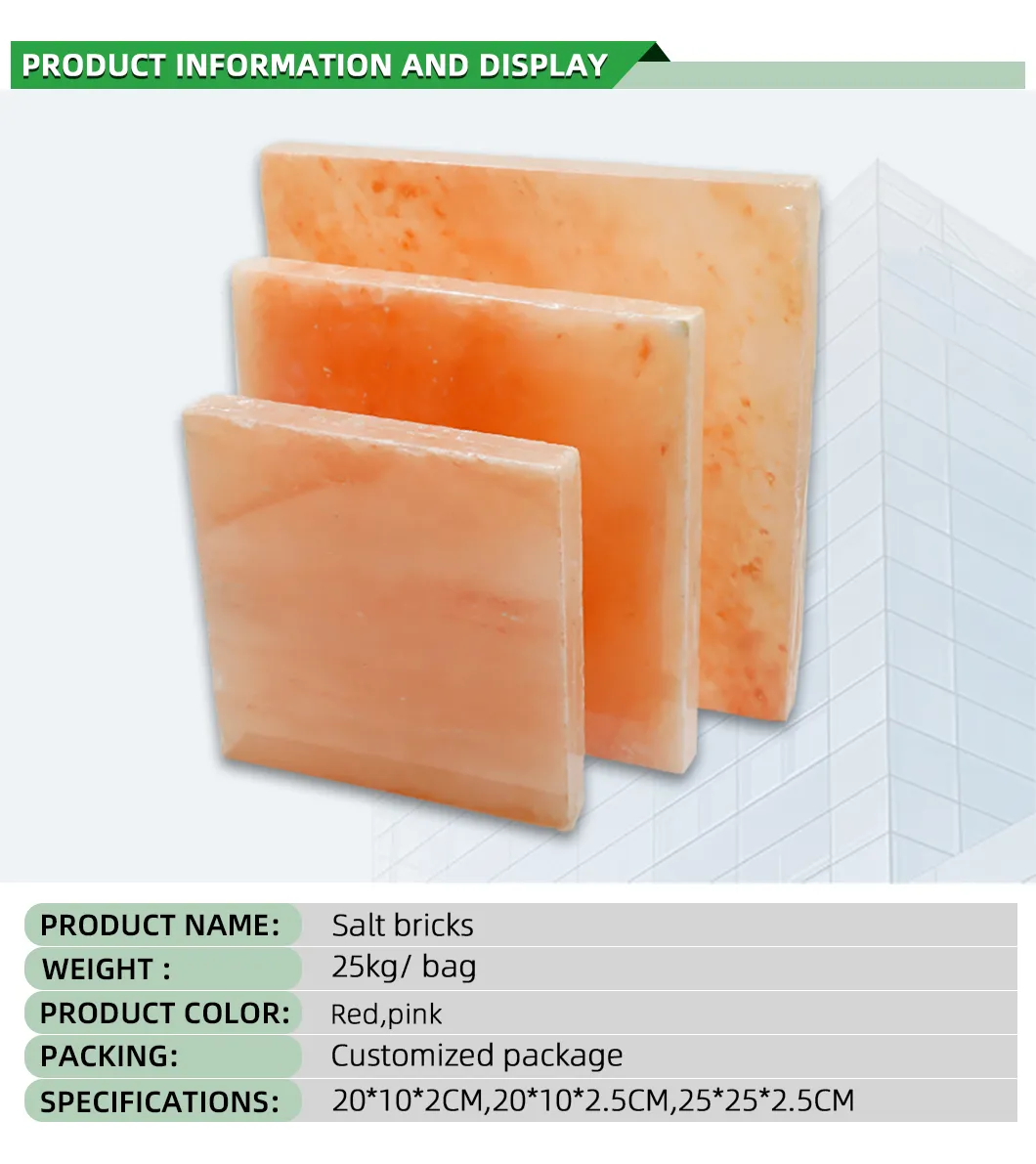
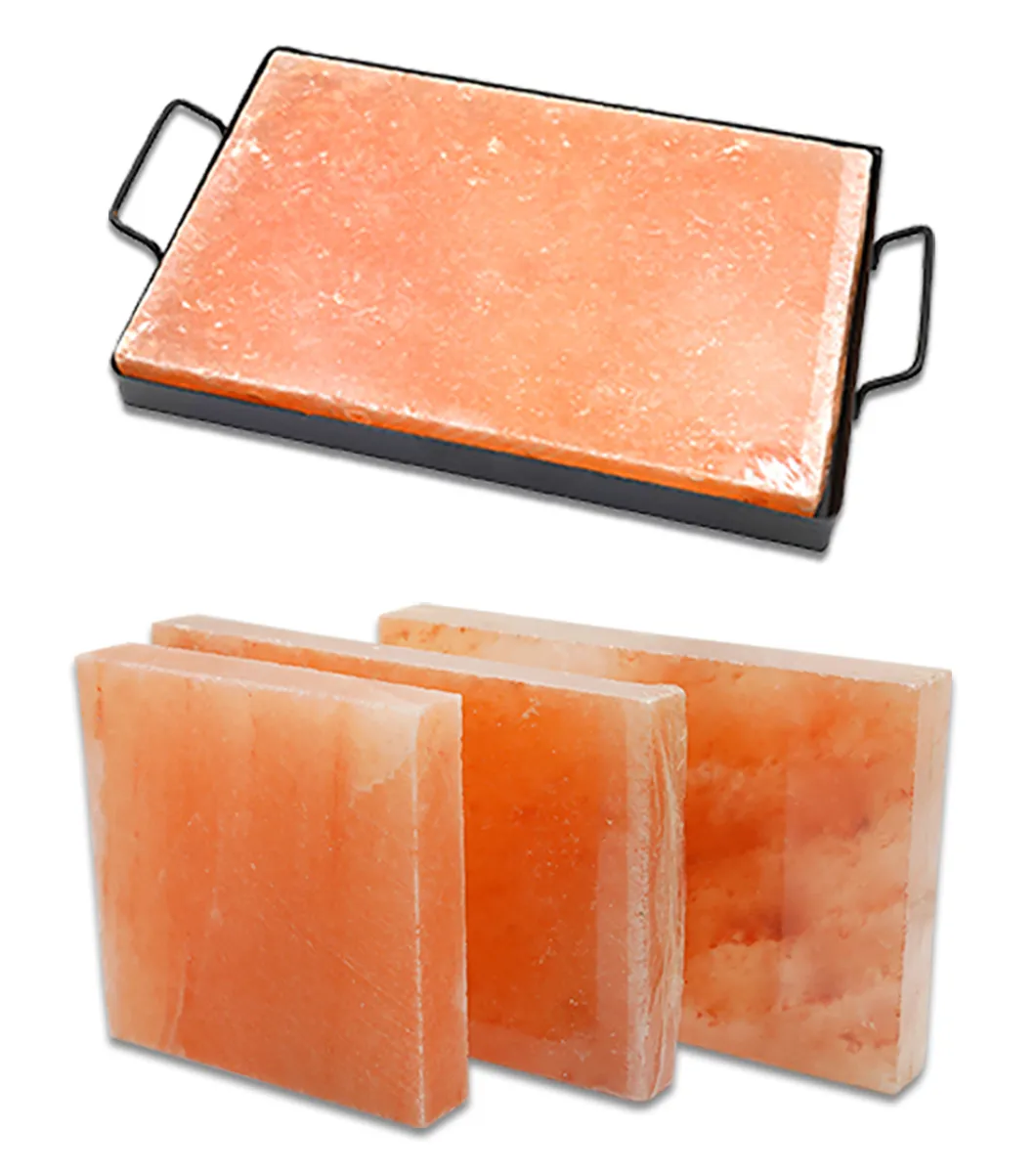
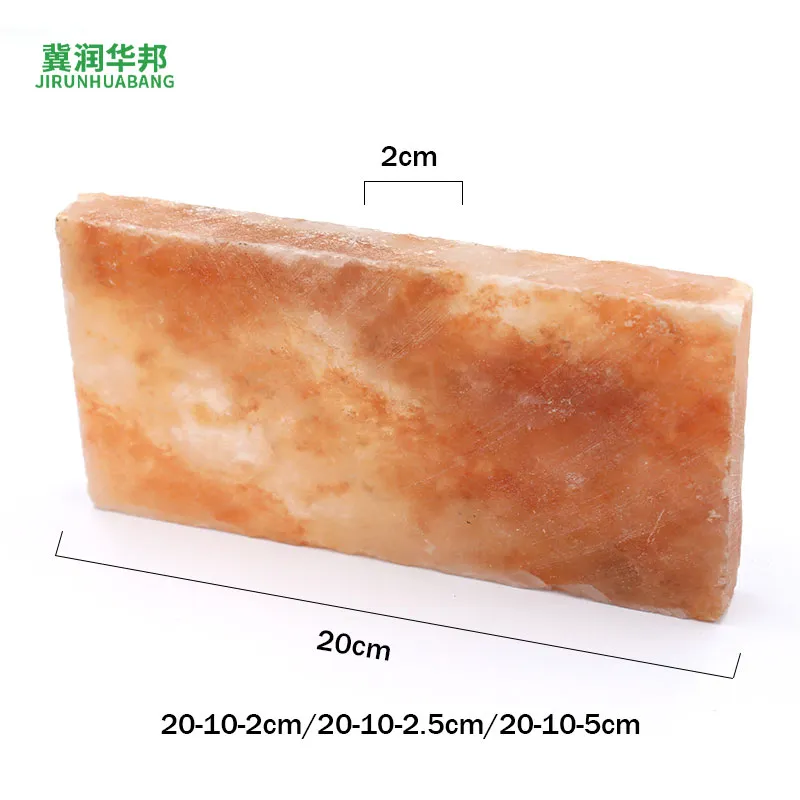
Salt bricks, used in the room's decoration, take the experience to new heights. Lining the walls or forming artistic accents, they slowly emit trace minerals into the air, enhancing the steam's detoxifying effects on the skin and respiratory system. Their earthy hues and unique textures add a touch of rustic elegance, creating a visually soothing ambiance. Together, salt sand and salt bricks elevate the traditional sweat steam room into a holistic haven for both body and mind.
| Place of Origin |
China |
| Color |
White |
| Shape |
Brick/Particle |
| Purity |
95-99% |
| Grade |
cosmetics grade/industrial Grade/food grade |
| Package |
5-25kg/bag,customized package |
| MOQ |
1pc |
Salt Bricks are essential for recreational facility maintenance, specifically in indoor swimming pools and saunas, where controlling chlorine levels and preventing surface damage are critical to ensuring safe and long-lasting facilities. Indoor swimming pools and saunas have unique environmental conditions that require special maintenance solutions, and salt bricks offer a natural and effective way to address key challenges in these spaces.
In indoor swimming pools, maintaining proper chlorine levels is a delicate balancing act essential to keep water clean and safe for swimmers. Excessive chlorine can irritate swimmers' skin and eyes, causing discomfort and potentially leading to allergic reactions. The stinging sensation upon opening one's eyes underwater, the persistent itch that follows a swim, and the redness that mars the skin are all telltale signs of over-chlorination. On the other hand, insufficient chlorine allows harmful bacteria and algae to thrive, posing serious health risks. Picture a pool where the water starts to cloud over, developing a greenish tinge as algae colonies spread, turning what should be a refreshing oasis into a breeding ground for illness. For instance, in a bustling community pool during the peak of summer, when the pool is filled with people seeking respite from the heat, improper chlorine levels can quickly turn a refreshing swim into an unpleasant experience, with users reporting itchy skin and red eyes after just a short time in the water.
Salt bricks help regulate chlorine levels through a fascinating process known as electrolysis. When introduced to the pool water, they dissolve gradually, releasing sodium chloride. The pool's chlorination system, equipped with an electrolytic cell, then converts the sodium chloride into chlorine gas, which is immediately dissolved into the water to sanitize it. This chemical reaction occurs continuously and automatically, responding to the actual demand for chlorine in the pool. In larger pools with high bather loads, where chlorine gets rapidly consumed due to increased organic matter from sweat, lotions, and body oils, salt bricks work tirelessly to replenish the chlorine supply. Sensors within the chlorination system are like vigilant sentinels, constantly monitoring the chlorine concentration. The moment they detect a drop, they trigger the electrolysis process, ensuring that the water remains safe and comfortable for swimmers throughout the day.
To illustrate further, consider a hotel pool that hosts a large number of guests daily. The presence of sunscreen residue, body oils, and other contaminants constantly depletes the chlorine levels. With salt bricks, the system can adapt in real-time. When the chlorine concentration dips below the optimal level, the electrolytic cell kicks in, converting the sodium chloride from the dissolved salt bricks into chlorine. This automated and controlled release not only reduces the risk of skin and eye irritation but also minimizes the need for manual adjustments, saving time and effort for pool maintenance staff. Moreover, by eliminating the need to handle and store concentrated liquid chlorine, salt-based chlorination systems enhance safety by reducing the risk of chemical spills and inhalation concerns. In fact, many pool operators have reported a significant decrease in chemical-related incidents since switching to salt brick-based systems. Workers no longer have to worry about the heavy lifting and potential splashes associated with traditional chlorine containers, creating a safer working environment.
In addition to their role in chlorination, salt bricks are instrumental in preventing surface damage to pool walls and floors. Pool surfaces, often constructed from materials like ceramic tiles, vinyl liners, or concrete, are vulnerable to damage from harsh chemicals and fluctuating water conditions. Traditional chlorine-based sanitizers, especially when used in high concentrations or applied incorrectly, can cause corrosion of metal fixtures, discoloration of tiles, and deterioration of concrete. The once shiny metal handrails start to rust, the bright tiles lose their color, and the concrete develops cracks over time. The natural composition of salt bricks, on the other hand, is gentle on these surfaces. Salt water has a lower pH-altering potential compared to some chemical sanitizers, helping to maintain a more stable water chemistry. This stability reduces the likelihood of calcium scaling, which can form hard deposits on pool surfaces and equipment, and also prevents the erosion of grout lines between tiles.
Take a public pool with a ceramic tile floor as an example. Over time, exposure to traditional sanitizers can cause the tiles to lose their luster and the grout to weaken. However, with the use of salt bricks, the water chemistry remains more balanced. The reduced pH fluctuations mean that calcium ions are less likely to precipitate out of the water and form scale on the tiles and pool equipment. Regular use of salt bricks can keep a pool looking pristine for years, making them a cost-effective solution for pool maintenance. Some pool owners have noted that their tile and grout have remained in excellent condition far longer than expected after switching to salt brick-based maintenance, saving them significant costs on repairs and replacements.
In saunas, salt bricks play a multifaceted role in maintenance by absorbing excess moisture from the air. Saunas generate high levels of humidity, creating an ideal breeding ground for mold and mildew on walls and benches if not properly managed. Salt bricks, with their porous nature, act as natural dehumidifiers, absorbing this excess moisture and keeping sauna surfaces dry, thereby preventing mold formation. The process of moisture absorption is a physical phenomenon known as hygroscopy, where the salt crystals attract and hold water molecules. As the humidity in the sauna rises, the salt bricks gradually absorb the moisture, effectively reducing the relative humidity in the room.
To understand the impact better, consider a wooden-paneled sauna. High humidity can cause the wood to warp, crack, and develop mold, which not only ruins the appearance but also weakens the structure. By placing salt bricks strategically around the sauna, such as on shelves and near benches, the excess moisture is absorbed, protecting the wooden surfaces. This not only protects the wooden structures and finishes in the sauna from water damage but also creates a healthier environment for users. In fact, studies have shown that saunas using salt bricks have significantly lower mold spore counts compared to those without. The absence of mold means a reduced risk of respiratory issues for sauna-goers, ensuring a more enjoyable and safe experience.
Their natural properties also help maintain stable temperature conditions in saunas. Salt bricks have excellent heat retention capabilities; they absorb heat during the heating cycle and release it gradually over time. This consistent heat release contributes to a more even and comfortable sauna experience, eliminating hot and cold spots that can detract from the relaxation process. The thermal mass of salt bricks allows them to store heat energy during the initial heating phase when the sauna stove is operating at full capacity. As the temperature in the sauna begins to stabilize, the salt bricks slowly release this stored heat, ensuring that the temperature remains steady and comfortable for an extended period.
For example, in a traditional Finnish sauna, where maintaining a consistent temperature is crucial for achieving the desired therapeutic effects, such as relaxation of muscles and improved blood circulation, salt bricks can play a vital role. The slow release of heat helps to keep the temperature within the optimal range, enhancing the overall sauna experience. This is particularly beneficial in saunas where maintaining a consistent temperature is crucial for achieving the desired therapeutic effects, such as relaxation of muscles and improved blood circulation. Sauna enthusiasts can now fully immerse themselves in the heat, feeling the tension melt away from their bodies as they enjoy a more uniform warmth.
Furthermore, salt bricks in saunas help reduce odors that can accumulate from sweat and moisture. The salt's natural antibacterial properties inhibit the growth of odor-causing bacteria, keeping the air fresh. The antibacterial action of salt is due to its ability to disrupt the osmotic balance of bacteria cells. When bacteria come into contact with the salt crystals, the high concentration of salt draws water out of the bacterial cells through osmosis, causing them to dehydrate and die. This natural antibacterial effect not only eliminates unpleasant odors but also helps to maintain a hygienic environment in the sauna.
In a commercial sauna at a gym, where multiple users enter and exit throughout the day, body odor can quickly become a problem. Salt bricks placed around the sauna can combat this issue effectively. By reducing the growth of odor-causing bacteria, the air in the sauna remains fresh, enhancing the overall user experience. Gym-goers no longer have to endure the unpleasant smell that can sometimes accompany crowded saunas, allowing them to relax and unwind in a clean and inviting space.
Salt bricks are incredibly versatile in saunas. They can be easily placed on shelves, near benches, or along walls, and require minimal maintenance. Unlike some synthetic dehumidifying or odor-control products, salt bricks do not need to be replaced frequently. Their durability and long-lasting nature make them a reliable choice for recreational facility maintenance in indoor swimming pools and saunas, supporting the safety, comfort, and longevity of these facilities. Moreover, the aesthetic appeal of salt bricks, with their natural crystalline structure and soft, earthy colors, can enhance the overall ambiance of saunas, creating a more relaxing and inviting atmosphere for users. In some cases, salt bricks are even incorporated into the construction of sauna walls, providing both functional benefits and a unique visual element. For instance, in a luxury spa sauna, salt brick-lined walls not only offer practical advantages but also add an element of luxury and exclusivity, making the space more appealing to clients. The gentle glow of the salt bricks, combined with their therapeutic properties, transforms the sauna into a haven of relaxation and well being.