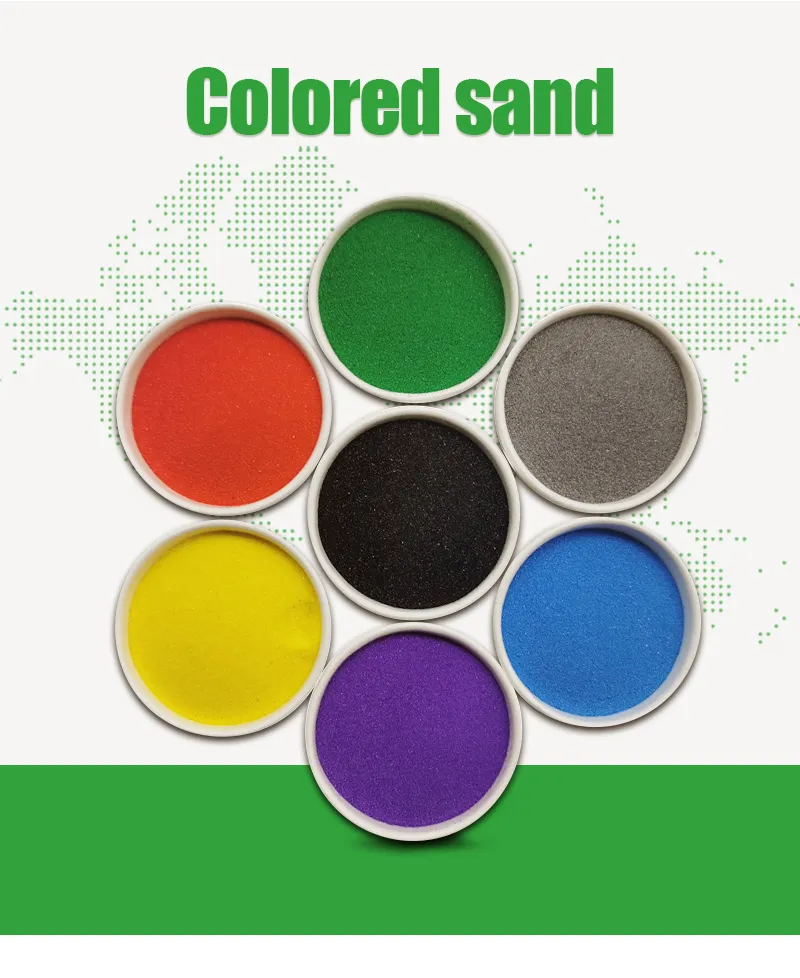
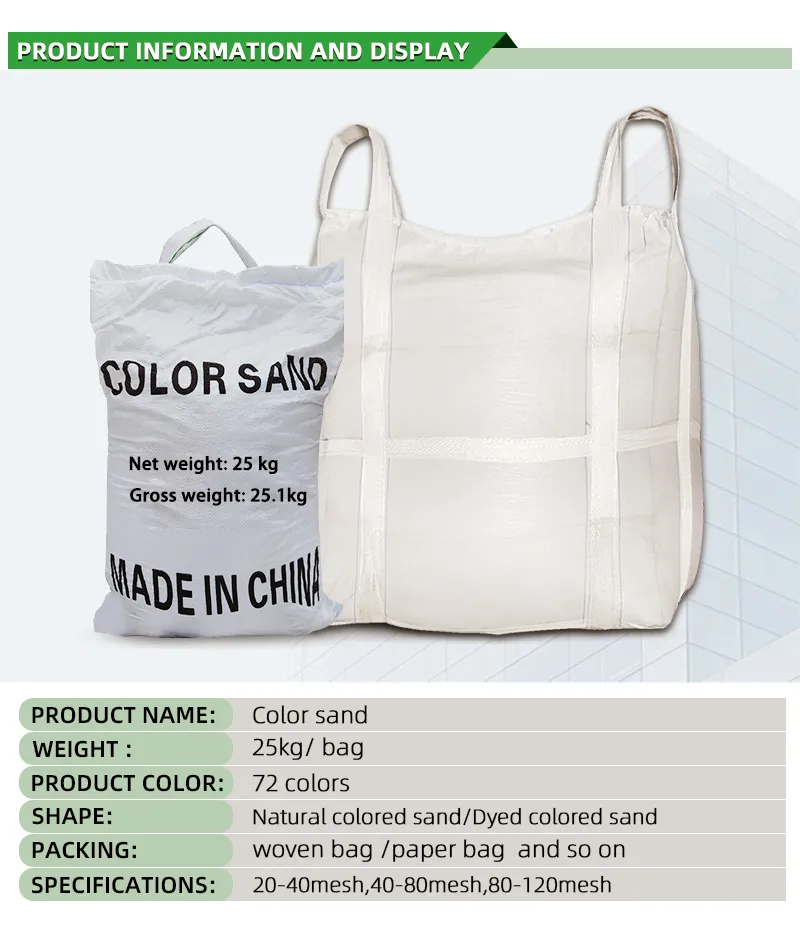
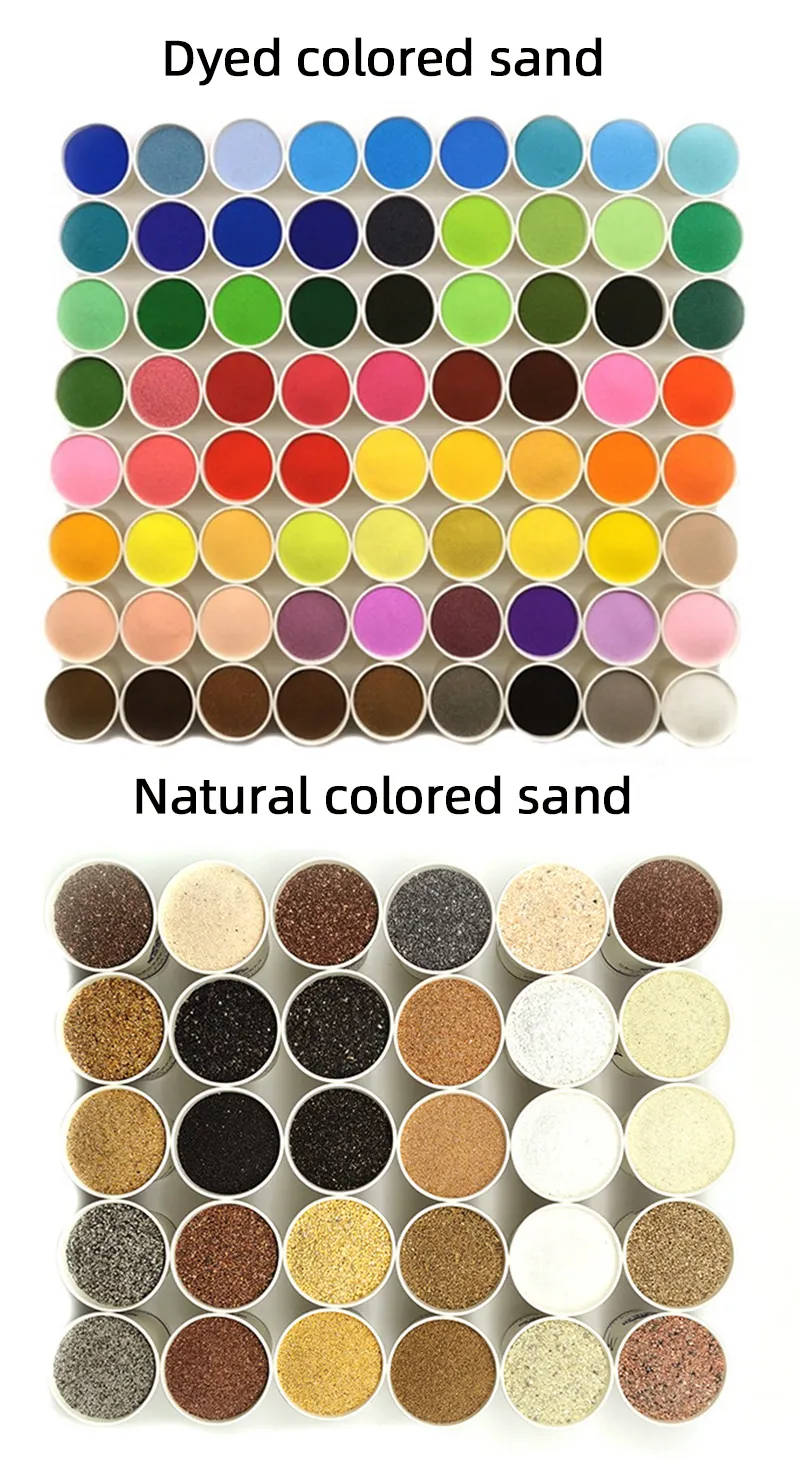
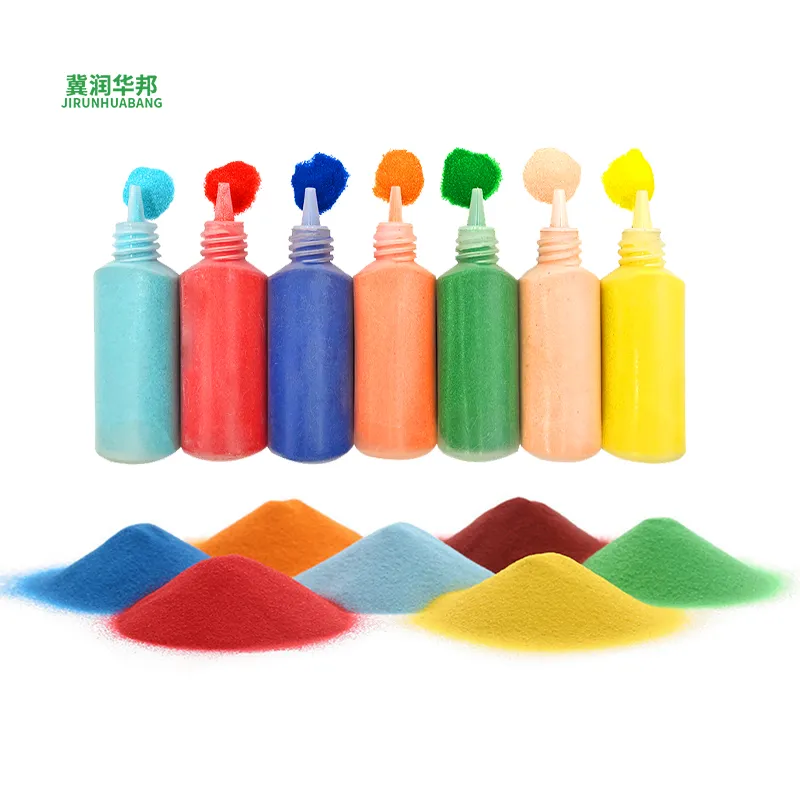
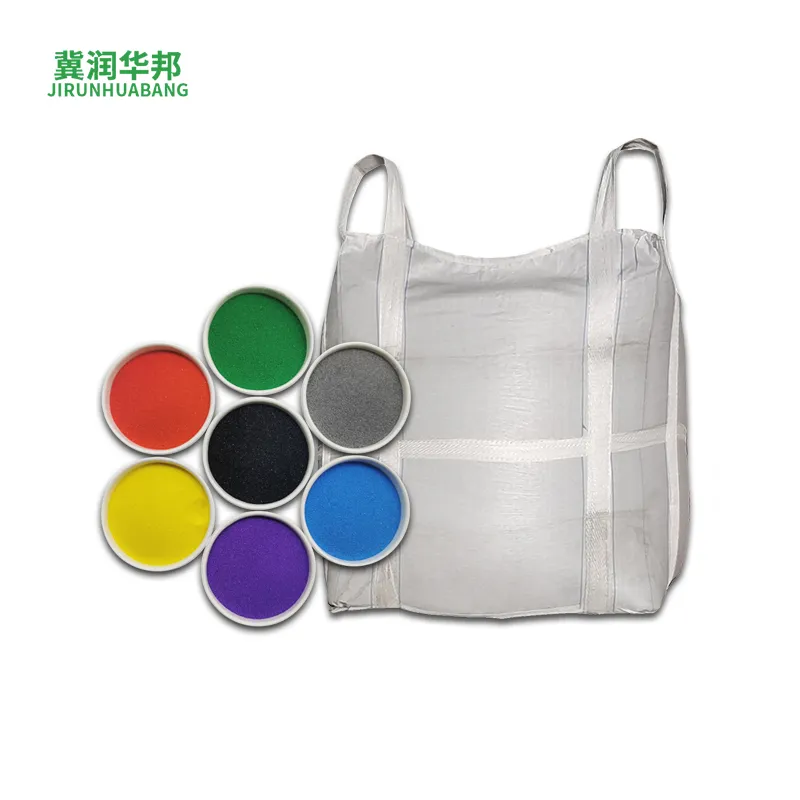
Resource management of Colored Sand forms the backbone of its alignment with circular economy, integrating natural mineral wealth and waste recycling into a cohesive system. Natural colored sand derives unique properties from distinct geological processes: sedimentary deposits yield fine-grained variants with rich, stable hues—such as red sand from iron oxide-rich formations, ideal for detailed craftwork and architectural accents; igneous rock weathering produces coarse, durable sand—like gray sand from granite, suited for high-traffic landscape paving; metamorphic formations create sand with subtle luster, such as green sand from mineral transformation, perfect for indoor decorative applications. Extraction of natural colored sand adheres to strict eco-friendly protocols: surface-only collection avoids habitat disruption, and mined areas undergo restoration with native vegetation to preserve ecological balance. Synthetic colored sand amplifies circular economy principles by repurposing industrial byproducts: discarded ceramic fragments are ground and coated to create terracotta-hued sand with cultural texture; waste glass is processed into transparent or colored variants with crystalline clarity; metallurgical slag is refined into wear-resistant black sand. This dual-resource approach not only expands colored sand diversity but also minimizes waste, diverting substantial quantities of industrial scraps from landfills and reducing reliance on virgin materials.
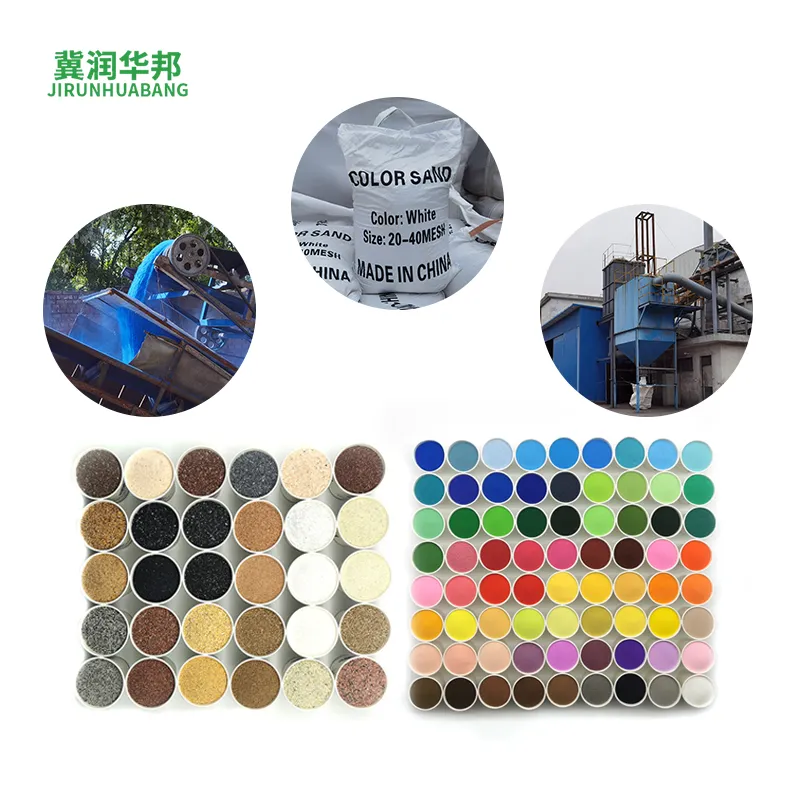
Production processes of Colored Sand are engineered to prioritize eco-friendliness while enhancing core properties like color stability and natural texture retention. For natural colored sand, processing focuses on preserving inherent mineral characteristics: solar-powered drying replaces fossil fuel-based methods, retaining the sand’s natural luster and hue integrity; ultrasonic cleaning with recycled water removes impurities without harsh chemicals, safeguarding ecological balance; gentle grading techniques ensure particle consistency without altering the sand’s natural texture. Synthetic colored sand production emphasizes waste refinement and functional optimization: ceramic scrap sand is coated with bio-based binders—derived from plant starches—to ensure color adherence and non-toxicity; waste glass sand undergoes plasma treatment to enhance pigment bonding, enabling consistent coloration across batches; slag-based sand undergoes magnetic separation to eliminate contaminants, boosting durability. Key innovations include bio-based pigment technologies that enhance color stability even under harsh environmental conditions, and precision grading systems that tailor particle size to specific applications—fine for crafts, medium for coatings, and coarse for construction. These processes ensure colored sand meets the rigorous demands of sustainable design while delivering consistent performance across scenarios.
Core attributes of Colored Sand—rooted in resource selection and refined processing—align perfectly with the demands of sustainable design and circular economy. Color stability stands out as a defining feature: natural red sand used in outdoor architectural accents retains its vivid hue despite prolonged sunlight and precipitation; synthetic terracotta sand applied to exterior walls resists fading, maintaining aesthetic appeal for long periods. Natural texture retention ensures authenticity: granite-derived gray sand preserves its rugged grain, adding tactile depth to landscape paths; metamorphic green sand retains its subtle sheen, enhancing indoor decorative elements. Eco-compatibility is inherent: natural colored sand integrates seamlessly with soil and vegetation in landscape projects, supporting ecological balance; synthetic variants are fully recyclable, closing the loop on waste. Durability is proven in real-world use: slag-based black sand used in high-traffic urban plazas resists wear, maintaining functionality and appearance; waste glass sand embedded in building facades withstands environmental stress without degradation. These attributes—combined with versatility—make colored sand a preferred choice for projects that demand sustainability, longevity, and natural aesthetics.
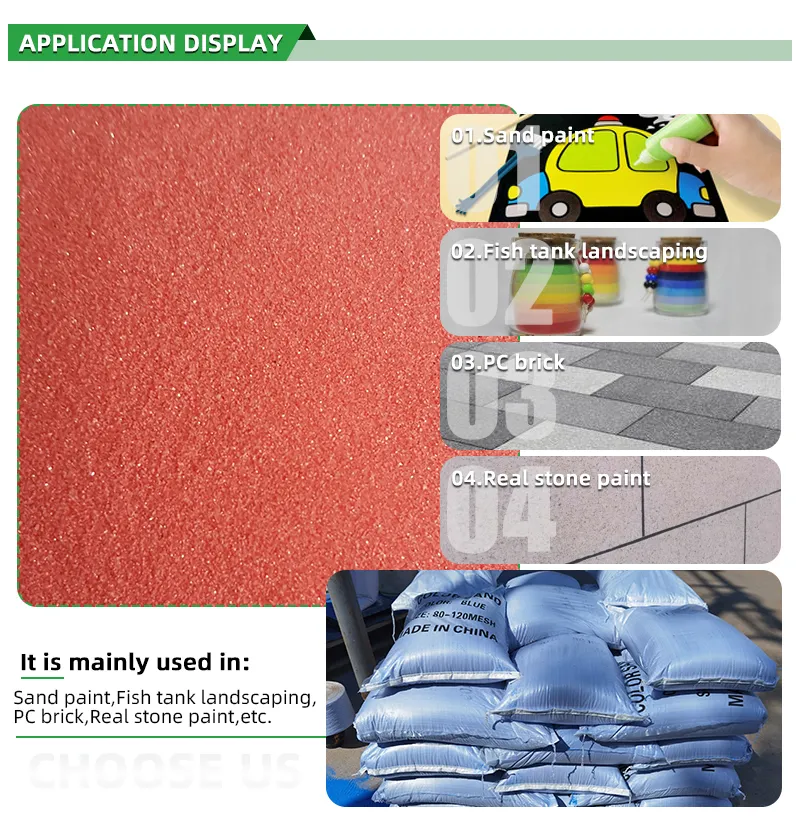
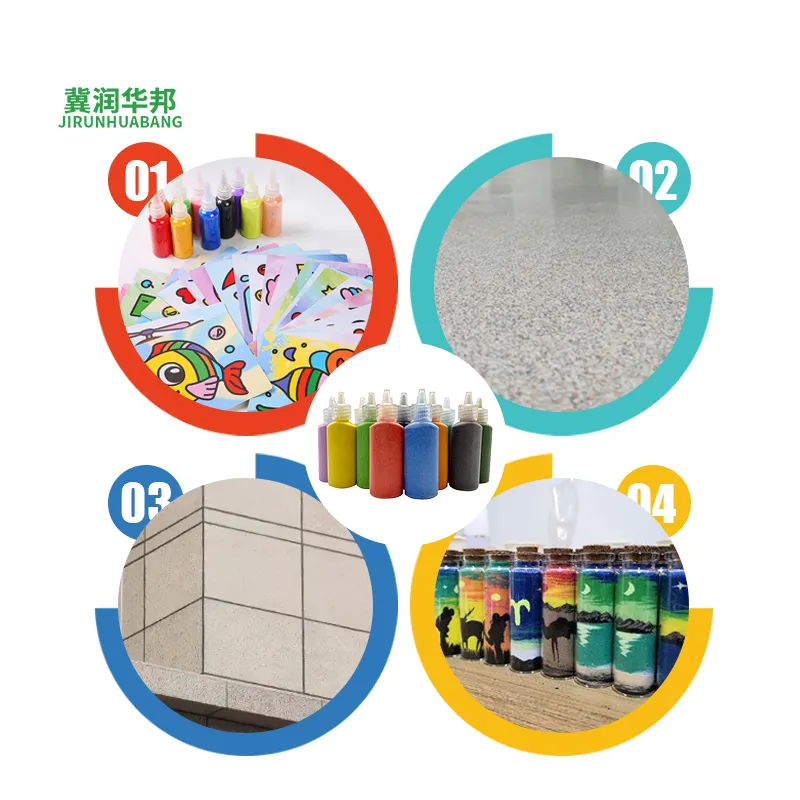
Smart urban planning leverages Colored Sand’s unique properties to create sustainable, functional, and aesthetically pleasing urban environments. A key application lies in stormwater management: permeable colored sand mixtures—blended with porous aggregates—form paving materials for sidewalks and plazas, allowing rainwater to infiltrate the ground and reduce urban flooding. This approach not only supports sustainable water management but also adds visual interest through custom color schemes that reflect local culture. Smart landscape lighting integrates light-reflective colored sand: pale-hued variants embedded in pathway materials absorb sunlight during the day and emit soft illumination at night, reducing reliance on artificial lighting and lowering energy consumption. Traffic-calming zones use colored sand to enhance safety and aesthetics: contrasting hues mark crosswalks and pedestrian areas, improving visibility while adding natural texture that complements surrounding green spaces. Urban renewal projects utilize colored sand to revitalize aging districts: natural sand mixtures restore historical building facades, matching original materials for authenticity; synthetic sand with consistent coloration unifies streetscape elements, creating cohesive, inviting public areas. Urban planners value colored sand’s ability to merge functionality with sustainability, turning urban spaces into healthier, more visually appealing environments.
Landscape enhancement relies on Colored Sand to create natural, durable, and contextually appropriate outdoor spaces. Public parks and greenways use diverse colored sand variants to define zones and enhance biodiversity: warm-toned natural sand lines walking trails, blending with native grasses and wildflowers; cool-hued synthetic sand edges ponds and water features, creating visual contrast while resisting water erosion. Botanical gardens utilize colored sand to highlight plant collections: fine-grained, natural sand with neutral tones surrounds delicate specimens, drawing attention to foliage without overwhelming it; coarse, durable sand forms pathways through wooded areas, withstanding foot traffic while preserving root systems. Coastal landscapes benefit from salt-tolerant colored sand: natural variants harvested from non-sensitive coastal areas line beach access paths, resisting corrosion from salt spray and maintaining texture; synthetic sand blends with native beach materials to restore eroded shorelines, supporting coastal ecosystems. Urban rooftop gardens and vertical landscapes use lightweight colored sand mixtures: low-density variants reduce structural load while providing drainage and natural aesthetics, transforming underutilized spaces into green retreats. Landscape architects emphasize that colored sand’s natural texture and color stability allow designs to age gracefully, requiring minimal maintenance while retaining their intended appearance.
Architectural decoration integrates Colored Sand to enhance building identity, durability, and sustainability. Exterior applications prioritize color stability and weather resistance: natural sand mixed with eco-friendly binders creates textured wall coatings for residential and commercial buildings, adding depth while resisting wind and rain. Historical building restoration uses matched natural colored sand to preserve authenticity: sand sourced from local geological formations blends seamlessly with original materials, ensuring repairs are indistinguishable from the original structure. Interior design leverages colored sand’s natural texture and versatility: fine-grained sand mixed into plaster creates feature walls with subtle variations in tone, adding warmth to living spaces; sandblasted glass infused with colored sand elements serves as room dividers, diffusing light and creating privacy. Commercial spaces—such as retail stores and hotels—use colored sand to reinforce brand identity: custom-hued synthetic sand forms decorative accents or floor inlays, creating memorable visual experiences for customers. Sustainable building projects often specify recycled synthetic colored sand, as it reduces embodied carbon and diverts waste from landfills. Architects note that colored sand’s ability to combine aesthetics with performance makes it a valuable tool in creating buildings that are both beautiful and responsible.
Eco-friendly craft embraces Colored Sand as a sustainable alternative to synthetic materials, blending creativity with environmental responsibility. Artisanal workshops create decorative items using natural colored sand: layered sand art in glass vessels showcases the material’s diverse hues and textures, with each piece reflecting the unique geological characteristics of the sand source. Handmade paper incorporates fine-grained colored sand, adding texture and visual interest to stationery and artworks—these products are popular among eco-conscious consumers seeking sustainable alternatives to mass-produced goods. Textile crafts use sand-dyed fabrics: natural colored sand infuses fibers with subtle, earthy tones, creating unique patterns that cannot be replicated by chemical dyes. Community art projects often utilize large quantities of recycled synthetic colored sand: public murals and temporary installations engage local residents, transforming public spaces while raising awareness about waste reduction. Craft educators emphasize that colored sand’s accessibility and natural properties make it an excellent tool for teaching sustainable art practices, encouraging creativity while fostering environmental stewardship.
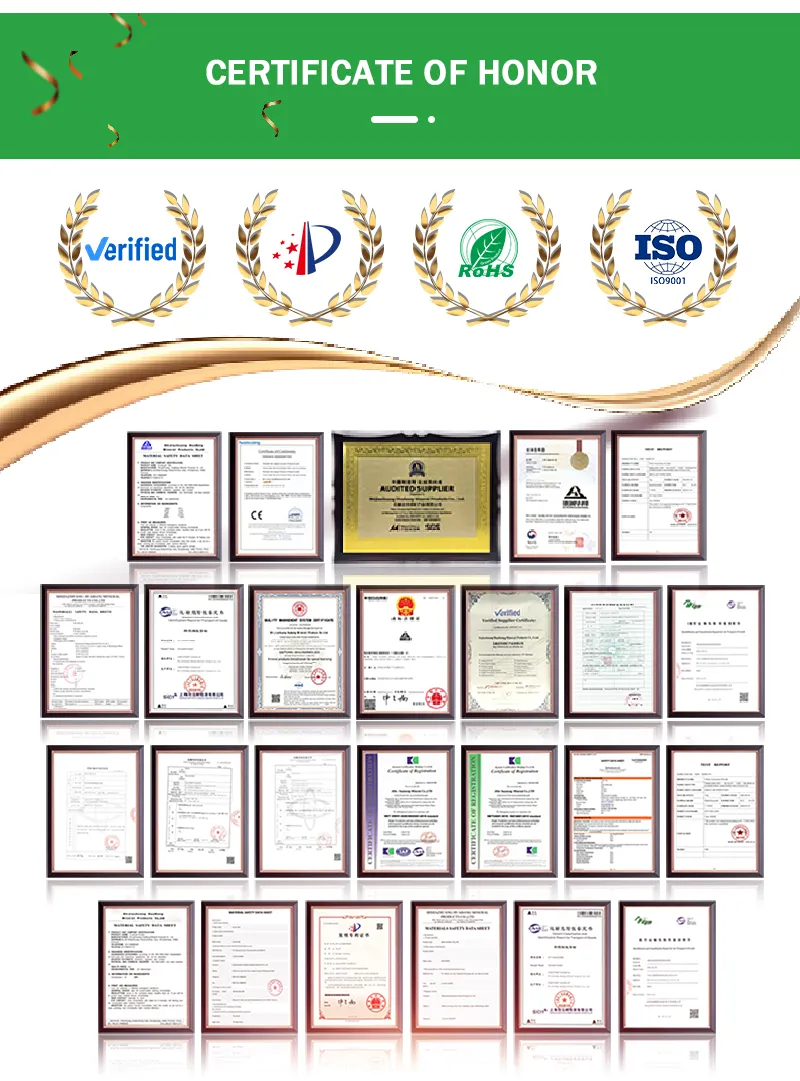
Quality control for Colored Sand is tailored to its diverse applications, ensuring consistency, performance, and alignment with sustainable design standards. For color stability, rigorous testing exposes samples to prolonged sunlight, moisture, and temperature fluctuations—only sand that retains its hue without fading meets quality benchmarks. Natural texture retention is verified through tactile inspections and microscopic analysis, ensuring processing does not alter the sand’s inherent grain structure. Eco-compatibility testing confirms that synthetic colored sand contains no toxic additives and is fully recyclable; natural sand is screened for contaminants to ensure it is safe for use in sensitive environments like children’s play areas or ecological landscapes. Application-specific testing addresses unique demands: sand for architectural coatings undergoes adhesion and weather resistance tests; sand for landscape paving is evaluated for durability and permeability; sand for crafts is checked for particle uniformity and color consistency. International sustainability certifications—such as those verifying recycled content or eco-friendly production—are increasingly required, as buyers prioritize materials that align with circular economy goals. Manufacturers provide detailed quality reports, helping designers and contractors select the right colored sand for their specific project needs.
Global market for Colored Sand is driven by growing demand for sustainable design and circular economy solutions, with distinct regional trends shaping consumption patterns. Asia-Pacific region leads in mass application: rapid urbanization fuels demand for colored sand in smart city projects and landscape enhancement, with a focus on recycled synthetic variants that align with national sustainability goals. Europe prioritizes high-end architectural and craft applications: natural colored sand sourced from local geological formations is favored for historical restoration and artisanal crafts, reflecting a preference for authenticity and provenance. North America emphasizes innovation in smart urban planning: permeable and light-reflective colored sand variants are widely used in green infrastructure projects, supported by policies promoting sustainable construction. Emerging markets in Latin America and Africa are growing steadily, with demand focused on affordable natural colored sand for basic landscape and construction applications. Market competition centers on sustainability credentials and application-specific performance: manufacturers that offer recycled content, eco-friendly production, and custom color solutions gain a competitive edge. Industry analysts predict continued growth, as urbanization and sustainability initiatives drive demand across all application sectors.
Real-world applications demonstrate Colored Sand’s ability to deliver on the promises of sustainable design and circular economy. A smart city project in a major Asian metropolis used permeable colored sand paving for downtown plazas: the sand mixture reduced stormwater runoff significantly, alleviating flooding while adding visual appeal through custom color patterns that reflected local cultural symbols. A historical restoration project in Europe utilized natural colored sand sourced from a nearby quarry to repair a centuries-old cathedral facade: the sand matched the original material’s color and texture perfectly, ensuring the restoration preserved the building’s historical integrity. A coastal landscape restoration project in North America used salt-tolerant colored sand to rebuild eroded dunes: the sand blended with native beach materials, supporting the recovery of coastal vegetation while creating a more resilient shoreline. An eco-friendly craft collective in Africa produces handcrafted stationery using locally sourced natural colored sand: the products are sold internationally, providing income for local artisans while promoting sustainable art practices. These projects highlight colored sand’s versatility, proving it can meet the demands of diverse scenarios while advancing sustainability and circular economy goals.
Sustainability impact of Colored Sand extends across its entire lifecycle, making it a model material for circular economy. Resource extraction phase minimizes environmental harm: natural sand is harvested using low-impact methods that avoid habitat destruction, and mined areas are restored to their original state. Synthetic sand production diverts substantial quantities of industrial waste from landfills, reducing the need for virgin material extraction and lowering greenhouse gas emissions. Production processes prioritize energy efficiency and waste reduction: solar and wind power are increasingly used for drying and processing; water is recycled in closed-loop systems, minimizing consumption. Application phase delivers long-term sustainability benefits: durable colored sand reduces the need for frequent replacement, lowering material waste; permeable and reflective variants contribute to energy and water savings in urban environments. End-of-life phase supports circularity: natural sand can be returned to the environment or reused in new projects; synthetic sand is fully recyclable, with waste sand processed into new colored sand or other construction materials. Life-cycle assessments confirm that colored sand has a significantly lower environmental footprint than traditional decorative materials, reinforcing its role as a sustainable choice for modern design.