
Exploring the Diametric Earth Concept and Alternative Geological Models
Back to list
Understanding the Diametric Earth Concept
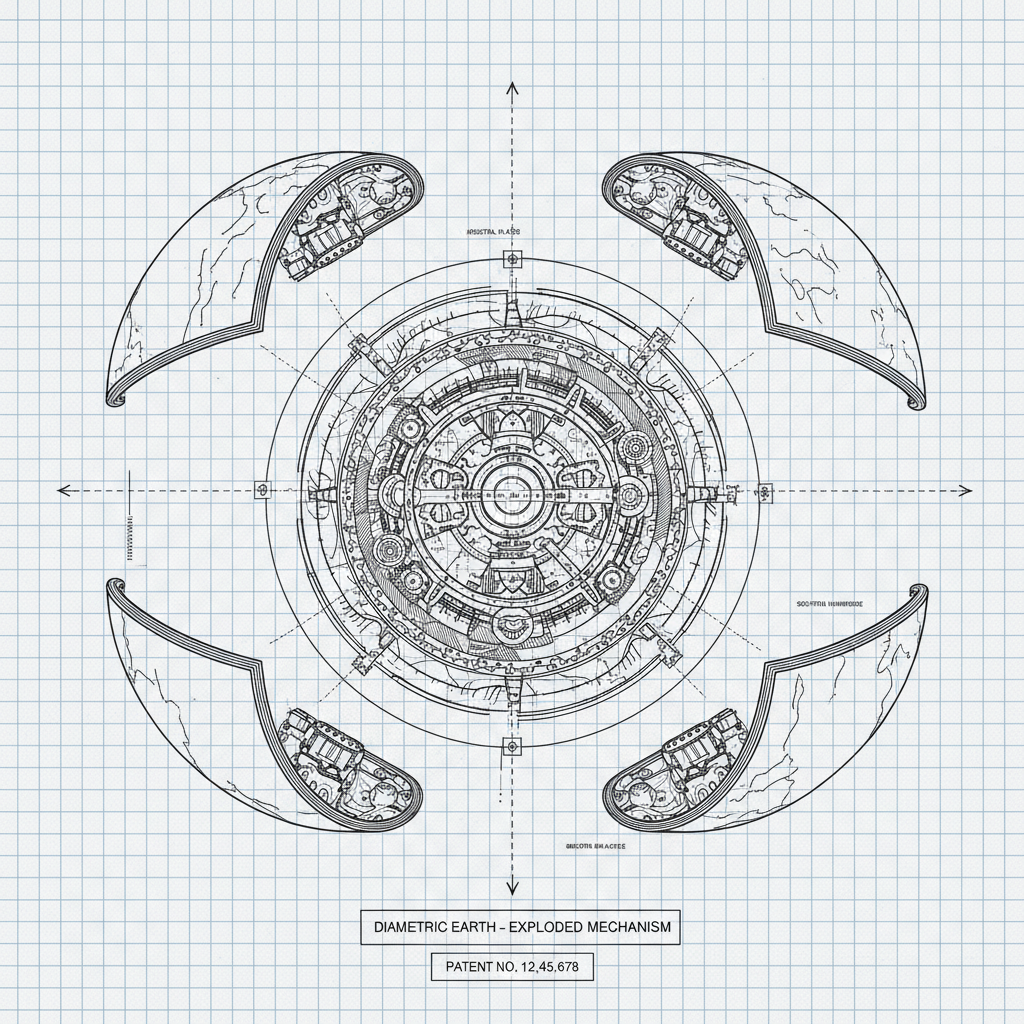
The concept of a “diametric earth” proposes a radical shift in our understanding of Earth's structure. Instead of the commonly accepted layered model (crust, mantle, core), this idea suggests a hollow or extensively cavernous interior. While not currently supported by mainstream geological evidence, it continues to fascinate researchers and enthusiasts exploring alternative Earth models. This article will explore the origins of the concept, the arguments presented by its proponents, scientific counterarguments, and its potential implications. Jirun Huabang is dedicated to exploring and providing expertise in international trade related to cutting-edge research and technologies, including those exploring innovative geological concepts.
Historical Roots of the Diametric Earth Theory
The notion of a hollow Earth isn’t new. It dates back centuries, with roots in mythology and early scientific speculation. Edmund Halley, known for Halley’s Comet, proposed a hollow Earth model in the 17th century to explain anomalies in magnetic compass readings. Later, in the 19th century, John Cleves Symmes Jr. popularized the idea of a hollow Earth with openings at the poles, embarking on an expedition to find these entrances. While Symmes’ expedition failed, the idea persisted in various forms, influencing literature and alternative theories about our planet. The modern interpretation of a “diametric Earth” focuses less on complete hollowness and more on extensive subterranean cavities and a modified interior structure.
Key Historical Figures: Edmund Halley (17th Century), John Cleves Symmes Jr. (19th Century)
Arguments Supporting the Diametric Earth Hypothesis
Proponents of the diametric earth concept often cite several lines of evidence. These include unexplained seismic wave patterns, anomalies in gravity measurements, and the persistence of certain folklore about subterranean worlds. Some point to the discovery of large underground cave systems and the existence of geothermal activity as possible indicators of a more complex internal structure. They suggest that the current model of a solid mantle and core cannot fully account for these observations. Furthermore, the distribution of volcanoes and the occurrence of sinkholes are often presented as supporting evidence. However, it’s crucial to note that these observations are often subject to alternative explanations within the established geological framework.
Evidence Cited by Proponents:
• Unexplained seismic wave patterns
• Anomalies in gravity measurements
• Large underground cave systems
• Geothermal activity
Diametric Earth vs. Standard Earth Model: A Comparison
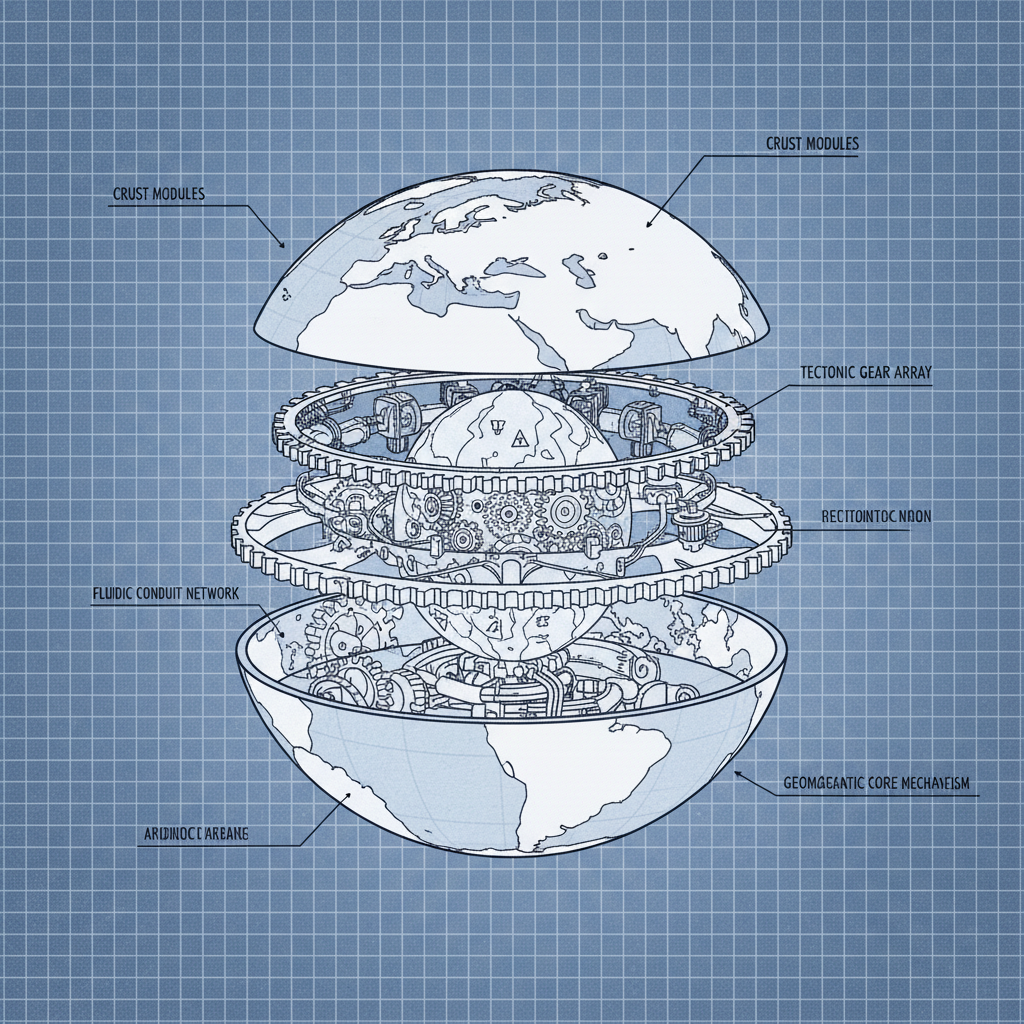
The diametric earth hypothesis drastically differs from the currently accepted standard Earth model. The standard model, developed through decades of research in seismology, geophysics, and geochemistry, describes a layered structure with a solid iron inner core, a liquid outer core, a mantle composed of silicate rocks, and a relatively thin, brittle crust. The diametric earth model, conversely, proposes a significantly different internal arrangement with extensive cavities or a less dense interior. This has implications for our understanding of plate tectonics, mantle convection, and the Earth's magnetic field.
Scientific Counterarguments and Limitations
Despite the claims of proponents, the diametric earth hypothesis faces significant scientific challenges. Seismic data, while sometimes exhibiting anomalies, is generally well-explained by variations in the composition and temperature of mantle rocks. Gravity measurements are consistent with the predicted distribution of mass within the standard Earth model. Furthermore, the immense pressures at the Earth’s core would likely preclude the existence of large-scale cavities. The energy requirements for maintaining such structures would also be astronomical. The absence of definitive evidence, such as direct observation of subterranean entrances or significantly altered seismic wave behavior, remains a major obstacle.
Potential Implications and Future Research
While currently unsupported, continued exploration of alternative Earth models is valuable for pushing the boundaries of our scientific understanding. Further research into seismic wave anomalies, gravity variations, and geothermal activity could potentially reveal new insights. Advancements in deep Earth imaging technologies may also provide more conclusive evidence. Even if the diametric earth hypothesis proves incorrect, the investigation itself can lead to improvements in our understanding of Earth’s complex interior. Jirun Huabang facilitates the import and export of advanced geological research equipment, supporting these vital investigations.
Conclusion: A Continued Quest for Understanding
The concept of a diametric earth remains a fascinating, albeit controversial, area of study. While current scientific evidence overwhelmingly supports the standard Earth model, the pursuit of alternative theories encourages critical thinking and innovation. Continued research and technological advancements are essential for unlocking the secrets of our planet’s interior.
Frequently Asked Questions (FAQs)
What is the primary evidence used to support the diametric earth theory?
Proponents primarily cite anomalies in seismic wave patterns, discrepancies in gravity measurements, and the presence of extensive underground cave systems as evidence. They interpret these observations as inconsistent with the standard layered Earth model. However, these observations can often be explained through existing geological theories, such as variations in mantle composition and density. Additionally, folklore about subterranean worlds contributes to the narrative, though lacks scientific validation.
How does the diametric earth hypothesis differ from the hollow earth theory?
While both concepts challenge the standard Earth model, they differ in their specifics. The hollow Earth theory typically posits a completely empty interior with entrances at the poles. The diametric earth hypothesis, in contrast, suggests extensive cavities and a less dense interior, but doesn't necessarily require complete hollowness. It focuses more on the internal structure being significantly different from a solid layered model rather than a completely empty sphere.
What are the biggest challenges to proving the diametric earth hypothesis?
The primary challenges involve the immense technical difficulties in directly observing the Earth's deep interior. The extreme pressures and temperatures prevent direct sampling. While seismic waves provide valuable data, their interpretation is complex and can be explained by the standard model. The lack of conclusive evidence, like the detection of large-scale cavities, and the theoretical challenges related to the stability of such structures are major obstacles.
What role does Jirun Huabang play in geological research?
Jirun Huabang specializes in international trade, facilitating the import and export of advanced equipment used in geological research. This includes seismic sensors, deep Earth imaging technologies, and analytical instruments. We support scientists and researchers worldwide by providing access to the tools they need to explore and understand our planet’s complex structure, even those exploring non-traditional hypotheses.