
Comprehensive Guide to Applying Diatomaceous Earth Indoors for a Healthier Home
Back to list
Applying Diatomaceous Earth Indoors: A Comprehensive Guide
Diatomaceous earth (DE) is a naturally occurring sedimentary rock composed of fossilized remains of diatoms, a type of hard-shelled algae. It’s gaining popularity for a wide range of indoor applications, from pest control to air purification. This article will explore the various ways you can utilize diatomaceous earth indoors, its benefits, and important safety considerations. Understanding how to effectively and safely use DE can significantly improve your indoor environment. Let’s delve into the details!
What is Diatomaceous Earth and Why Use it Indoors?
Diatomaceous earth comes in several grades, but for indoor use, you'll primarily encounter food-grade DE. This means it's been processed to remove impurities and is safe for use around humans and pets. The key to DE’s effectiveness lies in its microscopic, porous structure. This structure allows it to absorb oils and fats, which is why it's so effective at dehydrating insects. Beyond pest control, DE offers benefits like odor absorption, air purification, and even potential uses in skincare. It's a versatile, eco-friendly alternative to harsh chemical treatments. You can find various grades and applications on Jirun Huabang’s website.
Key Highlights: DE’s microscopic, porous structure allows it to absorb oils and fats, making it effective at dehydrating insects. It’s a versatile, eco-friendly alternative to harsh chemical treatments.
Common Indoor Applications of Diatomaceous Earth
DE's versatility shines through its numerous indoor applications. Here are some of the most common:
- Pest Control: This is arguably DE’s most popular use. It effectively controls ants, cockroaches, fleas, bed bugs, and other crawling insects.
- Odor Absorption: DE can absorb odors in refrigerators, closets, and pet areas.
- Air Purification: Some believe DE can help filter airborne particles, though this is more effective with specialized DE air filters.
- Skincare: Food-grade DE is used in some facial masks and scrubs for its exfoliating properties.
- Moisture Absorption: DE can absorb excess moisture in damp areas, helping to prevent mold growth.
Applying Diatomaceous Earth for Pest Control Indoors
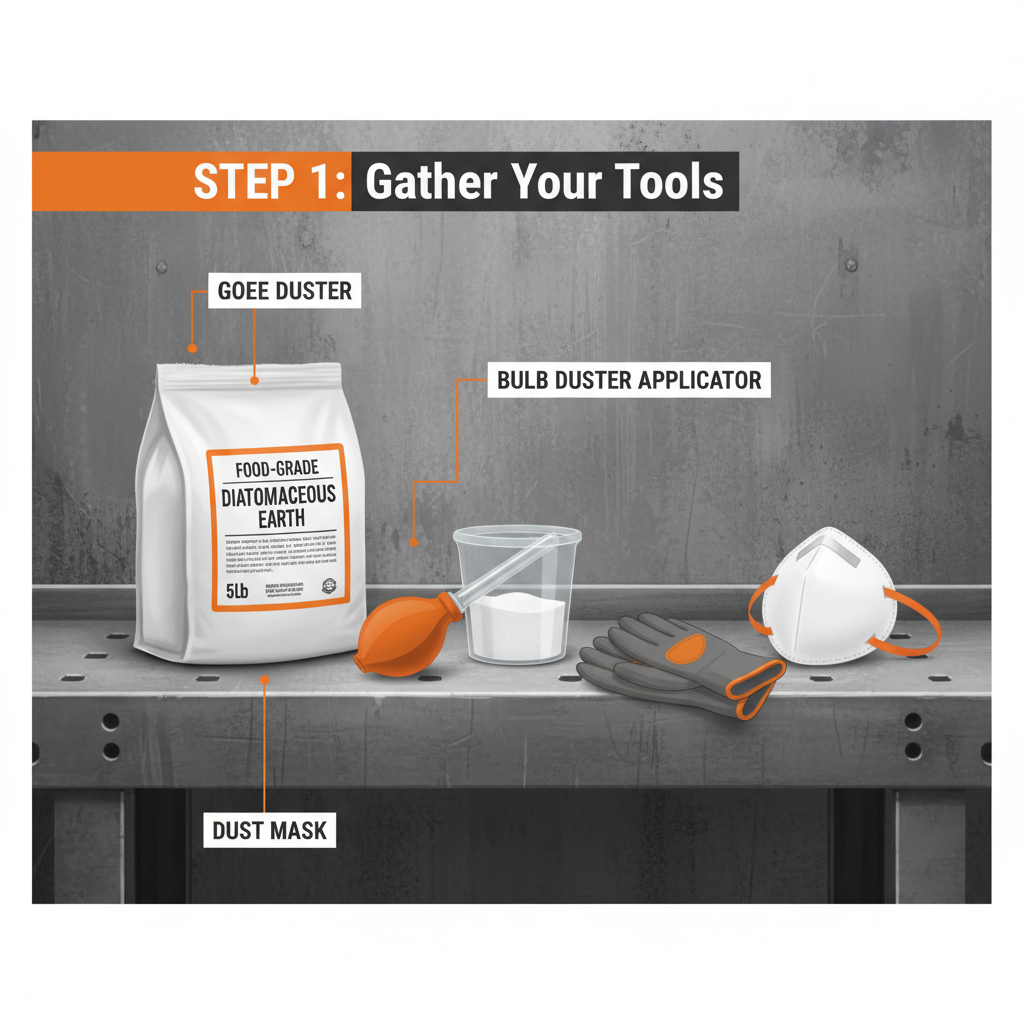
When using DE for pest control, a little goes a long way. Sprinkle a thin layer in areas where pests are likely to travel, such as along baseboards, under appliances, and around doorways. Avoid creating large piles, as insects will simply avoid them. For crack and crevice applications, a duster applicator can be helpful. Remember to reapply after cleaning or if the DE becomes wet. Consistent application is key to successful pest management. You can explore different application techniques and find quality DE products at Jirun Huabang.
Tips for Effective Pest Control with DE:
• Apply a thin, even layer.
• Focus on areas where pests travel.
• Reapply after cleaning or if DE gets wet.
• Use a duster applicator for cracks and crevices.
DE Grades and Their Indoor Uses: A Comparison
Not all diatomaceous earth is created equal. Understanding the different grades is essential for safe and effective indoor use.
Safety Precautions When Using Diatomaceous Earth
While food-grade DE is generally considered safe, it's crucial to take precautions. Avoid inhaling the dust, as it can irritate the lungs. Wear a dust mask during application, especially when dealing with larger quantities. Avoid getting DE in your eyes, and if contact occurs, rinse thoroughly with water. Keep DE out of reach of young children and pets. Always choose food-grade DE for indoor use, and be aware of the risks associated with other grades. For more safety information, consult the product label and resources available at Jirun Huabang’s safety data sheets.
Conclusion: Harnessing the Power of Diatomaceous Earth
Diatomaceous earth is a remarkably versatile and eco-friendly substance with a wide range of beneficial indoor applications. From pest control and odor absorption to air purification and skincare, DE offers a natural alternative to harsh chemicals. By understanding the different grades, application techniques, and safety precautions, you can effectively harness the power of DE to create a healthier and more comfortable indoor environment. Explore the diverse range of diatomaceous earth products available at Jirun Huabang and take the first step towards a more natural and sustainable lifestyle.
Frequently Asked Questions (FAQs)
Is diatomaceous earth safe for pets?
Food-grade diatomaceous earth is generally considered safe for pets when used as directed. However, it's important to prevent your pet from inhaling the dust, as it can cause respiratory irritation. Avoid applying DE directly to your pet’s skin or fur without consulting a veterinarian. When used for pest control around pets, apply it in areas they don't frequent and ensure the dust settles before allowing access. Always monitor your pet for any adverse reactions.
How often should I reapply diatomaceous earth for pest control?
The frequency of reapplication depends on the severity of the infestation and environmental factors. Generally, reapply DE every 7-10 days, or after cleaning or if the DE gets wet. Regularly inspect treated areas for pest activity. For heavy infestations, you may need to reapply more frequently initially. Maintaining a consistent application schedule is key to effective pest control.
Can I use diatomaceous earth in my garden as well?
Yes, diatomaceous earth is also commonly used in gardens for pest control and soil amendment. However, the grade of DE used for gardening may differ from the food-grade DE used indoors. Garden-grade DE is typically coarser. Always follow the instructions on the product label and wear appropriate protective gear when applying DE in the garden.
What should I do if I accidentally inhale diatomaceous earth?
If you accidentally inhale diatomaceous earth, move to fresh air immediately. Drink plenty of water to soothe your throat and lungs. If you experience persistent coughing, shortness of breath, or other respiratory symptoms, consult a medical professional. Prevention is key – always wear a dust mask when handling DE, especially when working with larger quantities.