Zeolite pure represents a critical advancement in material science, offering a sustainable and highly effective solution across a diverse range of industries. Its unique crystalline structure and exceptional adsorption properties make it invaluable for everything from water purification and air filtration to advanced catalytic processes and agricultural enhancements. Understanding zeolite pure is no longer simply an academic pursuit, but a necessity for organizations aiming for efficiency, environmental responsibility, and long-term sustainability.
Globally, the demand for efficient resource management and pollution control is escalating, driven by population growth, industrial expansion, and increasing environmental awareness. According to the UN, approximately 2.2 billion people lack access to safely managed drinking water services, creating a critical need for innovative filtration technologies. Simultaneously, industrial emissions and agricultural runoff contribute significantly to air and water pollution. Zeolite pure offers a tangible solution to these challenges, enabling cleaner production processes, reducing environmental impact, and promoting public health.
The significance of zeolite pure extends beyond its functional capabilities. Its potential to unlock new possibilities in sustainable chemistry, energy storage, and environmental remediation positions it as a cornerstone of future technological development. From improving crop yields to enabling carbon capture technologies, zeolite pure is becoming increasingly integral to a circular economy and a more sustainable future.
Introduction to zeolite pure
Zeolite pure's crystalline structure offers unparalleled selectivity in adsorption processes, crucial for various industrial applications. Its ability to remove specific contaminants from mixtures makes it highly sought after in environmental remediation and chemical purification.
The growing demand for cleaner technologies is driving increased research and development into zeolite pure production methods and applications. From improving catalytic efficiency to enhancing gas separation processes, zeolite pure is continually proving its versatility and importance in a resource-constrained world.
Defining zeolite pure
Zeolite pure is an aluminosilicate mineral with a microporous structure. This structure is characterized by a three-dimensional framework of interconnected tetrahedra of silicon and aluminum atoms. The pores within the framework have a uniform size, allowing for the selective adsorption of molecules based on their size and polarity. Unlike amorphous silica, zeolite pure offers a defined and consistent pore structure, crucial for precise separation and catalytic processes.
This unique characteristic connects zeolite pure directly to modern industry’s needs for efficient separation and purification. Industries reliant on precise chemical processes, such as petrochemical refining and pharmaceuticals, rely heavily on the selective adsorption properties of zeolite pure. Its contribution extends to humanitarian needs by providing affordable and effective water purification solutions.
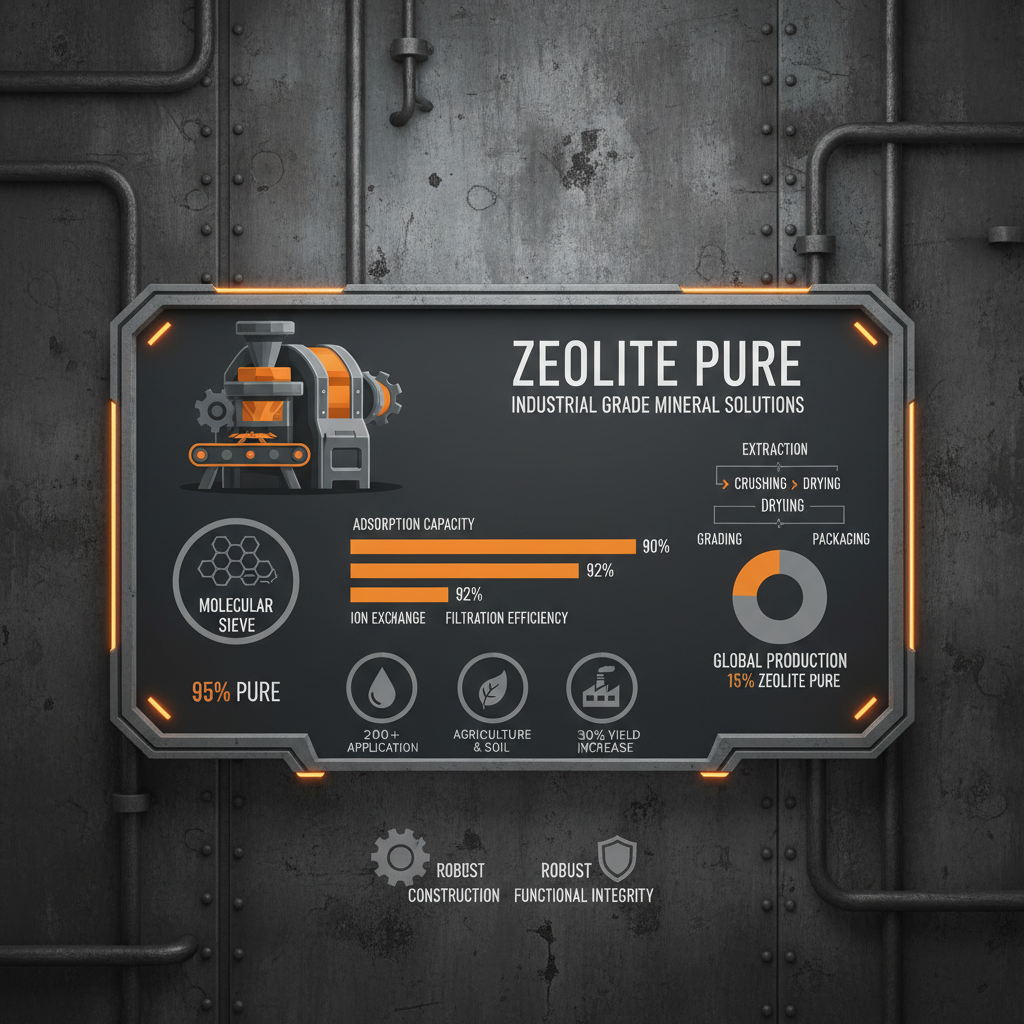
Essentially, zeolite pure acts as a molecular sieve, allowing certain molecules to pass through while trapping others. This is crucial for applications like drying agents, gas separation, and ion exchange, making it an indispensable material in both industrial and environmental contexts.
Core Characteristics of zeolite pure
Durability is a key characteristic of zeolite pure. Its robust crystalline structure allows it to withstand high temperatures and pressures without significant degradation, making it suitable for harsh industrial environments. This stability extends to resistance against chemical attack, ensuring a long operational lifespan.
Selectivity is another crucial aspect. The consistent pore size and chemical properties of zeolite pure enable highly selective adsorption of specific molecules. This allows for efficient separation of complex mixtures, significantly reducing energy consumption and waste generation compared to conventional methods.
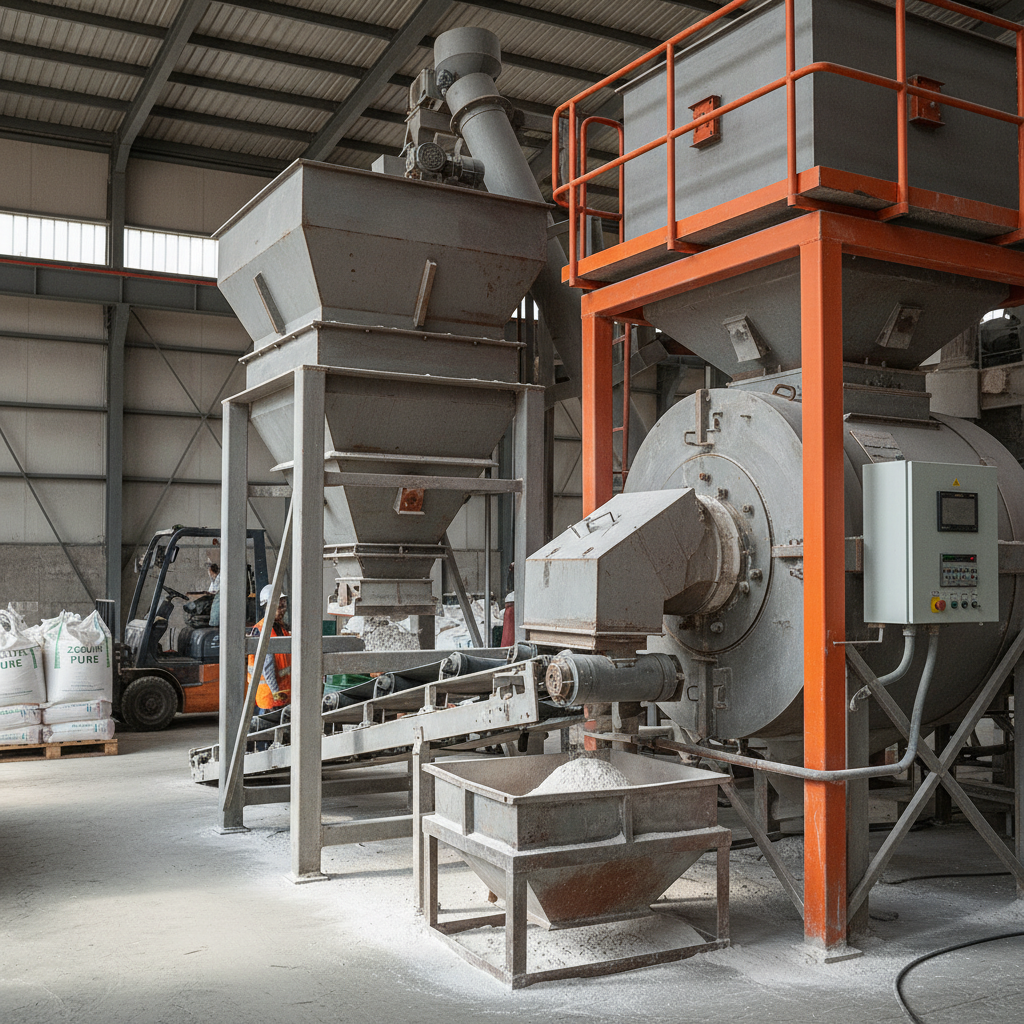
Scalability is increasingly important. Modern production techniques allow for the large-scale synthesis of zeolite pure with controlled properties, ensuring consistent performance across diverse applications. This scalability addresses the growing global demand for these materials.
Key Applications of zeolite pure
Water purification is a cornerstone application of zeolite pure. Its ability to selectively adsorb heavy metals, ammonia, and other contaminants makes it highly effective in removing pollutants from drinking water and wastewater. This application is critical in areas with limited access to clean water resources.
Air purification utilizes zeolite pure to remove volatile organic compounds (VOCs) and other harmful gases from the air, improving indoor air quality and reducing environmental pollution. This is particularly important in industrial settings and urban areas with high levels of air pollution.
zeolite pure Application Efficiency Ratings
Global Impact of zeolite pure
In post-disaster relief operations, zeolite pure is used to create portable water purification systems, providing safe drinking water to affected populations. Its ease of use and effectiveness make it an invaluable resource in emergency situations.
In remote industrial zones, zeolite pure plays a critical role in treating industrial wastewater, minimizing environmental pollution and protecting local ecosystems. Its effectiveness in removing specific pollutants ensures compliance with environmental regulations.
Benefits & Value of zeolite pure
The cost-effectiveness of zeolite pure stems from its longevity and regenerability. Unlike many other filtration materials, zeolite pure can be regenerated through heating or chemical treatment, extending its lifespan and reducing the need for frequent replacements. This translates to significant long-term savings.
Sustainability is another key benefit. Zeolite pure is derived from naturally occurring minerals, making it an environmentally friendly alternative to synthetic materials. Its use in pollution control and resource recovery further contributes to a circular economy and a reduced environmental footprint.
Future Trends in zeolite pure Technology
Ongoing research is focused on synthesizing new zeolite structures with enhanced selectivity and catalytic activity. Nanotechnology is being employed to create zeolite materials with tailored pore sizes and surface properties, optimizing their performance in specific applications.
The integration of zeolite pure into carbon capture technologies is a promising area of development. Zeolite pure can selectively adsorb CO2 from flue gas, offering a potential solution for mitigating climate change. This aligns with global efforts to reduce greenhouse gas emissions.
Furthermore, advancements in digital modeling and machine learning are accelerating the discovery and optimization of zeolite materials, streamlining the development process and reducing time-to-market for new applications.
Summary of Zeolite Pure Challenges and Potential Solutions
| Challenge |
Impact on zeolite pure Performance |
Potential Solution |
Implementation Cost (1-10) |
| Pore Blocking |
Reduced adsorption capacity and selectivity |
Regular regeneration or pre-treatment of feed stream |
4 |
| Cost of Synthesis |
Limited widespread adoption in price-sensitive markets |
Exploring alternative, lower-cost synthesis routes |
7 |
| Mechanical Strength |
Breakdown during handling and application |
Incorporating binders or creating composite materials |
5 |
| Selectivity Limitations |
Inability to separate closely related molecules |
Tailoring pore size and surface chemistry through modification |
6 |
| Environmental Impact of Production |
Use of harmful chemicals during synthesis |
Developing "green" synthesis methods using sustainable materials |
8 |
| Scalability of Novel Zeolites |
Difficulties in producing new materials at industrial scales |
Optimizing synthesis parameters and reactor design |
7 |
FAQS
Zeolite pure offers several advantages over conventional water filtration techniques. Its selective adsorption properties allow it to remove specific contaminants with higher efficiency, often requiring less energy and fewer chemicals. Unlike some methods, zeolite pure doesn't simply trap pollutants; it actively adsorbs them, leading to a more thorough purification process. Furthermore, its regenerability reduces long-term costs and environmental impact.
The lifespan of zeolite pure depends heavily on the concentration of contaminants in the treated medium and the frequency of use. Generally, zeolite pure can effectively operate for several months to years before requiring regeneration. Regeneration involves heating or chemical treatment to remove adsorbed contaminants, restoring its original capacity. Complete replacement is typically only necessary after prolonged use and significant structural degradation.
Yes, zeolite pure is considered a sustainable and environmentally friendly material. It's derived from naturally occurring aluminosilicate minerals, minimizing reliance on synthetic compounds. Its ability to reduce pollution, conserve water, and promote resource recovery aligns with the principles of a circular economy. Furthermore, the regenerability of zeolite pure reduces waste generation compared to disposable filtration materials.
Zeolite pure is widely used in industrial settings for various applications, including gas separation (e.g., oxygen and nitrogen production), catalytic cracking of hydrocarbons, dehydration of gases and liquids, and wastewater treatment. It’s also utilized in the production of detergents, plastics, and other chemical products. Its versatility and efficiency make it an indispensable material in numerous industrial processes.
Absolutely. Zeolite pure's porous structure and adsorption properties make it highly effective at removing odors and volatile organic compounds (VOCs) from indoor air. It can trap and neutralize these compounds, improving air quality and creating a healthier indoor environment. Zeolite pure is often incorporated into air purifiers and ventilation systems for this purpose.
Regeneration of zeolite pure typically involves heating the material to a high temperature (usually between 200-500°C) in a controlled atmosphere to drive off the adsorbed contaminants. Alternatively, chemical treatment with solutions can also be used to remove specific contaminants. The specific regeneration process depends on the type of zeolite and the nature of the adsorbed compounds. It is crucial to follow proper safety protocols during regeneration.
Conclusion
Zeolite pure represents a powerful and versatile material with significant implications for a wide range of industries and environmental challenges. Its unique properties, including selective adsorption, durability, and regenerability, offer sustainable and cost-effective solutions for water purification, air purification, industrial processes, and beyond. From mitigating pollution to enhancing resource efficiency, zeolite pure is proving to be an invaluable asset in the pursuit of a more sustainable future.
Looking ahead, continued research and development focused on optimizing synthesis methods, tailoring pore structures, and integrating zeolite pure into innovative technologies will unlock even greater potential. By embracing the opportunities presented by this remarkable material, we can address critical global challenges and pave the way for a cleaner, healthier, and more sustainable world. Visit our website at zeolite pure to learn more.