
Yuhua stone natural river polished rocks with colorful veins smooth texture and unique patterns applied as interior decorations garden ornaments and creative crafts for home decoration
Back to list
Dec . 17, 2025 16:34
Yuhua Stone is natural rock shaped and refined by relentless river forces and gradual geological changes over extremely long periods, often spanning thousands to millions of years. It originates mainly from large river basins and adjacent lacustrine areas where sedimentary rocks (such as sandstone and limestone) break down into small mineral fragments under combined effects of physical weathering (like freeze-thaw cycles) and chemical weathering (like acid rain erosion). These mineral fragments are then carried by fast-flowing water, undergoing constant friction, collision and repeated polishing with other stones, gravel and fine riverbed sediments during transportation. This prolonged and gentle river polishing not only smooths rough edges and corners of Yuhua Stone into rounded or oval shapes but also gradually exposes internal mineral compositions—minerals like quartz (adding transparency), feldspar (contributing white and pink hues) and iron oxides (creating red, yellow and brown tones) crystallize and accumulate along cracks and pores, forming intricate colorful veins and patterns. Each Yuhua Stone undergoes unique combination of polishing intensity, mineral distribution and transportation distance during this process, resulting in unique appearance with no two pieces sharing identical patterns, color proportions or shape details.
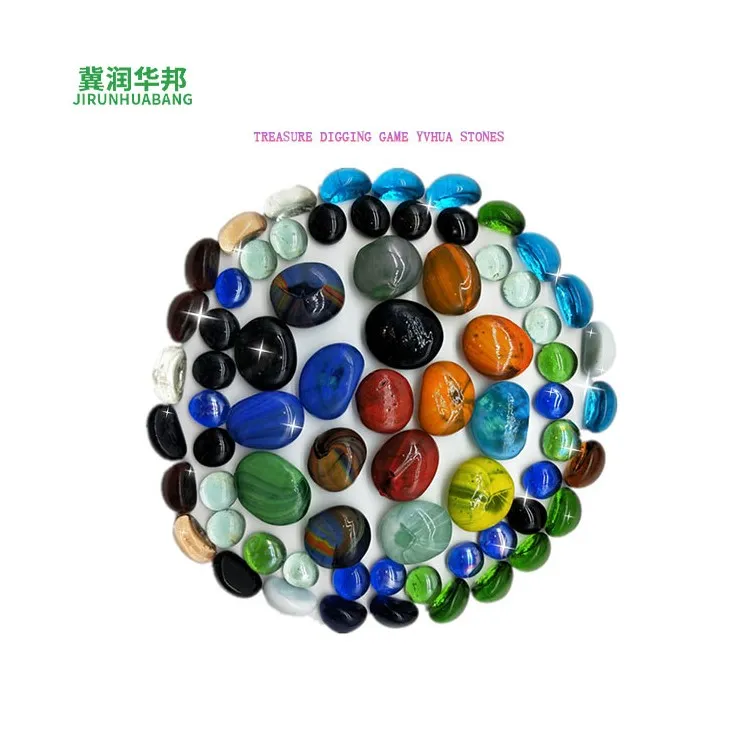
Key traits of Yuhua Stone include vibrant and varied colorful veins, silky smooth surface texture and inherent irreplaceable uniqueness. Veins on Yuhua Stone exhibit diverse forms—ranging from thin, winding lines that resemble streams to broad, irregular patches that look like clouds, and even dense clusters that mimic blooming flowers or mountain ranges. Color palette of these veins is equally rich, spanning pure white, light gray, deep red, warm yellow, emerald green and even subtle purple, blending naturally at edges to form harmonious and abstract patterns. After years of continuous water polishing, surface of Yuhua Stone becomes extremely smooth, free of any rough spots, with silky touch that feels cool to touch in summer and warm in winter; when exposed to light, it emits subtle matte luster that does not dazzle, highlighting depth of its colors. Uniqueness stands as most prominent trait of Yuhua Stone; even stones collected from same river section differ in vein distribution, color intensity, shape curvature and surface luster, giving each Yuhua Stone distinct character and irreplaceable charm that cannot be replicated by artificial materials.
Interior decoration field widely adopts Yuhua Stone for its natural aesthetic appeal and practical performance, becoming popular choice in both residential and commercial spaces. Polished Yuhua Stone serves as versatile decorative element that adapts to various design styles. Large, thick Yuhua Stone pieces are cut into solid table tops (for dining tables, coffee tables or bedroom dressers), wall panels (for accent walls in living rooms or hotel lobbies) and floor tiles (for entryways or balconies), adding natural elegance and texture to spaces. Smaller, exquisitely patterned Yuhua Stone specimens are used as standalone ornaments—placed on bookshelves, fireplace mantels, office desks or display cabinets to create eye-catching focal points. Its smooth surface pairs seamlessly with different decoration styles: in traditional spaces, it matches solid wooden furniture and calligraphy works to enhance classical charm; in modern minimalist interiors, it complements metal fixtures, glass elements and neutral-toned sofas to balance coldness with natural warmth. Beyond aesthetics, Yuhua Stone also boasts practical advantages—it resists common stains (like coffee, tea and oil) and minor scratches, making it suitable for high-traffic areas like entryway tabletops and kitchen backsplashes.
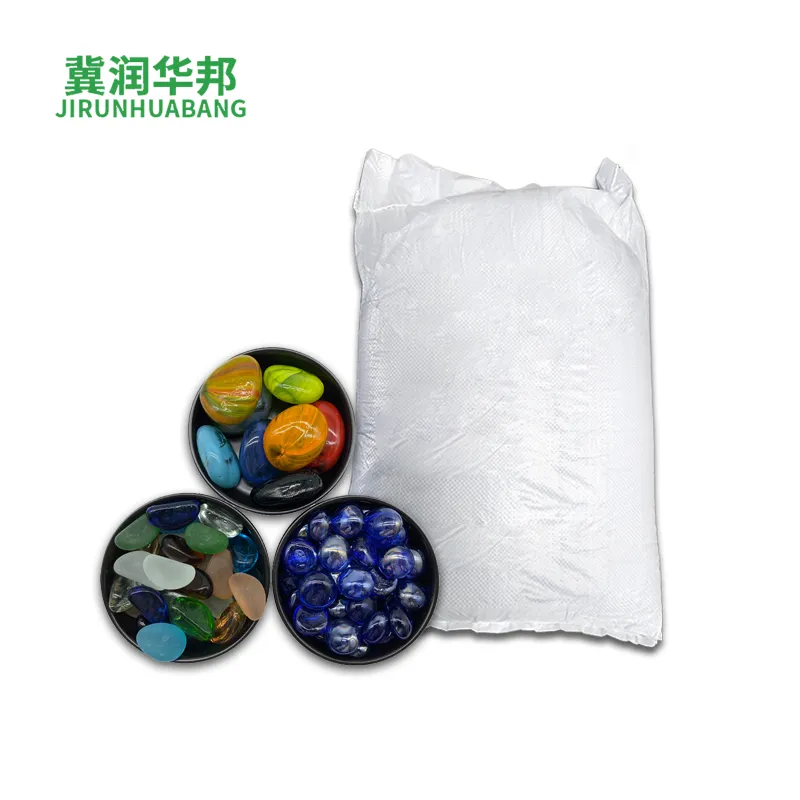
Garden and outdoor landscaping industry values Yuhua Stone highly for its ability to blend seamlessly with natural surroundings while adding visual interest. It is widely used in various outdoor scenarios: in garden paths, polished Yuhua Stone tiles of different sizes are laid in patterns (like herringbone or random mosaic) to create non-slip walking surfaces with unique color appeal, avoiding monotony of ordinary concrete paths. In water features such as fountains, ponds or small waterfalls, Yuhua Stone is arranged along edges to form natural-looking banks, or placed at bottom of clear water—its colorful patterns contrast beautifully with rippling water, creating dynamic visual effects when sunlight shines through. Garden designers also use Yuhua Stone as accents in flower beds (placed around rose bushes or succulents) or rock gardens (mixed with other natural stones like limestone and granite), where its rounded shape and smooth texture enhance organic, unforced feel of landscape. Unlike artificial decorative stones that fade or crack easily, Yuhua Stone weathers gently over time—surface luster becomes more mellow, and colors integrate more deeply with surrounding plants and soil, maintaining long-lasting beauty while blending into outdoor environment.
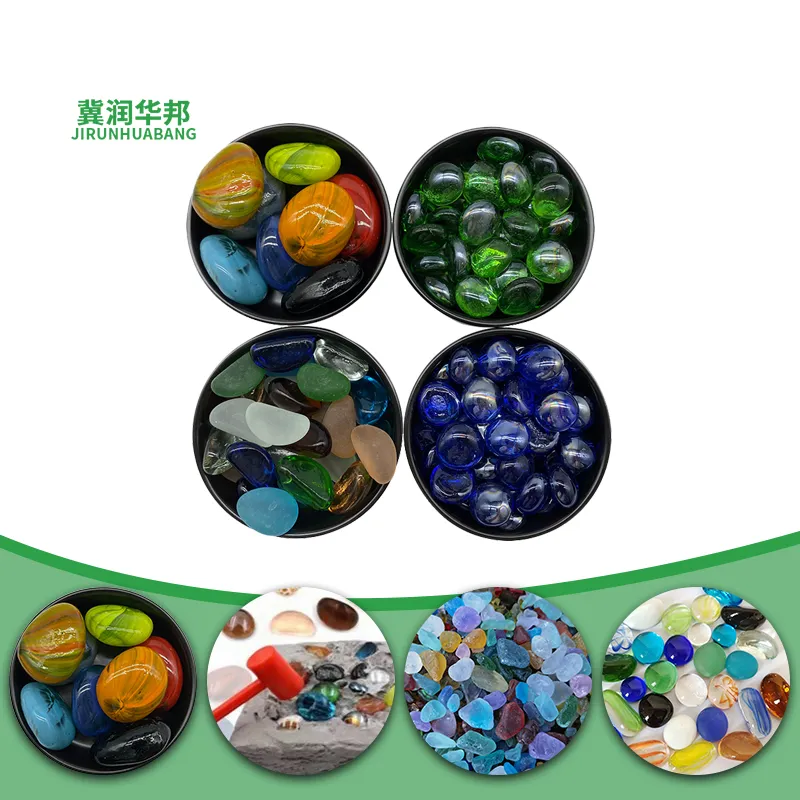
Creative crafts sector fully leverages uniqueness and natural beauty of Yuhua Stone to produce distinctive, high-appeal handiworks. Craftsmen follow strict procedures to process Yuhua Stone while preserving its inherent traits: first, they select stones with attractive patterns and shapes, then soak and scrub them repeatedly to remove all mud and impurities, followed by hand-polishing with sandpaper of gradually finer grits to enhance smoothness and highlight vein details. Thin, flat slices of Yuhua Stone are made into practical items like bookmarks (with edges smoothed to avoid scratching pages), coasters (sealed with natural wax to resist water) and placemats (arranged in sets with matching patterns). Jewelry makers focus on small, well-shaped Yuhua Stone pieces, setting them into silver or copper frames to create pendants, earrings, bracelets and rings—these natural accessories appeal to consumers tired of mass-produced synthetic jewelry. Some skilled craftsmen also combine Yuhua Stone with other natural materials: embedding small stones into wooden decorative boxes, gluing thin slices into mosaic wall art or pairing them with resin to make desk organizers. These crafts retain core characteristics of Yuhua Stone (colorful patterns, smooth texture) while adding practical or wearable functions, winning favor among consumers who value natural, unique and eco-friendly items.
Processing of Yuhua Stone centers on preserving its natural beauty and inherent traits, with simple, gentle and eco-friendly procedures that avoid damaging original characteristics. After being collected from riverbeds or riverbanks, raw Yuhua Stone is first sorted—craftsmen separate stones by size, shape and pattern quality to determine their intended use (large pieces for table tops, small ones for crafts). Next comes cleaning: raw stones are soaked in clean water for several hours to loosen embedded mud and sand, then scrubbed gently with soft-bristled brushes (hard brushes are avoided to prevent scratching surfaces). Polishing is critical step: stones are polished with slow-speed polishing machines fitted with fine-grained abrasives (like aluminum oxide powder) or by hand with sandpaper, starting from coarse grit to smooth rough surfaces, then switching to fine grit to achieve silky finish and enhance color vibrancy. For specific uses like table tops or wall panels, Yuhua Stone is cut with diamond-tipped precision tools—cutting direction follows natural grain of stone to avoid chipping or cracking, and cuts are designed to highlight most attractive veins and patterns. Throughout entire processing chain, no chemical dyes, bleaches or coatings are used, ensuring original colors, textures and patterns of Yuhua Stone remain fully intact.
Share