
Vermiculite natural mineral for small furnace linings historic building renovations industrial use commercial applications lightweight porous heat resistant
Back to list
Dec . 08, 2025 15:10
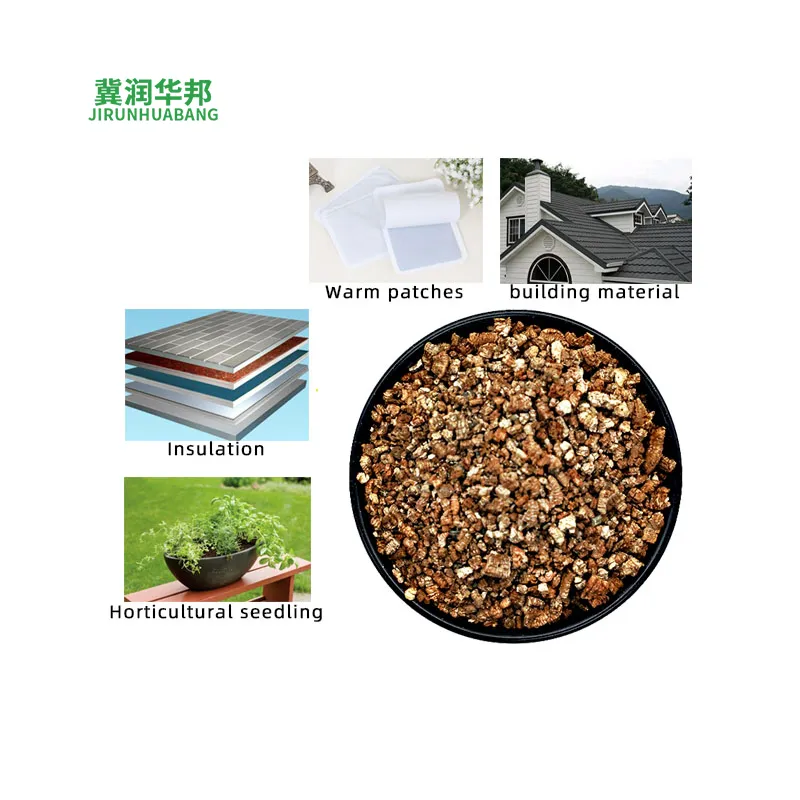
Vermiculite is natural phyllosilicate mineral shaped by slow, complex geological processes—primarily long-term weathering of mica minerals exposed to cycles of sun, heavy rain and strong wind, which gradually break down mica’s dense structure, or hydrothermal changes in deep underground zones where high temperature and pressure, paired with mineral-rich fluids, alter mica’s molecular composition over thousands of years. Most notable feature is its unique exfoliation behavior: when heated moderately (to range that balances expansion and structural integrity), moisture tightly locked between mineral’s thin, flexible layers turns to steam in an instant, creating powerful outward force that pushes layers apart dramatically. This transformation is striking—dense, small, platelet-like mineral expands into lightweight, porous material with delicate worm-like strands, increasing in volume by multiple times while retaining its inherent strength. Exfoliated vermiculite boasts a suite of inherent traits that make it stand out in industrial and commercial fields: it is purely inorganic, containing no organic components that rot, mold or attract pests; non-combustible, meaning it will not catch fire, melt or contribute to flame spread even when directly exposed to high heat or open flames; heat resistant, able to keep its structure stable under prolonged thermal stress without cracking or degrading; highly porous, with countless tiny interconnected cavities that enable excellent insulation and moisture absorption; and chemically inert, refusing to react with metals, plastics, binders or other common materials, nor does it degrade or lose properties over decades of use. These well-balanced properties let it fit into innovative applications rarely covered by synthetic materials, which often excel at one trait but lack such comprehensive performance.
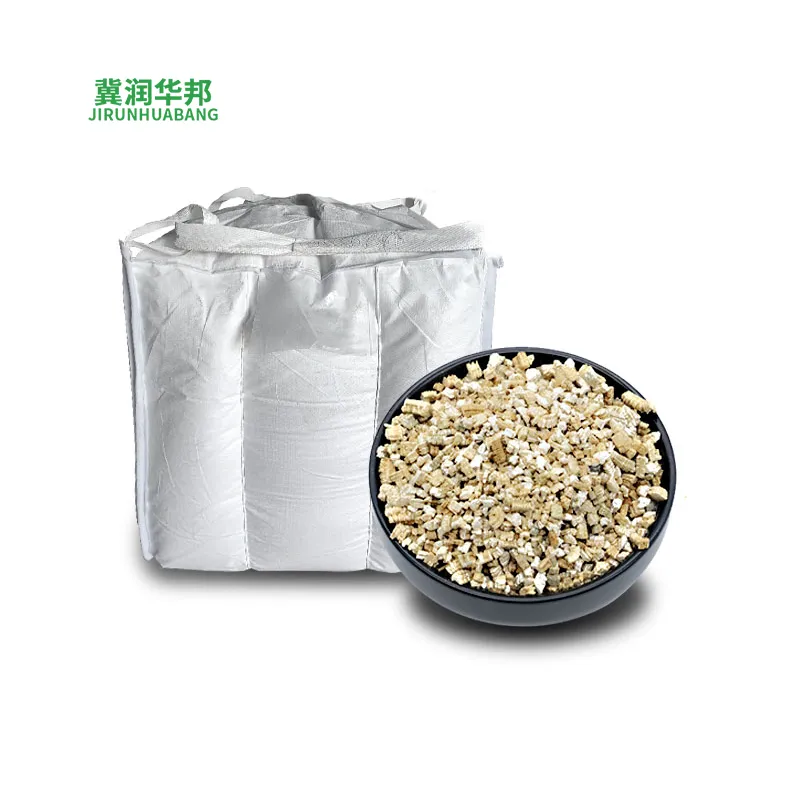
Cold chain insulation relies heavily on vermiculite’s excellent thermal retention and precise moisture control—two critical needs for transporting temperature-sensitive goods. It is widely used in insulated containers, from small portable coolers for biological samples to large shipping containers for pharmaceuticals and fresh produce. Exfoliated vermiculite is mixed with flexible, food-safe binders to make thin, bendable insulation panels that line container walls, floors and lids seamlessly. Its porous structure traps static air efficiently, forming tight thermal barrier that slows heat entry significantly, keeping interior cold for extended periods—even during long-distance shipments across hot regions. Unlike some synthetic insulation materials that become brittle or deform at freezing temperatures, vermiculite remains stable and flexible in sub-zero conditions, maintaining its insulation performance without cracking. It also excels at absorbing minor condensation that naturally forms inside sealed containers due to temperature fluctuations, preventing water droplets from dripping onto delicate goods like medical vaccines or ripe fruits and causing spoilage. These panels are remarkably lightweight, adding only minimal weight to containers—critical for reducing shipping costs, especially for air freight where weight directly impacts expenses, while still ensuring reliable temperature stability throughout transit.
Stage safety cushioning leverages vermiculite’s unique combination of non-combustible and shock-absorbing qualities, making it a staple in theaters, large concert venues, Broadway shows and film set productions. It is packed into durable, breathable fabric bags (often made of fire-resistant polyester) that are strategically placed around stage edges, under high platforms for aerial performances, or near pyrotechnic effect areas where fire risk is elevated. Exfoliated vermiculite’s porous, springy texture absorbs impact from accidental falls effectively, cushioning performers’ bodies without being overly hard or rigid—striking perfect balance between safety and comfort. Its non-combustible nature is a game-changer for entertainment venues: unlike foam or cotton cushions that catch fire easily when exposed to hot stage lights or stray pyrotechnic sparks, vermiculite won’t ignite, eliminating fire risk from safety cushioning materials. Unlike foam cushions that flatten and lose shock absorption after repeated use, vermiculite retains its shape and cushioning ability for years, needing only occasional fluffing to restore its volume. It also doesn’t release toxic fumes or unpleasant odors when exposed to intense stage lights or high temperatures, ensuring a safe, healthy environment for performers, crew and audience members.
Small furnace linings made with vermiculite cater specifically to metalworking small shops, custom jewelry studios, dental labs and artisanal metal casters that rely on small-scale melting furnaces. It is blended with heat-resistant binders such as potassium silicate or alumina cement (selected based on furnace’s maximum operating temperature) to form moldable pastes or pre-cut, rigid liners. These liners are designed to line furnace interiors tightly, creating a heat-retentive barrier that maintains stable, uniform temperatures—essential for melting metals like silver, gold, copper or dental alloys, where temperature variations can ruin finished products. Their lightweight nature is a huge advantage for small workspaces: unlike heavy ceramic liners that add significant bulk to furnaces, vermiculite-based liners reduce furnace’s overall weight by large margin, making it easier to move, position and install even in compact studios. Unlike dense ceramic liners that crack easily under rapid temperature changes (common in small furnaces that heat up and cool down frequently), vermiculite-based liners have excellent thermal shock resistance, adapting smoothly to repeated heating and cooling cycles without developing cracks. They also keep furnace exteriors much cooler than ceramic alternatives, lowering risk of accidental burns in small, crowded studios where workers operate in close proximity to equipment.
Historic building renovations, especially for preserving cherished heritage structures like old stone churches, medieval manor houses or colonial-era mansions, benefit immensely from vermiculite’s unique compatibility with traditional building materials. It is widely used as insulation for thick stone walls, wooden roof rafters and historic brickwork—loose fill vermiculite is poured into wall cavities using narrow funnels and soft brushes, ensuring it reaches every crevice without damaging delicate historic stonework, intricate wood carvings or fragile plaster decorations. When mixed with natural lime (a staple in traditional masonry), it creates insulation mortars perfect for repairing old, crumbling masonry walls—these mortars match the texture, color and breathability of traditional recipes while adding much-needed thermal performance. Vermiculite-based fireproofing sprays, formulated to be thin and translucent, are applied to exposed wooden beams and trusses, enhancing fire resistance without covering or obscuring historic wood grain patterns that are key to building’s heritage value. Its ability to blend seamlessly with lime, stone, old wood and traditional plasters ensures renovations preserve the building’s unique architectural heritage while meeting modern safety, energy efficiency and comfort standards required for public access or residential use.
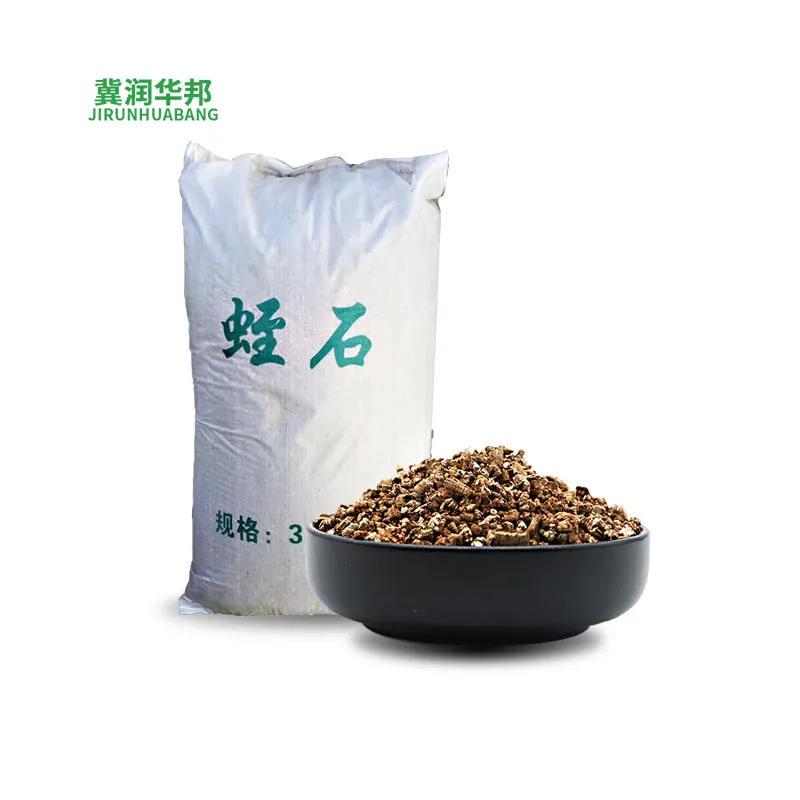
Vermiculite offers a range of practical advantages that streamline use for businesses across industries, reducing operational hassle and costs. A key benefit is ease of handling: it requires no specialized or expensive equipment. Loose fill vermiculite comes in sturdy, easy-to-store bags that can be poured directly into insulation cavities, stage cushion bags or furnace liners—no heavy machinery or complex tools needed. Mixed formulations, such as insulation pastes or fireproofing sprays, blend smoothly with standard tools like mixing buckets, trowels or handheld sprayers, integrating seamlessly into existing workflows without requiring staff to undergo specialized training. Supply reliability is another major plus: its global mining network spans continents, ensuring consistent access to material even for urgent projects like last-minute concert venue setups, time-sensitive heritage renovation deadlines or unexpected cold chain container upgrades. It is also incredibly safe to use: non-toxic, odorless and low-dust when processed properly, making it suitable for occupied spaces like theaters, dental labs, historic buildings and even healthcare facilities. Modern processing includes rigorous screening and quality checks to ensure uniform particle size, so performance remains consistent across batches—critical for applications like furnace linings or cold chain insulation where uniformity directly impacts results. Additionally, it bonds exceptionally well with various binders, mortars, fabrics and ceramics, letting businesses adapt it to existing production or construction workflows without costly overhauls or formula changes.
Share