
Understanding Diatomaceous Earth Different Grades and Their Applications
Back to list
Understanding Diatomaceous Earth Different Grades
Diatomaceous earth (DE) is a naturally occurring sedimentary rock composed of fossilized remains of diatoms, a type of hard-shelled algae. It's incredibly versatile, finding applications in filtration, pest control, absorbents, and more. However, not all diatomaceous earth is created equal. Different diatomaceous earth grades exist, each tailored to specific uses based on particle size, purity, and processing methods. This article will explore these different grades, their characteristics, and their ideal applications. Understanding the nuances of DE grades is crucial for achieving optimal performance in your intended application.
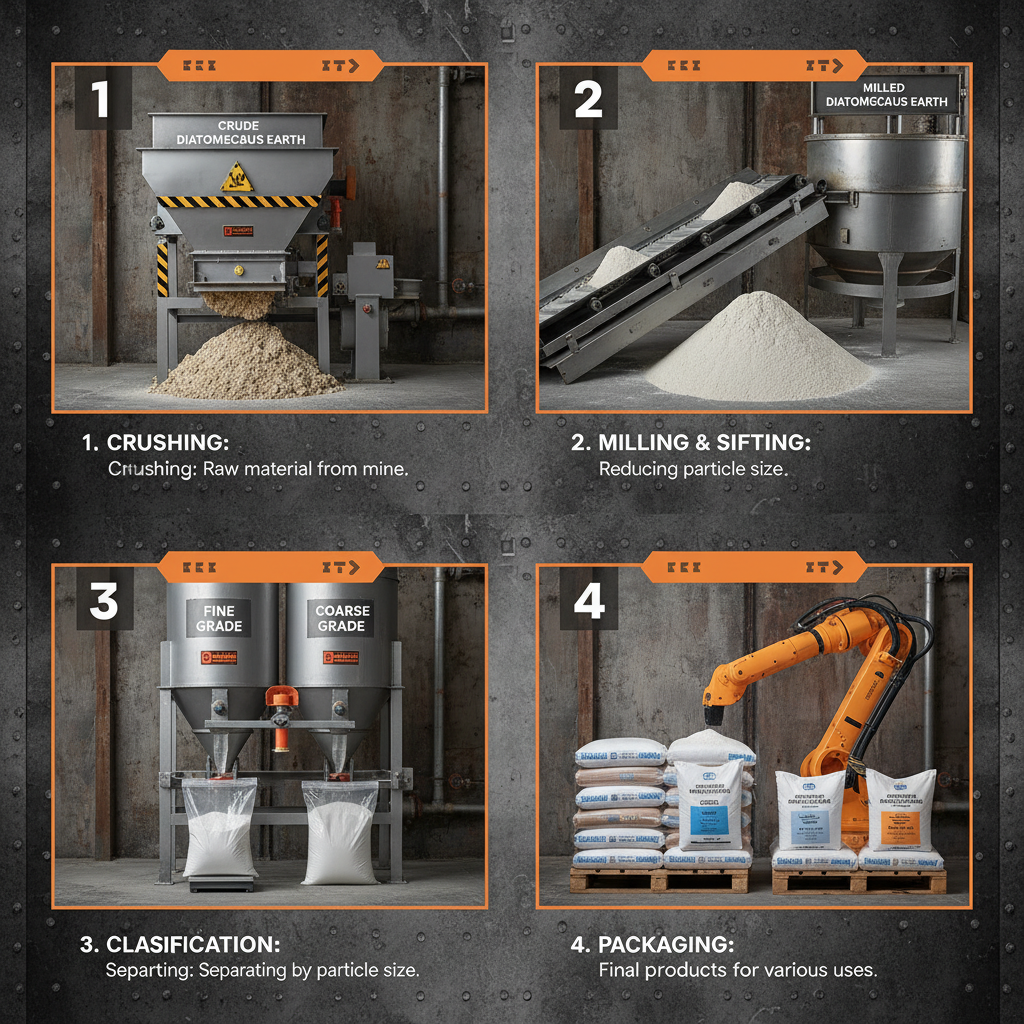
Filter Aid Grades of Diatomaceous Earth
The most common use of diatomaceous earth is as a filter aid. In this role, DE removes impurities from liquids like beer, wine, juices, and chemicals. Filter aid grades are categorized by particle size, measured in microns. Finer grades provide tighter filtration, removing smaller particles, while coarser grades offer higher flow rates. The choice depends on the clarity required and the viscosity of the liquid being filtered. These grades typically boast high porosity and a large surface area, maximizing filtration efficiency. Jirunhuabang provides a comprehensive range of filter-grade DE.
Key Highlights: High porosity, large surface area, classified by particle size (microns), optimal for clarifying liquids.
Industrial Grades: Beyond Filtration
Beyond filtration, diatomaceous earth finds use in various industrial applications. These often require specific properties like high absorption capacity or a certain degree of hardness. Industrial grades might be calcined (heated to high temperatures) to enhance these characteristics. Common industrial uses include paint extenders, fillers in plastics, anti-caking agents, and carriers for catalysts. The purity requirements for industrial grades vary depending on the application, but generally, a higher silica content is preferred. Jirunhuabang offers tailored DE solutions for diverse industrial needs.
Industrial Grade Applications:
• Paint Extenders
• Fillers in Plastics
• Anti-Caking Agents
• Catalyst Carriers
Diatomaceous Earth Grades for Pest Control
Food-grade diatomaceous earth is often utilized as a natural pest control solution. This grade is specifically processed to ensure it's safe for use around humans and animals. The fine particles of DE abrade the exoskeletons of insects, causing dehydration and ultimately leading to their death. It's effective against a wide range of pests, including fleas, bed bugs, ants, and cockroaches. It’s crucial to use food-grade DE for this purpose, as other grades may contain impurities harmful to humans and pets.
Food Grade vs. Industrial Grade DE: A Key Distinction
It's vital to distinguish between food-grade and industrial-grade diatomaceous earth. While both are naturally sourced, the processing and purity levels differ significantly. Food-grade DE undergoes rigorous testing to ensure it’s free from crystalline silica, which can be harmful to humans. Industrial grades may contain higher levels of crystalline silica and other impurities, making them unsuitable for consumption or use around food products. Always verify the grade before use, especially if it will be in contact with food or animals. Jirunhuabang guarantees the purity and quality of its food-grade DE.
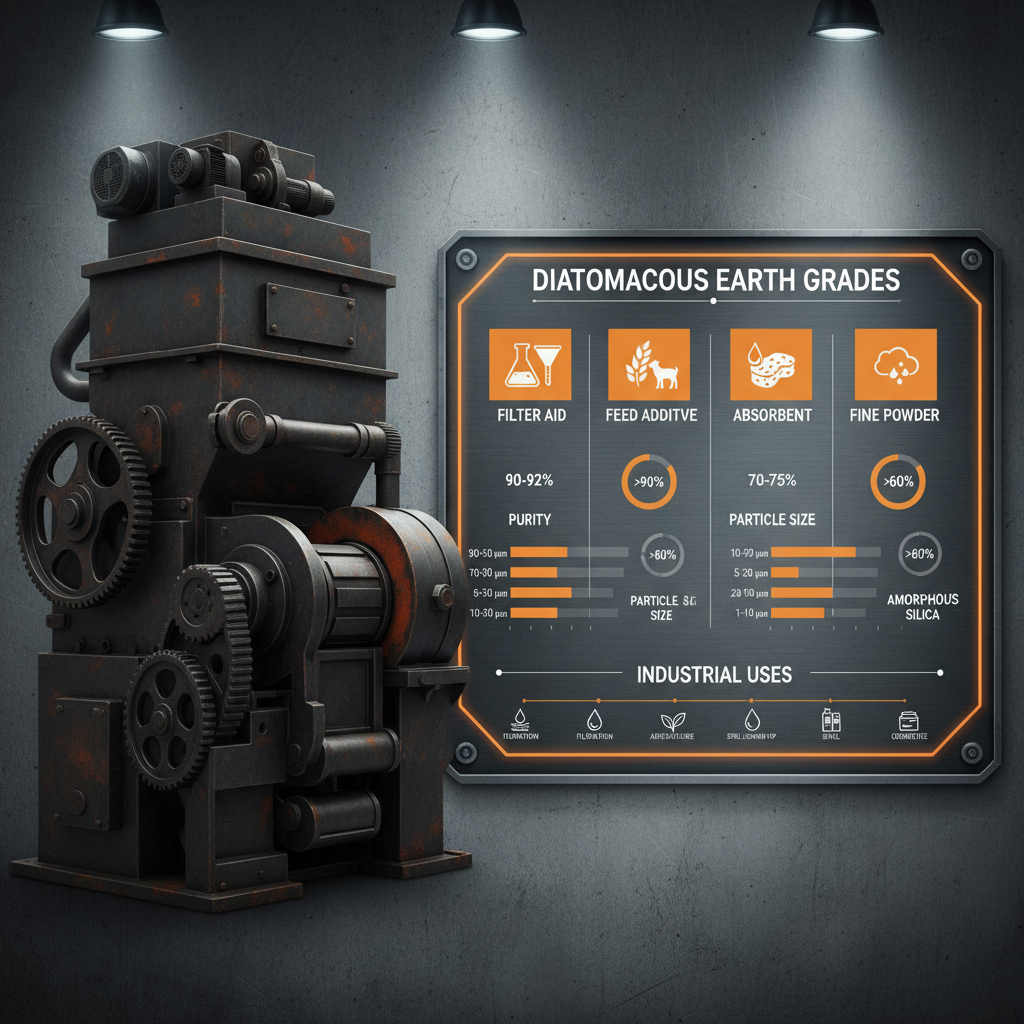
Calcined Diatomaceous Earth: Enhanced Properties
Calcination involves heating diatomaceous earth to high temperatures, typically between 800-1000°C. This process alters the physical and chemical properties of the DE, increasing its hardness, porosity, and thermal stability. Calcined DE is often used in applications requiring resistance to high temperatures or aggressive chemicals, such as refractory materials, fillers in high-performance plastics, and as a functional additive in paints and coatings.
Conclusion: Selecting the Right Diatomaceous Earth Grade
Choosing the appropriate diatomaceous earth grade is critical for achieving optimal performance and efficiency in your application. Consider factors like particle size, purity, and whether calcination is required. Jirunhuabang offers a wide range of DE grades and expert guidance to help you select the best solution for your needs.
Frequently Asked Questions (FAQs)
What is the difference between food-grade and industrial-grade diatomaceous earth?
The primary difference lies in purity and safety standards. Food-grade DE is specifically processed to remove crystalline silica and other contaminants, making it safe for consumption or use around food and animals. Industrial-grade DE may contain higher levels of crystalline silica and is intended for non-consumable applications like paint extenders or absorbents. Using the wrong grade can pose health risks, so always choose food-grade DE for applications involving food, feed, or animals. It's also important to check the product’s certification to ensure it meets relevant safety regulations.
How does particle size affect the performance of diatomaceous earth?
Particle size is a critical factor. Finer particles (smaller micron size) create a tighter filter matrix, removing smaller particles but potentially reducing flow rate. Coarser particles offer higher flow rates but less precise filtration. For pest control, finer particles are more effective at abrading insect exoskeletons. Selecting the appropriate particle size depends entirely on the intended application and the desired level of performance.
What are the benefits of using calcined diatomaceous earth?
Calcination enhances several properties of DE, including hardness, porosity, and thermal stability. This makes calcined DE suitable for applications requiring resistance to high temperatures, aggressive chemicals, or mechanical stress. It's commonly used in refractory materials, high-performance plastics, and as a functional additive in coatings. The increased surface area from calcination can also improve its absorption capacity.