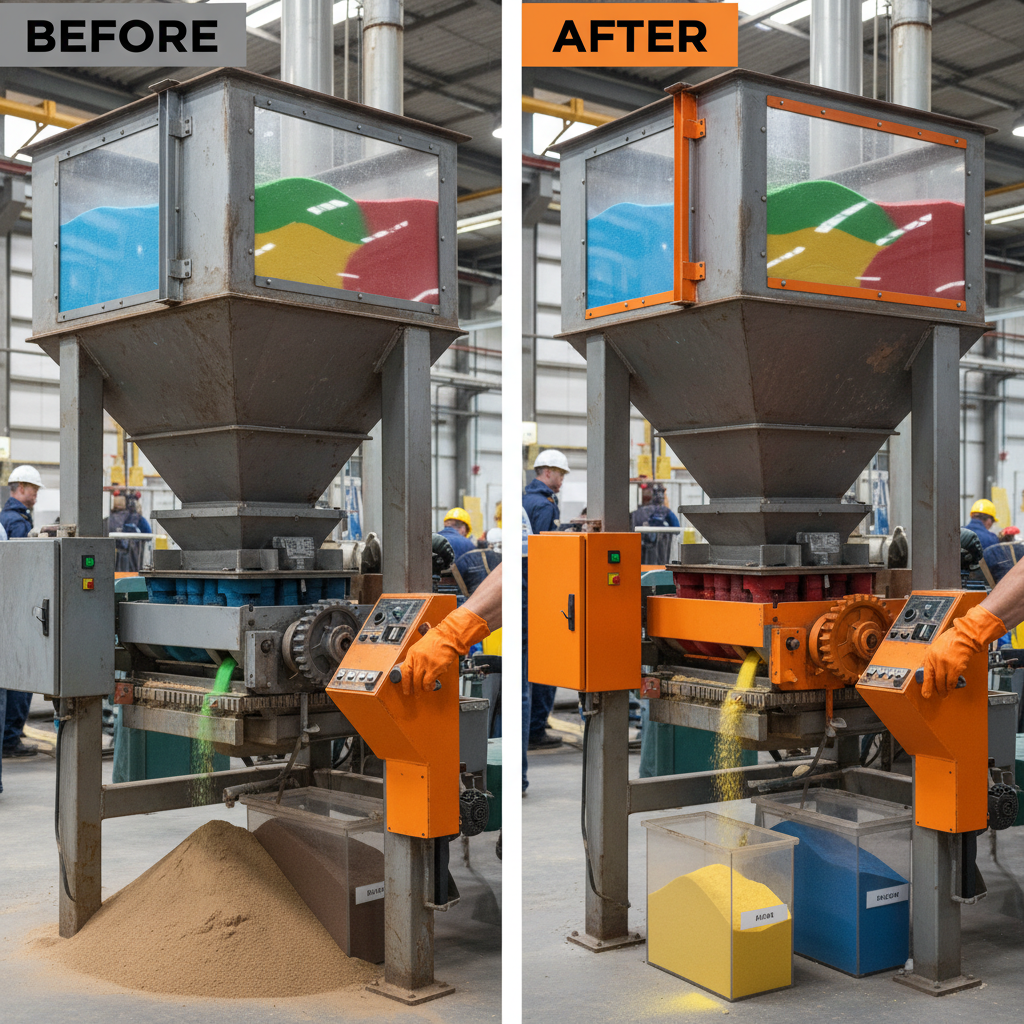
Iron oxide pigment, a cornerstone of color across industries, has a history as rich and varied as the hues it creates. From the ochres used in prehistoric cave paintings to the modern pigments coloring our concrete and plastics, this material’s enduring presence speaks to its versatility and accessibility. Understanding iron oxide pigments isn't merely about recognizing colors; it's about appreciating a material vital to construction, art, and increasingly, sustainable technologies.
Globally, the demand for iron oxide pigments is substantial and growing, driven by rapid urbanization and infrastructure development, particularly in emerging economies. The pigment market is a multi-billion dollar industry, with significant players in China, Europe, and North America. According to reports from the ISO, the consistency and performance standards of these pigments are critical for ensuring the longevity and safety of construction materials, paints, and coatings.
The increasing need for durable, cost-effective, and environmentally responsible coloring solutions makes iron oxide pigments a crucial material in the 21st century. Its widespread availability and relative ease of production contribute to its continued relevance in a world demanding both aesthetic appeal and practical functionality.
Introduction to iron oxide pigment
Iron oxide pigments encompass a wide range of compounds, each offering a unique color and properties. These pigments aren’t limited to the familiar reds and yellows; they also include blacks, browns, and even specialty shades created through precise chemical composition and particle size control. The versatility makes them incredibly adaptable to diverse applications.
Their production can vary from natural ore processing to sophisticated synthetic methods, catering to different purity and performance requirements. The choice between natural and synthetic iron oxide pigment often depends on the specific application and budgetary constraints, with synthetic options generally offering greater consistency and color control.
Defining iron oxide pigment
Iron oxide pigment refers to chemical compounds composed of iron oxides and hydroxides. These inorganic pigments derive their color from the presence of iron and oxygen, often in combination with other elements. The resulting compounds include hematite (red), goethite (yellow-brown), magnetite (black), and lepidocrocite (red).
In modern industry, iron oxide pigment plays a crucial role in providing color to a vast array of materials. This extends beyond aesthetics; the pigments also offer protective properties, such as UV resistance and corrosion inhibition, enhancing the longevity of the products they color.
Their connection to humanitarian needs often arises in the context of durable and cost-effective building materials, particularly in regions with limited resources, where the pigments’ robust coloring and protective qualities contribute to creating resilient infrastructure.
Key Characteristics of iron oxide pigment
One key characteristic of iron oxide pigment is its exceptional durability. Unlike many organic pigments that fade or degrade with exposure to sunlight and weather, iron oxides remain remarkably stable, maintaining their color intensity over decades. This makes them ideal for exterior applications where long-term color retention is critical.
Furthermore, iron oxide pigments exhibit excellent chemical resistance. They are unaffected by most acids, alkalis, and solvents, making them suitable for use in harsh industrial environments. This stability extends to high temperatures, meaning they can be incorporated into materials subjected to extreme thermal conditions without significant color change.
The cost-effectiveness of iron oxide pigments is another significant advantage. Compared to some specialty pigments, iron oxides are relatively inexpensive to produce, particularly synthetic varieties, making them accessible for a wide range of applications and budgets. Their abundance and straightforward manufacturing process contribute to their competitive pricing.
Applications Across Industries
The construction industry is a major consumer of iron oxide pigments, using them to color concrete, bricks, pavers, and roofing tiles. These pigments provide long-lasting coloration and contribute to the aesthetic appeal of buildings and infrastructure projects. In the coatings sector, iron oxides are used in paints, varnishes, and powder coatings for both decorative and protective purposes.
Beyond construction and coatings, iron oxide pigments find application in the plastics industry, coloring a wide range of products from toys and packaging to automotive components. They're also utilized in ceramics, where they create vibrant glazes and underglazes. Additionally, specialized applications include their use as magnetic recording media and in biomedical applications.
Iron Oxide Pigment Application Breakdown by Method
Advantages of Using iron oxide pigment
The tangible benefits of using iron oxide pigment are substantial. Their low cost, coupled with their exceptional durability and chemical resistance, translates to reduced maintenance and replacement costs over the lifespan of a colored product. This makes them a financially prudent choice for large-scale projects.
From a sustainability perspective, iron oxides are environmentally benign, posing minimal risk to human health and the environment. Many synthetic production processes are becoming increasingly energy-efficient and generate fewer harmful byproducts. This contributes to a lower carbon footprint compared to some alternative pigments.
Future Trends in iron oxide pigment Technology
Ongoing research focuses on enhancing the performance characteristics of iron oxide pigments. This includes developing nano-sized particles for improved dispersion and color intensity, as well as surface treatments to enhance UV resistance and weatherability. The use of more sustainable and environmentally friendly production methods is also a key area of development.
Furthermore, integration with digital technologies, such as automated color matching systems and predictive modeling, will optimize pigment selection and usage, minimizing waste and ensuring consistent color quality. Exploring novel applications, like iron oxide-based catalysts and sensors, is also expanding the potential of these versatile materials.
The future of iron oxide pigment lies in innovation that combines performance, sustainability, and cost-effectiveness, driving its continued relevance in a rapidly evolving world.
Challenges and Solutions in iron oxide pigment Production
One challenge in iron oxide pigment production is ensuring consistent color quality, particularly with natural ores, which can exhibit variations in composition. This requires careful sourcing and processing techniques, as well as rigorous quality control measures. Another challenge is minimizing the environmental impact of synthetic production, particularly concerning energy consumption and waste generation.
Solutions include optimizing synthetic production processes to reduce energy use and waste, employing closed-loop systems to recycle byproducts, and investing in research to develop more sustainable raw materials and production methods. Advanced analytical techniques and automated process control systems can also improve color consistency and quality.
Furthermore, promoting collaboration between pigment manufacturers, researchers, and end-users will foster innovation and accelerate the adoption of more sustainable and efficient production practices.
Summary of Solutions to Iron Oxide Pigment Production Challenges
| Challenge |
Solution Category |
Specific Action |
Implementation Cost (1-10) |
| Inconsistent Natural Ore Color |
Sourcing & Processing |
Selective Mining & Blending |
6 |
| High Energy Consumption (Synthetic) |
Process Optimization |
Implement Energy-Efficient Reactors |
8 |
| Waste Generation (Synthetic) |
Waste Management |
Closed-Loop Recycling System |
7 |
| Color Batch Variation |
Process Control |
Automated Color Monitoring |
9 |
| Limited Sustainable Raw Materials |
Materials Research |
Explore Bio-Based Iron Sources |
5 |
| Lack of Industry Collaboration |
Strategic Partnerships |
Joint Research & Development Programs |
4 |
FAQS
Synthetic iron oxide pigments are manufactured through controlled chemical processes, resulting in greater purity, consistency in particle size, and a wider range of achievable colors. Natural iron oxide pigments are derived from mined ores and may contain impurities that affect color consistency. Synthetic pigments generally offer better performance in demanding applications, while natural pigments can be more cost-effective for certain uses.
Smaller particle sizes generally lead to higher color intensity because they increase the surface area available for light absorption. This results in a more vibrant and opaque color. Larger particles tend to scatter light, leading to a paler or more translucent appearance. Precise control of particle size is a key factor in achieving desired color characteristics.
Generally, yes. Iron oxide pigments are considered non-toxic and are widely used in children's toys, art supplies, and other products. However, it's crucial to ensure that the pigments meet relevant safety standards and regulations, such as those set by the FDA or EN71, regarding heavy metal content and other potential contaminants.
Iron oxide pigments exhibit excellent UV resistance compared to many other pigments. They do not readily fade or degrade when exposed to sunlight, making them ideal for outdoor applications. However, the degree of UV resistance can vary slightly depending on the specific iron oxide compound and any surface treatments applied.
The color provided by iron oxide pigments in concrete is exceptionally durable and can last for decades, often exceeding 50 years, with minimal fading or discoloration. This longevity is due to the inherent stability of the pigments and their ability to withstand weathering, chemical exposure, and abrasion. Regular maintenance of the concrete itself will also contribute to color retention.
Yes, ongoing research focuses on developing more sustainable production methods, including utilizing recycled iron sources, optimizing energy efficiency, and minimizing waste generation. Bio-based production routes, where microorganisms are employed to synthesize iron oxides, are also being explored as promising alternatives with a lower environmental footprint.
Conclusion
In summary, iron oxide pigments stand as essential materials underpinning a diverse range of industries, from construction and coatings to plastics and beyond. Their unique combination of durability, cost-effectiveness, chemical resistance, and increasingly, sustainability, makes them invaluable in achieving long-lasting coloration and protective properties. Understanding these pigments is crucial for engineers, designers, and manufacturers seeking reliable and environmentally responsible solutions.
Looking ahead, continued innovation in production techniques and material science promises to further enhance the performance and broaden the applications of iron oxide pigments. By embracing sustainable practices and fostering collaboration across the value chain, we can unlock the full potential of these versatile materials and contribute to a more colorful and resilient future.