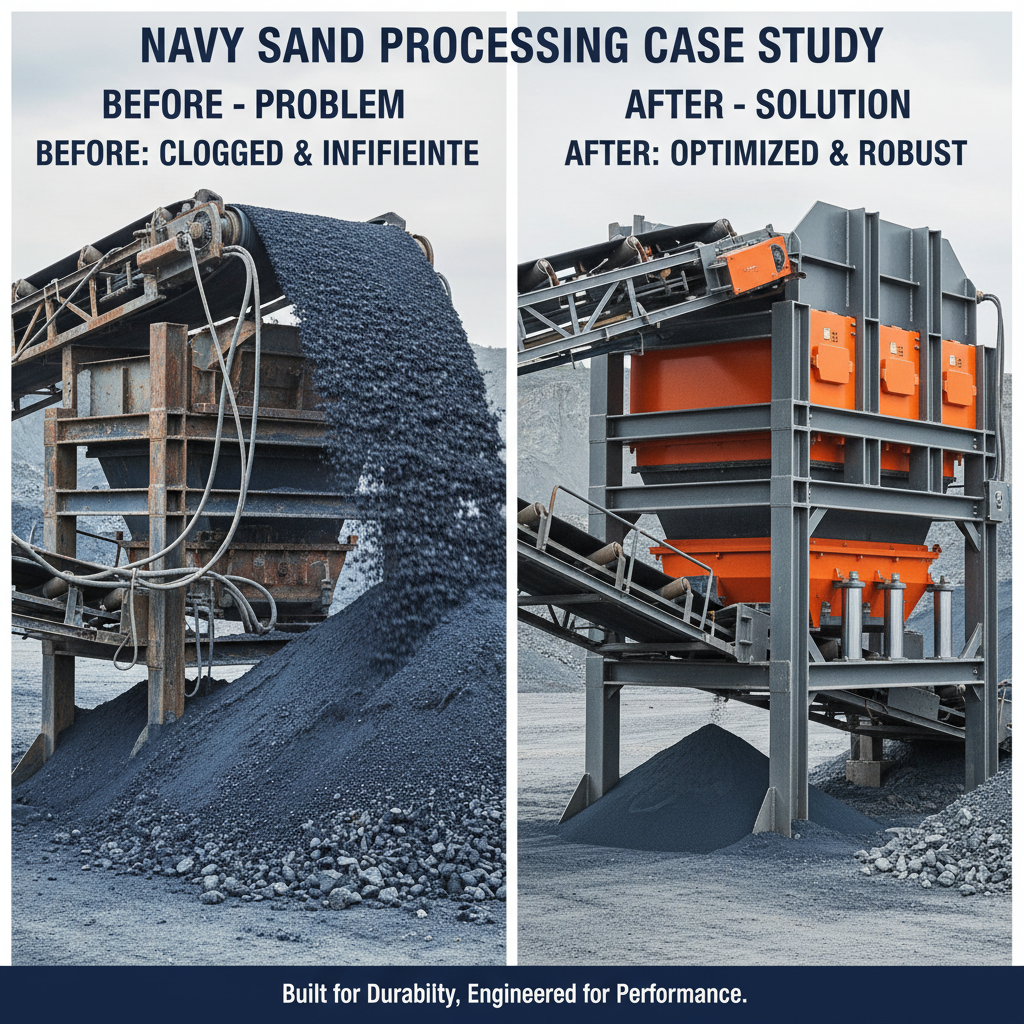
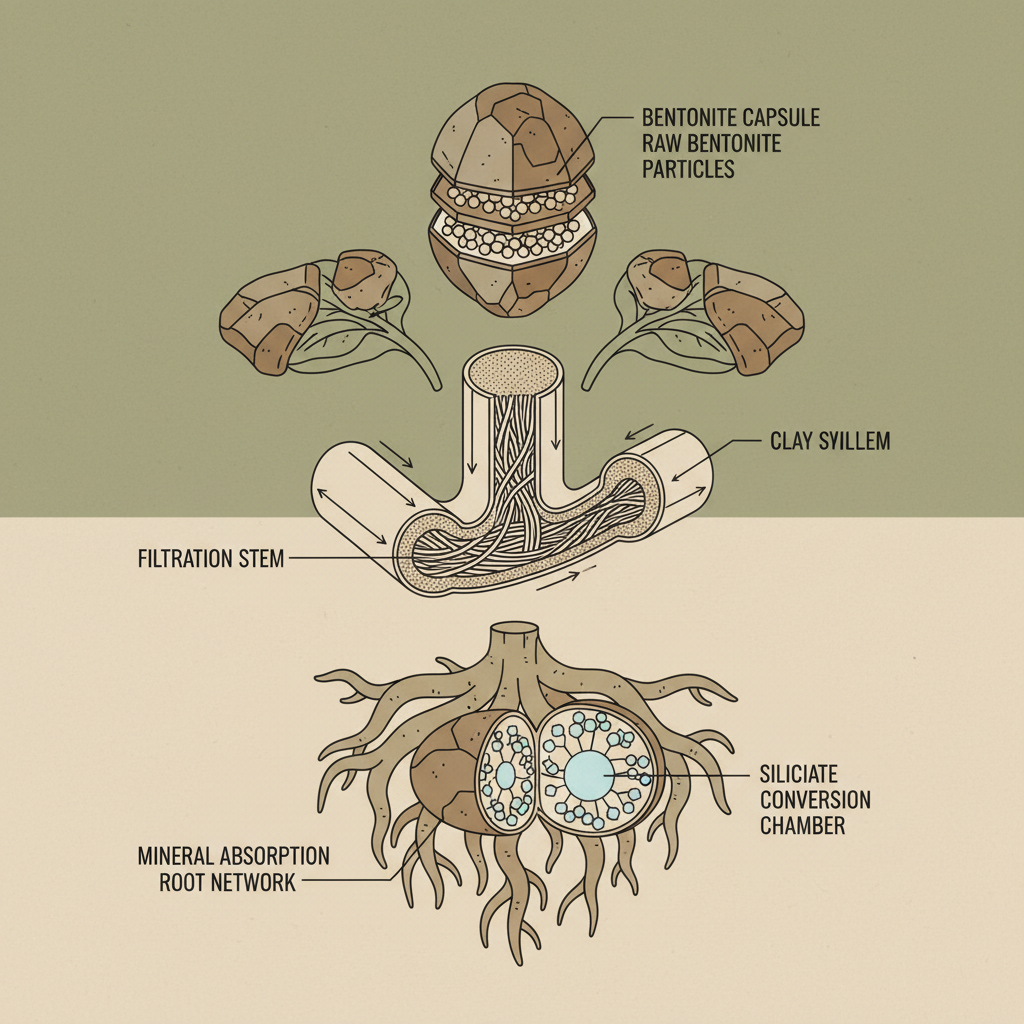
Navy sand, a term gaining prominence in various industries, refers to a uniquely processed sand exhibiting enhanced properties for specialized applications. Its consistent particle size, high purity, and controlled chemical composition differentiate it from traditional sand, making it crucial in sectors ranging from construction and manufacturing to environmental remediation. Understanding navy sand's characteristics and applications is increasingly important globally, especially as industries demand more sustainable and high-performance materials.
The relevance of navy sand extends beyond mere material science. It directly addresses global challenges like infrastructure development in harsh environments, the need for environmentally friendly construction materials, and the increasing demand for precision in manufacturing processes. United Nations Sustainable Development Goal 9, focusing on industry, innovation, and infrastructure, is intrinsically linked to the advancements and responsible utilization of materials like navy sand. Statistical data shows a growing market for specialized sands like navy sand, projected to reach significant figures in the coming years due to increased demand for its specific capabilities.
Ultimately, navy sand represents a refinement in material engineering that offers a pathway to more durable, efficient, and sustainable solutions. Its application directly impacts the quality and longevity of various projects, making its understanding critical for professionals and policymakers alike. The benefits of exploring this versatile material are far-reaching, influencing everything from the cost-effectiveness of construction to the environmental impact of industrial processes.
Introduction to Navy Sand
Navy sand isn’t simply a color descriptor; it signifies a level of processing and quality control that elevates sand from a common aggregate to a specialized industrial component. This controlled processing is crucial for achieving the consistent properties required in demanding applications, ensuring predictable performance and reliability. The ‘navy’ designation often denotes a specific certification or standard achieved during production.
The increasing adoption of navy sand is driven by a need for materials that can withstand extreme conditions – whether that's the corrosive marine environment, the high temperatures of industrial furnaces, or the demanding loads of large-scale construction projects. Its unique attributes address these needs, making it a superior choice over traditional sands in many instances.
Defining Navy Sand and its Applications
Navy sand is generally defined as sand that has undergone rigorous washing, screening, and often, specialized chemical treatment to remove impurities like clay, silt, and organic matter. This process results in a remarkably pure and uniformly sized granular material. It's not a specific geological type of sand, but rather a quality grade achieved through manufacturing.
Its connection to modern industry and humanitarian needs lies in its versatility. It finds applications in precision casting, specialty glass manufacturing, high-performance concrete, water filtration systems, and even in the production of advanced ceramics. In humanitarian contexts, navy sand can be vital in creating robust and sanitary infrastructure in disaster-stricken areas.
Increasingly, navy sand plays a pivotal role in environmentally conscious applications, like artificial reefs where its precise composition supports marine life and minimizes environmental disruption. Its ability to conform to strict chemical specifications also makes it essential for sensitive industrial processes.
Core Characteristics of Navy Sand
The defining characteristics of navy sand set it apart from its traditional counterparts. Firstly, its uniformity of particle size ensures consistent packing density and flowability, crucial for applications requiring precise material behavior. Secondly, its high purity minimizes chemical reactivity and contamination, vital in sensitive industrial processes.
Another core characteristic is its controlled chemical composition. Navy sand can be formulated to meet specific chemical requirements, eliminating unwanted elements that could interfere with desired processes. This includes careful control of iron content, alkali levels, and chloride concentration. Finally, its enhanced durability ensures that the material resists breakdown under stress, extending the lifespan of the structures or products it's used in.
These characteristics are achieved through meticulous quality control procedures, often involving laser diffraction analysis for particle size distribution, inductively coupled plasma mass spectrometry for chemical composition, and rigorous testing for physical properties like strength and abrasion resistance.
Global Applications and Use Cases of Navy Sand
Navy sand finds diverse applications across the globe. In the construction sector, particularly in coastal regions, it’s used in formulating seawater-resistant concrete for bridges, piers, and offshore structures. In the Middle East, where harsh desert climates necessitate specialized building materials, navy sand is integral to creating durable and long-lasting infrastructure.
The automotive industry relies on navy sand for precision casting of engine components, ensuring dimensional accuracy and structural integrity. Semiconductor manufacturers employ it in etching and polishing processes, demanding ultra-high purity and controlled particle size. In post-disaster relief operations, navy sand is used to create stable foundations for temporary shelters and to improve water filtration systems in affected areas.
Furthermore, in remote industrial zones, like mining operations in Australia or energy facilities in the North Sea, navy sand serves as a critical component in specialized filtration and separation processes. It's also increasingly being used in landscaping for creating well-draining and aesthetically pleasing environments.
Navy Sand Application Breakdown
Advantages and Long-Term Value Proposition
The advantages of utilizing navy sand are numerous and encompass both economic and environmental benefits. Cost savings arise from reduced material waste, improved process efficiency, and longer product lifecycles. Its consistent properties minimize defects, reducing rework and maintenance costs.
From a sustainability perspective, navy sand's purity allows for easier recycling and reuse, minimizing its environmental footprint. Its durability reduces the need for frequent replacements, conserving resources. The safety aspect is also significant; consistent particle size and chemical composition contribute to safer working conditions and more reliable products.
Future Trends and Innovation in Navy Sand
Future innovations in navy sand production will likely focus on further reducing environmental impact through closed-loop processing systems and the use of renewable energy sources. Research is underway to develop navy sand with enhanced functional properties, such as self-cleaning capabilities and improved thermal conductivity.
The integration of digital technologies, like AI-powered quality control and predictive maintenance, will optimize production processes and ensure consistent product quality. Furthermore, advancements in nanotechnology may lead to the creation of nano-modified navy sand with even greater performance characteristics.
Policy changes promoting the use of sustainable materials and incentivizing innovation in the sand processing industry will also play a crucial role in driving the adoption of navy sand and its future development.
Challenges and Solutions in Navy Sand Utilization
Despite its advantages, the widespread adoption of navy sand faces challenges, primarily related to cost. The intensive processing required to achieve its high purity and uniformity can make it more expensive than traditional sand sources. Another challenge is the limited availability of specialized processing facilities in certain regions.
Solutions include investing in more efficient processing technologies, exploring alternative purification methods, and developing regional processing hubs to reduce transportation costs. Collaborative partnerships between sand producers, end-users, and research institutions can accelerate innovation and drive down costs.
Implementing standardized quality control procedures and certification programs will also build trust and encourage wider acceptance of navy sand in various industries. This could involve establishing industry-wide benchmarks and promoting the use of verifiable data regarding product performance.
Summary of Key Challenges and Proposed Solutions for Navy Sand Utilization
| Challenge |
Impact Area |
Severity (1-10) |
Proposed Solution |
| High Production Cost |
Economic Viability |
8 |
Invest in more efficient processing technologies. |
| Limited Processing Facilities |
Geographical Accessibility |
7 |
Establish regional processing hubs. |
| Lack of Standardization |
Industry Confidence |
6 |
Develop standardized quality control procedures. |
| Supply Chain Disruptions |
Material Availability |
5 |
Diversify sourcing and build resilient supply chains. |
| Environmental Concerns (Processing) |
Sustainability |
4 |
Implement closed-loop processing and use renewable energy. |
| Limited Awareness |
Market Adoption |
6 |
Increase educational outreach and promote navy sand’s benefits. |
FAQS
Navy sand undergoes a rigorous cleaning and grading process, removing impurities like clay, silt, and organic matter. This results in a highly consistent particle size and a purity level far exceeding that of standard construction sand. This consistency leads to improved concrete strength, reduced water demand, and enhanced durability, making it ideal for demanding applications.
Yes, navy sand can be more environmentally friendly. The purification process reduces the need for excessive water usage during concrete mixing, and its durability minimizes the frequency of replacements. Furthermore, the removal of harmful impurities prevents leaching into the environment. Sustainable processing methods, like utilizing recycled water and renewable energy, further enhance its eco-friendliness.
Numerous industries benefit, including construction (especially marine and coastal projects), automotive (precision casting), semiconductor manufacturing (etching and polishing), environmental remediation (water filtration), glass manufacturing, and even the production of specialty ceramics. Any application demanding high purity, consistent particle size, and controlled chemical composition can significantly benefit.
Generally, navy sand is more expensive than standard sand due to the intensive processing required. However, the long-term cost benefits often outweigh the initial price difference. Reduced material waste, improved process efficiency, longer product lifecycles, and lower maintenance costs all contribute to a lower total cost of ownership.
Rigorous quality control measures are employed, including laser diffraction analysis for particle size distribution, inductively coupled plasma mass spectrometry for chemical composition analysis, and tests for physical properties like strength, abrasion resistance, and silt content. These procedures ensure that each batch of navy sand meets strict specifications and consistently delivers optimal performance.
Navy sand is available from specialized sand processing companies and industrial material suppliers. It’s important to verify that the supplier adheres to quality control standards and provides documentation regarding the sand’s specifications. Contacting a specialized supplier is often the best approach to ensure you receive the appropriate grade of navy sand for your specific application.
Conclusion
Navy sand represents a significant advancement in material science, offering a versatile and high-performance solution across numerous industries. Its unique characteristics—uniformity, purity, and controlled composition—address critical challenges in construction, manufacturing, and environmental protection, leading to cost savings, increased sustainability, and improved product quality. Understanding its properties and applications is becoming increasingly vital as industries strive for innovation and efficiency.
Looking ahead, continued investment in research and development, coupled with the adoption of sustainable processing practices, will unlock even greater potential for navy sand. Embracing this material is not merely a technological upgrade; it’s a step towards more resilient infrastructure, environmentally responsible practices, and a more sustainable future. Visit our website at www.jirunhuabang.com to learn more about navy sand and how it can benefit your projects.