You know, been running around construction sites all year. Things are shifting, fast. Everyone's talking about prefabrication, modular builds… honestly, it’s not new. We were doing bits of it even five years ago. But now? It's the only way a lot of these projects are staying on schedule. Supply chains are still wonky, labor’s tight, so getting stuff made off-site, then just assembling it… makes sense. Makes a lot of sense.
But here’s the thing – pre-fab doesn’t fix bad design. I’ve seen so many times where architects and engineers design something gorgeous on paper, then it arrives on site and… doesn’t work. Simple stuff! Like access panels for wiring, or the way a window frame interfaces with the wall panel. They forget we actually have to build the thing.
And it all boils down to materials.
The Current Landscape of Bentonite Dealers
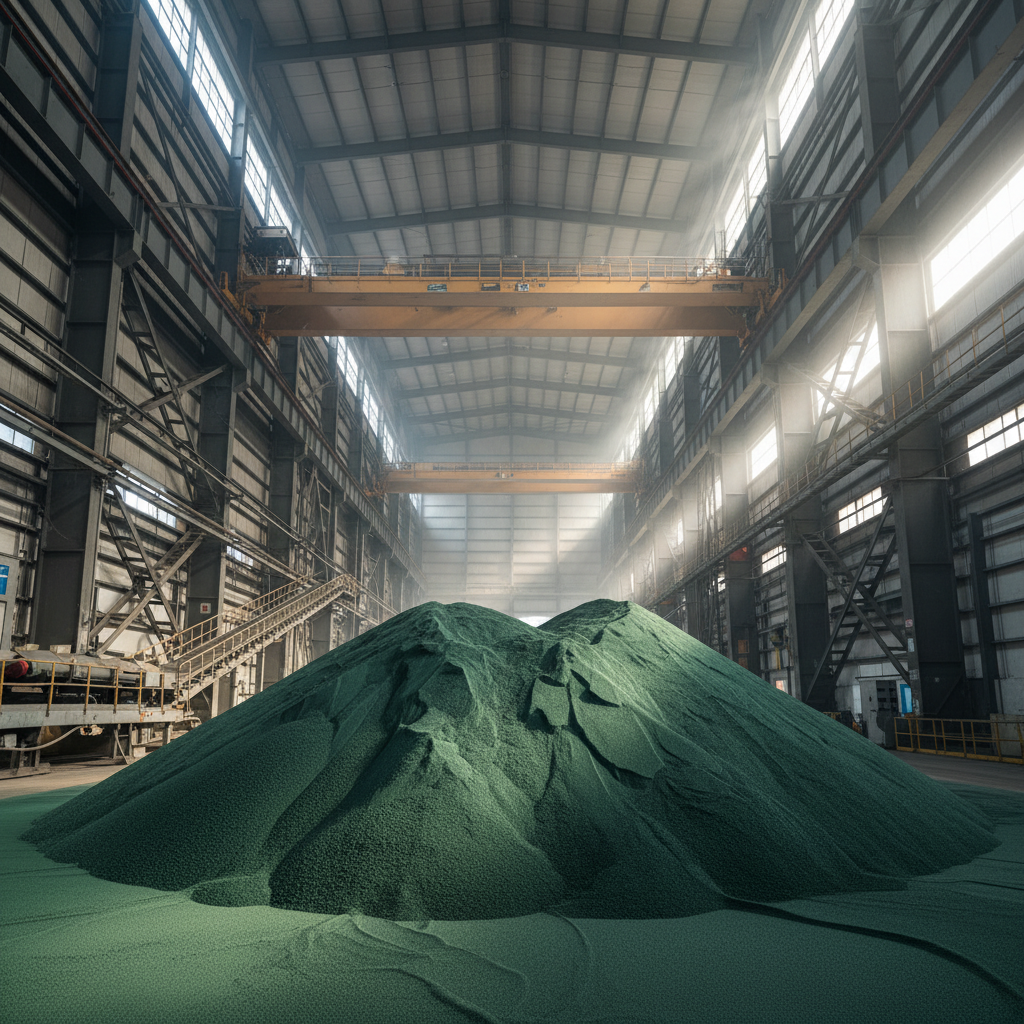
Bentonite dealers… you wouldn’t think it's a hot topic, right? But honestly, finding reliable suppliers is getting harder. There’s a lot of consolidation happening, smaller guys getting swallowed up. I encountered this at a drilling site in Sichuan province last time, needed a specific grade of sodium bentonite for slurry stabilization, and the usual supplier couldn’t deliver on time. Had to scramble to find another source. It's a headache, believe me.
It’s not just supply, it’s quality control too. You get what you pay for, obviously, but even with established dealers, you've got to inspect every batch.
Common Design Pitfalls in Bentonite Dealer Applications
Have you noticed how often engineers specify bentonite without considering the site conditions? Like, they’ll call for a certain viscosity without knowing the groundwater composition. That can ruin a whole operation. Bentonite’s properties change dramatically with different water types – salinity, pH, organic content... it all matters.
Another thing? Underestimating the amount needed. It's always more than you think, always. And then you're stuck with delays, extra costs… It’s a classic.
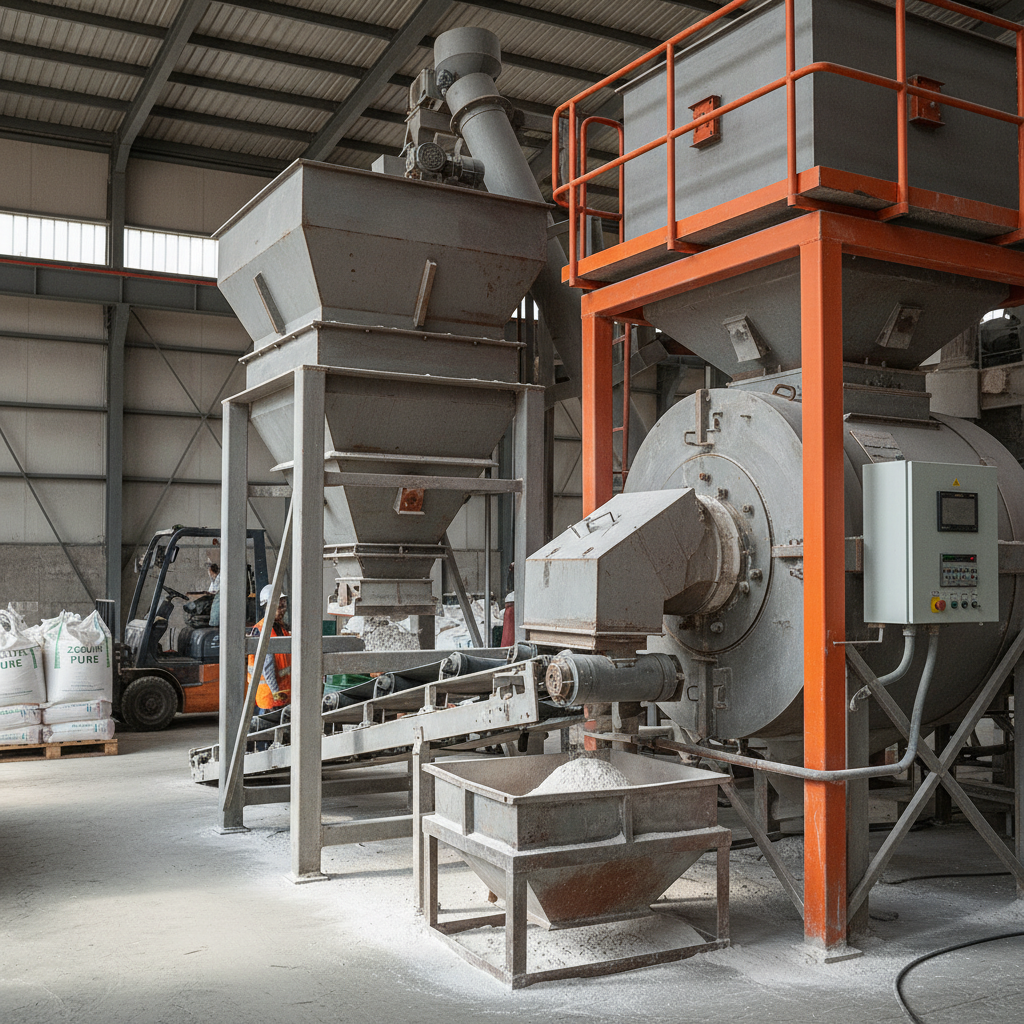
And don’t even get me started on improper mixing techniques. People just dump it in the tank and assume it'll work. It doesn't. You need proper hydration, agitation, and often, additives to get the right slurry consistency.
Material Breakdown: What We're Actually Working With
Okay, so we're mostly talking about sodium bentonite, calcium bentonite, and organoclays. Sodium bentonite swells like crazy when it hits water – that’s the good stuff for sealing, drilling mud, you name it. It smells… earthy. Kind of like wet clay, obviously. You can feel the slickness when you rub it between your fingers.
Calcium bentonite is less expansive, but it’s cheaper. Often used as a soil stabilizer or binder. It's grittier to the touch, not as smooth as sodium bentonite. Organoclays are modified bentonites – treated with organic compounds to make them compatible with oil-based fluids. Smell's a bit chemical-ish, honestly. They're more specialized, used in things like drilling fluids for oil and gas. Strangely, they’re the hardest to get a consistent batch of, in my experience.
And you've got the different grades – API grade for oilfield applications, food grade for… well, food. It’s important to know what you're getting, because some of that cheaper stuff isn't what it claims to be.
Real-World Testing and Quality Control
Lab tests are fine, but they don't tell the whole story. We do a lot of field testing. Simple stuff, like a viscosity test with a Marsh funnel. Time how long it takes for a certain volume of slurry to flow through. Also, a sand content test – you want to minimize sand, obviously. It reduces the bentonite’s effectiveness.
We also do a gel strength test. How much force does it take to break the gel formed by the bentonite slurry? Higher gel strength means better suspension of cuttings in drilling. But it's the feel of the slurry that tells you the most. Is it smooth? Is it lumpy? Does it smell right? Years of experience, that’s what it is.
Bentonite Dealer Performance Metrics
User Behavior: It's Not Always What You Expect
You'd think guys would follow the instructions on the bag, right? Wrong. I've seen folks just toss bentonite into the mixer with everything else, no pre-hydration, no agitation. Then they wonder why it doesn’t work. Anyway, I think a lot of it is lack of training. These are skilled workers, but they're not all geologists.
And they often overestimate the capacity of their mixing equipment. Trying to process too much slurry at once leads to clumps and inconsistent results.
Advantages, Disadvantages, and Customization Options
Look, bentonite's cheap, effective, and readily available. That's a huge advantage. It's a natural material, relatively environmentally friendly… compared to some of the alternatives, anyway. But it's bulky to transport, can create a mess, and its performance is highly variable depending on the source and site conditions.
Can you customize it? Sure. You can blend different types of bentonite to achieve specific properties. Add polymers to improve viscosity or filtration control. We had a project last year where we needed a bentonite slurry that could withstand extremely high temperatures. We blended sodium bentonite with a heat-resistant polymer, and it worked like a charm. It wasn’t easy getting it right though.
Really, the trick is to find a dealer who understands your specific needs and can provide a consistent product.
A Customer Story and Lessons Learned
Last month, that small boss in Shenzhen who makes smart home devices insisted on changing the interface to . He was building a sensor housing that needed to be waterproof, and he wanted to use bentonite-based sealant around the connector. Seemed reasonable enough. But he insisted on a really tight tolerance, claimed it would improve the aesthetic.
Turns out, the bentonite sealant expanded too much when it hydrated, cracking the plastic housing. We spent a week trying to troubleshoot it, eventually had to redesign the housing with a larger opening for the connector. Cost him a fortune in scrapped parts and delays. He was not happy.
Lesson learned? Don’t mess with forces you don’t understand. And always, always test your designs thoroughly.
Summary of Key Considerations for Bentonite Dealer Selection
| Material Quality |
Supply Chain Reliability |
Technical Support & Expertise |
Pricing & Payment Terms |
| Consistent Grade & Purity |
On-Time Delivery |
Slurry Formulation Guidance |
Competitive Rates |
| Proper Hydration & Swelling |
Contingency Planning |
Troubleshooting Expertise |
Flexible Payment Options |
| Minimal Sand Content |
Geographic Coverage |
Site-Specific Recommendations |
Bulk Discounts |
| Optimal Viscosity |
Inventory Management |
Lab Testing Capabilities |
Transparent Cost Breakdown |
| Appropriate Gel Strength |
Emergency Supply Availability |
Training Resources |
Volume-Based Rebates |
| Compliance with Regulations |
Documented Quality Control |
Custom Blending Services |
Credit Terms |
FAQS
Storing bentonite properly is crucial. You want to keep it dry – that's the biggest thing. Moisture activates the swelling properties, and you'll end up with a hardened, unusable mess. Ideally, store it in sealed bags or containers in a cool, dry place. Avoid direct sunlight and extreme temperatures. And don't stack pallets too high, you don’t want them collapsing. Believe me, I've seen it happen.
The pH of the water matters a lot. Sodium bentonite works best in a slightly alkaline environment. Acidic water can reduce its swelling capacity and overall effectiveness. If you're using acidic water, you might need to add a pH adjuster – like soda ash – to bring it up to the optimal range. We typically aim for a pH of around 8-9 for most applications. It’s all about chemistry, really.
Sand and silt are the most common culprits, obviously. They reduce the bentonite's effective surface area and lower its viscosity. Organic matter can also be a problem, especially in drilling fluids. It can degrade the bentonite and create unwanted foam. Salts can affect swelling properties too. You've really gotta inspect every batch, look for any discoloration, feel for lumps, and do a basic settling test.
It depends on what it’s been used for. If it’s relatively clean, you can sometimes reclaim it by drying it out and rehydrating it. But the properties will be degraded. More often, it ends up being used as a soil amendment or landfill cover. It's not ideal, but it's better than just dumping it. There’s some research into using it in construction materials, but it’s still in the early stages.
Bentonite dust can be a respiratory irritant, so wear a dust mask! It's also slippery when wet, so be careful not to fall. Avoid getting it in your eyes. It’s not inherently toxic, but it can cause irritation. Basic common sense, really. And always follow the manufacturer's safety data sheet (SDS). That's the law, and it's there for a reason.
That's where experience comes in. There's no one-size-fits-all answer. It depends on the type of bentonite, the water quality, the soil type, and the desired outcome. Start with a conservative dosage and gradually increase it until you achieve the desired properties. Do small-scale tests first, don’t just dump a ton of bentonite into the mix and hope for the best. And consult with a geotechnical engineer if you're unsure.
Conclusion
So, yeah, bentonite. It's a simple material, but it’s also surprisingly complex. Finding reliable dealers, understanding the properties, and applying it correctly… it all takes knowledge and experience. It's not glamorous work, but it’s essential for a lot of industries. And the industry is changing fast, with prefabrication becoming more common and demand for sustainable materials growing.
Ultimately, whether this thing works or not, the worker will know the moment he tightens the screw. Visit our website at bentonite dealers to find the right solution for your next project.