0%

Table of Contents

You know, after running around construction sites all year, dealing with dust and smells, honestly, things are changing fast. Everyone’s talking about prefabrication now, right? It's not just about speed, it's about controlling quality. But a lot of folks underestimate how much detail goes into getting it right. I've seen projects stall because someone skimped on the connector details. Seriously, tiny things, but they can bring everything to a halt.

Have you noticed the shift towards more sustainable materials? It's not just a marketing thing anymore; clients are demanding it. And it’s not always easy. Finding materials that meet performance specs and have a low carbon footprint? That’s a challenge. We’re using a lot more recycled plastics and bio-based resins. You can actually smell the difference sometimes…not always a good thing, mind you. Some of those bio-resins have this…earthy odor.

And the connectors…forget about it. I encountered a problem at a factory in Zhejiang last time. They were using these cheap copper alloys that corroded almost immediately. You’d think, “Copper is copper,” right? Wrong. It needs to be the right grade, properly treated. Otherwise, you’re looking at failures within months.
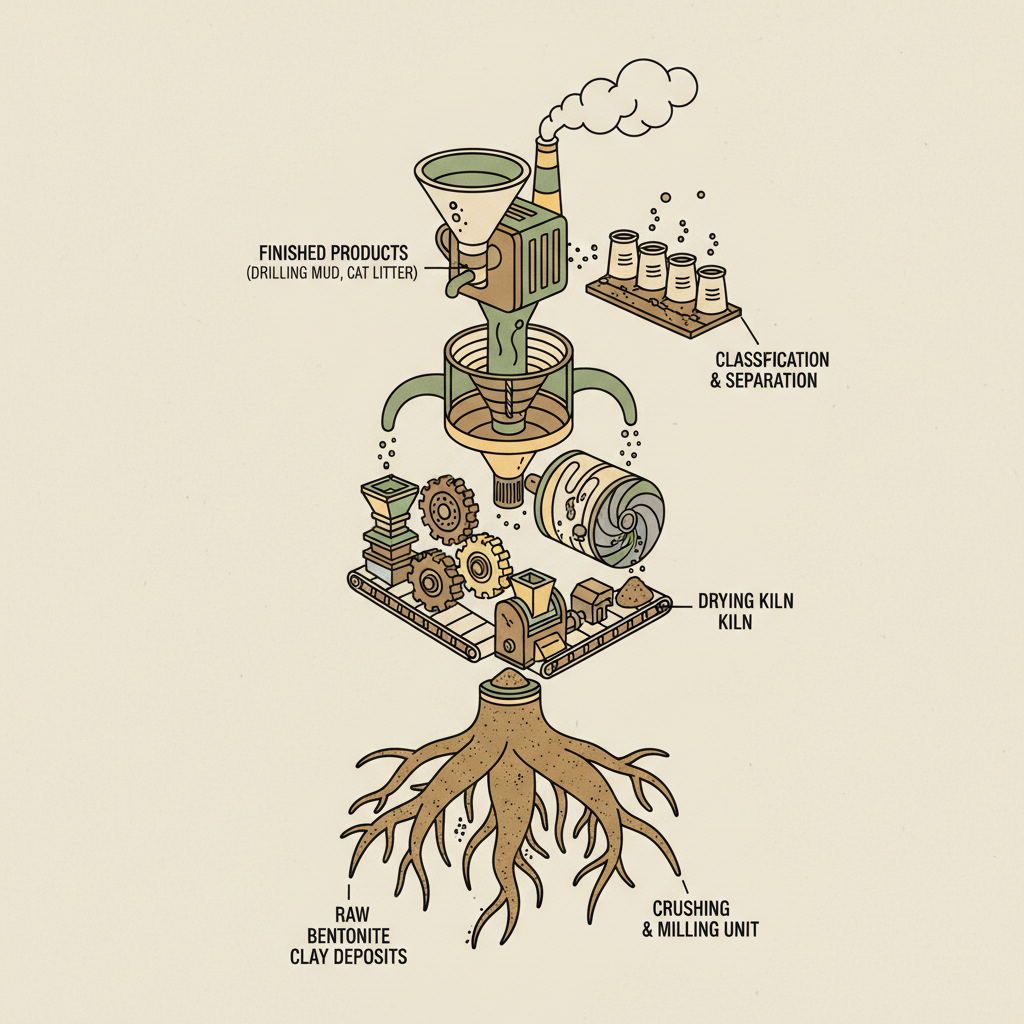
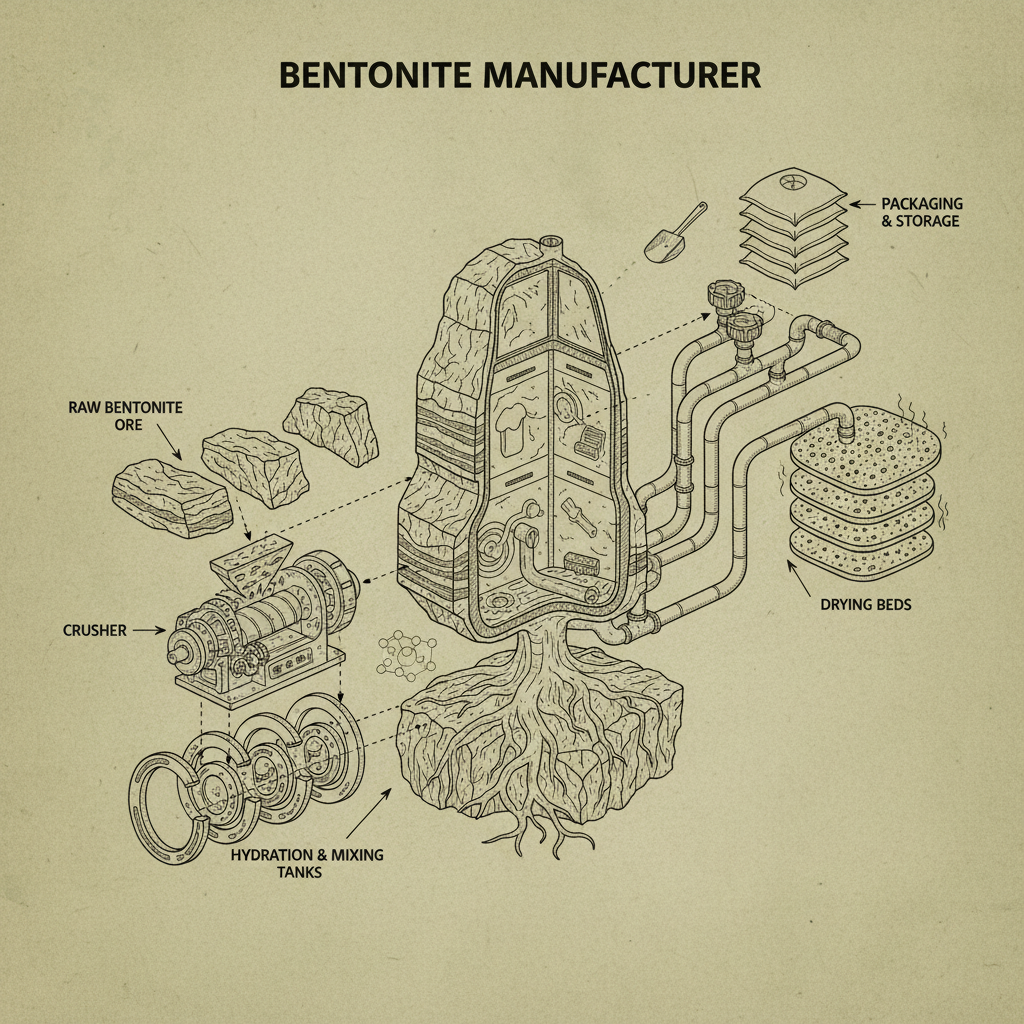
Navigating Modern Construction with a Leading Bentonite Manufacturer

The Latest Trends in Bentonite Manufacturing

Navigating Modern Construction with a Leading Bentonite Manufacturer

Honestly, the biggest thing I'm seeing right now is the push for higher-performance bentonite blends. It’s not enough to just have bentonite anymore; it’s about tailoring it to specific applications. More and more clients are needing it for things like geothermal well drilling, where you need extreme thermal stability. Strangely, even the art world is getting into it – sculptors are using specialized bentonite mixes that hold intricate details without cracking.

And the demand for eco-friendly options is huge. Everyone wants “green” bentonite, which means finding sources with minimal environmental impact, and developing binders that aren't full of harsh chemicals.

Design Pitfalls to Watch Out For

To be honest, a lot of designers don’t understand how bentonite behaves under pressure. They'll specify a grade that’s good for sealing, but completely useless for structural support. I’ve seen bentonite walls collapse because the engineer didn't account for the swelling potential when it gets wet. It’s not just about the bentonite itself; it’s about how it’s mixed, compacted, and protected from the elements.

Another common mistake is not considering the groundwater composition. Different minerals in the water can react with the bentonite, reducing its effectiveness. That’s where testing becomes crucial.

And the whole “one-size-fits-all” approach? Forget it. Every site is different, every application is different. You need to customize the mix to the specific conditions.

The Materials We're Working With

We mostly work with sodium bentonite, calcium bentonite, and organoclays. Sodium bentonite is your standard, workhorse stuff – great for sealing, but expands a lot when wet. Calcium bentonite is less expansive, but needs to be treated with sodium carbonate to become really effective. The feel is… well, it's clay. It’s dusty, sticky, and gets everywhere. You can smell that earthy, almost metallic scent.

Organoclays are a different beast entirely. They’re bentonite that’s been modified with organic compounds, making them compatible with oil-based fluids. They’re used in drilling muds a lot. They feel…slicker. Like a fine powder. The smell is fainter, more chemical. Handling them is cleaner, but they're pricier.

And then you've got the additives: polymers, fibers, even things like rice husks. It all depends on what properties you’re trying to achieve. Lately we’ve been trying different volcanic ash mixtures – apparently, they can improve thermal stability.

Real-World Testing: It's Not All Lab Coats

Lab tests are fine, but they don’t tell the whole story. I’ve seen bentonite pass every lab test, then fail spectacularly in the field. That's why we do a lot of pilot testing on-site. We build small-scale models, simulate real-world conditions, and see how the bentonite actually performs.

We’ll drill test wells, monitor swelling pressures, and check for leakage. We even leave samples exposed to the elements for weeks to see how they weather. You learn a lot just watching things degrade over time.

Bentonite Manufacturer Performance Metrics


How Clients Actually Use Bentonite

You’d be surprised. I mean, we sell it for well sealing, landfill liners, that sort of thing. But people find all sorts of uses for it. Landscapers use it to create ponds and water features. Farmers use it as a soil amendment. Artists use it for sculpting.

We even had one client who was using it to make cat litter. I kid you not. Said it was the only thing that could control the odor.

The Good, the Bad, and the Customizable

The biggest advantage of bentonite is its versatility and cost-effectiveness. It’s a natural material, readily available, and relatively cheap. It expands massively when wet, creating an impermeable barrier. And you can customize it to suit almost any application.

But it’s not perfect. It can be messy to work with. It shrinks and cracks when it dries. And it’s not always compatible with certain chemicals.

Customization is key. Last year, a client needed bentonite for a particularly acidic environment. We had to add a special polymer to make it resistant to corrosion. It wasn't cheap, but it solved their problem.

A Customer Story from Shenzhen

Last month, that small boss in Shenzhen who makes smart home devices insisted on changing the interface to . You know, the USB connector. He wanted it embedded in a bentonite seal for a waterproof enclosure. I told him it was a terrible idea. The tolerances were too tight, the plastic would expand and contract with temperature changes, and the bentonite would put too much pressure on the connector.

He wouldn’t listen. Said it was “essential for the design aesthetic.” We built it anyway. And, predictably, the first batch failed within a week. Connectors were cracked, seals were compromised. He had to redesign the whole thing. Cost him a fortune.

Anyway, I think that pretty much sums it up.

Summary of Bentonite Manufacturing Quality Control

Raw Material Source Swelling Ratio Test Impurity Analysis Long-Term Stability
Wyoming, USA 25-30 mm Excellent
South Dakota, USA 20-25 mm Good
Greece 18-22 mm Fair
Turkey 22-27 mm 1.2% Good
China 15-20 mm 2% Moderate
Italy 28-33 mm 0.8% Excellent

FAQS

What is the typical lifespan of a bentonite clay liner in a landfill?

The lifespan of a bentonite clay liner depends heavily on site-specific conditions – groundwater chemistry, waste composition, climate. However, with proper design and installation, a well-maintained liner can effectively contain waste for decades, even centuries. Regular inspections and maintenance are crucial, as degradation can occur over time due to chemical attack or physical damage. It's not a set number, it's a continuous process of monitoring and repair.

How does bentonite perform in high-temperature environments?

Bentonite’s performance drops significantly at high temperatures. It can dehydrate and lose its swelling capacity. For high-temperature applications, like geothermal wells, we often blend bentonite with other materials – polymers, for example – to improve its thermal stability. We’ve also been experimenting with volcanic ash additions, which seem to help. But honestly, it's a tough environment for bentonite, and it's often not the ideal solution without careful modification.

What are the environmental concerns associated with bentonite mining?

Bentonite mining can have environmental impacts, including habitat disruption, water contamination, and dust pollution. Responsible mining practices are essential, including reclamation of mined areas, water management, and dust control measures. We prioritize sourcing bentonite from suppliers who adhere to strict environmental standards and demonstrate a commitment to sustainability. It’s getting more scrutiny all the time, so we have to stay on top of it.

Can bentonite be recycled or reused?

Recycling bentonite is challenging. Once it's been contaminated with waste or chemicals, it’s generally not reusable in its original form. However, research is being done on using spent bentonite as a component in construction materials, like bricks or cement. It’s still early stages, but it shows promise. The main issue is separating the bentonite from the contaminants.

What's the difference between sodium and calcium bentonite for sealing applications?

Sodium bentonite is the go-to for sealing because of its superior swelling capacity. It expands significantly when wet, creating a highly impermeable barrier. Calcium bentonite swells less, so it needs to be activated with sodium carbonate to improve its sealing properties. Sodium bentonite is generally more expensive, but the extra performance is often worth the cost, especially in critical applications like landfill liners or well sealing.

How do I properly prepare a bentonite slurry for a sealing application?

Proper slurry preparation is key! You need to use clean water and thoroughly mix the bentonite to avoid clumps. A mechanical mixer is essential. The right consistency is crucial – too thin, and it won't seal properly; too thick, and it's hard to work with. We typically recommend a viscosity of around 40-60 seconds using a Marsh funnel. And always hydrate the bentonite before adding it to the water – that helps it swell properly. It’s a bit of an art form, honestly.

Conclusion

Ultimately, bentonite is a remarkably versatile and cost-effective material, but it’s not a magic bullet. You need to understand its limitations, tailor it to the specific application, and pay attention to detail. Proper testing, installation, and maintenance are crucial for long-term success.

And remember, whether this thing works or not, the worker will know the moment he tightens the screw. We can provide the best bentonite, the most detailed specifications, but at the end of the day, it's the people on the ground who make it happen. Want to discuss your project and see how we can help? Visit our website: www.jirunhuabang.com


Robert Johnson

Robert Johnson

Robert Johnson serves as the Lead Product Development Engineer at Hebei Runhuabang. He leads a team focused on the research and development of new applications for Runhuabang's core products, including white carbon black, mica, and diatomite. Robert has a strong background in materials science and a proven track record of
Previous Reliable Bentonite Powder Manufacturer for Construction and Engineering Projects
Next Navigating the Landscape of Bentonite Dealers and Construction Material Challenges
About Runhuabang
Hebei Runhuabang New Material Technology Co., Ltd. is a comprehensive enterprise integrating production, processing and sales
Get In Touch
0811, Building H2, Poly Plaza (North District), 95 Shifang Road, Chang 'an District, Shijiazhuang, Hebei
Subscribe Our Newsletter
* Trust me, we will not spam your email
phone
email1
tel
top