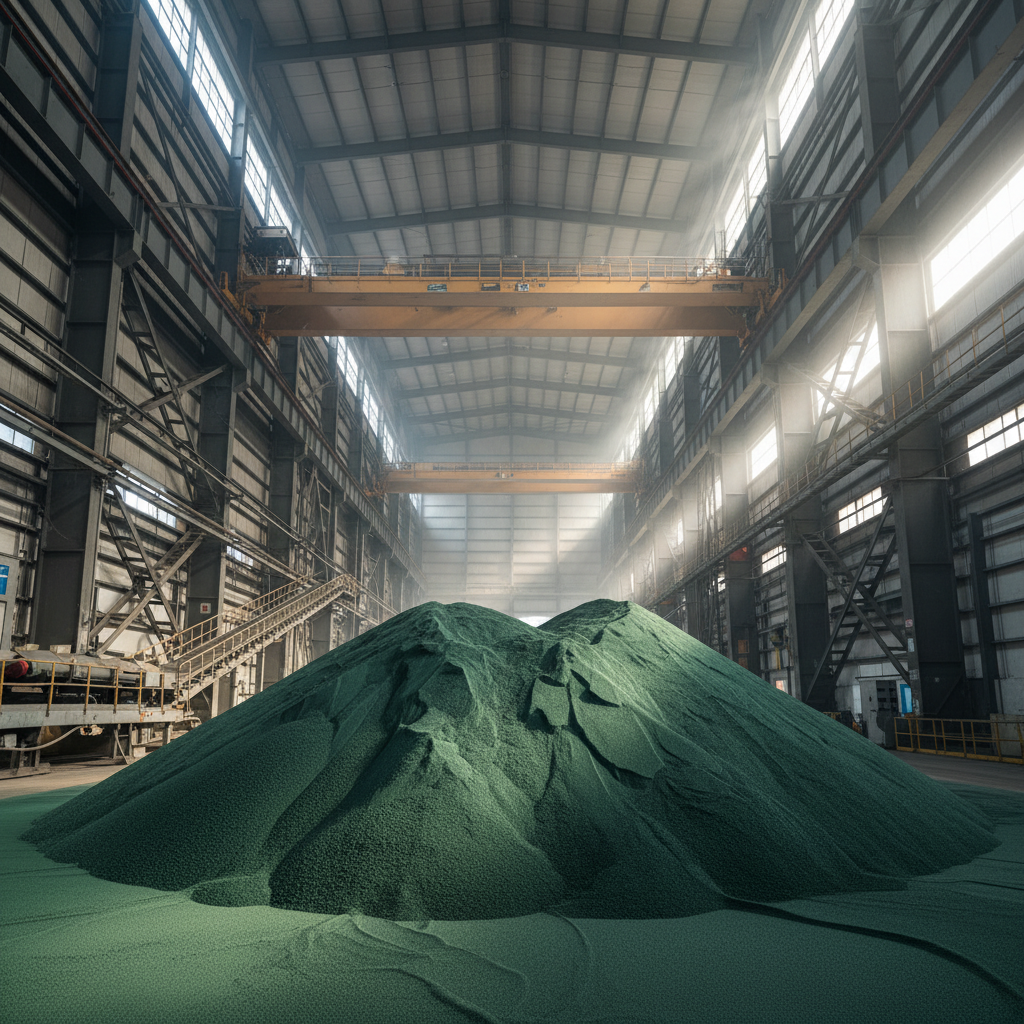
Green colored sand, while seemingly simple, represents a burgeoning field with increasing global relevance. Its applications span from artistic endeavors and landscaping to cutting-edge industrial processes and sustainable construction. The demand for specialized sands, including those vibrantly colored, is driven by a growing awareness of aesthetics, environmental concerns, and the need for innovative materials in diverse sectors. Understanding the properties, production, and potential of green colored sand is vital for professionals in construction, manufacturing, art, and environmental science.
Globally, the market for colored sands is experiencing steady growth, particularly within the landscaping and decorative sectors. According to industry reports, the demand for aesthetically pleasing and eco-friendly materials is propelling this expansion. The United Nations Sustainable Development Goals (SDGs), particularly those related to sustainable cities and communities (SDG 11) and responsible consumption and production (SDG 12), are indirectly influencing this trend, as consumers and businesses seek more environmentally conscious options. This has created a unique opportunity for the production and application of green colored sand.
The core challenge lies in balancing the aesthetic appeal and functional requirements of green colored sand with sustainable and ethical production practices. Traditional coloring methods can involve harmful chemicals. Therefore, the development and adoption of eco-friendly coloring agents and responsible sourcing of base materials are crucial to unlocking the full potential of this versatile resource. This demand is fostering innovation in material science and process engineering.
Introduction to Green Colored Sand
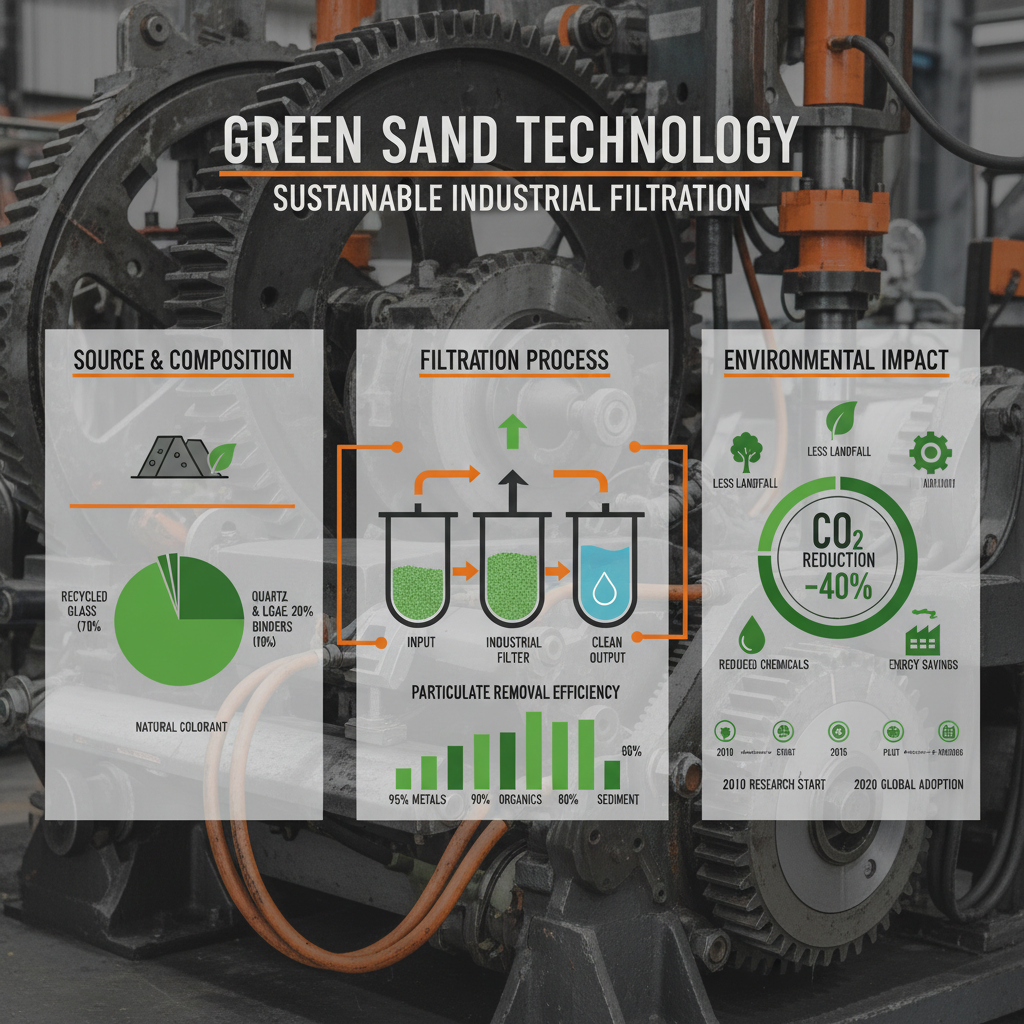
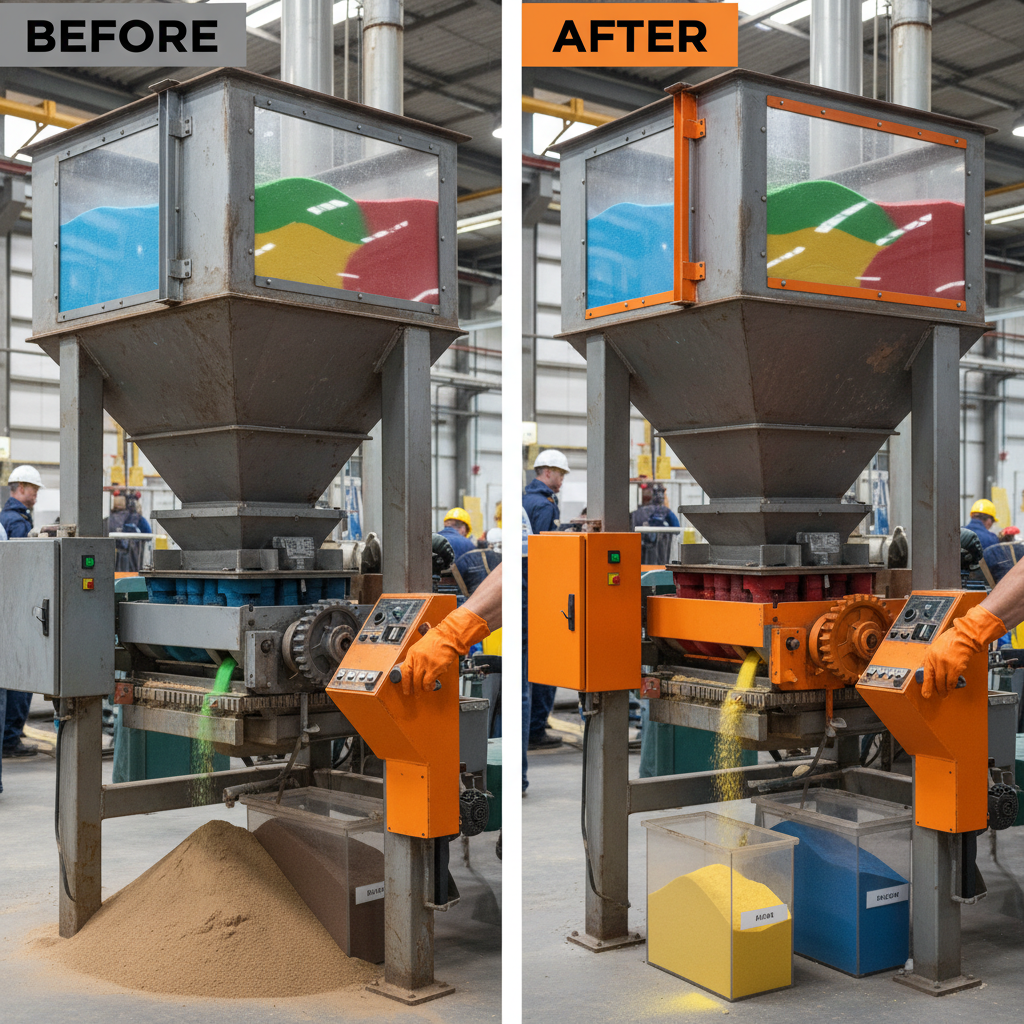
Green colored sand isn't merely a visually appealing material; it represents a fascinating intersection of geology, chemistry, and applied arts. The process of creating this vibrant hue often involves treating silica sand with non-toxic metal oxides, primarily chromium compounds, to achieve a stable and aesthetically pleasing green color. This process, when done correctly, results in a sand product that is durable, weather-resistant, and suitable for a wide range of applications.
The versatility of green colored sand stems from its inherent properties – its granular structure, chemical inertness, and ability to hold color. These characteristics make it ideal for everything from creating intricate artistic designs to providing a unique aesthetic component in construction projects. Furthermore, the growing emphasis on sustainable materials is driving interest in eco-friendly coloring processes for sand, opening up new avenues for innovation and responsible production.
Defining Green Colored Sand
Green colored sand, at its core, is silica sand that has been treated with pigments to impart a green coloration. This isn't simply a matter of mixing paint; the pigment must chemically bind to the sand particles to ensure a long-lasting and stable color. The pigments used are often derived from chromium oxides, although increasingly, manufacturers are exploring alternative, more environmentally friendly options. The resulting material retains the physical properties of sand – its granular texture, permeability, and inertness.
The connection to modern industry and humanitarian needs is becoming increasingly apparent. In construction, green colored sand is being used in decorative concrete, landscaping projects, and even as a component in sustainable building materials. Its aesthetic qualities are highly valued in artistic applications, such as sand art and bottle crafting. Moreover, advancements in sand stabilization techniques are exploring the potential of green colored sand in erosion control and coastal protection projects.
Crucially, understanding the composition and treatment process is essential to ensuring the safety and longevity of the final product. Poorly processed green colored sand can leach harmful chemicals or fade over time, diminishing its value and potentially posing environmental risks. Therefore, quality control and adherence to industry standards are paramount.
Core Components of Green Colored Sand
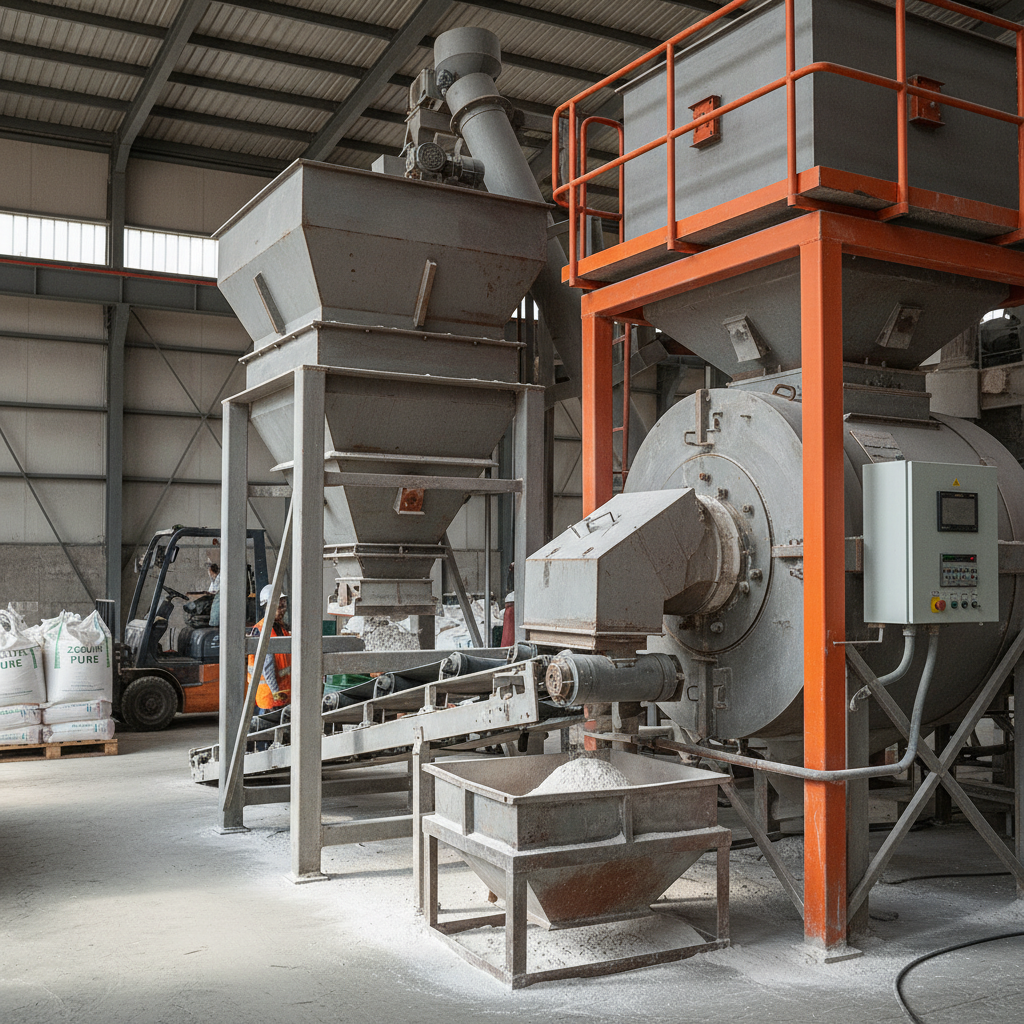
The creation of quality green colored sand relies on several key components. First, the base silica sand must be of high purity, free from contaminants that could interfere with the coloring process or compromise the final product's stability. Second, the pigment used – typically a chromium oxide – needs to be finely ground and evenly dispersed to ensure consistent coloration. Third, a binding agent may be used to enhance the pigment's adhesion to the sand particles.
Durability is a critical aspect. The pigment must be chemically resistant to weathering, UV exposure, and abrasion. Scalability refers to the ability to produce green colored sand in large quantities to meet market demand. Cost-efficiency is achieved through optimized production processes and sourcing of affordable, high-quality materials. Finally, environmental sustainability is increasingly important, driving the development of eco-friendly pigments and responsible sourcing practices.
These components directly impact practical applications. High durability ensures longevity in outdoor landscaping projects. Scalability is vital for large-scale construction endeavors. Cost-efficiency makes green colored sand a viable option for a broader range of projects. And environmental sustainability aligns with the growing demand for eco-conscious building materials and artistic creations.
Global Applications and Use Cases
The applications of green colored sand are surprisingly diverse. In the landscaping industry, it’s used for creating visually striking pathways, garden borders, and decorative features. Its aesthetic appeal makes it a popular choice for Zen gardens and other meditative spaces. In the construction sector, green colored sand is incorporated into decorative concrete, terrazzo flooring, and exterior wall finishes, adding a unique and vibrant touch to building designs.
Beyond these conventional uses, green colored sand is finding application in specialized areas like erosion control. When mixed with polymers, it can be used to create stabilized sand barriers to prevent soil erosion in coastal regions or along riverbanks. In post-disaster relief operations, it’s even being explored as a component in temporary shelters and sandbag fortifications.
Regions benefiting from the use of green colored sand include North America, where it is widely used in landscaping and decorative concrete, and Asia, particularly in countries with strong traditions of sand art and Zen gardening. Organizations involved in sustainable construction and environmental remediation are also increasingly utilizing this versatile material.
Comparative Analysis of Green Colored Sand Production Methods
Advantages and Long-Term Value
The tangible benefits of using green colored sand are numerous. Cost-effectively, it can often be more economical than using natural colored aggregates or other decorative materials, especially when produced locally. Sustainability is enhanced when eco-friendly pigments and responsible sourcing practices are employed, reducing the environmental footprint of construction and landscaping projects. The vibrant color adds aesthetic value, increasing property appeal and creating visually pleasing environments.
Beyond these practical advantages, green colored sand offers significant emotional and logical value. The aesthetic appeal can create a sense of tranquility and well-being in residential and public spaces. The durability of the material provides peace of mind, knowing that the investment will last for years to come. The innovative use of recycled or sustainable materials can foster a sense of environmental responsibility and trust.
Future Trends and Innovations
The future of green colored sand is closely tied to advancements in material science and sustainable technologies. Research is ongoing to develop new, non-toxic pigments derived from natural sources, reducing reliance on chromium compounds. The integration of nanotechnology is exploring the possibility of creating self-cleaning or UV-resistant green colored sand, further enhancing its durability and longevity.
Furthermore, the trend towards green building and sustainable infrastructure is expected to drive increased demand for eco-friendly materials like green colored sand. Automation and digital technologies are streamlining production processes, improving efficiency and reducing costs. And the growing emphasis on circular economy principles is encouraging the reuse and recycling of sand materials, minimizing waste and promoting resource conservation.
Challenges and Solutions
Despite its potential, the widespread adoption of green colored sand faces several challenges. The primary concern remains the environmental impact of traditional chromium-based pigments. Another challenge is ensuring consistent color quality and durability, particularly in harsh weather conditions. Furthermore, the cost of producing high-quality green colored sand can be prohibitive for some projects.
However, innovative solutions are emerging. The development of alternative, non-toxic pigments is a key priority. Advanced coating technologies can enhance the durability and UV resistance of the sand particles. And optimizing production processes through automation and lean manufacturing can reduce costs. Collaboration between researchers, manufacturers, and end-users is crucial to overcoming these challenges and unlocking the full potential of green colored sand.
Implementing rigorous quality control standards and certification programs will also build trust and confidence in the product, encouraging broader adoption across various industries.
Summary Table of Key Challenges and Solutions Related to Green Colored Sand
| Challenge |
Impact on Green Colored Sand |
Proposed Solution |
Implementation Timeline |
| Environmental Impact of Chromium Pigments |
Limits widespread adoption due to toxicity concerns. |
Research and development of non-toxic alternative pigments. |
Short-term (1-3 years) |
| Color Fading and Durability |
Reduces aesthetic appeal and longevity of applications. |
Application of protective coatings and UV stabilizers. |
Medium-term (3-5 years) |
| High Production Costs |
Limits affordability and accessibility for small-scale projects. |
Automation and optimization of production processes. |
Medium-term (3-5 years) |
| Inconsistent Color Quality |
Affects aesthetic consistency and project outcomes. |
Implementation of stringent quality control measures. |
Short-term (within 1 year) |
| Lack of Standardized Regulations |
Creates uncertainty regarding safety and environmental compliance. |
Development of industry-wide standards and certification programs. |
Long-term (5+ years) |
| Limited Public Awareness |
Hinders market growth and adoption of green colored sand. |
Educational campaigns and marketing initiatives to promote benefits. |
Ongoing |
FAQS
Historically, the most significant environmental concern has been the use of chromium compounds as pigments. Chromium(VI) is a known carcinogen and can leach into the environment if not properly managed. Responsible manufacturers are now actively researching and implementing alternative, non-toxic pigments like iron oxides or naturally derived colorants. Proper waste disposal and treatment of wastewater are also crucial to minimize environmental impact.
When properly treated with durable pigments and protective coatings, green colored sand can exhibit comparable, and even superior, durability to natural sand in outdoor applications. The pigments bind to the sand particles, creating a colorfast surface resistant to weathering and UV degradation. Coatings can further enhance resistance to abrasion and water damage. Regular maintenance, such as resealing, can prolong its lifespan.
Safety is paramount. It’s crucial to ensure the green colored sand is manufactured using non-toxic pigments and that it meets relevant safety standards (such as EN 71-3 for toy safety). The sand should be thoroughly washed to remove any fine particles or dust that could be inhaled. Always check the manufacturer’s safety data sheet (SDS) and certifications before use in children’s play areas.
Green colored sand’s cost is often justified in applications where aesthetics are a high priority, such as landscaping, artistic installations, or high-end architectural projects. It's also suitable for niche applications like Zen gardens, decorative concrete features, and specialized erosion control projects where its unique properties provide added value. Its lasting appearance makes it a cost-effective choice in the long run.
Look for suppliers who provide detailed information about their manufacturing processes, pigment sources, and quality control measures. Inquire about certifications (e.g., ISO 9001) and adherence to environmental regulations. Request a Safety Data Sheet (SDS) for the product. Consider supporting companies committed to sustainable sourcing and ethical labor practices. Transparency from the supplier is key.
The lifespan of green colored sand varies depending on application, climate, and maintenance. In well-drained landscaping features, it can last 5-10 years with minimal fading. Pathways exposed to heavy foot traffic and harsh weather may require resealing or replenishment every 3-5 years. Regular cleaning and maintenance, such as removing organic debris, will significantly extend its lifespan. UV-resistant coatings further enhance longevity.
Conclusion
Green colored sand represents a fascinating convergence of artistry, science, and sustainability. Its versatile applications, ranging from decorative landscaping to specialized industrial uses, demonstrate its growing importance in diverse sectors. The continued development of eco-friendly pigments and production processes will solidify its position as a responsible and aesthetically pleasing material choice for the future. The enduring appeal of vibrant, naturally inspired colors ensures ongoing demand.
Looking ahead, increased collaboration between researchers, manufacturers, and end-users is crucial to address existing challenges and unlock the full potential of green colored sand. By prioritizing sustainability, innovation, and quality control, we can harness the unique properties of this material to create beautiful, durable, and environmentally responsible solutions. To learn more about our range of green colored sand products and services, visit our website: www.jirunhuabang.com.