
Iron oxide pigments for construction architectural coatings landscape stone coloring color stability weather resistance flexible coating anticorrosive protection recycled concrete coloring
Back to list
Dec . 03, 2025 15:27
Iron oxide pigments stand as eco-friendly coloring materials that bridge Sustainable Development and Circular Economy, adapting innovatively to diverse demands of Green Construction, Landscape Stone Coloring, and Flexible Coating. Unlike synthetic pigments relying on toxic chemical synthesis or emitting harmful byproducts during production, iron oxide pigments originate from natural iron ore deposits or eco-friendly synthetic processes using industrial waste. This unique origin endows them with inherent Color Stability and exceptional Weather Resistance, traits that distinguish them from conventional coloring agents. Serving as core component in Architectural Coatings, Anticorrosive Protection, and Recycled Concrete Coloring, iron oxide pigments transcend single-function roles to become multi-purpose solutions blending natural properties, functional performance, and environmental responsibility.
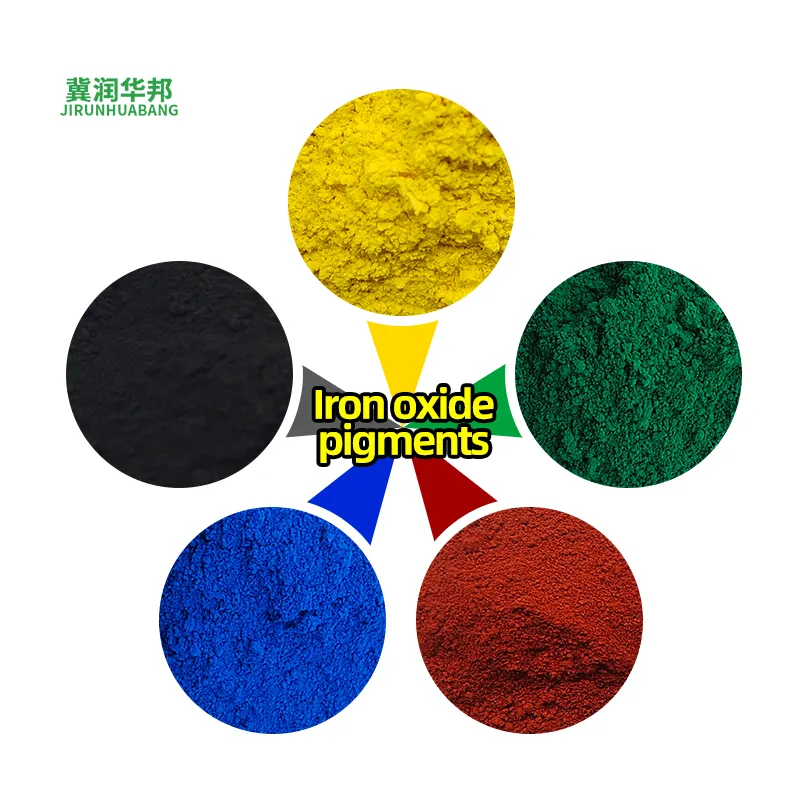
Resource foundation of iron oxide pigments combines natural abundance and circular value, with regional deposits boasting unique adaptability. Natural iron oxide pigments are extracted from iron ore deposits rich in hematite (vibrant red hues), goethite (soft yellow hues), and limonite (earthy brown hues)—South African iron ore veins yield hematite with high light fastness, ideal for Landscape Stone Coloring; Eastern European sedimentary deposits produce goethite with fine particle size, perfect for Flexible Coating. Synthetic iron oxide pigments are produced via controlled chemical reactions using iron-rich byproducts from steel酸洗 (pickling) and metal polishing—waste liquors once treated as pollutants are now refined into high-value coloring materials. Extraction and production adhere to strict eco-friendly standards: natural mining adopts surface extraction to avoid deep geological disturbance, and mined areas undergo restoration by replanting native vegetation and restoring soil fertility; synthetic processes use closed-loop systems to capture emissions and recycle wastewater, eliminating pollutant discharge. Circular Economy is embodied in waste reuse: pigment production residues are ground into ultra-fine powder and mixed into Recycled Concrete Coloring, closing resource loops.
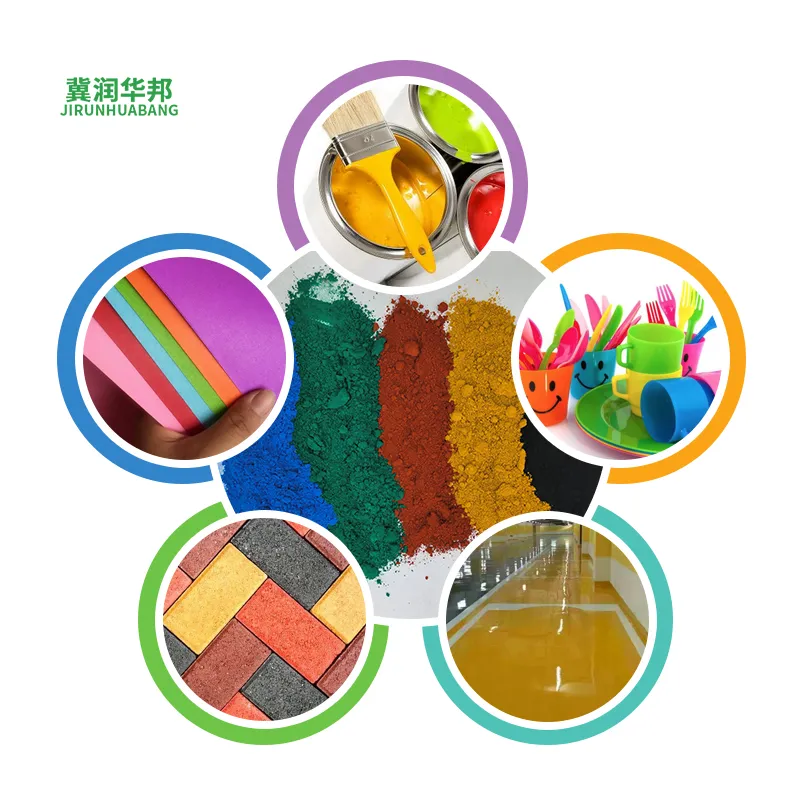
Production processes of iron oxide pigments focus on preserving core traits and adapting to new application needs, with targeted innovations reducing carbon footprint. Natural pigments undergo physical processing that avoids chemical degradation: ore is first crushed into coarse particles using low-energy jaw crushers, then refined via low-temperature airflow grinding (controlling particle collision intensity to retain crystal structure, key for Color Stability), followed by multi-stage air classification to separate impurities like sand and clay—no toxic chemicals are used, retaining natural color depth. Synthetic pigments use low-temperature chemical reactions (avoiding energy-intensive high-heating steps) to control particle size and color shade, with pH adjustment via natural minerals like limestone instead of harsh acids. Post-production treatment includes eco-friendly surface modification tailored to end uses: pigments for Landscape Stone Coloring are coated with natural phosphate compounds to enhance penetration into stone pores; those for Flexible Coating are treated with plant-based emulsifiers to improve dispersion in elastic binders. Solar-powered drying systems, supplemented by wind energy in open mining areas, replace fossil fuels in final processing, cutting carbon emissions significantly.
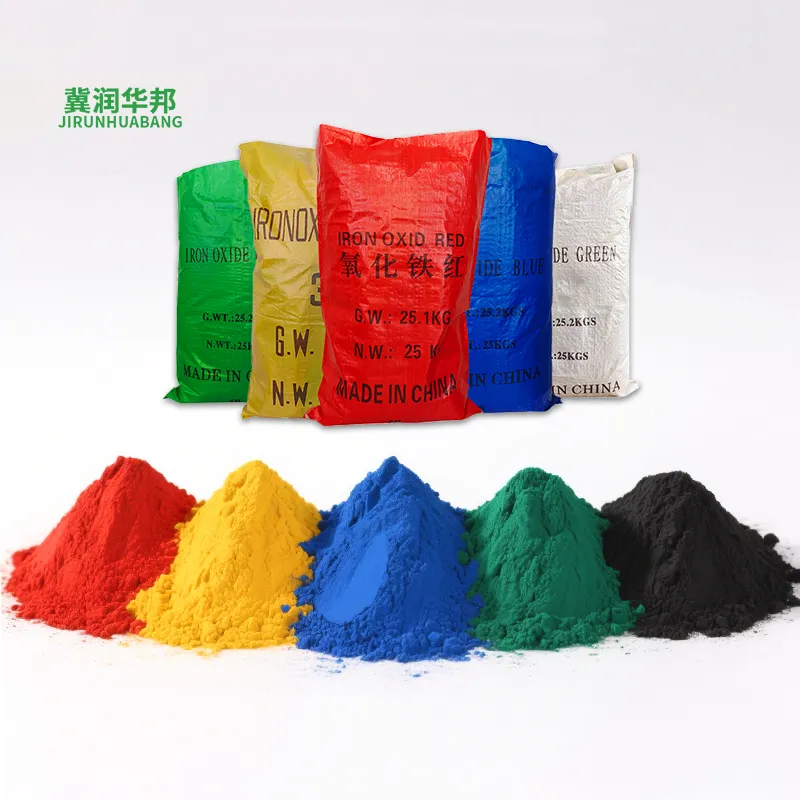
Core properties of iron oxide pigments make them irreplaceable across new industries, with each trait aligned to practical application demands. Color Stability stems from stable iron-oxygen chemical bonds that resist breakdown under ultraviolet radiation, heavy rain, and extreme temperature fluctuations—unlike organic pigments that fade or bleed, iron oxide pigments maintain consistent hue in outdoor Landscape Stone Coloring and building facades for years. Weather Resistance is enhanced by dense particle structure, which repels water and blocks salt spray penetration—coastal Green Construction coated with pigmented Flexible Coating retains elasticity and color without peeling. Chemical inertness ensures compatibility with diverse substrates: mixed into natural stone, they do not react with mineral components; added to Flexible Coating, they avoid degradation of elastic polymers; blended into Recycled Concrete, they do not interfere with cement hydration. Non-toxic nature makes them suitable for public spaces and residential buildings, as they release no volatile organic compounds and meet global safety standards for indoor and outdoor use.
Iron oxide pigments excel in diverse novel application scenarios, with real-world projects showcasing their versatility. Green Construction leverages their Weather Resistance and Color Stability: in urban park renovations, iron oxide pigments are used for Landscape Stone Coloring—red hematite tints natural granite for pathway edging, while brown limonite colors sandstone for decorative boulders, blending with surrounding vegetation. Flexible Coating applies them to modern building exteriors: pigmented elastic coatings cover curved architectural surfaces and exterior wall insulation systems, with yellow goethite adding warm tones while resisting cracking from temperature changes. Anticorrosive Protection uses them for industrial structures: pigmented coatings protect chemical storage tanks and offshore piers from corrosion, forming a barrier that resists acid and alkali erosion, extending service life. Recycled Concrete Coloring revitalizes construction waste: mixed into recycled concrete aggregates, pigments color pavement slabs, garden benches, and retaining walls—turning demolition waste into aesthetically pleasing, durable landscape elements.
Quality control of iron oxide pigments is tailored to new application scenarios, ensuring consistent and reliable performance. For Landscape Stone Coloring, penetration depth tests measure how far pigments seep into stone pores (preventing surface peeling), and color fastness tests expose samples to simulated sunlight and rain for extended periods. For Flexible Coating, flexibility tests bend pigmented coating samples repeatedly to verify no cracking or color loss; dispersion tests check uniformity in elastic binders. For Anticorrosive Protection, chemical resistance tests expose pigmented coatings to acid and alkali solutions, with samples required to retain integrity and color. For Recycled Concrete Coloring, compatibility tests ensure pigments do not affect concrete strength, and color uniformity tests check for streaks. Both natural and synthetic pigments undergo particle size analysis to match substrate requirements—finer particles for Flexible Coating, coarser ones for stone coloring. Recycled pigment waste undergoes magnetic separation to remove metal impurities, followed by performance tests to match virgin pigment standards.
In conclusion, iron oxide pigments stand as cornerstone eco-friendly coloring materials aligning with Sustainable Development and Circular Economy. Their natural ore origin or waste-derived synthetic production, paired with eco-friendly processing, preserves core traits of Color Stability, Weather Resistance, and chemical inertness—traits that drive unique value in Green Construction, Landscape Stone Coloring, Flexible Coating, and Recycled Concrete Coloring. Unlike toxic synthetic pigments that harm ecosystems and human health, iron oxide pigments’ entire lifecycle minimizes environmental impact from responsible extraction/production to waste reuse. Novel applications demonstrate their adaptability: enhancing public space aesthetics via colored stone, enabling flexible architectural designs with pigmented coatings, protecting industrial infrastructure, and reducing construction waste. As demand for eco-friendly, long-lasting coloring materials grows, iron oxide pigments remain vital choice, connecting natural resources and industrial innovation in sustainable, functional ways.
Share