
Multicolor iron oxide pigments for fire-resistant coatings ceramic glazes printing inks decorative plaster offer heat resistance color consistency tinting power dispersion
Back to list
Dec . 29, 2025 17:15
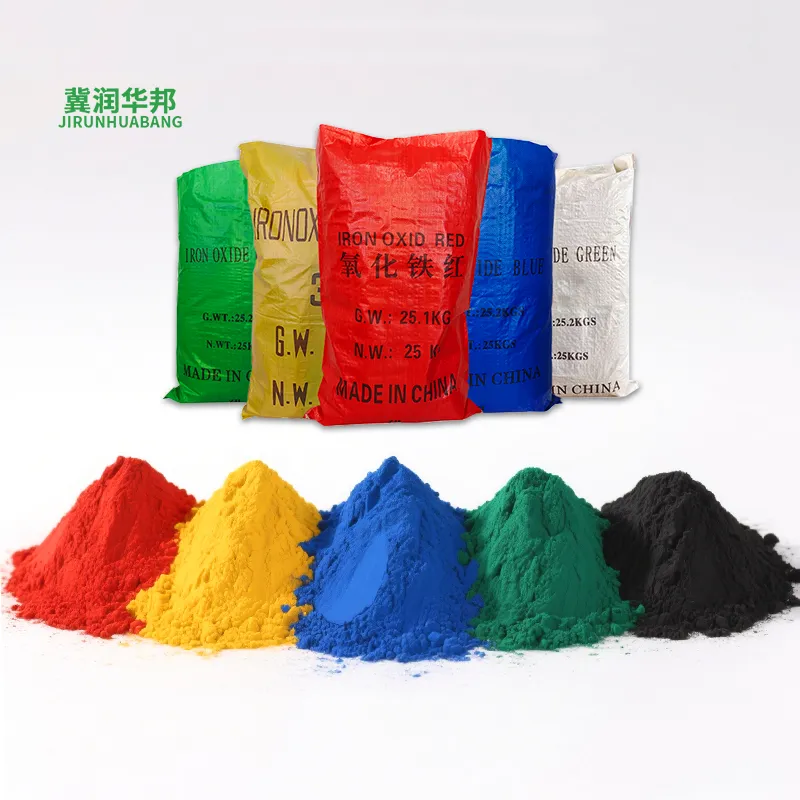
Iron oxide pigments emerge as inorganic colorants rooted in iron-based materials, boasting diverse hue range from warm terracottas and golden ambers to deep chestnuts and solid blacks. These pigments carry inherent heat resistance and color stability that set them apart from fragile organic alternatives—organic colorants often decompose or fade at moderate temperatures, while iron oxide variants retain structure even in extreme warmth. This resilience makes them critical for applications exposed to high temperatures or harsh conditions, from industrial furnaces to outdoor structures. Core traits—ability to retain color under sustained heat, resist chemical erosion from solvents or acids, and bond with varied substrates—define their utility, ensuring hues stay unaltered against extreme warmth, heavy moisture, constant friction, and even mild chemical splashes. Unlike temporary colorants that decompose, fade, or discolor under stress, these pigments maintain molecular integrity, becoming foundational for products demanding uncompromising reliability in long-term use.
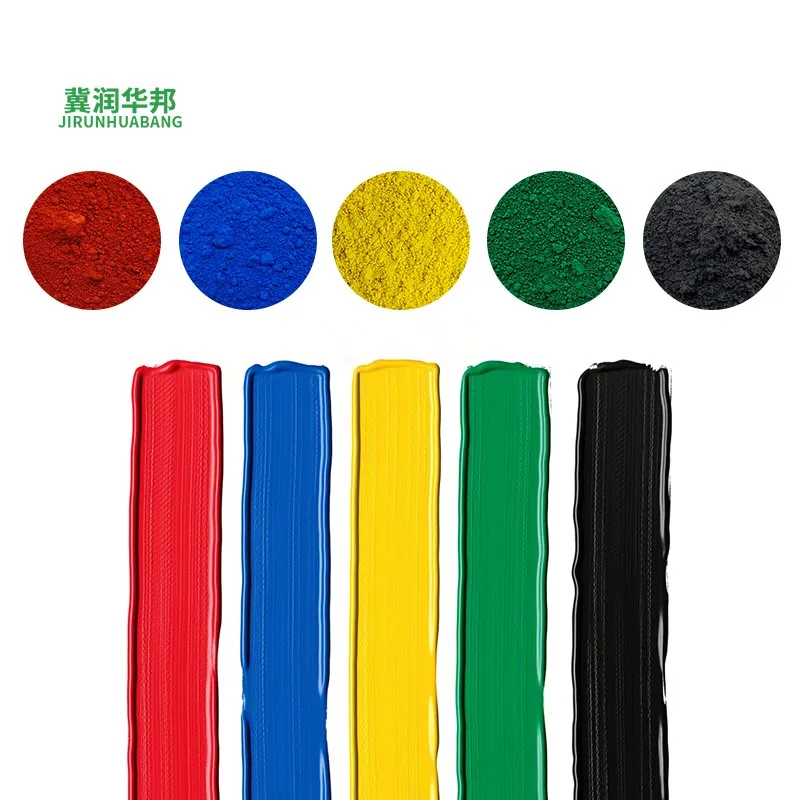
Crafting iron oxide pigments involves refined synthetic processes focused on tailoring properties to suit specialized end uses, with each step calibrated to ensure consistency. Key steps include selecting high-purity iron sources (such as iron hydroxides or oxides), regulating reaction environments (controlling pH levels and agitation speed) to form uniform particles, and optimizing surface structures to enhance compatibility with target formulations. Producers adjust particle characteristics—fine-tuning size (from micro to nano scales) and shape (spherical or acicular)—to boost tinting power and dispersion; well-engineered particles blend smoothly into resins, glazes, or inks without clumping, guaranteeing consistent color across every batch and eliminating streaky finishes. Surface conditioning adds thin, protective layers (often silane or phosphate coatings) to improve adhesion, allowing pigments to bond tightly with substrates ranging from metal and ceramic to paper and plaster. Strict quality checks span multiple stages: heat resistance tests expose pigments to high temperatures simulating kiln or fire conditions, color accuracy assessments use spectrophotometers to match standard hues, and wear performance trials subject pigmented samples to friction and moisture, ensuring each production run meets rigorous industry standards.
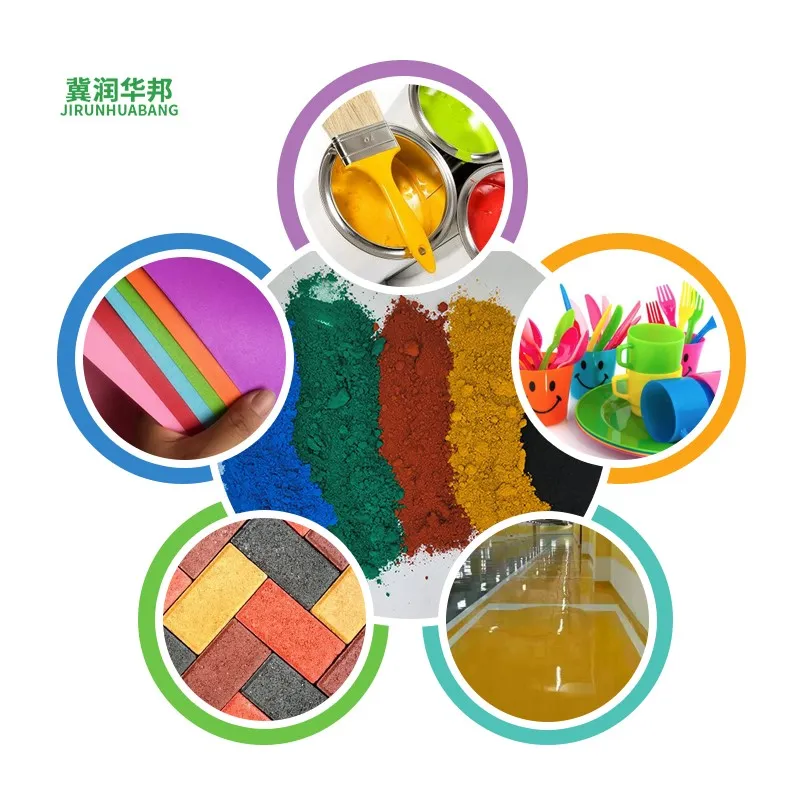
Fire-resistant coating sector relies heavily on iron oxide pigments for creating functional, colored coatings used in industrial facilities (such as factories and power plants) and public buildings (including malls, schools, and hospitals). Pigments blend with fire-retardant additives (like aluminum hydroxide) and binding resins (epoxy or acrylic) to form layers that resist high temperatures while adding color—critical for distinguishing different structural components. They retain hue integrity even when exposed to intense heat from fires (reaching hundreds of degrees), avoiding discoloration that could obscure structural damage and hinder emergency response. These pigments enhance hiding capability of coatings, covering substrate imperfections (like rust spots or surface blemishes) and creating uniform finish that improves aesthetic appeal of industrial and public spaces. Compatibility with fire-retardant components ensures coatings maintain both protective (slowing flame spread) and aesthetic properties, critical for spaces where safety regulations and visual standards must be met simultaneously.
Ceramic glaze industry incorporates iron oxide pigments for formulating decorative and functional glazes used in pottery, floor tiles, wall panels, and tableware. Pigments react dynamically with glaze components (such as silica, alumina, and fluxes) during firing to produce rich, varied colors—subtle earth tones emerge from low-temperature firing, while bold reds or blacks form at higher temperatures. They withstand extreme temperatures of ceramic kilns (exceeding typical industrial heat) without decomposing, ensuring consistent color results across different firing cycles and avoiding batch-to-batch variations. Ability to mix with other glaze additives (like opacifiers or fluxes) allows for creation of unique effects, such as speckled finishes (from uneven pigment dispersion) or gradient hues (from controlled pigment concentration). These pigments bond tightly with glaze matrices, forming integral part of the glaze layer that prevents color bleeding or fading even after repeated use (dishwashing, scrubbing) and exposure to food acids or cleaning agents.
Printing ink sector uses iron oxide pigments for formulating inks designed for packaging (cardboard boxes, plastic pouches), labels (product stickers, shipping labels), and industrial markings (equipment identifiers, warning signs). Pigments deliver vibrant, consistent colors that reproduce accurately on diverse substrates like cardboard, plastic, metal, and even non-porous surfaces. They offer excellent resistance to friction (from stacking or handling) and moisture (from storage in humid environments), ensuring printed designs stay intact during storage, transportation, and daily use. Dispersion quality allows for smooth ink flow through printing presses, creating sharp, clear prints without streaks, smudges, or color blots. Compatibility with water-based and solvent-based ink systems adds versatility, catering to different printing techniques (flexography, gravure, screen printing) and industry requirements (such as low-odor inks for food packaging facilities).
Decorative plaster industry leverages iron oxide pigments to add color to plaster mixes used in interior (hotel lobbies, residential living rooms) and exterior (building facades, garden features) design. Pigments blend evenly into plaster matrices, creating uniform hues that enhance aesthetic appeal of walls, ceilings, decorative moldings, and sculptural elements. They retain color stability against sunlight (for exterior applications) and moisture (in bathrooms or kitchens), ensuring plaster surfaces maintain vibrancy for years without fading, yellowing, or darkening. Ability to mix with different plaster types—including lime (for historic restorations), gypsum (for interior walls), and cement-based plaster (for exterior durability)—expands application possibilities across diverse design projects. These pigments do not alter plaster’s structural properties (strength, setting time, adhesion), preserving essential performance traits while adding visual value that reduces need for additional paint layers.
Key attributes driving iron oxide pigments’ widespread use include exceptional heat resistance, strong tinting power, reliable adhesion, and chemical inertness—traits that address core challenges across industries. Heat resistance makes them suitable for high-temperature applications like ceramic glazes (kiln firing) and fire-resistant coatings (fire exposure), where other colorants decompose or lose color. Tinting power allows small amounts of pigment to achieve intense, full colors, reducing material usage (lowering production costs) and minimizing waste in large-scale applications (road markings, industrial coatings). Reliable adhesion ensures pigments bond firmly with substrates, preventing peeling, chipping, or color loss over time—critical for long-lasting products like ceramic tiles or exterior plaster. Chemical inertness ensures compatibility with various additives (fire retardants, glaze fluxes) and formulations (water-based inks, solvent-based resins), maintaining stability in diverse environments (acidic industrial settings, humid bathrooms).
Technological advancements focus on enhancing pigment performance for specialized applications, pushing boundaries of their utility. Modified surface treatments (such as polymer grafting) improve dispersion in low-viscosity formulations like fine printing inks and thin-fire coatings, ensuring uniform color distribution even in thin layers. Custom pigment blends create unique hues tailored to specific industry needs—from fire-resistant coating shades that meet international safety color standards (like bright reds for emergency exits) to ceramic glaze tones that align with contemporary design trends (muted terracottas for modern kitchens). Development of heat-stable variants (engineered to withstand higher temperatures than standard pigments) expands use in advanced ceramics (aerospace components, though avoiding aerospace industry focus) and high-temperature industrial coatings (furnace interiors). These innovations not only boost performance in existing applications but also open doors to new sectors requiring specialized colorant solutions.
Share