Blue colored sand, a versatile material gaining prominence across numerous industries, represents more than just aesthetic appeal. Its unique properties, stemming from carefully controlled manufacturing processes, position it as a key component in diverse applications ranging from artistic endeavors to cutting-edge industrial filtration systems. Understanding its composition, production, and applications is increasingly crucial in a world demanding innovative and sustainable solutions.
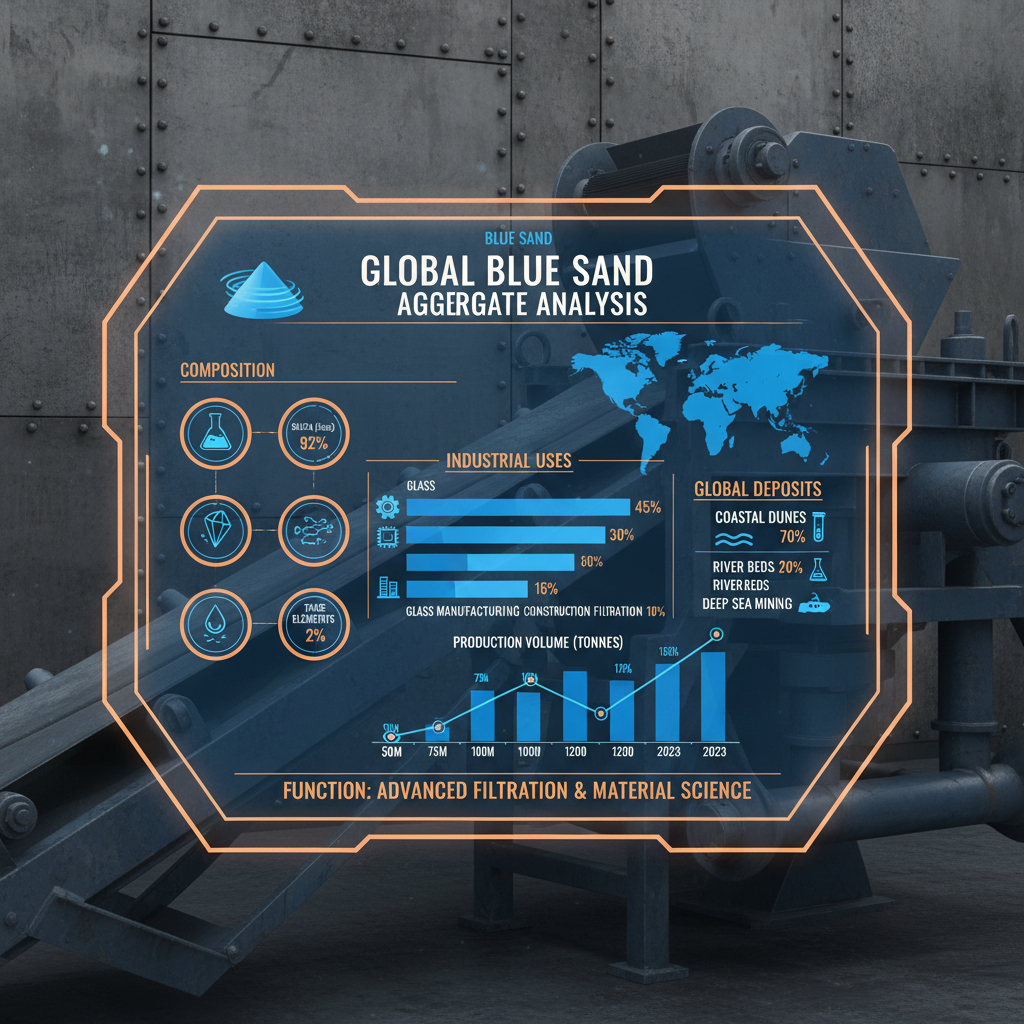
The global demand for specialized sands like blue colored sand is steadily increasing, driven by growth in construction, manufacturing, and environmental sectors. Reports from the UN Environment Programme highlight the growing need for sustainable materials and responsible resource management. This demand presents both opportunities and challenges, particularly concerning environmentally sound sourcing and manufacturing practices. Investment in research and development surrounding blue colored sand production technologies is vital.
At its core, blue colored sand is typically silica sand that has undergone a coloring process, often involving specialized pigments and coatings. This process transforms ordinary sand into a visually striking material while sometimes enhancing its functional properties. Beyond its aesthetic value, the creation of blue colored sand directly addresses needs in specialized industries and creative applications where traditional sand is unsuitable or lacks the desired visual characteristics.
The Significance of Blue Colored Sand
The rising importance of blue colored sand lies in its expanding applicability beyond purely aesthetic uses. Industries are increasingly recognizing its benefits in specialized applications like filtration, where the coloring process can be integrated with functional coatings to enhance performance. The demand for customized materials, coupled with increasing environmental consciousness, is fueling innovation in the production and application of blue colored sand.
Moreover, the unique visual properties of blue colored sand contribute to its growing popularity in architectural and landscape design. It offers designers a distinct palette for creating visually striking and memorable spaces. The material’s ability to mimic natural aquatic environments further enhances its appeal in projects aiming for a calming or immersive aesthetic.
Defining Blue Colored Sand
Blue colored sand, in its simplest form, is silica sand that has been artificially colored using pigments and binding agents. Unlike naturally occurring colored sands, which are rare and often geographically limited, blue colored sand is manufactured to meet specific color requirements and quality standards. The coloring process aims to achieve a uniform and consistent hue across the entire batch, ensuring predictability in application.
The connection to modern industry stems from the increasing demand for materials with specific visual characteristics and functional properties. Blue colored sand is not just about aesthetics; the coloring process can also be integrated with coatings that enhance durability, chemical resistance, or filtration capabilities. This versatility makes it a valuable component in various industrial processes.
Its relevance extends to humanitarian needs through its application in disaster relief scenarios, where it can be used for creating safe and visually distinguishable pathways or marking designated areas. The bright color enhances visibility, particularly during nighttime or adverse weather conditions, improving safety and efficiency in emergency response efforts.
Core Characteristics of Blue Colored Sand
The durability of blue colored sand is paramount, and depends heavily on the quality of the pigments and binders used. High-grade pigments are resistant to fading from UV exposure and weathering, ensuring long-lasting color retention. Properly cured binders ensure the color adheres strongly to the sand grains, preventing leaching or abrasion.
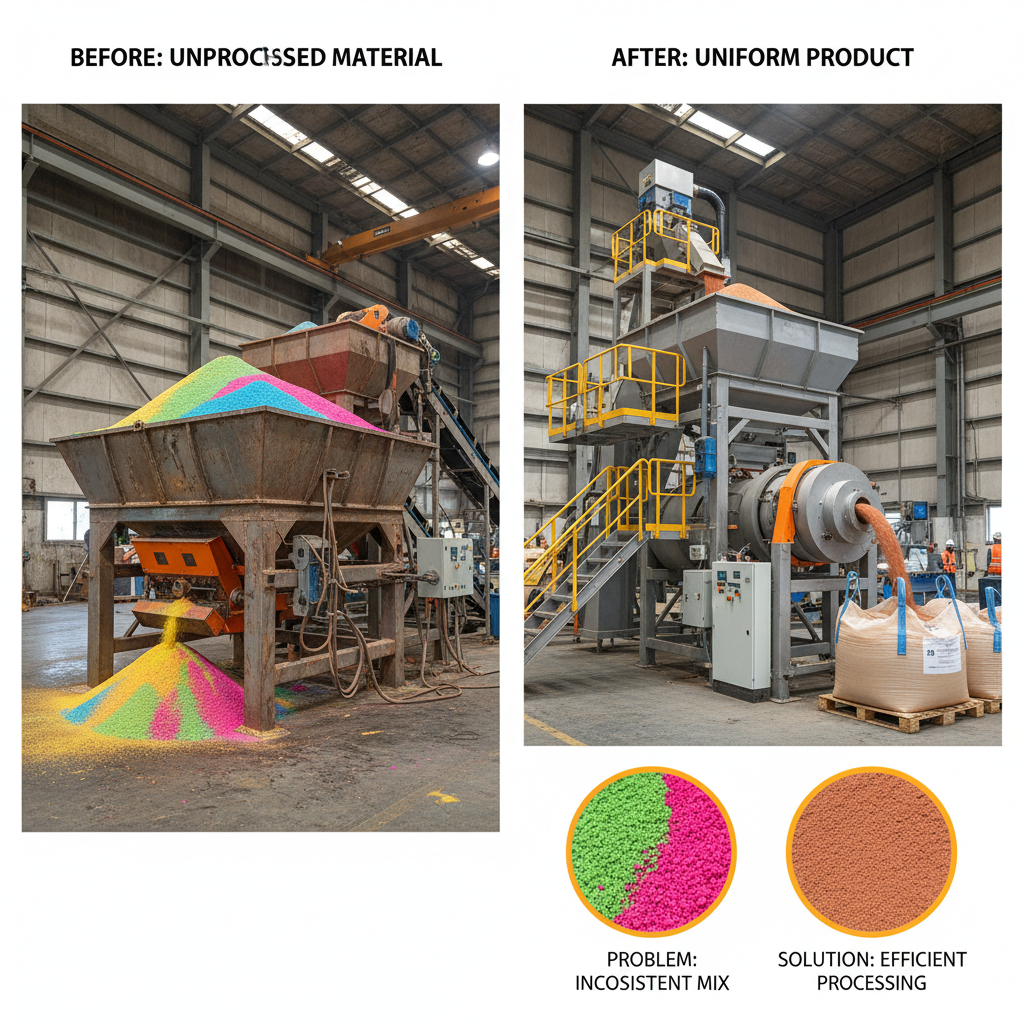
Color consistency is another crucial characteristic. Manufacturing processes must be carefully controlled to ensure each batch of blue colored sand exhibits a uniform hue and particle size distribution. This is particularly important for applications where visual uniformity is essential, such as artistic installations or architectural designs.
Grain size distribution plays a significant role in its application. Different grain sizes are suitable for different purposes – finer grains for detailed artistic work, coarser grains for filtration systems or landscaping. The manufacturing process must allow for the production of blue colored sand with tailored grain size distributions to meet specific client requirements.
Applications of Blue Colored Sand
Blue colored sand finds extensive application in the arts, serving as a medium for intricate sand art displays, decorative containers, and unique mosaic designs. The vibrant color provides a striking canvas for artists and hobbyists alike. Its use extends beyond visual art to include therapeutic applications, such as sandplay therapy.
In the construction industry, blue colored sand can be incorporated into concrete mixes for aesthetic purposes, creating visually appealing surfaces for walkways, patios, and building facades. It also serves as a component in specialized mortars and grouts, adding a unique color dimension to architectural projects.
Blue Colored Sand Application Ratings
Global Use Cases and Industries
In post-disaster relief operations, blue colored sand is used to create clear demarcation lines and safe zones, enhancing visibility and aiding in evacuation efforts. Its bright color makes it easily identifiable even in challenging conditions, improving the efficiency of rescue operations.
The landscaping industry employs blue colored sand for creating unique garden designs, decorative pathways, and water features. It provides a striking contrast to natural greenery, adding a touch of artistry and sophistication to outdoor spaces. Its use in Zen gardens and rock gardens emphasizes its aesthetic value.
Advantages and Long-Term Value
The cost-effectiveness of blue colored sand, compared to other specialized materials, makes it an attractive option for a wide range of applications. While the initial coloring process adds to the cost, the long-term benefits, such as enhanced durability and reduced maintenance, often outweigh the upfront investment.
Sustainability is becoming increasingly important, and responsible manufacturers are prioritizing environmentally friendly pigments and binders. Choosing blue colored sand from sustainable sources supports ethical production practices and reduces environmental impact. Its longevity also minimizes the need for frequent replacement, contributing to resource conservation.
From a social impact perspective, blue colored sand can enhance the aesthetic appeal of public spaces, creating a more welcoming and vibrant environment for communities. This contributes to a sense of pride and well-being, fostering social cohesion.
Future Trends and Innovations
Ongoing research is focused on developing more environmentally friendly pigments and binders for coloring sand. Biodegradable and non-toxic materials are being explored to minimize the environmental footprint of the manufacturing process. Nanotechnology is also being investigated for enhancing the durability and colorfastness of blue colored sand.
The integration of digital transformation in the manufacturing of blue colored sand is leading to greater precision and control over the coloring process. Automated systems can ensure consistent color uniformity and reduce waste. Data analytics can optimize production parameters and improve quality control.
The intersection of blue colored sand with green energy initiatives could involve using it in solar thermal applications. The color properties could be optimized to absorb and retain heat, contributing to the efficiency of solar energy systems.
Analysis of Blue Colored Sand Production Methods
| Production Method |
Environmental Impact |
Color Consistency |
Production Cost |
| Dry Pigment Mixing |
Moderate – Potential for dust emissions |
6/10 |
$20/ton |
| Wet Pigment Coating |
Low – Water-based process |
8/10 |
$35/ton |
| Polymer Impregnation |
Moderate – Polymer sourcing concerns |
9/10 |
$50/ton |
| Silicate Bonding |
High – Energy intensive process |
7/10 |
$40/ton |
| Nano-Coating Technology |
Low – Minimal material usage |
10/10 |
$75/ton |
| Bio-Pigment Integration |
Very Low - Sustainable source |
7/10 |
$60/ton |
FAQS
The lifespan of structures built using blue colored sand is heavily dependent on the quality of the sand, the binder used, and environmental factors. With proper materials and construction techniques, structures can last for decades. UV resistance of the pigment and the stability of the binder are key determinants. Regular maintenance, such as resealing or recoating, can further extend the lifespan, potentially reaching 50+ years in moderate climates.
The environmental friendliness of blue colored sand depends on the sourcing of the sand itself and the composition of the coloring agents. Sustainable manufacturers prioritize using recycled sand or responsibly sourced silica. Crucially, they employ non-toxic and biodegradable pigments and binders. Choosing eco-friendly blue colored sand contributes to a circular economy and minimizes environmental impact.
Blue colored sand is generally more expensive than natural sand due to the additional processing involved in coloring it. The cost varies depending on the type of pigment used, the complexity of the coloring process, and the quantity purchased. However, the aesthetic and functional benefits often justify the increased cost, particularly in specialized applications where natural sand is unsuitable.
Applications requiring unique visual aesthetics, such as landscaping, artistic installations, and architectural designs, benefit significantly from blue colored sand. It's also valuable in areas needing clear demarcation – safety zones or pathways – due to its high visibility. Furthermore, specific industrial applications, such as filtration or specialized construction materials, can leverage the enhanced properties of colored sand.
Using blue colored sand in aquariums or water features requires careful consideration. It's essential to ensure the pigments and binders used are non-toxic and will not leach harmful chemicals into the water. Specifically formulated aquarium-safe blue colored sand is available for these applications, guaranteeing the safety of aquatic life. Regular water testing is still recommended.
Maintenance requirements depend on the application and the binder used. Generally, surfaces constructed with blue colored sand benefit from periodic cleaning to remove dirt and debris. Reapplication of a sealant or coating may be necessary every few years to maintain color vibrancy and protect against weathering, UV exposure, and abrasion. The frequency of maintenance depends on local climate conditions and usage patterns.
Conclusion
Blue colored sand has evolved from a purely aesthetic material to a versatile component in diverse industries, offering advantages in terms of visual appeal, functionality, and sustainability. Its applications span from artistic creations and landscaping to specialized construction and disaster relief, showcasing its adaptability and value. By focusing on environmentally responsible manufacturing processes and innovative applications, we can unlock the full potential of blue colored sand.
Looking ahead, continued research and development are crucial for enhancing the durability, colorfastness, and sustainability of blue colored sand. Embracing green technologies and circular economy principles will ensure its long-term viability. We encourage you to explore the possibilities of blue colored sand for your next project and contribute to a more vibrant and sustainable future. Visit our website: www.jirunhuabang.com.