Brown tourmaline price, while often overshadowed by its more vibrant cousins like ruby or sapphire, represents a fascinating intersection of geological rarity, aesthetic appeal, and market dynamics. Understanding the factors that influence its price is crucial for both collectors and industry professionals. This knowledge empowers informed purchasing decisions, responsible sourcing practices, and a deeper appreciation for this beautiful gemstone. Variations in color, clarity, cut, and carat weight all contribute to the final brown tourmaline price.
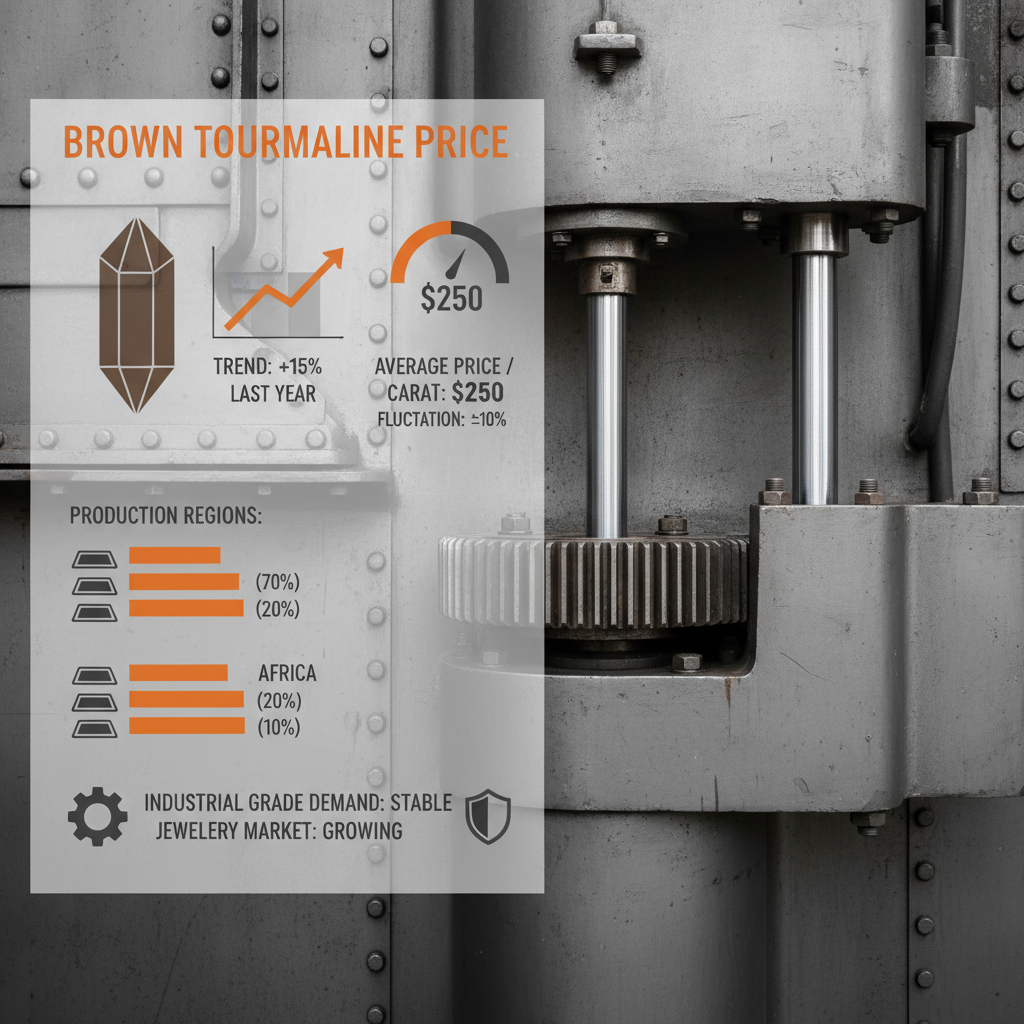
Globally, the demand for tourmaline, including brown varieties, has been steadily increasing over the past decade, driven by a growing interest in unique and ethically sourced gemstones. This demand, coupled with limited supply from key mining locations like Brazil, Nigeria, and Sri Lanka, has resulted in fluctuating, and often increasing, brown tourmaline price points. The gem's versatility in jewelry design and its perceived healing properties further fuel its market appeal.
Ultimately, comprehending the nuances of brown tourmaline price involves appreciating its geological origins, evaluating its quality characteristics, and understanding the complex interplay of supply and demand within the global gemstone market. This understanding allows for a more informed and responsible engagement with this captivating gemstone.
Defining Brown Tourmaline Price
Brown tourmaline price is fundamentally determined by the interplay of several factors, rooted in its geological origins and aesthetic properties. It’s not a single, fixed number, but rather a range influenced by the gemstone’s quality and the prevailing market conditions. A basic understanding of these influencing elements is critical for anyone looking to buy or sell this unique gem.
In essence, brown tourmaline price reflects the cost of sourcing, cutting, and distributing a relatively rare gemstone. The more desirable the color, clarity, cut, and carat weight, the higher the price. The increasing demand for ethical and sustainable sourcing also plays a role, as gemstones from mines with responsible practices may command a premium.
Global Market Dynamics of Brown Tourmaline
The global market for brown tourmaline is characterized by a complex network of mining operations, cutting centers, and retail outlets. Key mining regions, such as Brazil, Nigeria, Sri Lanka, and Mozambique, contribute significantly to the global supply. However, production can fluctuate due to geological factors, political instability, and economic conditions. This variability directly impacts the brown tourmaline price.
Cutting centers, particularly in Thailand, India, and China, process rough tourmaline into polished gemstones. These centers add value to the raw material through skillful cutting and polishing, further influencing the final price. The demand for brown tourmaline is strongest in North America, Europe, and Asia, driven by fashion trends, jewelry design, and a growing interest in colored gemstones.
Furthermore, the rise of online marketplaces has increased transparency and accessibility within the market, allowing buyers and sellers to connect directly. This increased competition can lead to more competitive pricing, but also introduces risks associated with authenticity and ethical sourcing.
The Four Cs: Key Determinants of Price
The “Four Cs” – Color, Clarity, Cut, and Carat Weight – are the foundational principles used to assess gemstone quality and, consequently, determine the brown tourmaline price. Color in brown tourmaline varies from light champagne shades to deep chocolate hues. Richer, more saturated colors generally command higher prices, though personal preference also plays a significant role.
Clarity refers to the absence of inclusions (internal flaws) and blemishes (external imperfections). Tourmaline is typically eye-clean, meaning inclusions are not visible to the naked eye. Higher clarity grades translate to higher brown tourmaline price. Cut refers to the proportions, symmetry, and polish of the gemstone. A well-cut tourmaline maximizes brilliance and fire, enhancing its aesthetic appeal and value.
Finally, Carat Weight, measuring the gemstone’s size, directly impacts price. Larger tourmalines are rarer and, therefore, more expensive per carat. However, price doesn’t increase linearly with carat weight; a 2-carat stone won't necessarily cost twice as much as a 1-carat stone.
Regional Variations in Brown Tourmaline Price
Brown tourmaline price can vary significantly depending on the region. Gemstones sourced from Brazil, renowned for its diverse tourmaline deposits, may exhibit different pricing trends compared to those from Nigeria or Sri Lanka. This is due to variations in mining costs, local market dynamics, and the specific characteristics of the tourmaline found in each region.
For example, tourmaline from Paraíba, Brazil, often commands a premium due to its intense, vibrant colors, regardless of the specific hue. Conversely, tourmaline sourced from more accessible or less renowned locations might be priced lower. Market factors, such as local demand and currency exchange rates, also contribute to these regional price discrepancies.
Comparison of Brown Tourmaline Price by Source Region
Applications Influencing Brown Tourmaline Price
The intended application of brown tourmaline significantly influences its price. Gemstones destined for high-end jewelry, particularly those with exceptional color and clarity, command higher prices than those used in less demanding applications. The complexity of the design and the prestige of the brand further amplify the value.
Increasingly, brown tourmaline is finding use in metaphysical practices, where it's believed to offer grounding and protective energies. This growing demand adds another layer of complexity to the market, occasionally driving up prices for specific types or cuts favored within those communities.
The Long-Term Value and Investment Potential
While not traditionally considered an investment-grade gemstone like diamonds or rubies, brown tourmaline can hold its value over time, particularly for high-quality specimens. The rarity of fine-quality brown tourmaline, coupled with increasing demand, suggests a potential for appreciation.
However, it’s crucial to approach brown tourmaline as a collector’s item rather than a short-term investment. The market is subject to fluctuations, and liquidity can be limited. Proper storage and documentation are essential to preserving its value.
The inherent beauty and uniqueness of brown tourmaline make it a desirable addition to any gemstone collection, offering both aesthetic enjoyment and potential long-term value.
Future Trends and Factors Affecting Price
Several emerging trends are poised to impact the brown tourmaline price in the coming years. The growing emphasis on ethical and sustainable sourcing will likely increase the value of gemstones from mines with responsible practices. Transparency in the supply chain will become increasingly important.
Furthermore, advancements in gemstone treatment technologies could influence the market, potentially enhancing the color or clarity of lower-quality stones. The rise of lab-grown tourmaline may also present a challenge to the natural stone market, although it is unlikely to fully replace the demand for genuine, earth-mined gems.
The development of new cutting techniques and design trends will also play a role, creating opportunities for innovative uses of brown tourmaline and potentially driving up demand.
Summary of Factors Influencing Future Brown Tourmaline Price
| Factor |
Impact on Price |
Likelihood (1-10) |
Timeframe |
| Ethical Sourcing |
Increased Price |
9 |
1-3 Years |
| Lab-Grown Competition |
Potential Price Pressure |
6 |
3-5 Years |
| New Cutting Techniques |
Increased Value |
7 |
2-4 Years |
| Global Economic Conditions |
Fluctuating Demand |
8 |
Ongoing |
| Geopolitical Stability in Mining Regions |
Supply Disruptions or Increases |
5 |
Unpredictable |
| Changing Fashion Trends |
Increased/Decreased Demand |
7 |
1-2 Years |
FAQS
The price of brown tourmaline is primarily determined by the Four Cs: Color, Clarity, Cut, and Carat Weight. Richer, more saturated colors, higher clarity (absence of inclusions), precise cutting, and larger carat weights generally command higher prices. Ethical sourcing and market demand also play a role.
While not typically considered a primary investment like diamonds, high-quality brown tourmaline can hold its value over time, and potentially appreciate. However, it's best viewed as a collector's item rather than a short-term investment due to market fluctuations and potential liquidity issues.
The origin of brown tourmaline can significantly impact its price. Tourmaline from certain regions, like Brazil’s Paraíba state, known for intense colors, often commands a premium. Regional variations in mining costs and gem quality also contribute to price differences.
Untreated brown tourmaline, retaining its natural color and clarity, generally commands a higher price than treated stones. Treatments, such as heating, can enhance color, but they diminish the gemstone’s natural value. Transparency about any treatments is crucial.
Reliable pricing information can be found through reputable gemological laboratories, auction houses, and gemstone trade publications. Online marketplaces can provide a general overview, but always verify the seller's credibility and the gemstone’s authenticity.
Carat weight directly influences the price of brown tourmaline. Larger stones are rarer and, therefore, more expensive per carat. However, the price increase isn’t linear; a 2-carat stone won’t necessarily cost twice as much as a 1-carat stone of similar quality.
Conclusion
In conclusion, understanding brown tourmaline price requires a holistic approach, considering its geological origins, the Four Cs of quality, global market dynamics, and emerging trends. From its captivating hues to its potential investment value, brown tourmaline offers a compelling intersection of beauty, rarity, and market forces.
As consumers become more conscious of ethical sourcing and sustainability, the value of responsibly mined brown tourmaline will likely continue to rise. By embracing transparency and supporting ethical practices, we can ensure the long-term viability of this captivating gemstone and its enduring appeal for generations to come. For further information and to explore available specimens, visit our website: www.jirunhuabang.com.