You know, it's been a crazy year, running around construction sites. Bentonite, it's always bentonite. Seems like everyone's talking about sodium bentonite these days, especially with the groundwater issues popping up all over the place. To be honest, it's not new tech, we've been using it for decades in drilling mud, but the demand is just… different now. Folks are building closer to water, digging deeper basements, and suddenly, keeping things dry is a massive headache. It's not just construction, either. Landfills, environmental remediation... it’s everywhere.
And you wouldn't believe the arguments I’ve had over particle size. Everyone thinks they know what they want. They request something specific, and then when it arrives on site, they complain it’s “not the right feel.” The “feel.” Seriously. Anyway, I think a lot of designers underestimate how crucial the right bentonite is for slurry walls. Get the swelling wrong, and you’ve got a mess on your hands.
We primarily work with sodium bentonite – that’s the stuff that really expands when wet. You can smell it, a slightly earthy odor. Feels like… fine powder, almost silky when it's dry. But get it damp, and it turns into this incredibly sticky, gooey mess. Not a pleasant experience if you get it on your boots. Calcium bentonite is also around, less swelling, more for iron ore pelletizing and stuff like that. Not our world, usually.
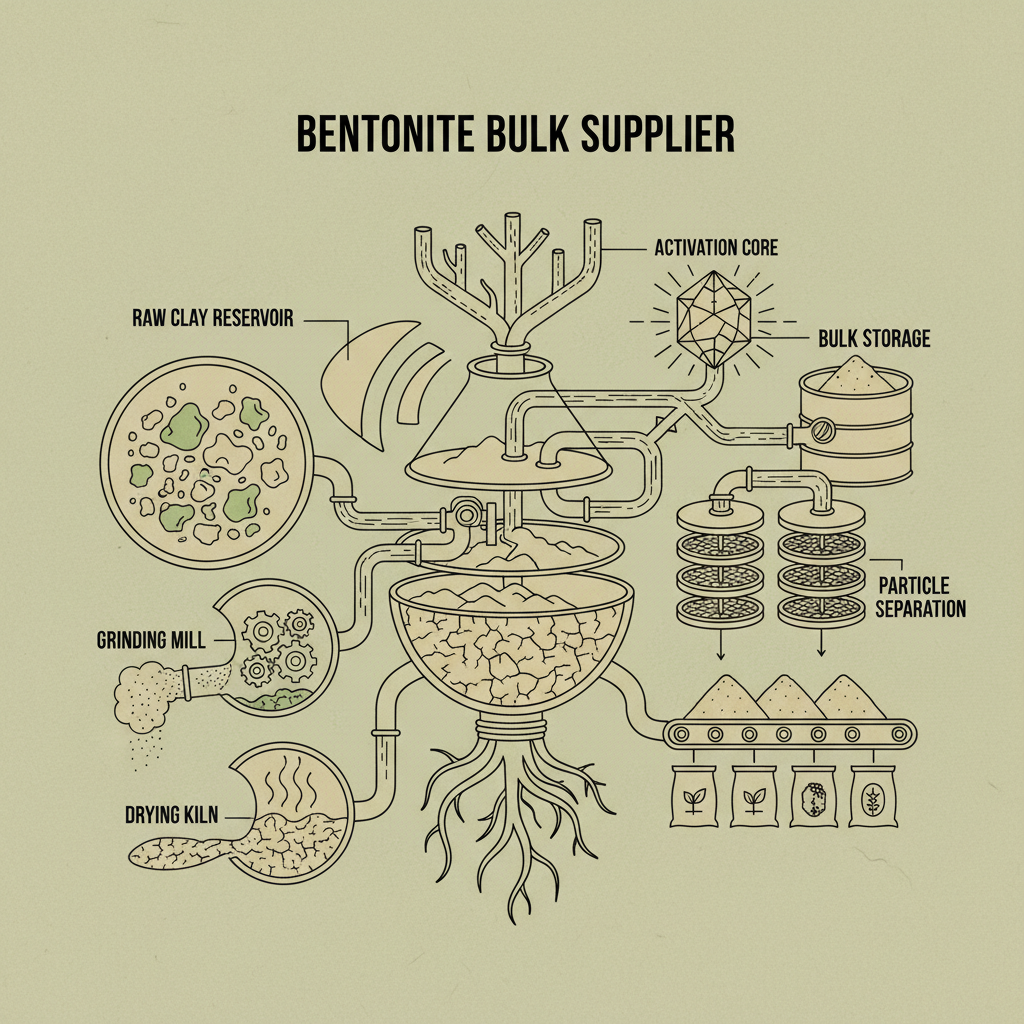
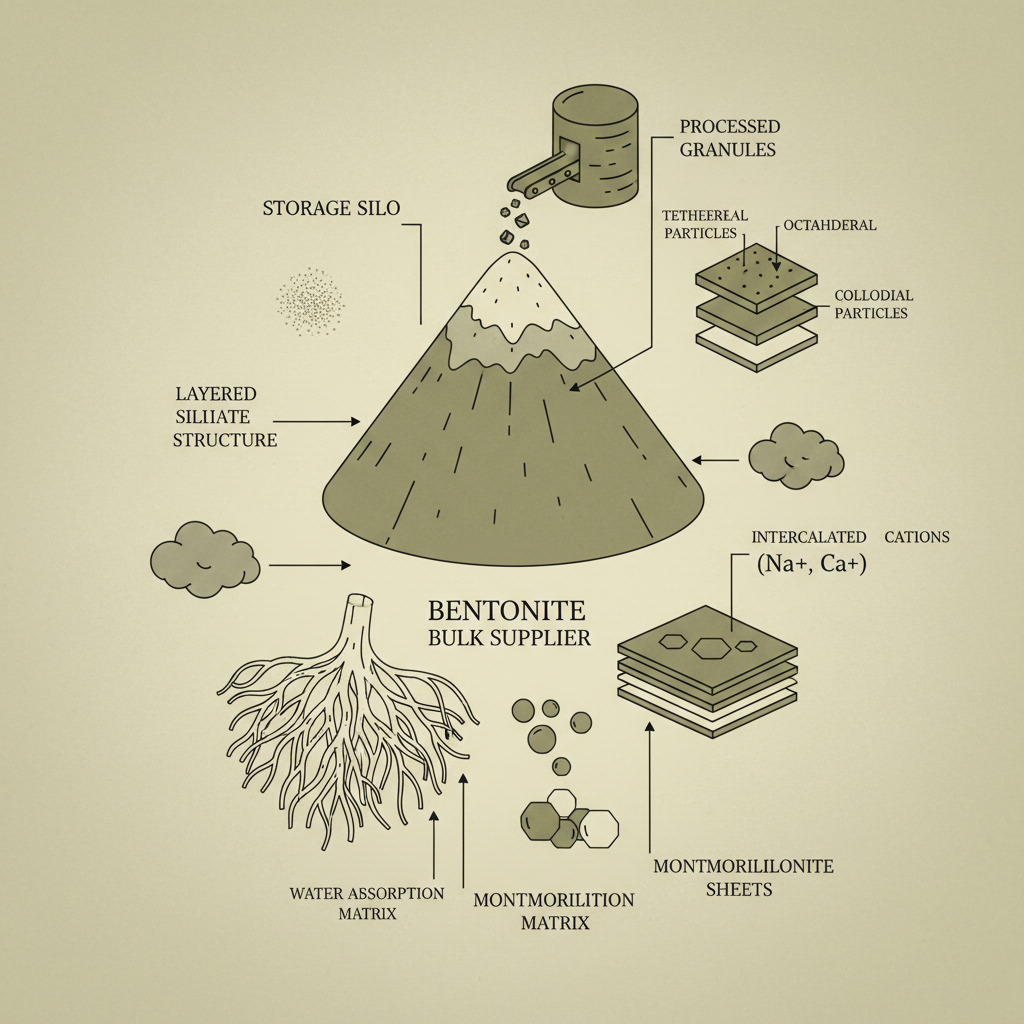
Have you noticed how much more emphasis there is on environmentally friendly solutions? It's driving a lot of the demand for bentonite in things like landfill liners. Everyone's trying to minimize leachate. But the pitfall? Thinking all bentonites are created equal. There's a huge range in purity, swelling capacity, and even the type of sodium exchange. Cheap bentonite… you get what you pay for. I encountered this at a factory in Wyoming last time, they were using a low-grade bentonite and the whole lining was compromised.
It’s a constant battle to educate clients on the difference between a spec sheet and real-world performance.
That's a common one. Moisture is the enemy. Always store it in a dry, sealed container – plastic bags work fine, but make sure they’re properly closed. And keep it off the ground. I've seen pallets of bentonite ruined by sitting in puddles. It's a real pain to try and break up those clumps, trust me. A little desiccant packet tossed in wouldn’t hurt either, especially in humid climates.
It's tricky. Saltwater reduces bentonite’s swelling capacity. It disrupts the clay structure. You’ll need to use a higher concentration of bentonite and potentially add polymers to help stabilize the slurry. It really depends on the salinity of the water and the specific application. It’s always best to run some tests before committing to it.
Activated bentonite has been chemically treated, usually with sodium carbonate, to increase its swelling capacity. It’s more expensive, but you get a better performance, especially in challenging conditions. Non-activated bentonite is just as it comes from the ground. For most general sealing applications, non-activated is fine. But if you need maximum sealing performance, go for activated.
There’s no one-size-fits-all answer, unfortunately. It depends on the soil conditions, the groundwater level, and the desired seal thickness. You'll need to do some calculations based on the porosity of the soil and the swelling capacity of the bentonite. We usually have a spreadsheet that helps with this, but it's best to consult with a geotechnical engineer to be sure.
Generally, yes. It’s a natural clay mineral. But it's not without its issues. Excessive use can disrupt the soil ecosystem. And the mining process can have environmental impacts. It's important to use it responsibly and to minimize waste. We always try to source our bentonite from suppliers who follow sustainable mining practices.
Absolutely. Polymers are often added to increase viscosity and reduce filtration. Cement can be added to create a more rigid seal. It all depends on the application. I once worked on a project where we added fly ash to the bentonite slurry to reduce permeability. It took some experimentation, but it worked surprisingly well.
So, there you have it. Bentonite. It’s a simple material, but it’s surprisingly complex when you get down to the details. It's not a miracle cure, but it's an incredibly versatile and cost-effective solution for a wide range of sealing and stabilization problems. Choosing the right bentonite, understanding its limitations, and using it properly can save you a lot of headaches – and a lot of money.
Ultimately, whether this thing works or not, the worker will know the moment he tightens the screw. They’ll feel it in the resistance, the stability. That’s what matters. And if they’re happy, I’m happy. If you need a reliable bentonite bulk supplier, you know where to find us.