
Exploring Calcium Carbonate: Types, Applications, and Pricing Insights
Back to list
Calcium carbonate is a versatile mineral compound widely used across industries, from manufacturing to food production. Understanding the nuances of calcium carbonate powder, calcium carbonate price, precipitated calcium carbonate, calcium carbonate price per ton, and heavy calcium carbonate is essential for selecting the right product to meet specific needs, whether for industrial fillers, food additives, or pharmaceutical applications.
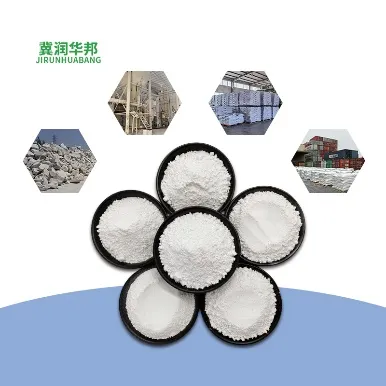
Calcium Carbonate Powder: A Foundation for Diverse Industries
Calcium carbonate powder is a fine, white substance derived from natural sources like limestone, marble, or chalk, or produced synthetically. Its inert nature, high purity, and affordability make it a staple in countless applications. In the plastics industry, it acts as a cost-effective filler, enhancing the rigidity and impact resistance of products like PVC pipes and plastic containers while reducing raw material costs. In paints and coatings, calcium carbonate powder improves opacity and durability, ensuring vibrant, long-lasting finishes on walls and machinery. The paper industry relies on it to increase paper brightness and smoothness, while in construction, it strengthens concrete and mortar by reacting with other components to form stable structures. Even in food and pharmaceuticals, food-grade calcium carbonate powder is used as a calcium supplement in fortified cereals and antacids, thanks to its high elemental calcium content and safe consumption profile. Its adaptability across sectors stems from its ability to blend seamlessly with other materials, making it an indispensable ingredient in modern manufacturing.
Calcium Carbonate Price: Balancing Quality and Cost
Calcium carbonate price varies based on factors like purity, particle size, and intended use, reflecting the diverse needs of industries. Industrial-grade powders, used in construction or plastics, are generally more affordable due to lower purity requirements, while food-grade or pharmaceutical-grade options command higher prices due to strict quality controls and processing standards. For example, a basic industrial calcium carbonate price might start at $50 per ton for coarse powders, ideal for concrete mixing, while finer, high-purity powders used in cosmetics or electronics can exceed $500 per ton. Regional differences also play a role, with prices influenced by local raw material availability, transportation costs, and market demand. Buyers must balance cost with performance—opting for a slightly higher calcium carbonate price for a finer powder can reduce post-processing steps, ultimately saving time and money in production.
Precipitated Calcium Carbonate: Engineered for Precision
Precipitated calcium carbonate (PCC) is a synthetic variant produced through chemical reactions, resulting in ultra-fine, uniform particles with controlled shapes and sizes. This engineering gives PCC unique advantages over naturally sourced calcium carbonate, making it ideal for high-performance applications. In the paper industry, precipitated calcium carbonate delivers superior brightness and smoothness, allowing for thinner, stronger paper sheets that use less fiber. In paints, its fine particle size ensures a smoother finish and better color retention, even in high-gloss formulations. PCC is also valued in the rubber industry, where it enhances elasticity and wear resistance in products like tires and gaskets. Its ability to be tailored to specific particle sizes—from nanometers to micrometers—makes it a favorite in advanced applications, such as pharmaceutical tablets, where consistent particle distribution ensures uniform dissolution and dosage accuracy. While precipitated calcium carbonate often costs more than natural variants, its performance benefits justify the investment in industries where precision is paramount.
Calcium Carbonate Price per Ton: Sourcing for Large-Scale Needs
Calcium carbonate price per ton is a critical metric for industries requiring bulk quantities, such as construction, mining, and large-scale manufacturing. For these sectors, securing competitive calcium carbonate price per ton ensures cost efficiency without compromising quality. Bulk industrial-grade calcium carbonate, used in road construction or as a filler in plastic extrusion, typically ranges from $40 to $200 per ton, depending on particle size and regional supply. High-purity precipitated calcium carbonate for specialty applications can cost $300 to $800 per ton, reflecting its engineered properties. Suppliers often offer volume discounts, with prices decreasing as order sizes increase, making it economical for factories processing thousands of tons annually. When evaluating calcium carbonate price per ton, buyers should also consider logistics—proximity to the supplier can reduce transportation costs, especially for heavy, low-value bulk shipments. Negotiating long-term contracts with reliable suppliers can further stabilize calcium carbonate price per ton, ensuring consistent budgeting for large-scale operations.
Heavy Calcium Carbonate: Strength in Natural Form
Heavy calcium carbonate, also known as ground calcium carbonate (GCC), is produced by crushing and grinding natural limestone or marble, retaining the mineral’s inherent properties. Its larger particle size and higher density make it ideal for applications requiring structural strength and volume. In the construction industry, heavy calcium carbonate is a key ingredient in artificial stones and cement, where its weight and hardness enhance durability. In rubber and plastic manufacturing, it acts as a low-cost filler, increasing product volume while maintaining mechanical integrity—for example, in rubber hoses, it improves resistance to abrasion and heat. Heavy calcium carbonate is also used in ceramics, where it reduces firing temperatures and prevents shrinkage, ensuring consistent product dimensions. Unlike precipitated variants, its natural origin often makes heavy calcium carbonate more affordable, making it a popular choice for cost-sensitive industries. Its versatility and abundance—found in limestone deposits worldwide—ensure a steady supply, making it a reliable option for bulk applications.
Calcium Carbonate FAQs
How does precipitated calcium carbonate differ from heavy calcium carbonate?
Precipitated calcium carbonate is synthetic, with fine, uniform particles engineered for precision applications like high-gloss paints or pharmaceuticals. Heavy calcium carbonate, derived from natural grinding, has larger, denser particles, making it ideal for bulk uses like construction fillers. PCC offers better control over particle size and shape, while GCC is more cost-effective for volume-driven industries.
What factors influence calcium carbonate price per ton?
Calcium carbonate price per ton is shaped by purity (higher for food/pharma grades), particle size (finer = pricier), production method (synthetic PCC costs more than natural GCC), and logistics (transport costs for bulk shipments). Market demand and raw material availability in the region also play significant roles, with prices fluctuating based on supply chain stability.
Is calcium carbonate powder safe for food applications?
Yes, food-grade calcium carbonate powder is safe for consumption, meeting strict regulatory standards for purity and absence of contaminants. It is widely used as a calcium supplement in foods and as an antacid, as it is easily digestible and provides a high percentage of elemental calcium. Always ensure the product is certified for food use by relevant authorities.
Can heavy calcium carbonate replace precipitated calcium carbonate in industrial uses?
It depends on the application. Heavy calcium carbonate works well for bulk fillers in construction or rubber, where cost and volume matter more than fine particle control. However, precipitated calcium carbonate is better for applications requiring smooth finishes or precise particle sizes, such as high-quality paints or pharmaceuticals, where GCC’s coarser particles may compromise performance.
How do I choose the right calcium carbonate powder for my needs?
Consider your application: for structural strength in construction, opt for heavy calcium carbonate. For precision in cosmetics or paper, precipitated calcium carbonate is better. Food or pharmaceutical uses require food-grade powders with safety certifications. Evaluate particle size, purity, and calcium carbonate price to balance performance and cost effectively.
By understanding the unique properties of each type—from the versatility of calcium carbonate powder to the precision of precipitated calcium carbonate—industries can leverage these materials to enhance products, reduce costs, and drive innovation across manufacturing sectors.