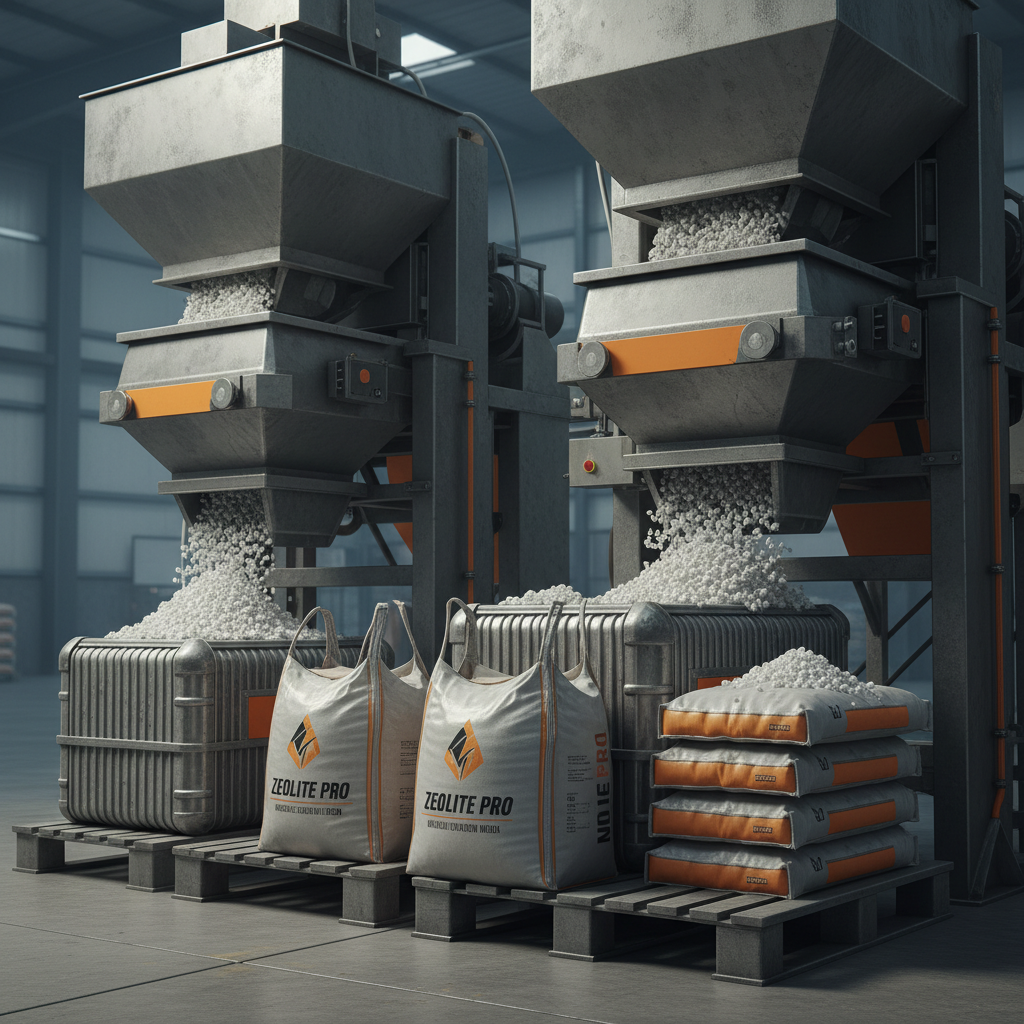
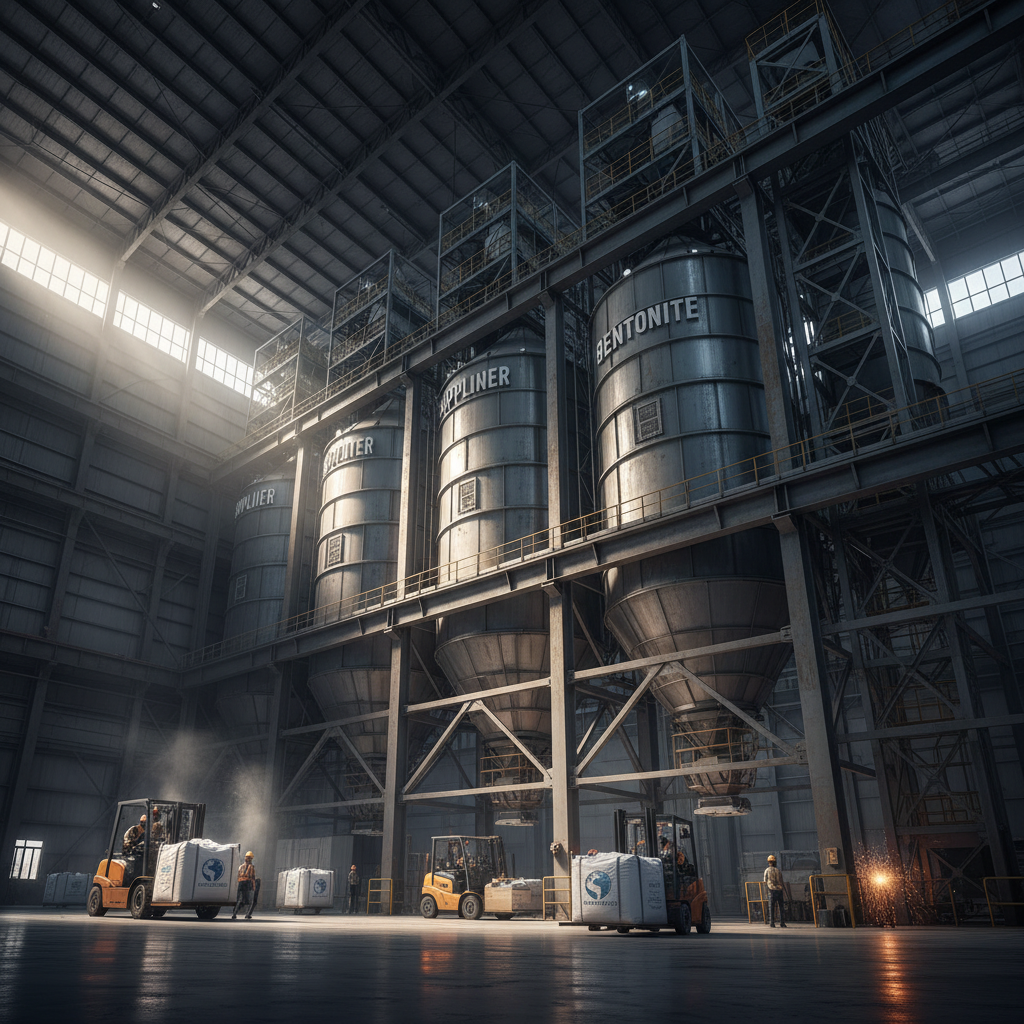
Manufacturer minerals are fundamental to modern industry, providing the essential building blocks for a vast array of products, from construction materials to high-tech electronics. Their significance extends beyond economic contributions, playing a critical role in infrastructure development, disaster relief, and sustainable growth initiatives globally. Understanding the sourcing, processing, and application of these minerals is paramount for responsible resource management and fostering a stable supply chain.
The global demand for manufacturer minerals continues to rise, driven by population growth, urbanization, and technological advancements. However, this demand presents challenges related to environmental impact, ethical sourcing, and geopolitical stability. Addressing these challenges requires innovative solutions, collaborative partnerships, and a commitment to sustainable practices throughout the entire minerals value chain. manufacturer minerals are at the heart of these considerations.
Investing in research, development, and responsible sourcing of manufacturer minerals not only supports economic growth but also contributes to social progress and environmental protection. By prioritizing sustainability and transparency, we can ensure a secure and equitable future for all stakeholders involved in the minerals industry, and unlock the full potential of these essential resources.
Introduction to Manufacturer Minerals
Manufacturer minerals encompass a diverse range of naturally occurring inorganic solids utilized as raw materials in numerous manufacturing processes. These minerals are essential components in countless products, including steel, cement, ceramics, glass, plastics, and electronics. Their unique physical and chemical properties dictate their suitability for specific applications, making them indispensable to modern industry.
The sustainable and responsible sourcing of manufacturer minerals is increasingly vital due to growing concerns regarding environmental impact and ethical considerations. Companies are now under greater pressure to ensure their supply chains are transparent and adhere to stringent sustainability standards. Utilizing manufacturer minerals responsibly is no longer just a preference, but a business imperative.
Defining Manufacturer Minerals
Manufacturer minerals are naturally occurring substances extracted from the Earth’s crust and processed for use in industrial applications. Unlike fuel minerals (like coal or oil) which are primarily burned for energy, manufacturer minerals are valued for their physical and chemical properties. These properties are leveraged to create or enhance the functionality of a wide array of manufactured goods.
The connection to modern industry is undeniable. Nearly every manufactured product contains at least some manufacturer minerals, whether it’s the silica in glass, the iron ore in steel, or the calcium carbonate in plastics. They are not merely raw materials, but essential ingredients that enable the creation of the technologies and infrastructure we rely on daily.
Their relevance extends to humanitarian needs. Manufacturer minerals are critical for building shelters, providing clean water, and constructing infrastructure in disaster-stricken areas. Their durability and availability make them ideal for long-term solutions in challenging environments.
Core Components of Manufacturer Minerals
Durability is a key characteristic of many manufacturer minerals. Minerals like quartz, feldspar, and garnet exhibit exceptional hardness and resistance to wear and tear, making them ideal for use in abrasives, ceramics, and building materials. This inherent durability translates into longer-lasting products and reduced maintenance costs.
Scalability refers to the ability to increase the production of manufacturer minerals to meet growing demand. Efficient mining and processing techniques, coupled with robust supply chain management, are crucial for ensuring a consistent and reliable supply of these essential materials. This is especially important for large-scale infrastructure projects and global manufacturing operations.
Cost-efficiency is another critical factor. While some minerals are relatively abundant and inexpensive, others are rare and require more complex extraction and processing methods. Optimizing these processes and exploring alternative mineral sources are essential for maintaining competitive pricing and ensuring affordability for end-users. The economic viability of manufacturer minerals depends heavily on cost control.
Global Applications of Manufacturer Minerals
Manufacturer minerals are used extensively in the construction industry, forming the basis of concrete, cement, and asphalt. These materials are essential for building roads, bridges, buildings, and other infrastructure projects worldwide. They play a pivotal role in urbanization and economic development, especially in rapidly growing nations.
In the electronics sector, minerals like tantalum, tin, tungsten, and gold (often referred to as 3TG minerals) are crucial components in smartphones, computers, and other electronic devices. Their unique conductive and insulating properties enable the functionality of these technologies.
In post-disaster relief operations, manufacturer minerals are used to create temporary shelters, purify water, and build sanitation facilities. Their availability and versatility make them invaluable in providing immediate aid to affected communities. In remote industrial zones, reliable access to manufacturer minerals is crucial for sustaining manufacturing operations and supporting local economies.
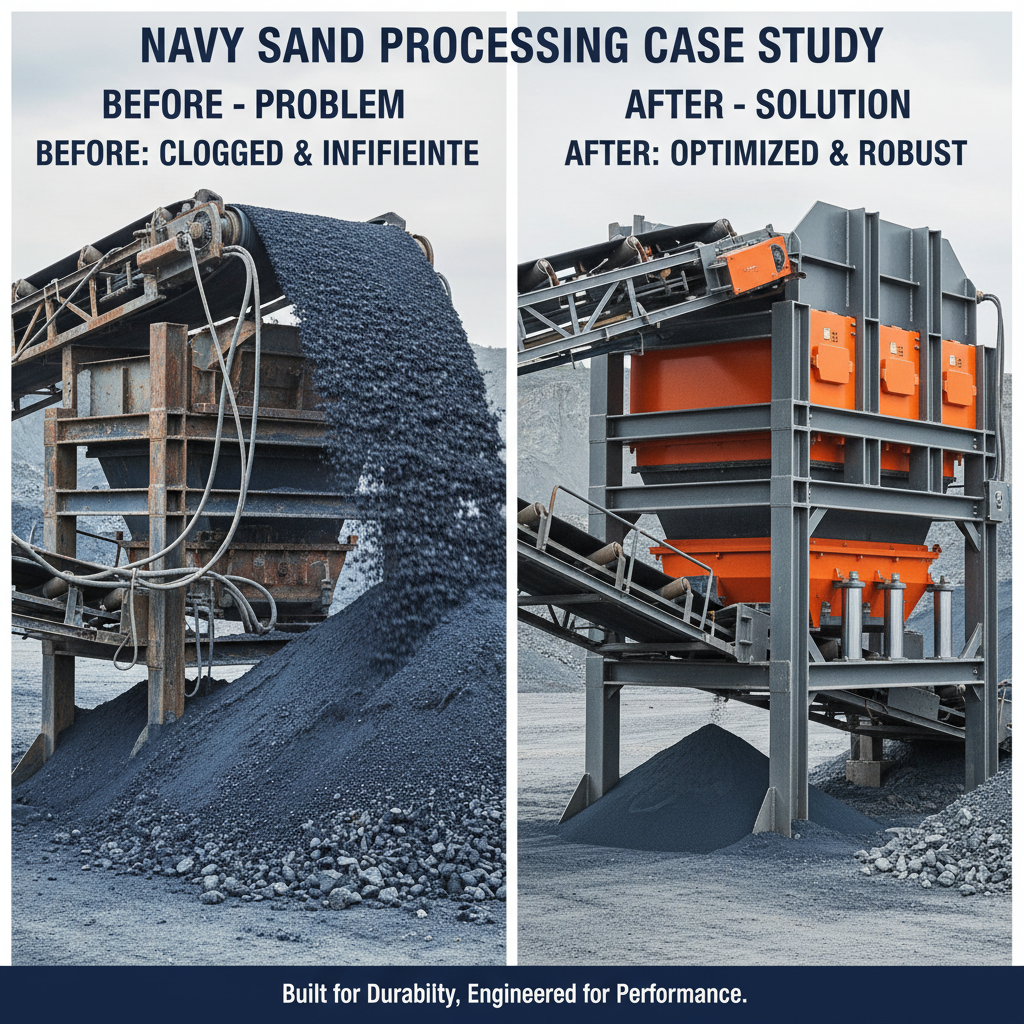
Manufacturer Minerals Processing Efficiency
Advantages and Long-Term Value
The cost-effectiveness of manufacturer minerals contributes significantly to the affordability of finished goods. Efficient extraction and processing techniques, coupled with optimized supply chains, minimize production costs and make essential products accessible to a wider range of consumers.
Sustainability is a growing advantage, as the industry increasingly adopts responsible sourcing practices and environmentally friendly processing methods. This not only reduces the environmental footprint but also enhances the long-term viability of mineral resources, safeguarding them for future generations.
Future Trends and Innovations
Advancements in mineral processing technologies, such as bioleaching and selective mining, are enhancing efficiency and reducing environmental impact. These innovations promise to unlock new mineral resources and minimize waste generation.
The integration of digital technologies, including artificial intelligence and machine learning, is optimizing exploration, extraction, and processing operations. This data-driven approach enables more efficient resource management and improved decision-making throughout the minerals value chain.
Increased focus on circular economy principles, including mineral recycling and reuse, is gaining momentum. This approach minimizes reliance on virgin materials and promotes a more sustainable and resource-efficient industry.
Challenges and Solutions
One major challenge is the environmental impact of mining operations, including deforestation, habitat destruction, and water pollution. Solutions include implementing stricter environmental regulations, adopting sustainable mining practices, and investing in land reclamation and restoration projects.
Ethical sourcing concerns, particularly regarding conflict minerals, require robust supply chain due diligence and traceability mechanisms. Industry initiatives and government regulations are working to ensure that minerals are sourced responsibly and do not contribute to armed conflict or human rights abuses.
Geopolitical instability and supply chain disruptions can pose significant risks to the availability of manufacturer minerals. Diversifying supply sources, building strategic stockpiles, and fostering international cooperation are crucial for mitigating these risks and ensuring a stable and reliable supply chain.
Summary of Challenges and Potential Solutions for Manufacturer Minerals
| Challenge Area |
Severity (1-10) |
Potential Solution |
Implementation Cost (Estimate) |
| Environmental Impact |
8 |
Sustainable Mining Practices & Reclamation |
$5M - $20M per site |
| Ethical Sourcing (Conflict Minerals) |
9 |
Enhanced Supply Chain Traceability |
$2M - $10M (initial investment) |
| Geopolitical Instability |
7 |
Diversified Sourcing & Strategic Stockpiles |
$10M - $50M (ongoing) |
| Resource Depletion |
6 |
Investment in Exploration & New Technologies |
$3M - $15M per project |
| Regulatory Compliance |
5 |
Dedicated Compliance Teams & Auditing |
$1M - $5M per year |
| Public Perception & Social License |
4 |
Community Engagement & Transparency |
$0.5M - $2M per year |
FAQS
The primary environmental concerns include deforestation, habitat loss, soil erosion, water contamination from chemical runoff, and greenhouse gas emissions from mining operations and transportation. Responsible mining practices and robust environmental regulations are crucial to mitigating these impacts. Proper land reclamation and water treatment processes are also essential for restoring affected ecosystems.
Companies can ensure ethical sourcing by implementing robust supply chain due diligence processes, conducting regular audits of suppliers, and working with independent third-party certification schemes. Traceability mechanisms, such as blockchain technology, can help track minerals from origin to finished product. Engaging with local communities and respecting human rights are also essential components of ethical sourcing.
Technology plays a significant role through advancements in automation, data analytics, and mineral processing techniques. AI-powered systems can optimize extraction processes, reducing waste and energy consumption. Advanced sensors and real-time data monitoring can improve process control and enhance efficiency. Digital twins can also simulate mining operations for optimized planning and risk management.
The key drivers include global population growth, urbanization, and increasing demand for consumer goods, infrastructure development, and technological advancements. The rise of renewable energy technologies and electric vehicles is also driving demand for specific minerals, such as lithium, cobalt, and rare earth elements. Sustainable development goals, particularly in emerging economies, further fuel this demand.
Circular economy principles can be applied through mineral recycling, reuse of waste materials, and extending the lifespan of products. Designing products for disassembly and recyclability is crucial. Developing innovative technologies for recovering valuable minerals from electronic waste and industrial by-products can reduce reliance on virgin materials and minimize environmental impact. Extended producer responsibility schemes can also incentivize recycling and responsible waste management.
Supply chain disruptions can lead to price volatility, production delays, and geopolitical instability. Diversifying sourcing locations, building strategic stockpiles, and investing in domestic mineral production can mitigate these risks. Strengthening international cooperation and promoting transparent supply chains are also essential for ensuring a reliable and resilient supply of manufacturer minerals. Developing alternative materials can further reduce vulnerability to disruptions.
Conclusion
In conclusion, manufacturer minerals are the foundational building blocks of modern society, essential for countless industries and critical for sustainable development. Understanding their sourcing, processing, and application is paramount for ensuring responsible resource management, fostering innovation, and mitigating environmental and social impacts. The industry faces challenges, but through technological advancements, sustainable practices, and collaborative partnerships, these challenges can be overcome.
Looking ahead, prioritizing circular economy principles, investing in research and development, and promoting transparent supply chains are vital for securing a long-term, equitable, and environmentally responsible future for the manufacturer minerals industry. We encourage you to explore sustainable sourcing options and learn more about the critical role these materials play in shaping our world. Visit our website at www.jirunhuabang.com to discover how we are leading the way in responsible mineral solutions.