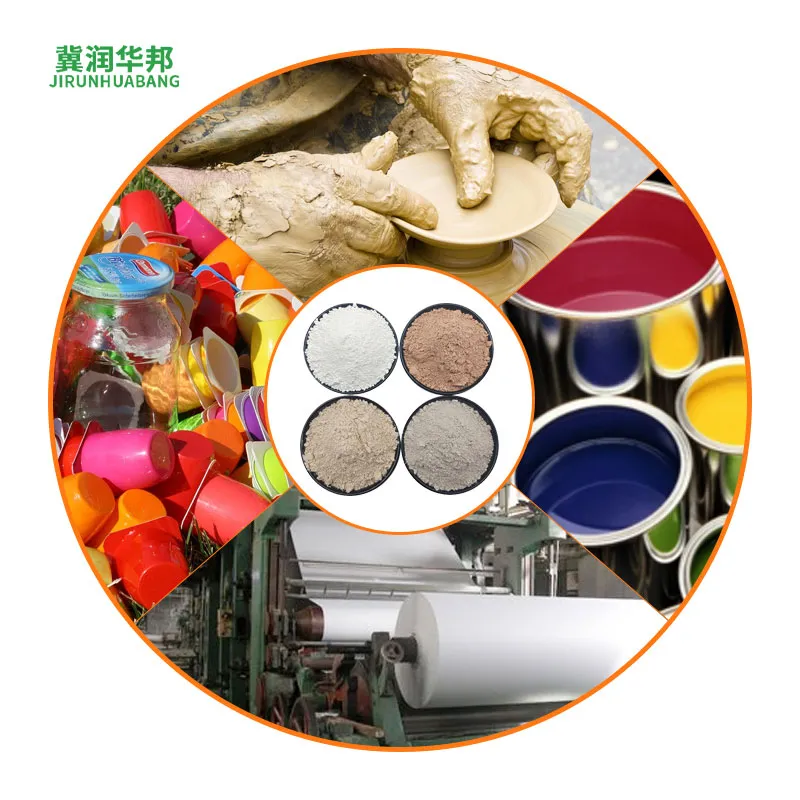
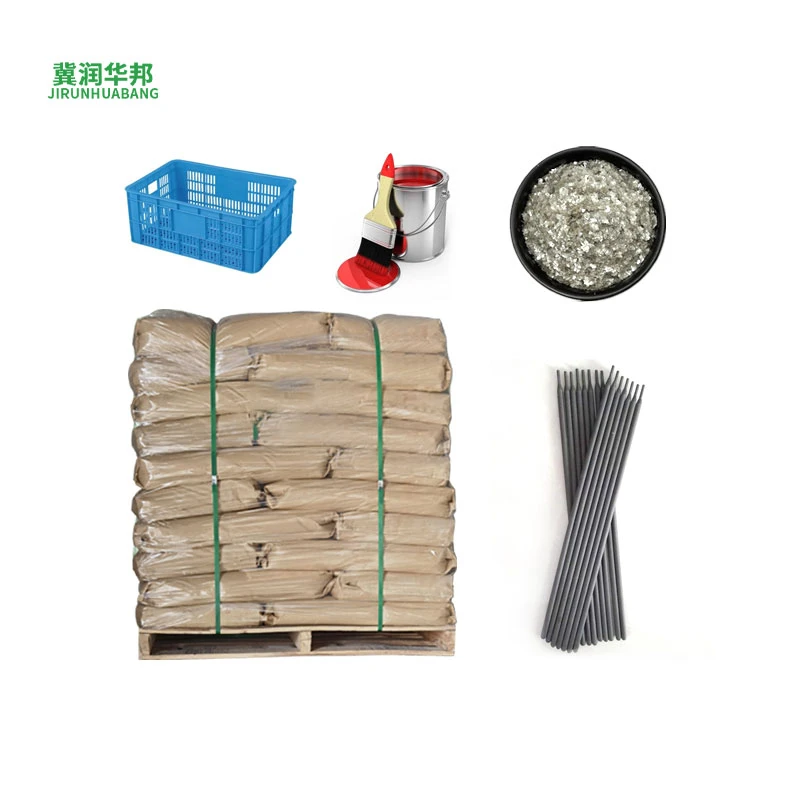
Meanwhile, kaolin powder remains a cornerstone in paper making and rubber manufacturing due to its fine particle size, brightness, and inert properties. In paper production, it improves opacity, smoothness, and printability, crucial for high-quality printing and packaging materials. As a rubber filler, kaolin enhances mechanical strength, abrasion resistance, and dimensional stability, while maintaining flexibility. Its cost-effectiveness and compatibility with various polymers make it a preferred choice in tire manufacturing and industrial rubber goods.
Together, these materials exemplify how specialized minerals can drive innovation across industries, balancing performance, sustainability, and economic viability. Their diverse applications highlight the critical role of advanced mineral technologies in modern manufacturing.
| Cas No. |
1332-58-7 |
| Place of Origin |
China |
| Color |
White/Yellow |
| Shape |
Powder |
| Purity |
90-97% |
| Grade |
cosmetics grade/industrial Grade |
| Package |
5-25kg/bag,customized package |
| MOQ |
1kg |
Kaolin Clay Powder for Rubber Strength
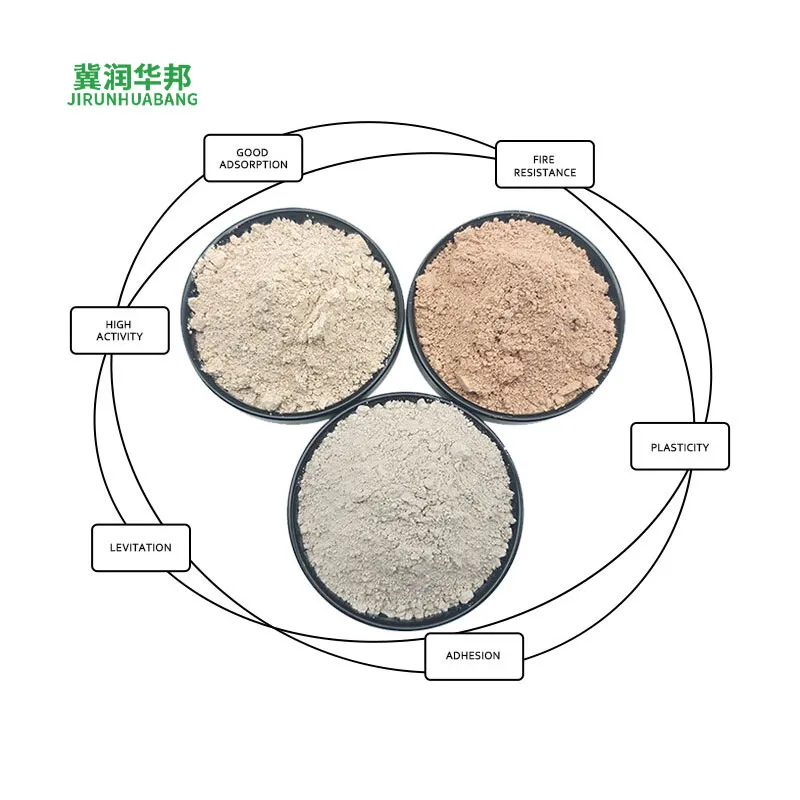
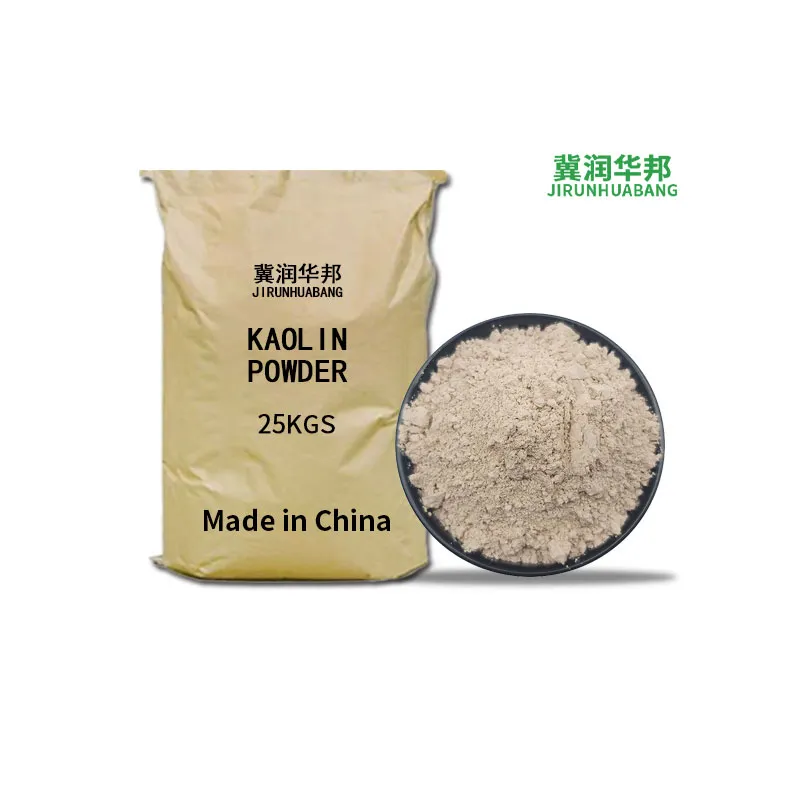
Kaolin clay is a versatile industrial mineral widely recognized for its role in enhancing the performance of rubber products. When incorporated as a reinforcing filler, it improves rubber hardness, tensile strength, and resistance to wear. This makes it an indispensable ingredient in the manufacture of tires, belts, hoses, and other elastomer-based applications where both flexibility and durability are required. The fine particle size of white clay powder ensures a uniform dispersion within the rubber matrix, minimizing defects and maximizing mechanical stability.
One of the reasons manufacturers prefer kaolin powder in rubber production lies in its unique layered silicate structure. These plate-like particles interact with polymer chains, reducing free volume and restricting molecular mobility. The result is rubber compounds that not only exhibit improved hardness but also retain elasticity under stress. Compared to other fillers, such as carbon black, white kaolin clay powder offers the advantage of enhancing physical properties without significantly altering the color of the finished product—an essential consideration in producing light-colored or specialty elastomers.
Beyond performance, cost-effectiveness is another factor driving the demand for kaolin clay powder bulk. While reinforcing agents can be expensive, kaolin provides a balance between mechanical improvements and affordability. Its availability in large volumes makes it attractive for industrial-scale production. At the same time, the kaolin powder price remains competitive compared with other mineral fillers, ensuring manufacturers can meet strict budgetary constraints without sacrificing product quality.
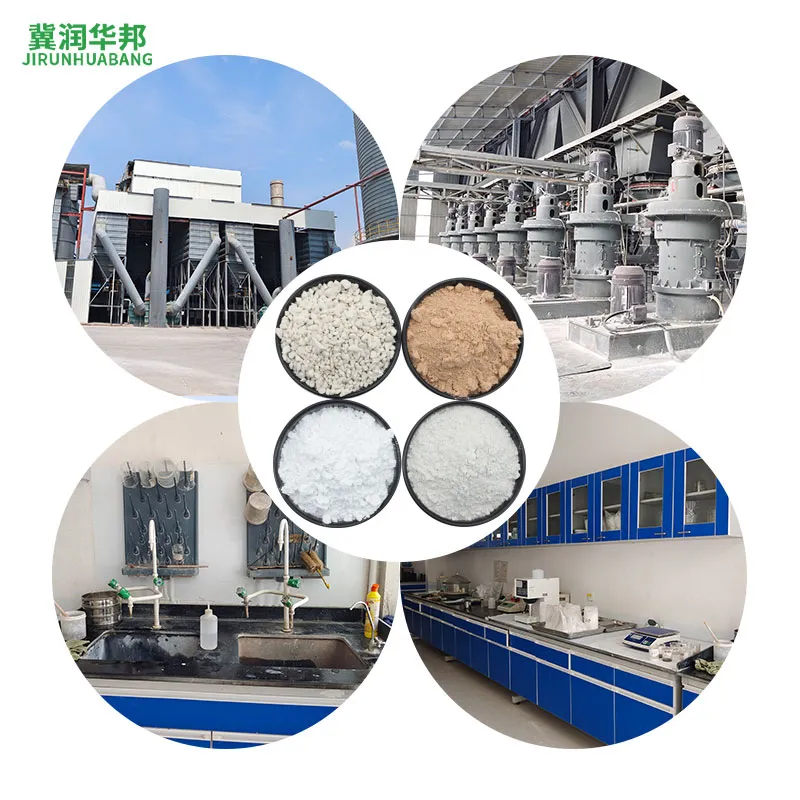
The consistency of the raw material is critical, which is why Hebei Runhuabang New Material Technology Co., Ltd. has gained recognition among global rubber producers. With an annual production capacity of 200,000 tons, advanced testing equipment, and strict ISO9001 quality management, Runhuabang delivers pure kaolin clay powder with reliable particle size distribution and chemical stability. This level of control ensures that every batch provides predictable performance, enabling manufacturers to design rubber compounds that meet international standards for strength, abrasion resistance, and longevity.
Applications for white china clay powder in the rubber industry extend far beyond tires. Seals, gaskets, footwear soles, and conveyor belts all benefit from the improved hardness and wear resistance provided by kaolin. In addition, its low thermal conductivity helps stabilize compounds exposed to fluctuating temperatures, while its chemically inert nature prevents unwanted reactions with additives used in rubber processing. These properties make kaolin not only a filler but also a functional material that shapes the performance of modern elastomers.
The integration of kaolin clay powder into rubber formulations is a proven method to achieve enhanced mechanical properties, cost efficiency, and product reliability. With trusted suppliers like Runhuabang ensuring stable quality and global supply, kaolin remains an essential material for manufacturers aiming to combine hardness, elasticity, and durability in their rubber goods.
Kaolin Powder for Paper Whiteness
The paper industry has long relied on kaolin powder as a critical material to enhance brightness, smoothness, and printability. Acting both as a filler and as a coating pigment, it significantly improves surface quality by reducing porosity and ensuring even ink absorption. This is especially important for high-grade printing and writing papers, where the demand for sharp image reproduction and vibrant color intensity is increasing. By utilizing white clay powder, manufacturers can achieve a consistent level of gloss and opacity, ensuring superior readability and overall paper aesthetics.
The layered crystalline structure of kaolin clay powder contributes to its effectiveness in paper manufacturing. Its fine, plate-like particles distribute evenly across the paper sheet, increasing light scattering and thereby enhancing whiteness. Compared to other minerals, white kaolin clay powder provides a combination of brightness and opacity without compromising the paper’s strength. This makes it an excellent alternative for producing coated paper used in magazines, art books, and packaging, where visual appeal and print clarity are equally important.
In large-scale paper production, economic feasibility plays an essential role. Many producers turn to kaolin clay powder bulk as a cost-effective solution that balances performance with efficiency. Additionally, the kaolin powder price remains favorable compared with alternative fillers, enabling papermakers to maintain high quality while controlling production costs. With its stable supply and predictable characteristics, kaolin ensures consistent performance across different grades of paper.
Hebei Runhuabang New Material Technology Co., Ltd. stands out as a trusted supplier for global paper manufacturers. With advanced analytical instruments, ISO9001-certified processes, and an annual production capacity of 200,000 tons, the company ensures that every delivery of pure kaolin clay powder meets strict industry standards. This consistency supports paper mills in producing sheets with uniform brightness, opacity, and print surface quality—factors that directly influence the competitiveness of their products in the global market.
Moreover, the application of white china clay powder extends beyond traditional printing paper. It is widely used in specialty papers, including those designed for packaging, labels, and coated boards. The chemical inertness of kaolin ensures that it does not interfere with dyes or inks, while its thermal stability allows it to withstand the high temperatures of the paper drying process. These properties make it an indispensable additive in modern papermaking, where both functional performance and visual excellence are essential.
The integration of kaolin powder into paper production is a proven way to enhance whiteness, opacity, and surface properties. With reliable suppliers like Runhuabang providing stable and high-quality material, papermakers worldwide can continue to meet rising expectations for brightness, print clarity, and overall sheet performance.
Kaolin Additives in Plastics and Ceramics
In both plastics and ceramics, kaolin clay powder serves as an essential additive that influences structural integrity, stability, and overall product performance. Within the plastics industry, it acts as a functional filler that improves dimensional stability, stiffness, and resistance to warping. By introducing kaolin powder into polymer formulations, manufacturers can reduce shrinkage during molding, enhance heat resistance, and increase the durability of end products. Its fine particle size and chemical inertness make it compatible with a wide range of resins, ensuring that it integrates seamlessly without causing adverse reactions.
For ceramics, the use of white clay powder plays a very different but equally important role. Kaolin contributes to plasticity during shaping, promotes uniform firing, and enhances whiteness in the final product. When incorporated into ceramic glazes and bodies, white kaolin clay powder improves surface smoothness and provides a bright, consistent background for decorative finishes. Its low iron content ensures that the resulting ceramic items retain their whiteness, a critical feature for tiles, sanitaryware, and fine porcelain.
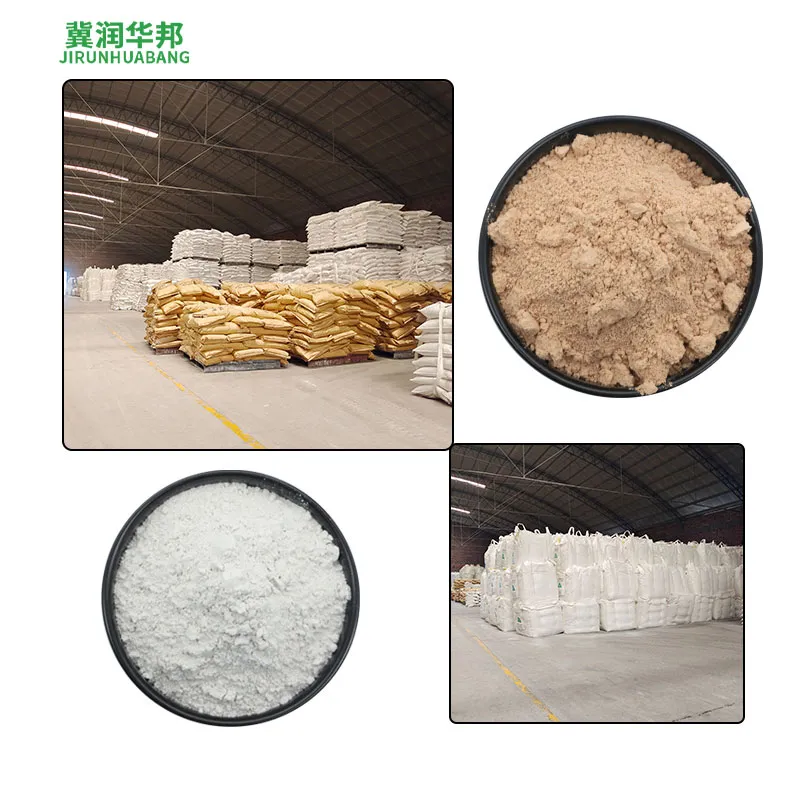
Another advantage of this mineral lies in its availability at scale. Industrial producers often purchase kaolin clay powder bulk to secure consistent quality at an economical level, making it possible to support large-scale operations in plastics compounding or ceramic production. With competitive kaolin powder price levels, manufacturers can optimize both performance and cost efficiency without compromising on product reliability. This balance is particularly valuable for businesses that need to meet strict international standards while maintaining profitability.
Hebei Runhuabang New Material Technology Co., Ltd. plays a crucial role in ensuring this balance. With a production capacity of 200,000 tons per year and a full suite of advanced testing equipment, Runhuabang delivers pure kaolin clay powder that meets the specific requirements of plastics and ceramics manufacturers worldwide. The company’s ISO9001-certified quality system guarantees stable particle size distribution, low impurity levels, and consistent chemical composition. These qualities allow end-users to rely on predictable results across multiple production runs.
Applications extend beyond traditional uses. White china clay powder is increasingly employed in engineering plastics, composite materials, and high-performance ceramics. In plastics, its addition reduces flammability and improves surface smoothness, while in ceramics, it ensures improved translucency and strength after firing. As industries demand more advanced materials for construction, packaging, and consumer goods, kaolin remains indispensable for achieving the required balance of mechanical strength, visual appeal, and processing efficiency.
Whether enhancing the stability of plastics or the whiteness and strength of ceramics, kaolin clay powder continues to prove its versatility. Supported by reliable suppliers like Runhuabang, manufacturers can count on steady quality, large-scale availability, and competitive pricing to drive innovation across multiple industries.
James R
We’ve been sourcing kaolin clay powder from Runhuabang for our rubber components, and the consistency is excellent. The product has improved durability in our final goods, and the quality remains stable across shipments. Their professional service gives us confidence to keep long-term cooperation.
Maria L
Our paper mill relies heavily on kaolin powder, and Runhuabang provides material that ensures smooth coating and high whiteness. The printing clarity has improved significantly, and we are satisfied with the cost-performance ratio compared to other suppliers.