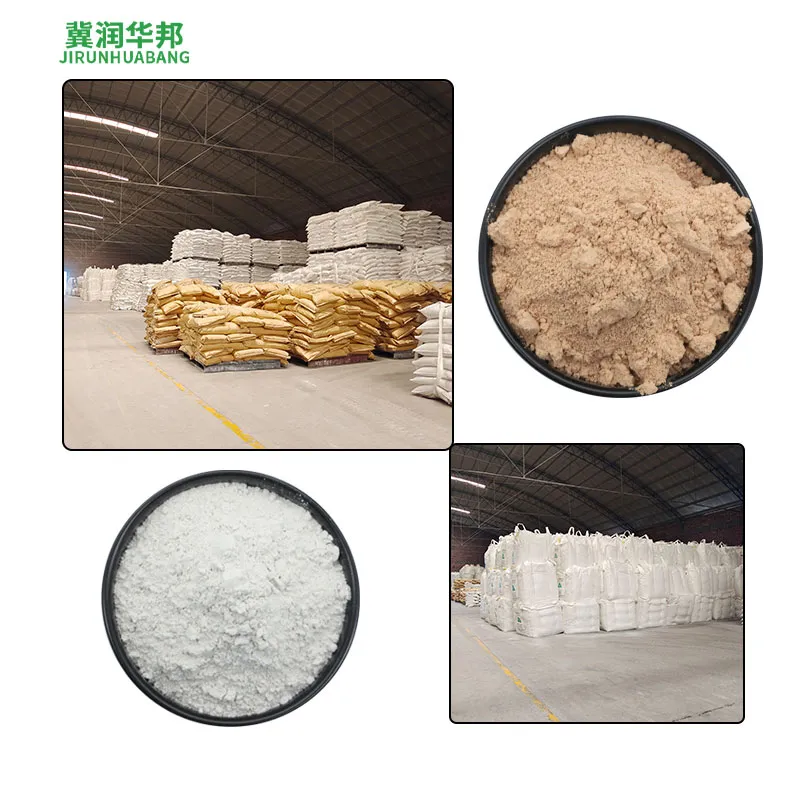
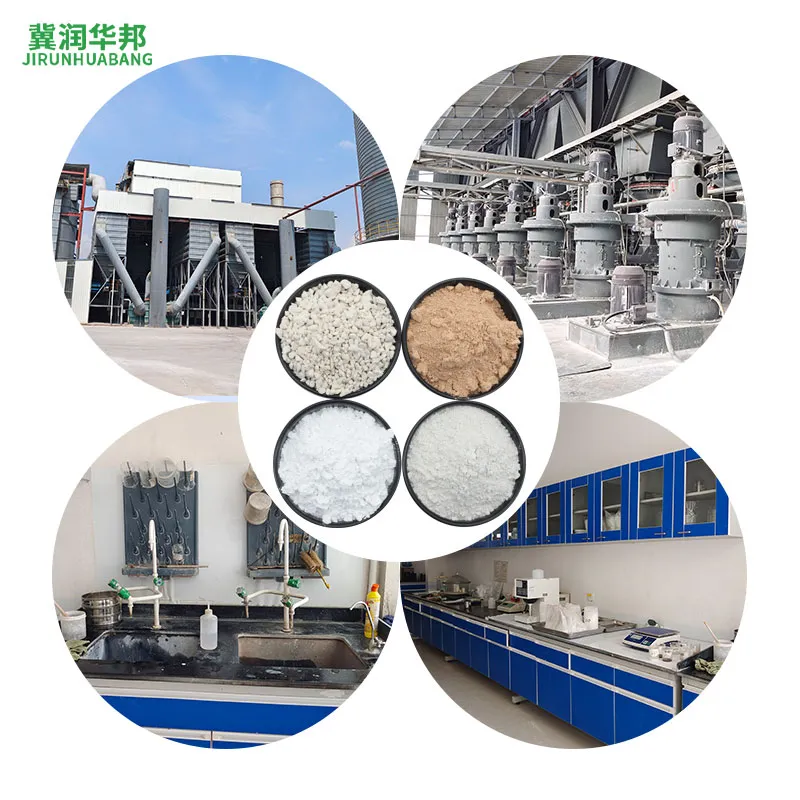
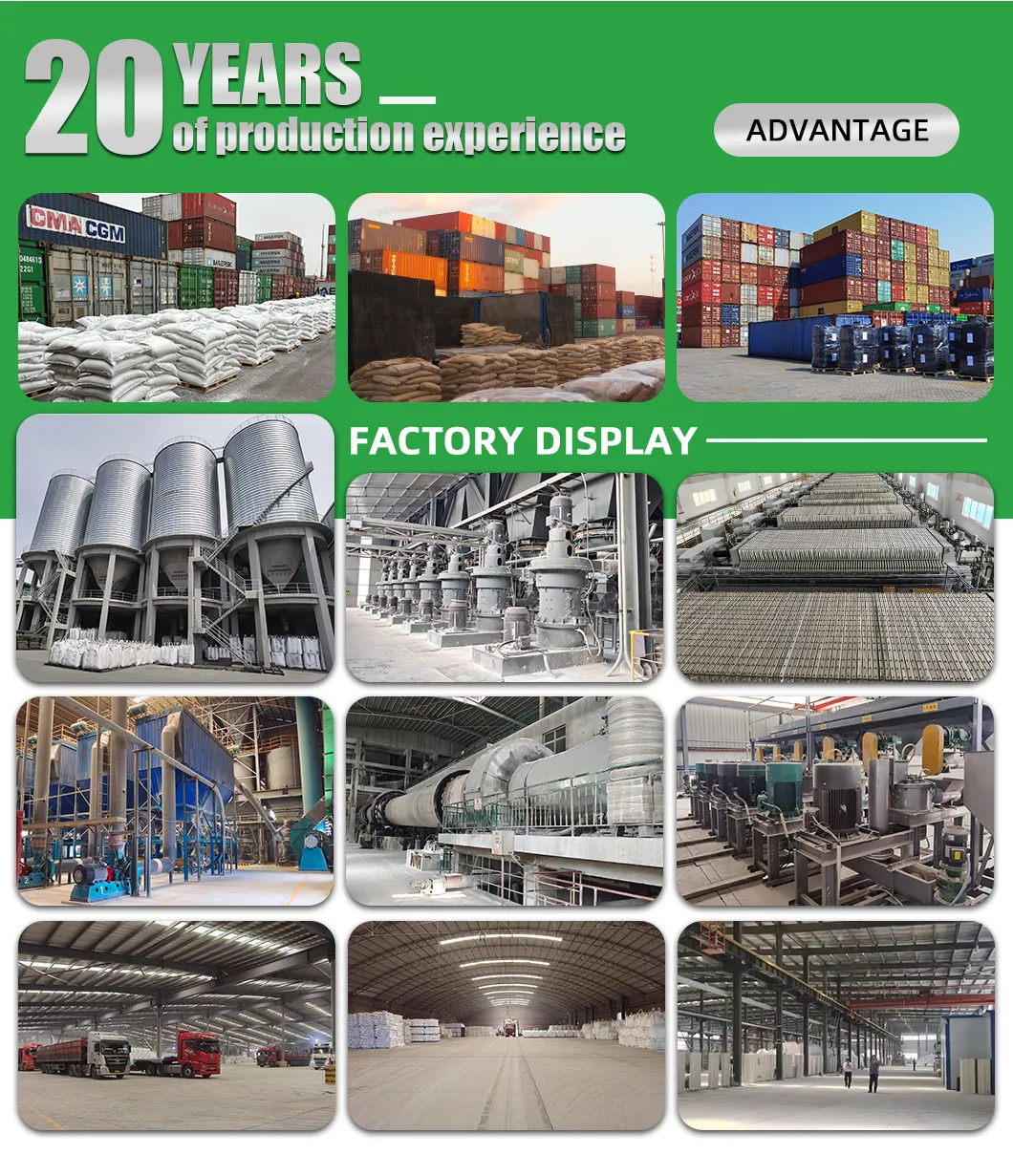
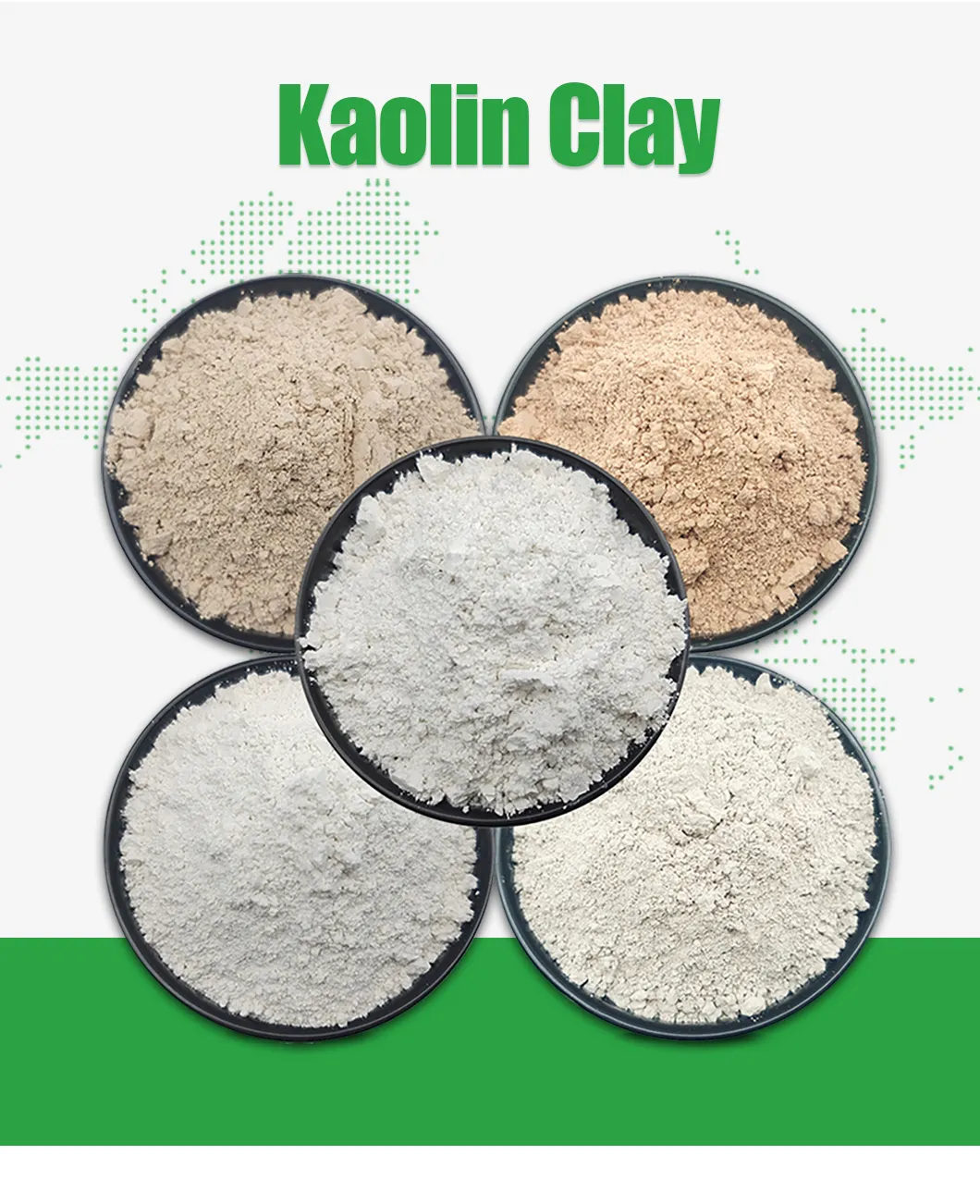
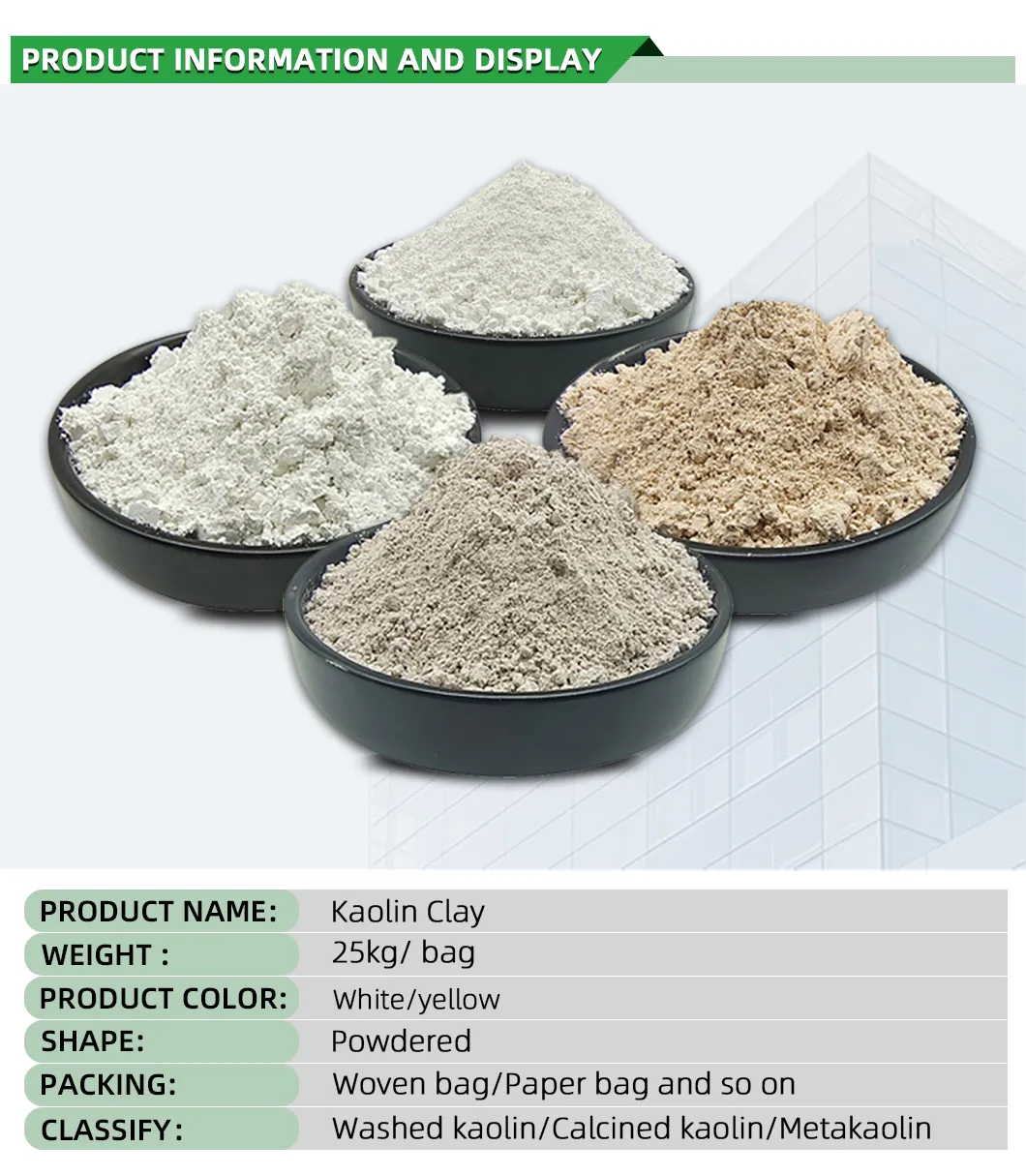
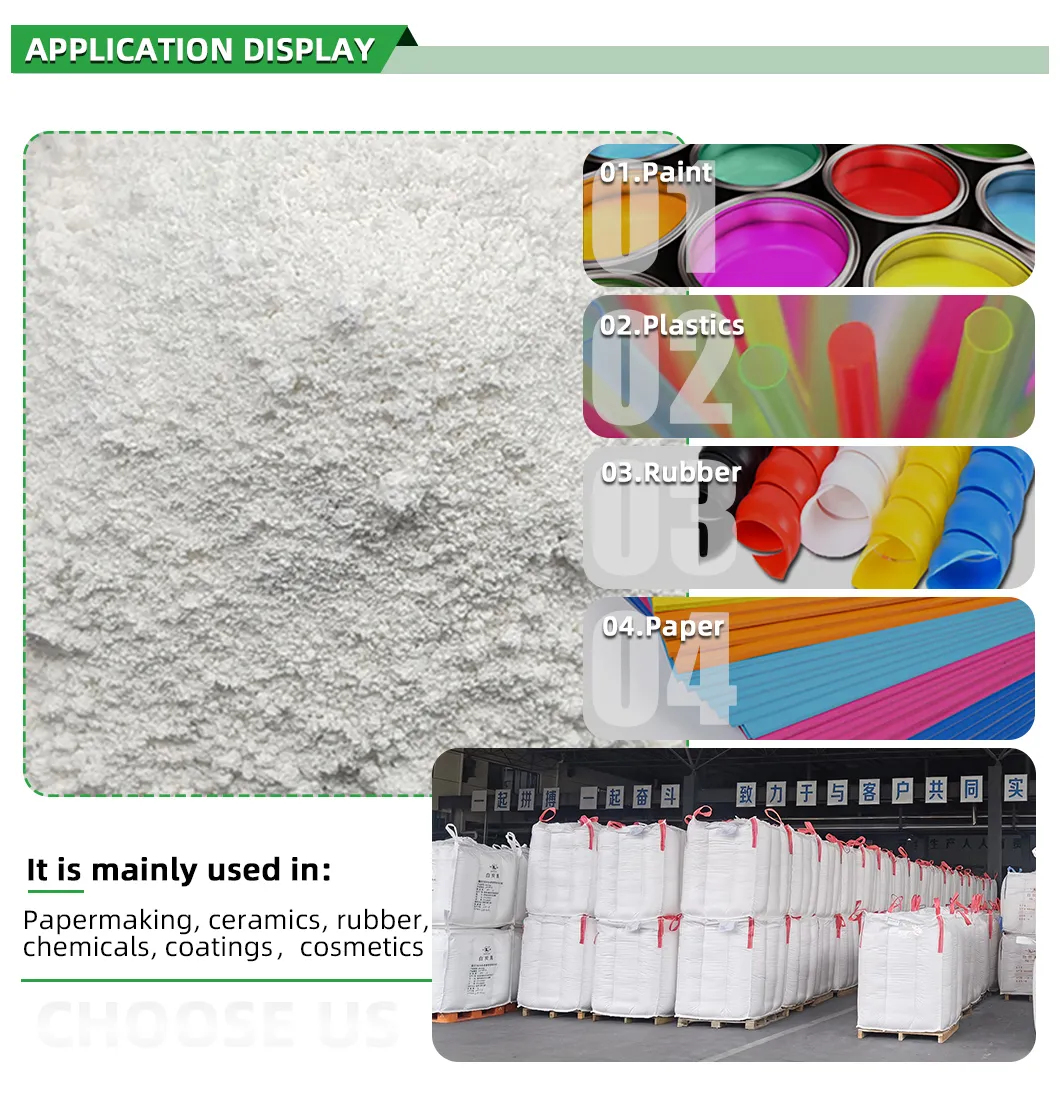
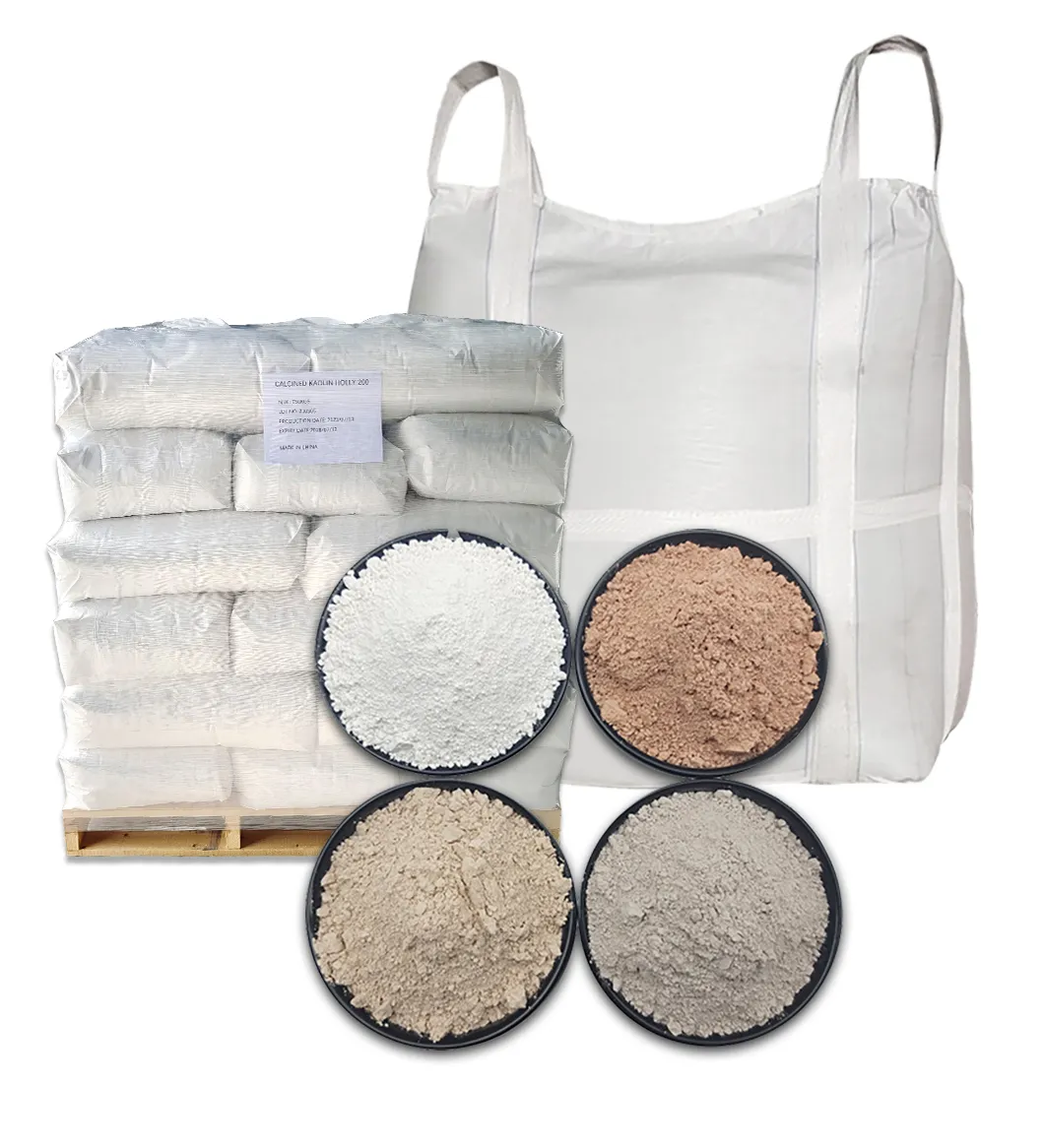
Kaolin powder has become increasingly important and widely used material for catalyst support in chemical industry, valued for its high surface area and exceptional stability that directly enhance performance and longevity of catalyst materials. Catalysts play critical role in accelerating chemical reactions across industrial processes—from petroleum refining and petrochemical production to pharmaceutical synthesis and environmental remediation—while remaining chemically unchanged. Effectiveness of catalysts depends heavily on support materials that hold active components (like metals or metal oxides), provide access to reactants, and withstand harsh reaction conditions. Kaolin powder, processed through specialized calcination and purification to optimize its structure, has emerged as ideal catalyst support for diverse chemical applications.
High surface area stands as most critical and defining attribute of kaolin powder for catalyst support, directly impacting catalytic activity and efficiency. Catalytic reactions occur on surface of active components, so larger surface area means more active sites are available to interact with reactants, accelerating reaction rates and increasing product yields. Kaolin powder achieves exceptional surface area through specialized processing: raw kaolin undergoes calcination (controlled heating) that removes moisture and organic impurities, creating porous structure with tiny interconnected channels. This porous network dramatically increases surface area compared to raw clay, providing ample space to attach active catalyst components. For example, in petroleum refining, catalysts supported on kaolin powder have high surface area that allows efficient cracking of heavy hydrocarbons into lighter fuels like gasoline. In ammonia synthesis, increased surface area ensures maximum contact between nitrogen, hydrogen, and active metal components, boosting reaction efficiency.
Exceptional stability of kaolin powder makes it suitable for harsh chemical reaction conditions that would degrade many alternative support materials. Catalysts operate in environments characterized by high temperatures (often exceeding hundreds of degrees), high pressures, and exposure to corrosive chemicals (acids, bases, solvents) or reactive gases. Kaolin powder’s mineral composition—primarily aluminum silicate—gives it inherent thermal stability: it maintains structural integrity at high temperatures without melting, shrinking, or collapsing. Its chemical inertness ensures it does not react with reactants, products, or active catalyst components, preventing contamination of reaction mixtures or deactivation of catalysts. For example, in sulfuric acid production (which involves corrosive sulfur dioxide gas and high temperatures), kaolin-supported catalysts remain stable for extended periods, reducing need for frequent replacement. In automotive catalytic converters (which face high exhaust temperatures and toxic gases), kaolin-based supports maintain structure while holding active metals like platinum and palladium.
Uniform particle size and structure of processed kaolin powder ensure consistent catalytic performance, a critical requirement for large-scale industrial processes where product quality and yield must be predictable. Raw kaolin often has variable particle size and impurities that cause uneven distribution of active components. Through precise grinding and classification, kaolin powder is processed to achieve narrow particle size distribution, ensuring active components are evenly dispersed across support surface. This uniformity prevents formation of "hot spots"—areas where active components are over-concentrated, leading to unwanted side reactions or catalyst degradation. For example, in pharmaceutical synthesis (where purity of products is paramount), uniform kaolin-supported catalysts ensure consistent reaction pathways and minimize formation of impurities. In polymer production, uniform catalyst distribution ensures consistent molecular weight and properties of polymers.