
Exploring Diatomaceous Earth Uses A Comprehensive Guide to Benefits
Back to list
Diatomaceous Earth Uses: A Comprehensive Guide
Diatomaceous earth (DE) is a naturally occurring, sedimentary rock formed from the fossilized remains of diatoms, a type of hard-shelled algae. It's a versatile material with a wide range of applications, from pest control and filtration to health and beauty. This article explores the diverse diatomaceous earth uses, providing a detailed look at its properties and benefits. Understanding DE's capabilities can unlock solutions for various challenges in your home, garden, and even industrial processes.
What is Diatomaceous Earth and Why is it Effective?
Diatomaceous earth is composed of the siliceous skeletons of millions of microscopic diatoms. These skeletons are porous, giving DE a large surface area. It's this porosity that makes it so effective at absorbing liquids and oils. Importantly, it exists in several grades, including food grade, industrial grade, and filter grade. Food-grade DE is safe for consumption and commonly used in animal feed and human health supplements. The abrasive nature of DE is also key to its effectiveness as an insecticide – it damages the exoskeletons of insects, leading to dehydration and death. The material is environmentally friendly and non-toxic, making it a popular alternative to synthetic chemicals.
Key Highlights: Diatomaceous earth is a naturally occurring, non-toxic material composed of fossilized diatoms. Its porous structure and abrasive properties make it effective for a variety of applications, including pest control and filtration.
Diatomaceous Earth Uses in Pest Control
Perhaps the most well-known diatomaceous earth uses is in pest control. It effectively controls a wide range of insects, including ants, cockroaches, fleas, bed bugs, and silverfish. DE doesn’t kill insects with poison; instead, it physically damages their exoskeletons, causing them to dry out and die. It's important to use food-grade DE for pest control around pets and humans. Dust it around baseboards, under appliances, and in areas where pests are likely to travel. It's also effective in gardens to control slugs, snails, and other garden pests. Unlike many chemical insecticides, DE is safe for beneficial insects like bees when applied correctly.
Pest Control Benefits:
• Non-toxic and safe for humans and pets (food grade)
• Effective against a wide range of insects
• Long-lasting residual effect
• Environmentally friendly
Diatomaceous Earth for Animal Health
Food-grade diatomaceous earth is widely used in animal health. It can be added to animal feed as a natural dewormer, helping to eliminate internal parasites. It also aids in digestion and improves the quality of animal waste. Farmers often use DE in poultry coops to control mites and lice, and it's a popular addition to pet food to promote gut health and reduce fleas. However, it’s important to use food-grade DE specifically for animal consumption, and to avoid inhaling the dust. The correct dosage varies depending on the animal’s weight and species, so consulting a veterinarian is recommended.
Other Notable Diatomaceous Earth Uses
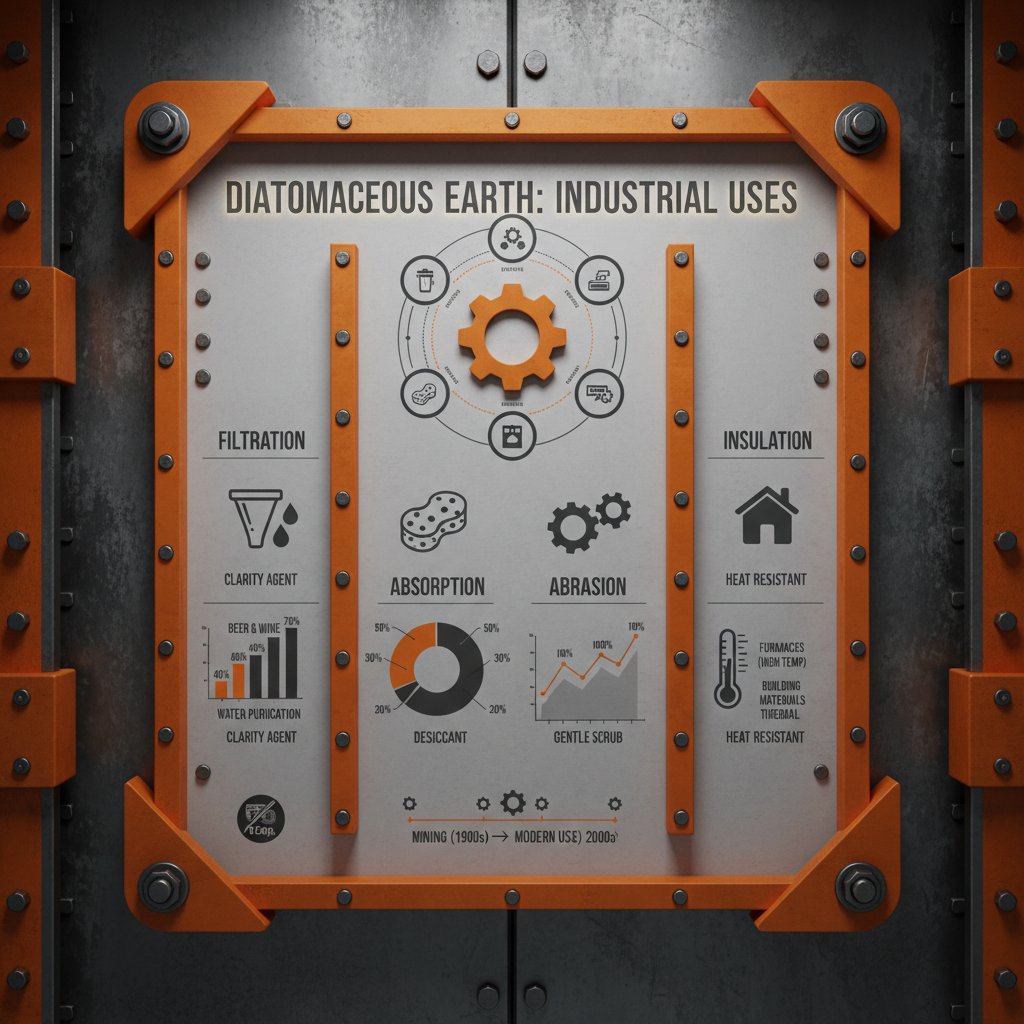
Beyond pest control and animal health, diatomaceous earth has a variety of other applications. It’s used as a mild abrasive in polishes and cleansers. Filter-grade DE is a highly effective filtration medium for swimming pools, aquariums, and industrial processes, removing impurities and clarifying liquids. Some people also use food-grade DE internally to support detoxification and improve digestive health, although scientific evidence for these benefits is still emerging. It can even be used to absorb spills, making it a handy addition to any home or garage. You can find a wide variety of diatomaceous earth products for all these purposes.
Choosing the Right Grade of Diatomaceous Earth
It's crucial to select the correct grade of diatomaceous earth for your intended use. Food-grade DE is the safest for consumption, pest control around food and animals, and personal care applications. Industrial-grade DE contains higher levels of crystalline silica, making it unsuitable for consumption and requiring careful handling with appropriate safety gear. Filter-grade DE is specifically processed for optimal filtration properties. Always check the label to ensure you’re purchasing the appropriate grade for your needs. Jirunhuabang offers a range of DE grades to meet diverse requirements.
Conclusion: Harnessing the Power of Diatomaceous Earth
Diatomaceous earth is a remarkable natural resource with a wide range of practical applications. From pest control and animal health to filtration and cleaning, its unique properties offer effective and environmentally friendly solutions. By understanding the different grades and choosing the right one for your needs, you can harness the power of diatomaceous earth to improve your home, garden, and lifestyle.
Frequently Asked Questions (FAQs)
Is diatomaceous earth safe for humans?
Food-grade diatomaceous earth is generally considered safe for human consumption and topical use. However, it's crucial to use only food-grade DE and avoid inhaling the dust, as this can cause respiratory irritation. While some people use DE internally for detoxification, it's essential to consult with a healthcare professional before doing so. Avoid using industrial-grade DE, as it contains crystalline silica that can be harmful to your lungs.
How does diatomaceous earth kill insects?
Diatomaceous earth doesn't kill insects with poison. Instead, its microscopic, sharp edges damage the waxy coating on the insect's exoskeleton, causing them to dehydrate and die. This process can take several hours to a few days. It’s particularly effective against insects with exoskeletons, such as ants, cockroaches, and fleas.
Can I use diatomaceous earth in my garden?
Yes, food-grade diatomaceous earth is an excellent addition to your garden. It can control slugs, snails, aphids, and other garden pests. Sprinkle it around plants or directly on pests. It’s important to reapply after rain, as the effectiveness is reduced when wet. Be cautious not to harm beneficial insects by applying it directly to flowers where they forage.
How do I store diatomaceous earth?
Diatomaceous earth should be stored in a dry, airtight container. Moisture can reduce its effectiveness. Keep it out of reach of children and pets. While it is non-toxic, avoiding inhalation of the dust is recommended. Proper storage will ensure it remains effective for a longer period.