Iron Oxide Pigments For Sustainable Development Color Retention Multi Industry Application Eco Friendly Production Durable Coating Performance Decorative Material Enhancement Construction Coloring Public Facility Adornment Industrial Manufacturing Support Smart City Construction
Iron Oxide Pigments emerge as core materials in global industrial chain, bridging natural resource utilization and high-performance manufacturing needs. Unlike transient decorative substances, these pigments carry inherent advantages of color stability, environmental compatibility, and multi-scene adaptability, making them indispensable in construction, coating, manufacturing, and smart city construction fields. Their development trajectory aligns with global sustainable development goals—from natural mineral extraction with minimal ecological impact to synthetic production using recycled resources, every link reflects pursuit of environmental harmony. As industries shift toward green transformation and consumers prioritize eco-friendly products, iron oxide pigments gain wider recognition for balancing functionality, aesthetics, and sustainability, becoming key drivers of high-quality industrial development.
Raw material foundation of Iron Oxide Pigments determines their core properties and application directions, with two main sources: natural mineral deposits and synthetic raw materials. Natural iron oxide minerals are formed through long-term geological processes—hematite contributes red tones, goethite provides yellow hues, limonite creates brown shades, and magnetite yields black pigments. These minerals are distributed across diverse geographical locations: high-purity hematite mines in Australia and Brazil supply red iron oxide pigments with vivid tones; goethite deposits in France and China offer yellow pigments with excellent light resistance; magnetite resources in India and South Africa serve as stable sources for black pigments. Mining of natural minerals adheres to strict environmental standards—selective mining avoids large-scale vegetation destruction, and mined areas undergo ecological restoration with native plants to restore soil and water systems. Synthetic raw materials, by contrast, mainly use iron-containing byproducts from steel industry, such as iron sulfate, iron chloride, and iron oxide scale. These byproducts, once landfilled as waste, are now processed into high-quality pigments through chemical reactions, realizing resource recycling and reducing industrial waste discharge. Selection of raw materials follows principle of “suitability for application”—natural pigments are preferred for decorative fields pursuing earthy tones, while synthetic pigments dominate industrial coatings requiring consistent color and performance.
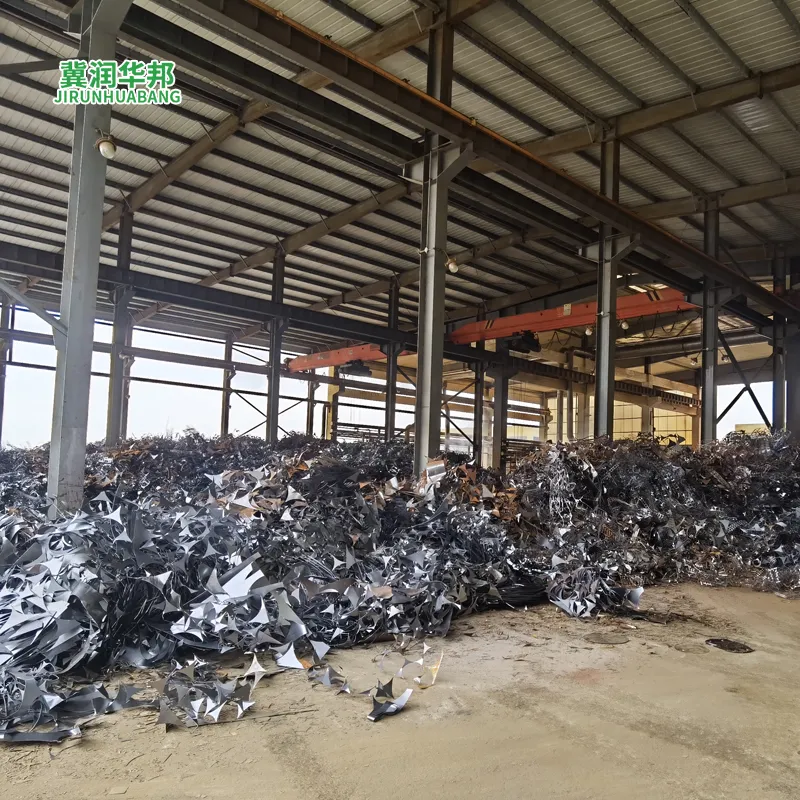
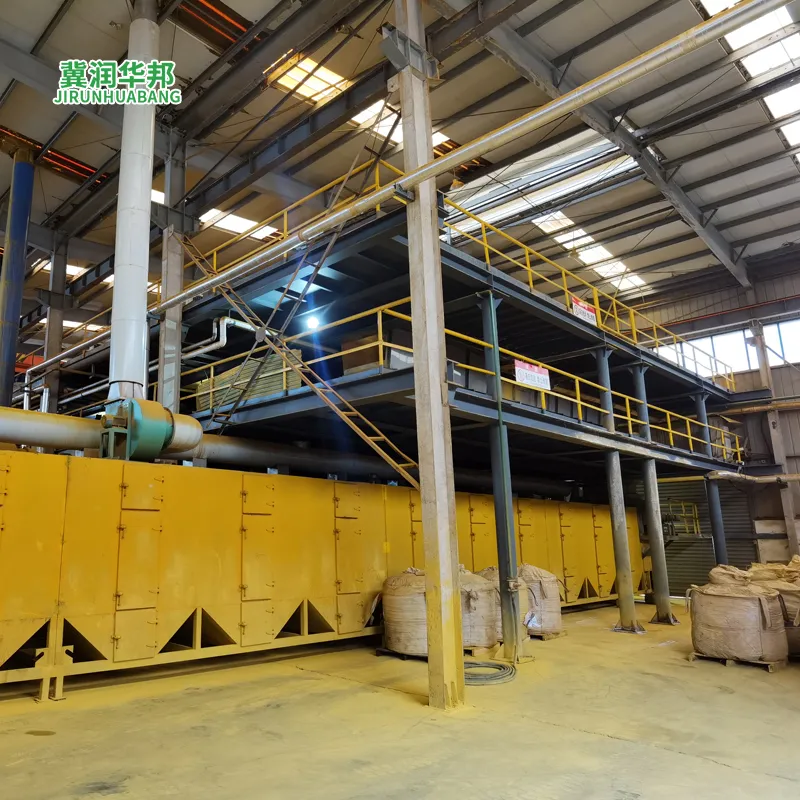
Production process of Iron Oxide Pigments combines traditional craftsmanship and modern technology, ensuring product quality while minimizing environmental impact. For natural pigments, processing starts with mineral sorting—miners manually separate high-color-intensity ores from gangue, then use magnetic separation and gravity separation to remove impurities like quartz and clay. Crushed ores are ground into fine powders using ball mills or Raymond mills, with particle size controlled according to application needs: 1-5 micrometers for coatings, 5-10 micrometers for concrete. Subsequent washing and drying processes remove residual dust and moisture, and final color sorting uses spectrophotometers to ensure batch consistency. Synthetic production adopts different technical routes based on target color: red pigments are produced via calcination method—iron sulfate is roasted at specific temperatures to decompose into iron oxide, then ground and purified; yellow pigments use precipitation method—iron salts react with alkaline solutions to form iron hydroxide, which is oxidized and aged to form stable yellow crystals; black pigments are synthesized through reduction-oxidation reactions—iron oxide scale is reduced to iron powder, then oxidized under controlled conditions to form magnetite. All synthetic processes use closed-loop water systems to recycle process water, and dust collection equipment captures fine particles to prevent air pollution. Energy consumption is reduced through waste heat recovery—heat from calcination processes heats water for cleaning and drying, lowering overall energy demand.
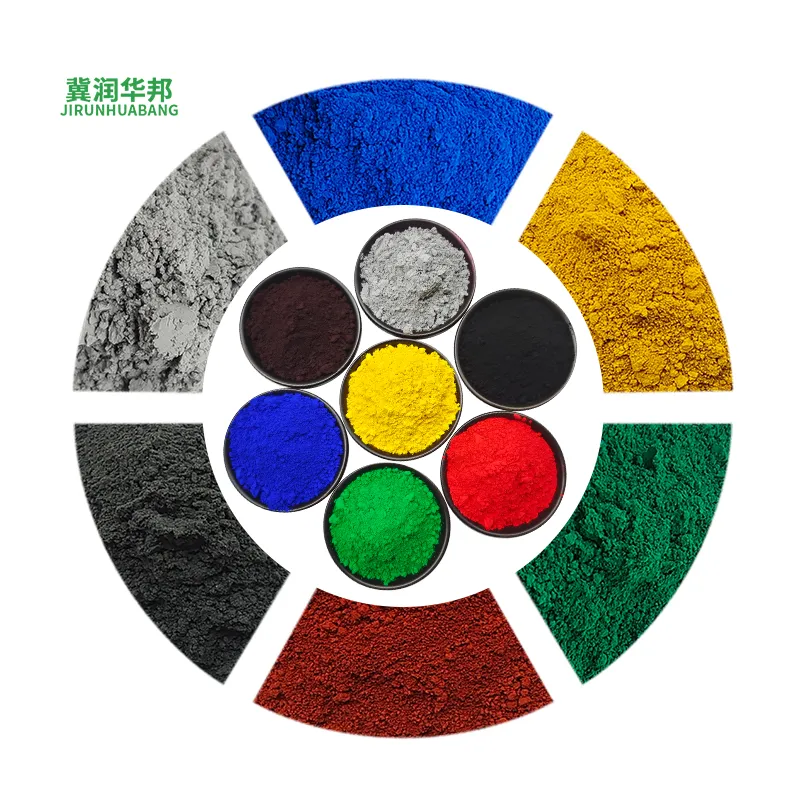
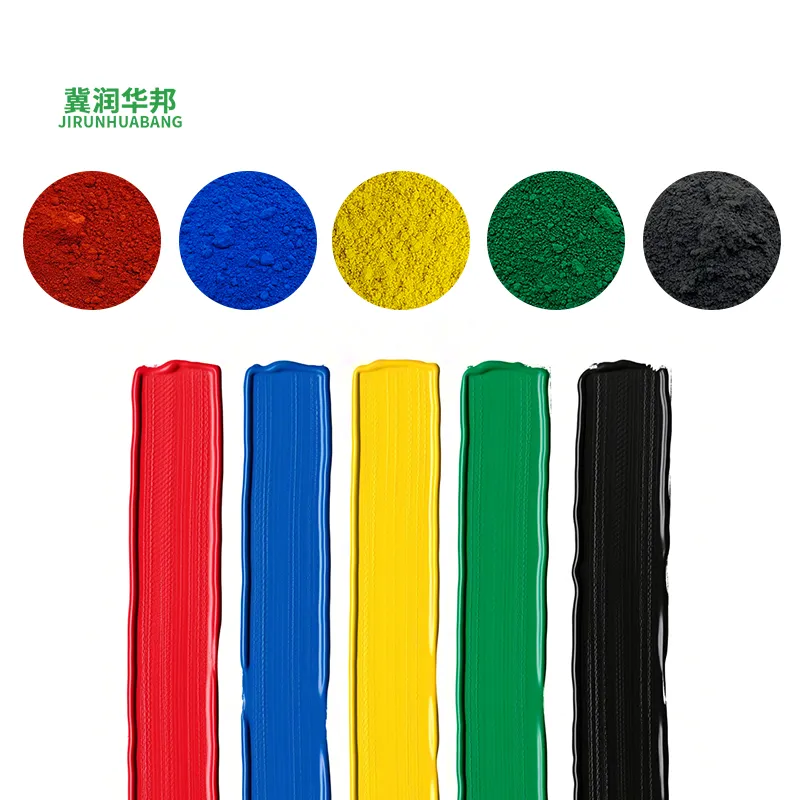
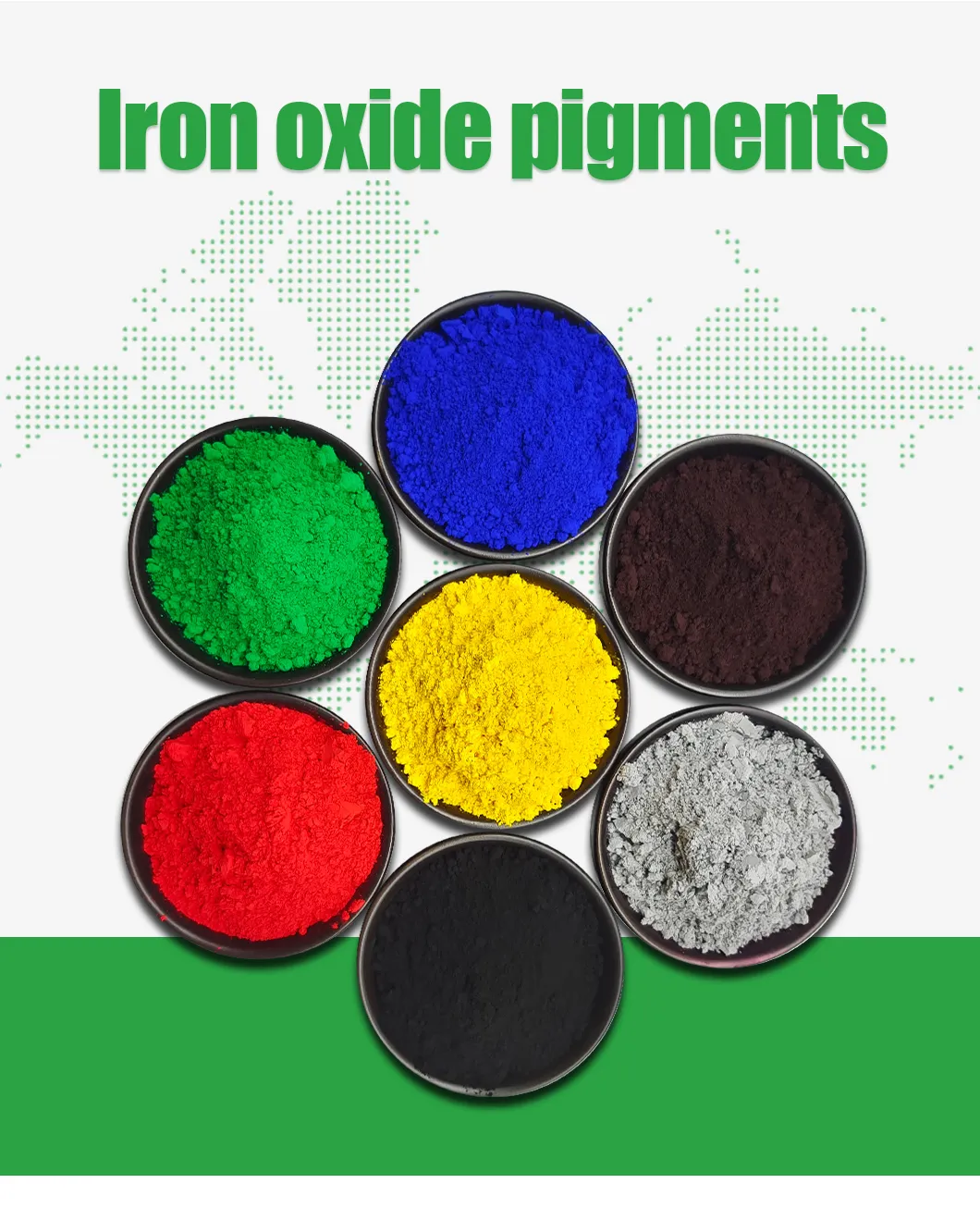
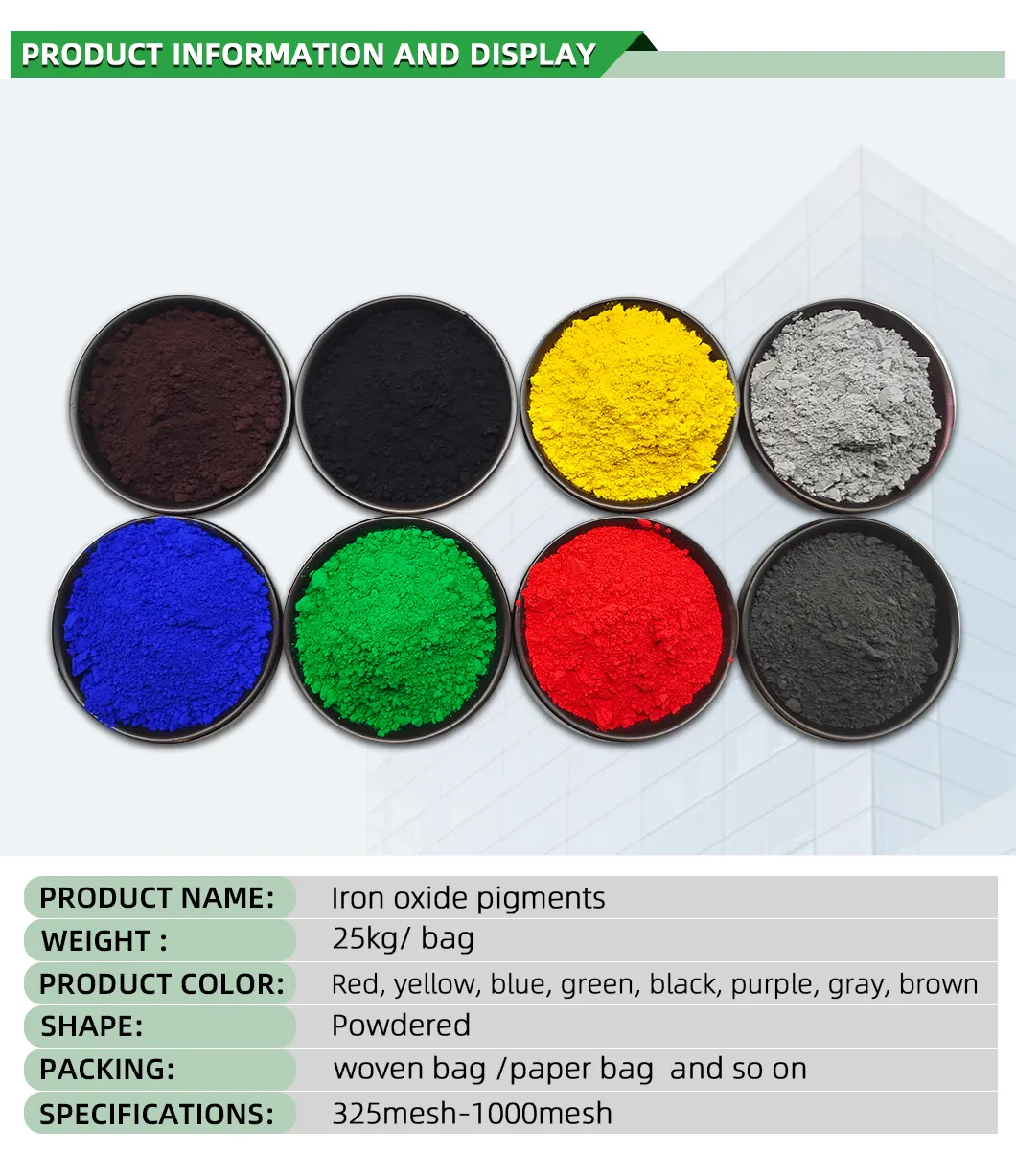
Color characteristics of Iron Oxide Pigments are determined by their crystal structure and chemical composition, giving them unique advantages in color expression and retention. Red iron oxide pigments have rhombohedral crystal structure, reflecting red light wavelengths to form vivid, warm tones ranging from bright scarlet to deep maroon. Yellow iron oxide pigments have orthorhombic crystal structure, absorbing blue and green light to produce soft yellow hues from lemon yellow to amber. Brown pigments are solid solutions of red and yellow iron oxides, with adjustable proportions creating diverse brown shades from light tan to dark coffee. Black iron oxide pigments have cubic spinel structure, absorbing most visible light to form pure, deep black tones. Key advantage of these pigments is color stability—their crystal structure is resistant to UV radiation, oxidation, and chemical erosion. When exposed to sunlight for long periods, organic pigments break down molecular bonds and fade, while iron oxide pigments retain original hues because their crystal lattice remains intact. This stability is verified in practical applications: iron oxide-tinted exterior walls in tropical regions with strong UV radiation maintain color for over 20 years; pigmented coatings on chemical storage tanks resist corrosion from acids and alkalis without discoloration. High tinting strength is another notable feature—small amounts of pigments can color large volumes of base materials, reducing material usage and production costs.
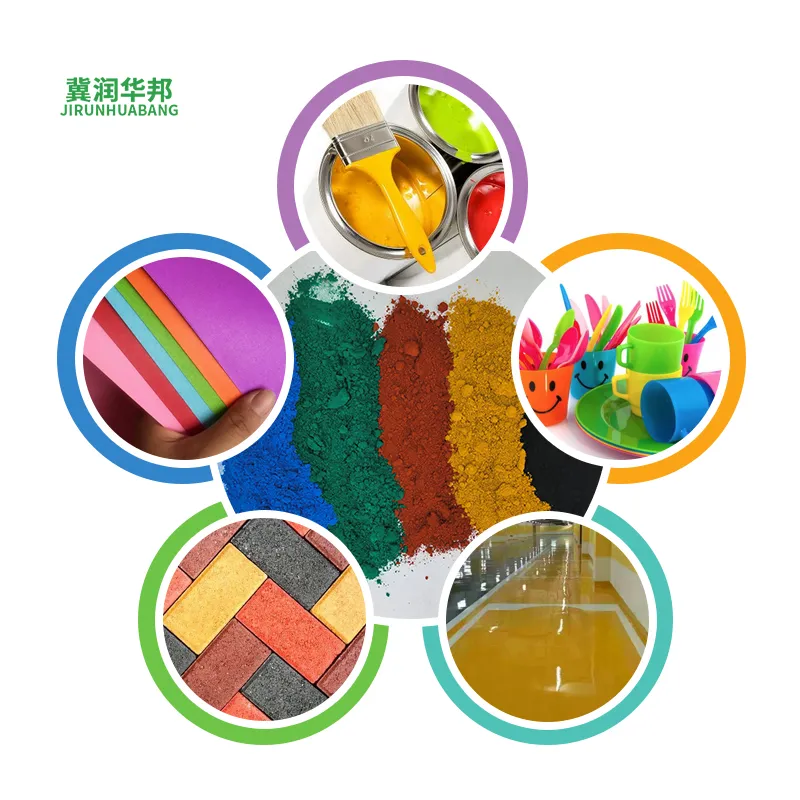
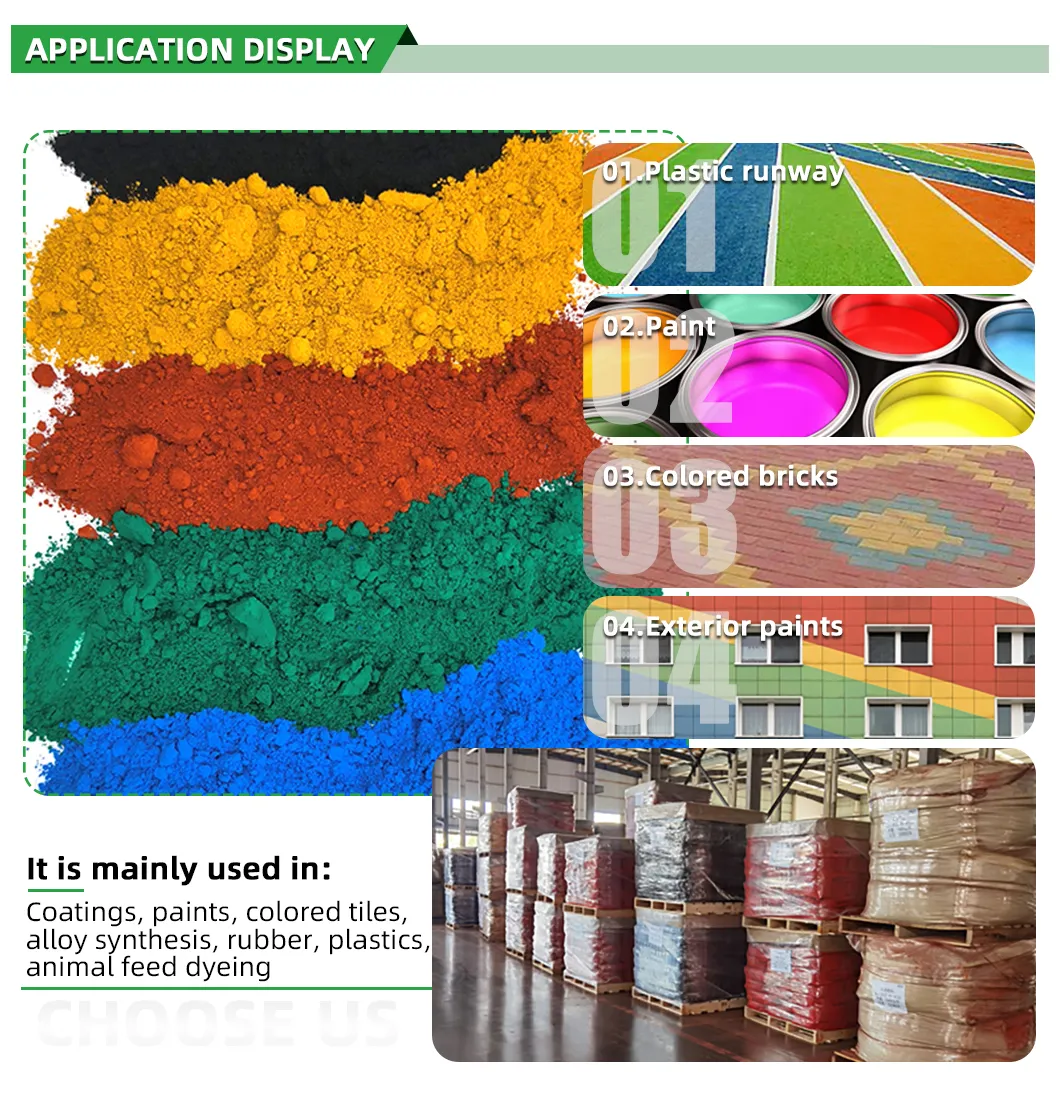
Construction industry integrates Iron Oxide Pigments into diverse projects, from green buildings to historical renovations, enhancing both functionality and aesthetics. Green building projects, a core part of sustainable development, widely use iron oxide pigments in concrete and mortar. For example, low-carbon office buildings in Nordic countries use yellow and brown iron oxide pigments to tint lightweight concrete exterior panels, which not only reduce building weight and energy consumption but also blend with surrounding forests and lakes. The pigmented concrete has high thermal insulation performance, reducing indoor heating demand in winter by 30%. Historical building renovations prioritize natural iron oxide pigments to maintain architectural authenticity—restoration of ancient European castles uses red iron oxide pigments to replicate original terracotta-colored walls, with pigment particles ground to match historical fineness, ensuring consistency in texture and color. Residential construction uses iron oxide pigments in decorative elements: red pigmented roof tiles resist rain and snow erosion, maintaining vibrant color for decades; brown pigmented concrete pavers in community gardens create natural, comfortable walking spaces. Infrastructure projects like bridges and tunnels use black and gray iron oxide pigments to tint anti-slip coatings on road surfaces, improving driving safety while withstanding heavy traffic wear. Construction engineers value that iron oxide pigments are compatible with various construction materials, including cement, lime, and gypsum, without affecting structural strength.
Coating industry relies on Iron Oxide Pigments to develop products for diverse scenarios, from architectural coatings to industrial anti-corrosion coatings. Architectural coatings account for largest application share—interior wall paints use blended iron oxide pigments to create popular neutral tones: beige from yellow and brown blends, gray from black and white blends. These paints have low volatile organic compound content, meeting eco-friendly standards for indoor air quality. Exterior wall coatings use pure iron oxide pigments for single-color finishes: red coatings for villa exteriors convey warmth and vitality; yellow coatings for commercial buildings enhance visibility and brand image. Industrial coatings use iron oxide pigments to improve product durability—offshore wind power equipment uses brown iron oxide-tinted anti-corrosion coatings, which resist saltwater erosion and UV radiation, extending equipment service life from 10 years to 20 years. Automotive coatings use iron oxide pigments in primer layers: black pigments improve adhesion between metal bodies and topcoats, while red pigments enhance rust resistance. Special coatings for smart city facilities, such as street lamp poles and traffic signs, use iron oxide pigments with reflective additives—yellow and red pigments increase sign visibility at night, improving traffic safety. Paint manufacturers note that iron oxide pigments’ good dispersion performance ensures uniform color in coatings, avoiding color spots and unevenness.
Decorative and art industries use Iron Oxide Pigments to create works that combine aesthetics and durability, spanning interior design, public art, and craft manufacturing. Interior design trends favor natural elements, making iron oxide pigments popular in wall finishes and decorative materials. Boutique hotels use red iron oxide-tinted lime plaster on lobby walls, creating rough, natural textures that pair with wooden furniture and green plants. Residential living rooms use iron oxide pigmented concrete countertops, with marbled effects from random distribution of red and brown pigment particles, combining durability and uniqueness. Public art projects use iron oxide pigments for outdoor sculptures and murals—large-scale murals on city walls use weather-resistant iron oxide pigments, maintaining bright colors despite rain and sunlight. Sculptors use iron oxide pigments to tint clay and stone materials, creating works that blend with natural environments. Craft manufacturing uses iron oxide pigments in pottery and glass making: red pigmented pottery mimics ancient ceramic styles; yellow pigmented glass in decorative lamps emits warm light. Interior designers emphasize that iron oxide pigments’ natural hues align with diverse design styles, from rustic farmhouse to modern minimalist, adapting to changing market trends.
Industrial manufacturing sectors beyond construction and coatings incorporate Iron Oxide Pigments to enhance product performance and appearance. Plastics and rubber industries are major users—yellow iron oxide pigments tint plastic outdoor furniture, preventing UV-induced brittleness and fading; black iron oxide pigments reinforce rubber hoses, increasing tensile strength and wear resistance. Ceramic industry uses iron oxide pigments in glaze formulations: brown pigmented glazes on floor tiles mimic natural stone textures, while red pigmented glazes on tableware add aesthetic value. Electronic product casings use iron oxide pigments with heat-resistant properties—gray pigmented plastic casings for power supplies dissipate heat effectively, protecting internal components. New energy industry, a growing application field, uses iron oxide pigments in battery materials: red iron oxide serves as raw material for lithium-ion battery cathodes, with high purity ensuring battery performance. Packaging industry uses iron oxide pigments in eco-friendly packaging materials—brown pigmented paper boxes for food and cosmetics convey natural, healthy brand images. Manufacturers appreciate that iron oxide pigments are non-toxic and comply with global safety standards, making them suitable for consumer products.
Smart city construction, a high-growth field, integrates Iron Oxide Pigments into public facilities and landscape projects, enhancing both functionality and city image. Public transportation hubs, such as subway stations and bus terminals, use iron oxide pigments in decorative and functional elements: yellow pigmented concrete benches resist wear and tear, while red pigmented floor markings guide passenger flow. Landscape engineering in smart cities uses iron oxide pigments to create diverse outdoor spaces: brown pigmented artificial rock formations in urban parks blend with natural vegetation; yellow pigmented gravel in children’s playgrounds is non-toxic and safe, with bright colors attracting children. Smart street lighting systems use iron oxide-tinted casings—black pigments resist weathering and hide dust, maintaining clean appearance with minimal maintenance. Traffic management facilities, such as traffic bollards and road dividers, use red and yellow iron oxide pigments to increase visibility, reducing traffic accidents. Urban planners note that iron oxide pigments’ durability reduces maintenance costs for public facilities, aligning with smart city goals of efficient resource utilization.
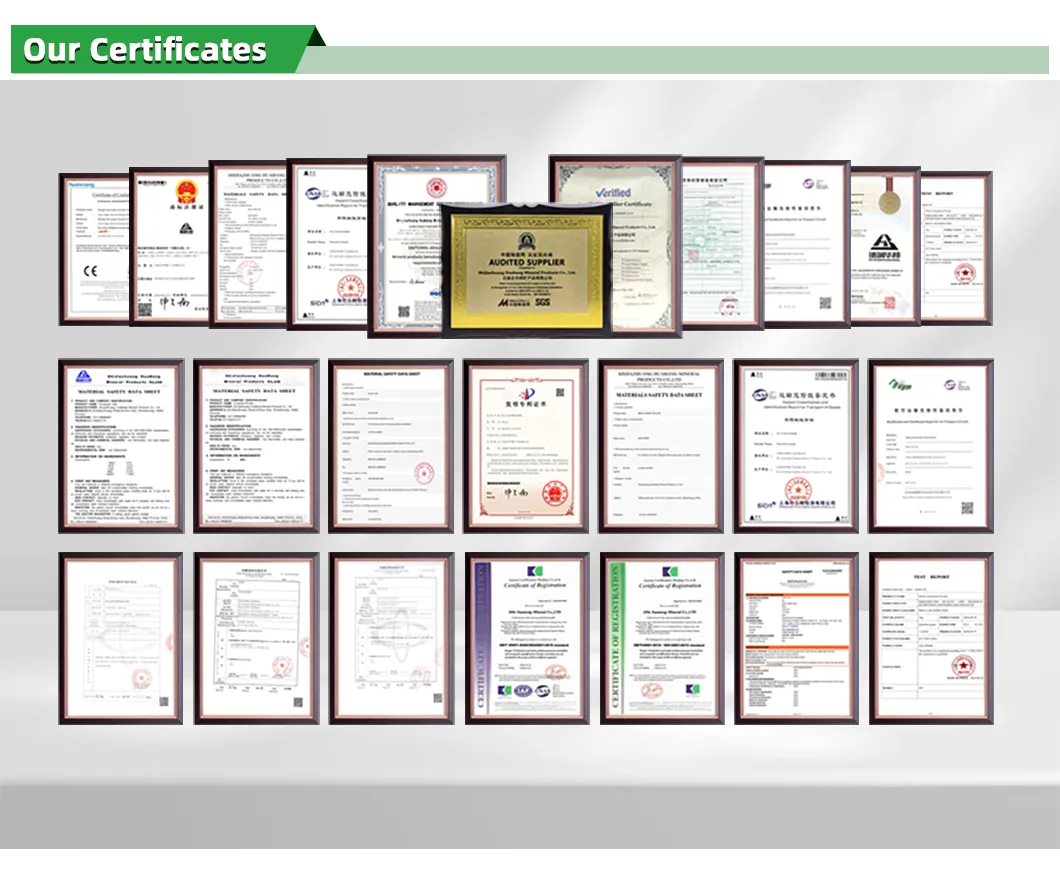
Quality control of Iron Oxide Pigments runs through entire production and application process, ensuring product consistency and performance. Raw material inspection focuses on purity and color intensity—natural minerals are tested for impurity content using X-ray fluorescence spectrometry; synthetic raw materials are analyzed for chemical composition to ensure reaction stability. In-process testing monitors key parameters: particle size distribution is measured with laser diffraction analyzers; color coordinates are checked with spectrophotometers to ensure batch consistency. Final product testing includes multiple performance evaluations: light resistance testing exposes pigments to simulated sunlight for 1000 hours to verify color retention; weather resistance testing uses cyclic temperature and humidity changes to assess durability; compatibility testing mixes pigments with different base materials to ensure no adverse reactions. Manufacturers provide detailed quality reports for each batch, including test data and production records, to ensure traceability. Third-party certification bodies, such as ISO and ASTM, conduct regular audits to confirm that quality control systems meet international standards.
Sustainability of Iron Oxide Pigments is reflected in entire lifecycle, from production to end-of-life. Production phase minimizes environmental impact: natural pigment mining uses selective extraction to reduce land disturbance; synthetic production uses recycled steel byproducts, reducing waste and carbon emissions. Energy consumption is lowered through renewable energy adoption—many manufacturers use solar and wind power for production processes. Application phase promotes resource efficiency: pigmented materials have long lifespans, reducing replacement frequency and waste generation. End-of-life phase supports circular economy—waste pigmented concrete can be crushed and reused as aggregate; waste coatings containing iron oxide pigments can be processed to recover pigments. Environmental certifications, such as EU ECOLABEL and China’s Green Product Certification, recognize iron oxide pigments’ sustainability, making them preferred choices for eco-friendly projects. Consumers and enterprises increasingly prioritize these certifications when selecting materials, driving market demand for sustainable iron oxide pigments.
Cultural and historical value of Iron Oxide Pigments connects modern applications with ancient traditions, adding emotional and cultural depth. Ancient civilizations used natural iron oxide pigments for art and rituals: prehistoric cave paintings in France used red iron oxide pigments to depict hunting scenes, retaining colors for over 30,000 years; ancient Chinese murals in Dunhuang Grottoes used yellow and brown iron oxide pigments to create vivid religious figures. These historical uses demonstrate iron oxide pigments’ timeless durability and aesthetic appeal. Modern cultural projects inherit this tradition—museums use natural iron oxide pigments to restore ancient artworks, ensuring color consistency with originals. Cultural heritage protection projects use iron oxide pigments to repair historical buildings: red pigmented mortars in ancient Chinese temples match original materials, preserving architectural heritage. Folk crafts, such as traditional pottery and painting, continue to use iron oxide pigments, passing down ancient craftsmanship to future generations. This cultural continuity makes iron oxide pigments more than industrial materials—they are carriers of human history and creativity.
Technological innovation drives continuous development of Iron Oxide Pigments, expanding application boundaries and improving performance. Nanotechnology has been applied to develop nano-sized iron oxide pigments, which have better dispersion and tinting strength—small amounts can achieve intense colors, reducing material usage. Self-cleaning iron oxide pigments have been developed for architectural coatings: surface modification makes pigments repel dust and water, reducing maintenance needs for exterior walls. Water-based iron oxide dispersions replace traditional solvent-based products, reducing volatile organic compound emissions and improving workplace safety. Smart iron oxide pigments with temperature-sensitive properties are under research—they change color with temperature, potentially used in fire alarm systems and temperature-indicating coatings. 3D printing technology uses iron oxide pigments to color printing materials: pigmented concrete for 3D-printed buildings creates custom colors and patterns; pigmented plastics for 3D-printed crafts enhance product aesthetics. These innovations reflect adaptability of iron oxide pigments to new technologies, ensuring their relevance in future industries.
Global market of Iron Oxide Pigments shows steady growth, driven by sustainable development trends and industrial expansion. Asia-Pacific region is largest market, with rapid urbanization in China and India fueling demand for construction and coatings. China, as major producer and consumer, has developed complete industrial chain from raw material mining to pigment production. Europe and North America focus on high-end applications, such as eco-friendly coatings and art materials, with strict quality and environmental requirements. Emerging markets in Southeast Asia and Africa are growing rapidly, with infrastructure construction driving demand for iron oxide pigments. Market competition focuses on product quality, sustainability, and innovation—leading manufacturers invest in R&D to develop high-performance pigments, while small and medium-sized enterprises focus on niche markets like cultural heritage restoration. Market reports predict that demand for iron oxide pigments will grow at steady rate, with smart city construction and new energy industries becoming key growth drivers.
Case studies demonstrate diverse applications and value of Iron Oxide Pigments in global projects. Smart City Project in Singapore used iron oxide pigments in multiple facilities: yellow pigmented traffic signs improve night visibility; brown pigmented concrete in urban plazas creates natural, comfortable spaces. The project reduced maintenance costs by 25% due to pigments’ durability. Green Building Project in Germany used red iron oxide-tinted exterior panels, which not only meet energy-saving standards but also won architectural design awards for their aesthetic appeal. Historical Restoration Project in Italy used natural iron oxide pigments to restore 16th-century church walls, with pigment composition analyzed from historical samples to ensure authenticity. Offshore Wind Power Project in Denmark used brown iron oxide-tinted anti-corrosion coatings on wind turbine towers, extending service life and reducing maintenance frequency. These cases prove that iron oxide pigments can meet diverse needs across industries, from functional requirements to aesthetic and cultural demands.
Future development of Iron Oxide Pigments will focus on sustainability, high performance, and smart applications. Sustainable production will further reduce carbon footprint—manufacturers will adopt more renewable energy and circular economy models. High-performance pigments will be developed for extreme environments, such as high-temperature and strong-corrosion scenarios in aerospace support industries (excluding aerospace itself). Smart pigments with sensing and responsive properties will enter practical applications, expanding into fields like intelligent packaging and safety monitoring. Integration with digital technologies, such as AI-driven color matching systems, will improve production efficiency and product customization. As global attention to sustainability and smart development increases, iron oxide pigments will play more important roles in building greener, smarter, and more beautiful built environments.
In conclusion, Iron Oxide Pigments are multi-functional materials with natural origins, sustainable properties, and diverse applications. From raw material selection to production, from construction and coatings to decorative and smart city fields, they demonstrate unique value in functionality, aesthetics, and environmental protection. Their color stability, durability, and eco-friendliness meet modern industrial and consumer needs, while their cultural and historical connections add emotional depth. Technological innovation and market expansion will continue to drive development, making iron oxide pigments indispensable in future sustainable and smart development. Whether in grand smart city projects or delicate art restorations, iron oxide pigments contribute to creating better built environments, embodying harmony between human society and nature.