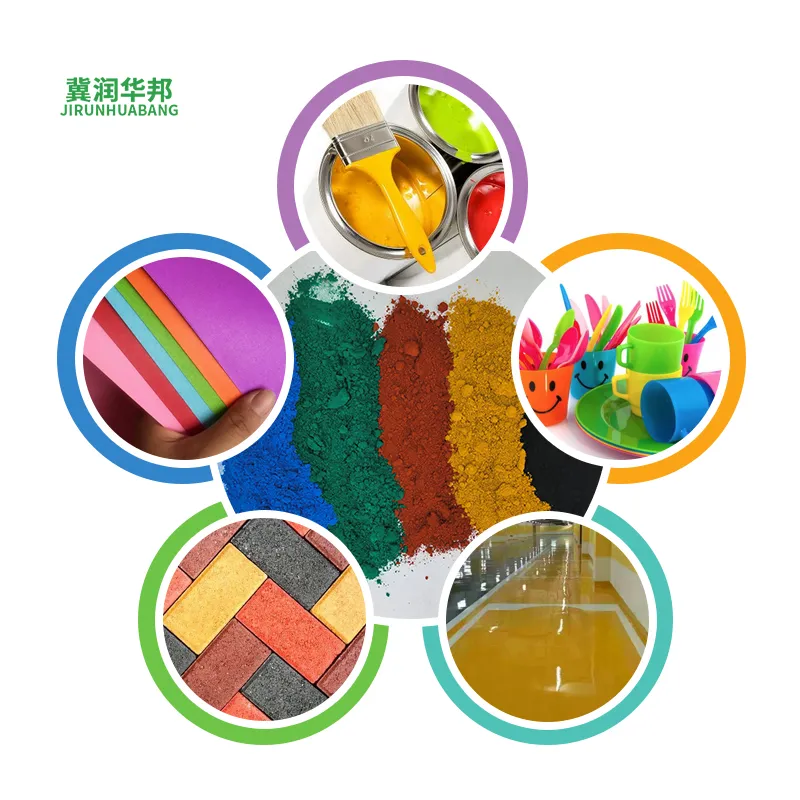
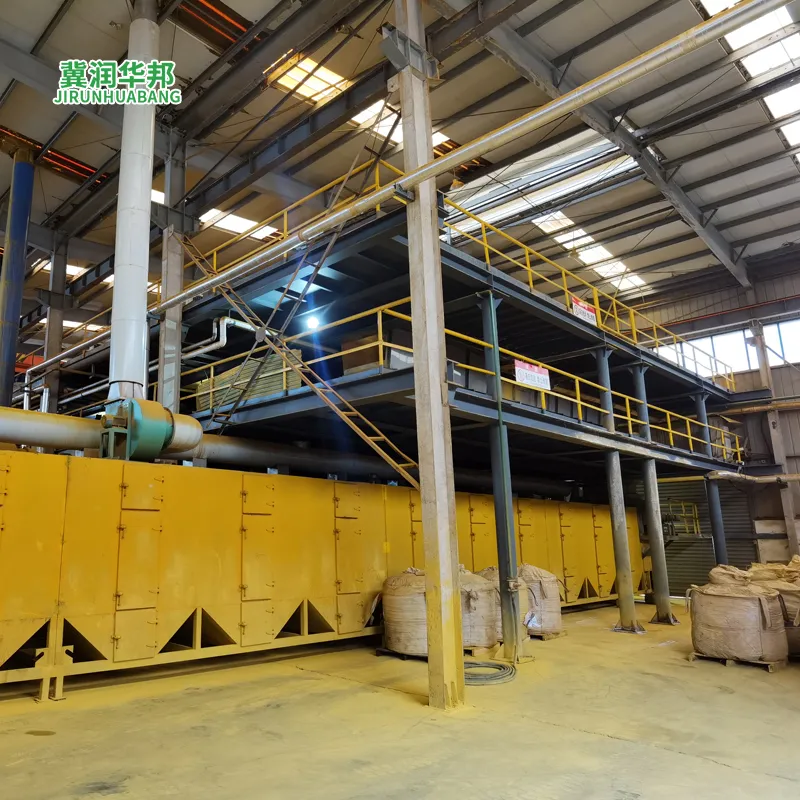
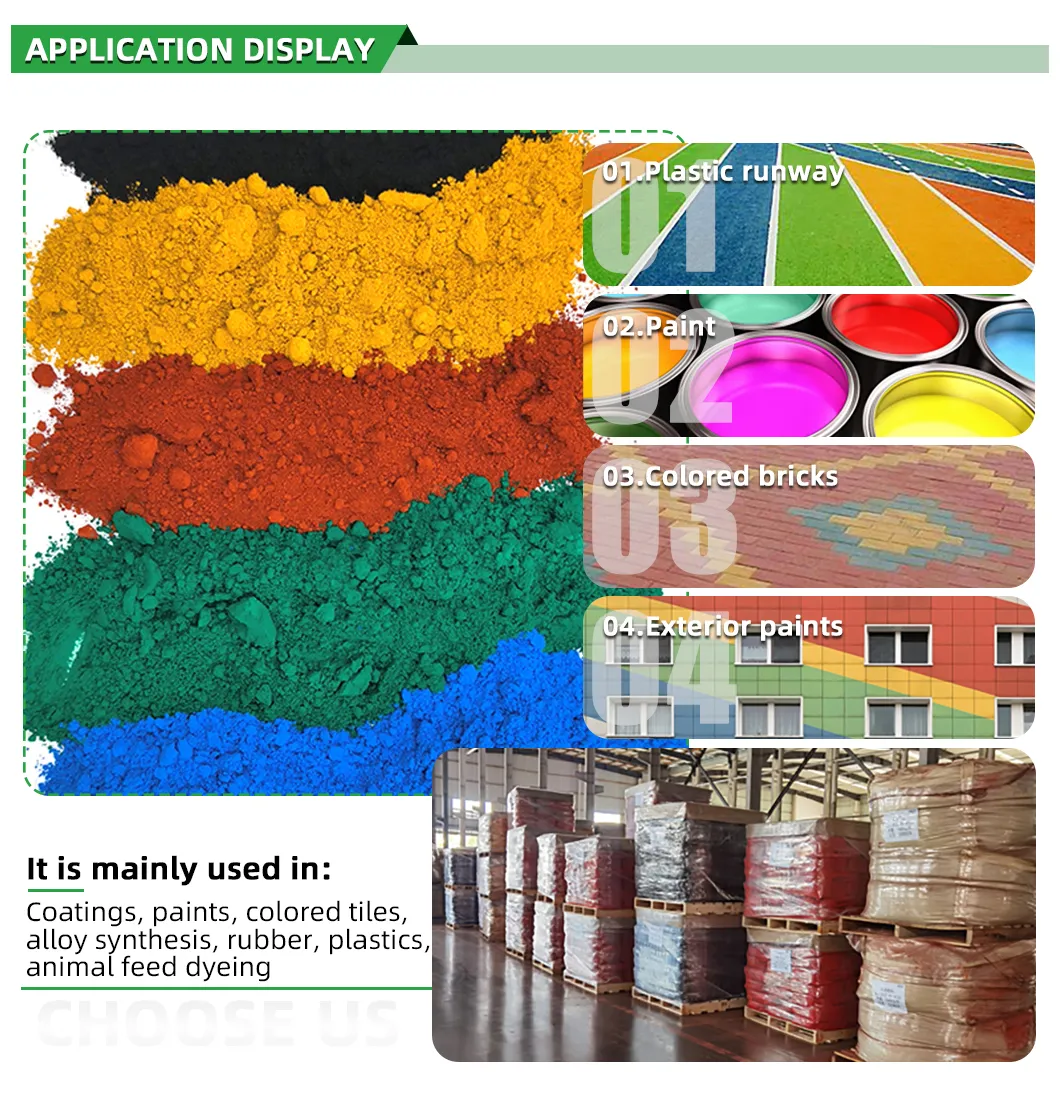
In cement and concrete, iron oxide pigments provide vibrant hues that enhance the visual appeal of pavements, floors, and architectural elements. Their high tinting strength allows for precise color control, while their ability to disperse evenly throughout the mix ensures a uniform finish. This results in durable and weather-resistant surfaces that maintain their color integrity over time.
For bricks and tiles, iron oxide pigments offer a wide range of shades, from earthy reds and browns to deep blacks and yellows. Their heat stability makes them ideal for high-temperature firing processes, ensuring that the final product retains its intended color. The pigments also improve the opacity of the material, contributing to a more vivid and consistent appearance.
Overall, iron oxide pigments stand out for their ability to deliver reliable and uniform coloring, making them a preferred choice for enhancing the aesthetic and functional qualities of construction materials.
| Place of Origin |
China |
| Color |
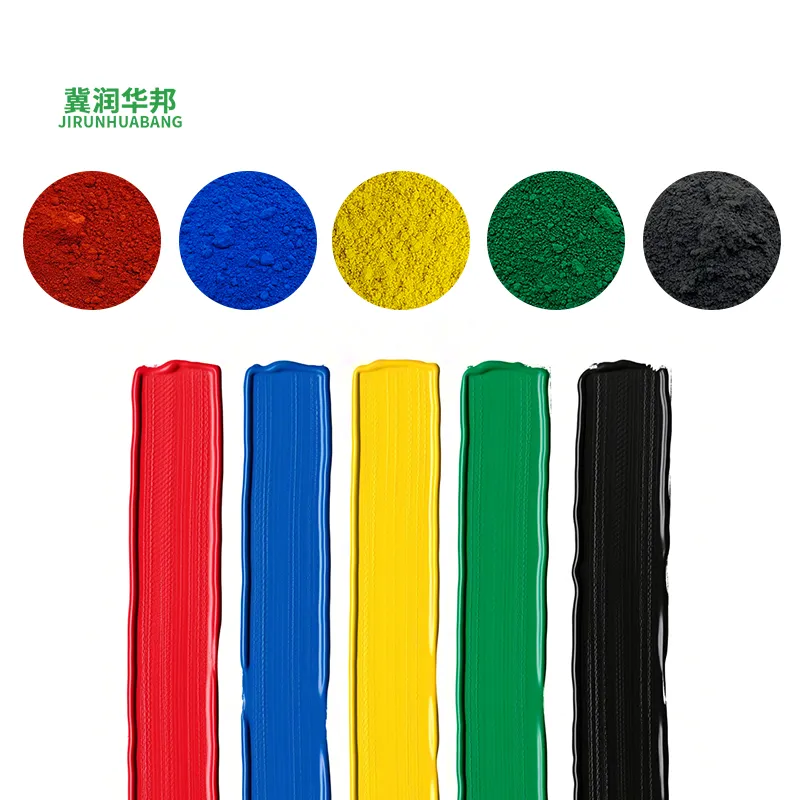
Red/Yellow/Black/Green/Pink/Yellow |
| Shape |
Powder |
| Purity |
95-99% |
| Grade |
industrial Grade/Feed Grade |
| Package |
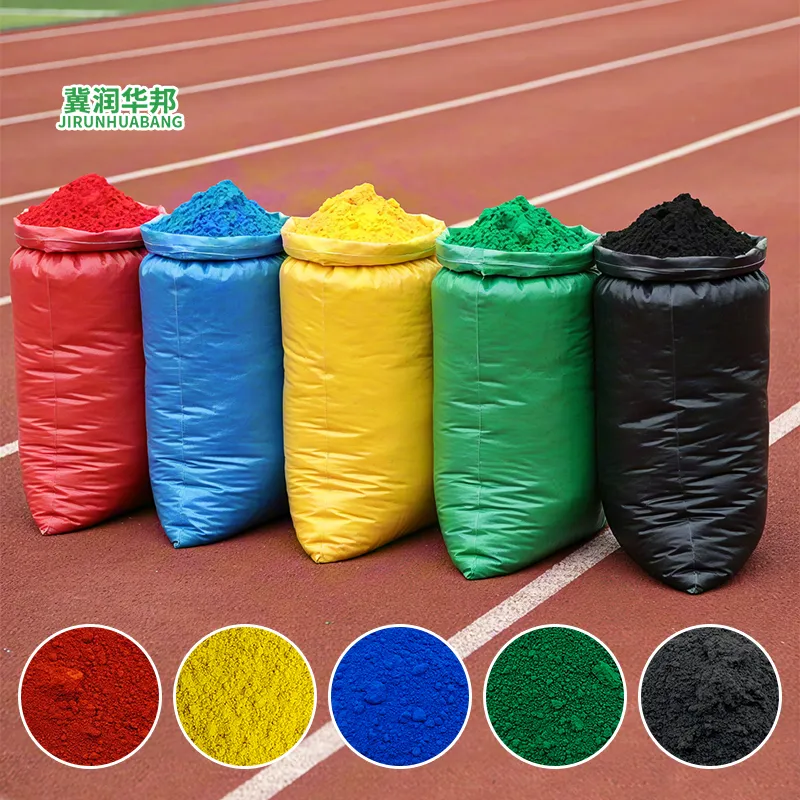
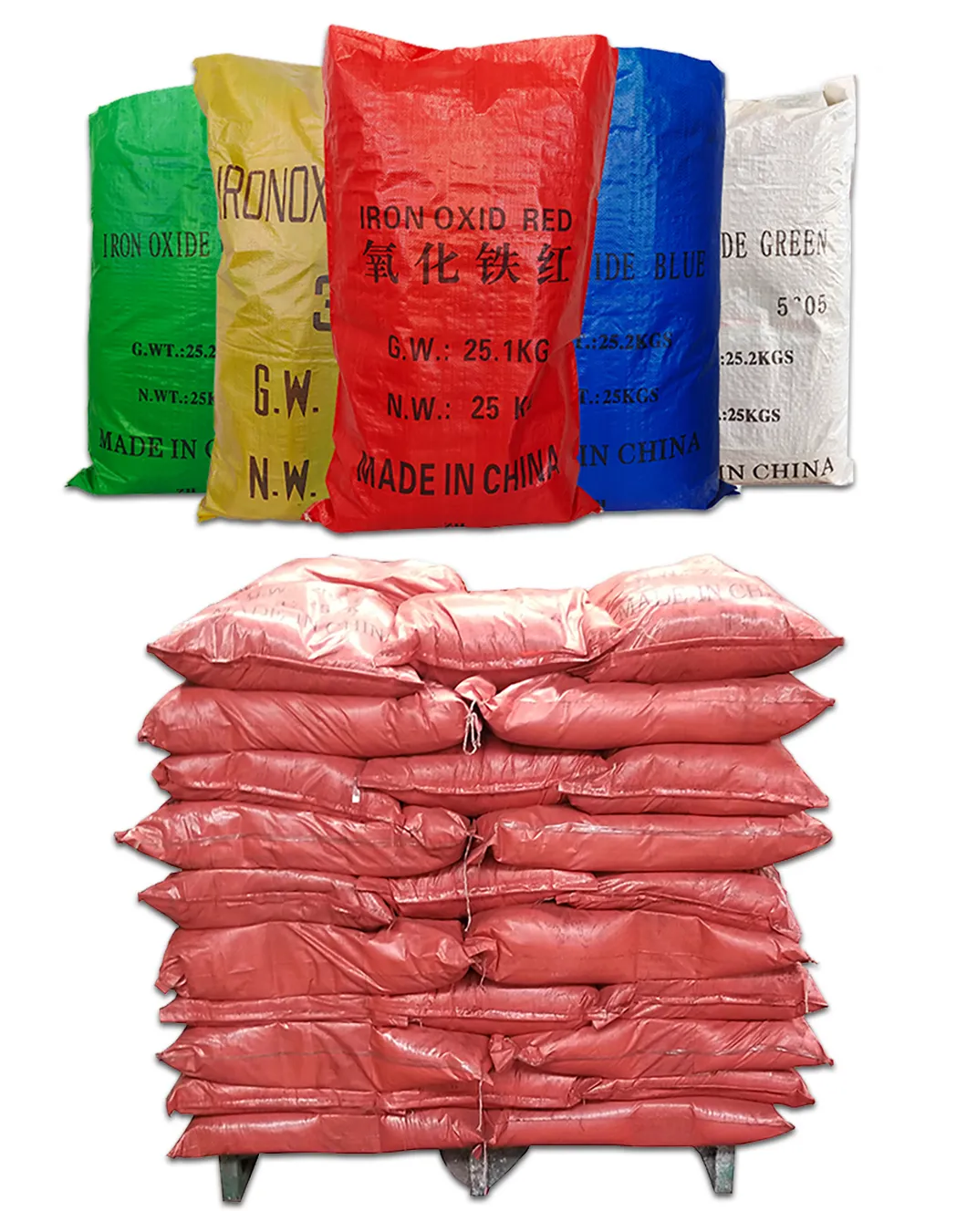
5-25kg/bag,customized package |
| MOQ |
1kg
|

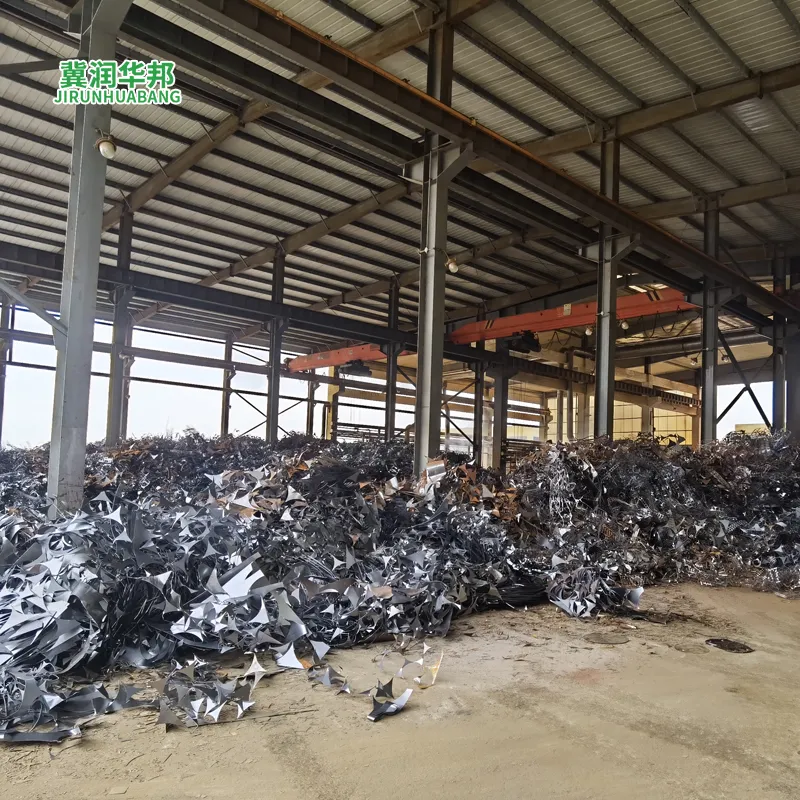
Resource foundation of iron oxide pigments combines natural abundance and circular value, making them a benchmark for sustainable material sourcing. Natural iron oxide pigments are extracted from iron ore deposits rich in hematite (vivid red hues), goethite (warm yellow hues), and limonite (deep brown hues), distributed across global regions with distinct characteristics: African iron ore deposits yield hematite with intense red saturation ideal for bold architectural accents; North American lakebed sediments produce goethite with soft yellow tones perfect for subtle interior decoration; Australian outback deposits offer high-purity limonite with rich brown shades suited for wood staining. Synthetic iron oxide pigments are produced via controlled chemical reactions using iron-rich byproducts from steel smelting and metal polishing—steel slag, once discarded in landfills, is now processed to extract iron oxides, turning industrial waste into high-value coloring materials. Extraction and production adhere to strict eco-friendly standards: natural mining adopts surface extraction to avoid deep geological disturbance, and mined areas undergo systematic restoration by replanting native vegetation (such as drought-resistant grasses in arid regions) and setting up long-term monitoring stations to track ecosystem recovery; synthetic processes use closed-loop systems to capture exhaust gases (converting them into industrial CO2 for greenhouses) and recycle wastewater through sedimentation and filtration, eliminating pollutant discharge. Circular Economy is further embodied in waste reuse: pigment production residues, which retain partial coloring ability, are ground into fine powder and mixed into Recycled Material Coloring (like recycled concrete for garden paths), closing resource loops and reducing landfill burden.
Production processes of iron oxide pigments focus on preserving core traits and reducing carbon footprint, with targeted innovations enhancing performance for specific applications. Natural pigments undergo physical processing that avoids chemical degradation: ore is first crushed into coarse particles using low-energy jaw crushers, then refined via low-temperature airflow grinding (which prevents particle overheating and preserves crystal structure) to achieve uniform fineness, followed by multi-stage sieving and air classification to separate pigment particles from impurities like sand and clay—no toxic chemicals are used throughout, retaining natural color depth and purity. Synthetic pigments use low-temperature chemical reactions (operating at moderate temperatures to avoid high-energy heating) to control particle size and color shade, with pH adjustment via natural minerals like limestone instead of harsh acids that corrode equipment and pollute water. Post-production treatment includes eco-friendly surface modification tailored to end uses: pigments for ceramics are coated with natural aluminosilicates to enhance dispersion in glaze slurries, preventing clumping and ensuring uniform coloring on fired products; pigments for wood stains are treated with plant-based waxes to improve penetration into wood fibers. Solar-powered drying systems, supplemented by wind energy in coastal regions, replace fossil fuels in final processing, cutting carbon emissions by a significant margin compared to traditional coal-fired dryers. These processes not only retain iron oxide pigments’ key properties (Color Stability, Weather Resistance) but also optimize compatibility with diverse substrates from porous wood to dense ceramic.
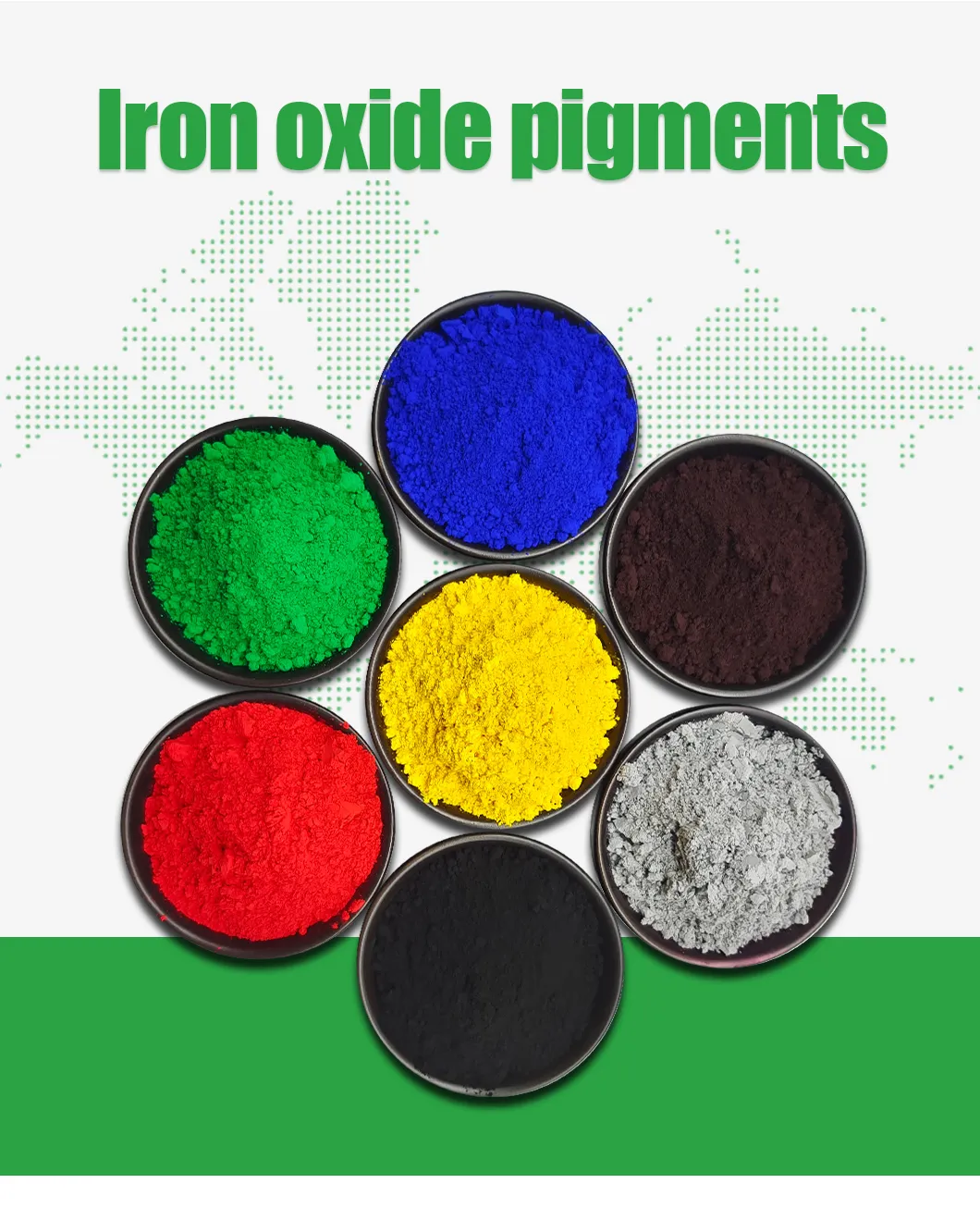
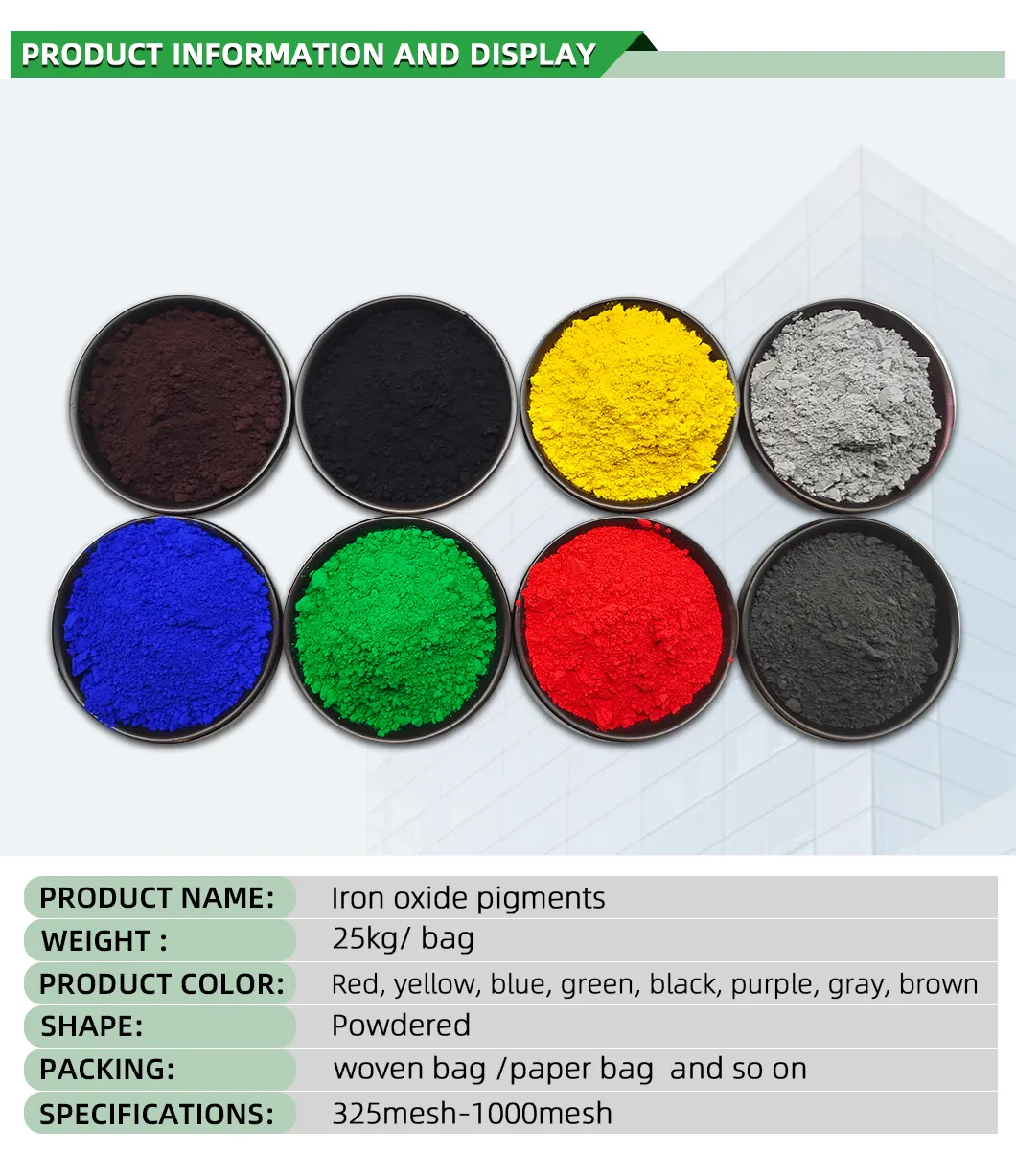



Core properties of iron oxide pigments make them irreplaceable across industries, with each trait rooted in their inherent chemical and physical structure. Color Stability stems from stable iron-oxygen bonds that resist breakdown under ultraviolet radiation, rain, and extreme temperature fluctuations—unlike organic pigments that break down molecularly and fade, iron oxide pigments maintain consistent hue in outdoor structures (like building facades) and indoor spaces (like high-traffic hallways) for years. Weather Resistance is enhanced by their dense particle structure, which repels water and blocks salt spray penetration—coastal buildings coated with pigmented paints retain their color without peeling, while outdoor wood furniture stained with iron oxide pigments avoids discoloration even under intense sunlight. Chemical inertness, a result of stable iron oxide composition, ensures compatibility with ceramics, wood, concrete, and plastics: mixed into ceramic glazes, they withstand high firing temperatures without reacting with other glaze components; added to wood stains, they do not degrade cellulose fibers; blended into plastics, they do not react with polymer resins. Non-toxic nature makes them ideal for Interior Decoration and household ceramics—they release no volatile organic compounds and meet global safety standards for indoor air quality and food-contact ceramics. Wide color spectrum, ranging from vivid scarlet (from high-purity hematite) and golden yellow (from refined goethite) to deep chestnut and charcoal (from processed limonite), meets diverse aesthetic needs: vivid reds for accent walls, soft yellows for living rooms, deep browns for vintage furniture, and charcoals for modern ceramic tiles.
Iron oxide pigments excel in diverse novel application scenarios, with real-world projects showcasing their versatility and performance. Green Architecture leverages their Weather Resistance and Color Stability in practical projects: in European low-energy housing developments, iron oxide pigments are added to exterior wall concrete and roof shingles, providing long-lasting color that reduces repainting frequency by half—this not only lowers maintenance costs but also cuts waste from old paint and packaging. Ceramic Coloring is a standout new scene: mixed into ceramic glazes and bodies, they color floor tiles, mosaic pieces, and decorative vases—red hematite pigments create classic terracotta tones for Mediterranean-style mosaics, while yellow goethite adds warm earthy hues to kitchen tableware, withstanding firing temperatures up to high levels without fading or shifting shade. Wood Staining finds wide use in outdoor and indoor products: pigmented stains penetrate deep into wood fibers of decking, garden benches, and cabinetry, forming a protective layer against UV damage and moisture—unlike film-forming paints that peel off, these stains preserve wood’s natural grain while adding rich color; deep brown limonite pigments are particularly popular for vintage-style outdoor furniture. Recycled Material Coloring revitalizes waste materials: mixed into recycled concrete, they color pavement slabs, garden edging, and retaining walls—turning construction waste into decorative landscape elements; added to recycled plastic, they create fade-resistant outdoor containers for plants and gardening tools. Interior Decoration integrates them into wall paints and ceramic tiles: earthy yellow and brown tones complement rustic farmhouse designs, while deep red accents elevate modern minimalist spaces—all ensuring healthy indoor air quality due to non-toxic nature.
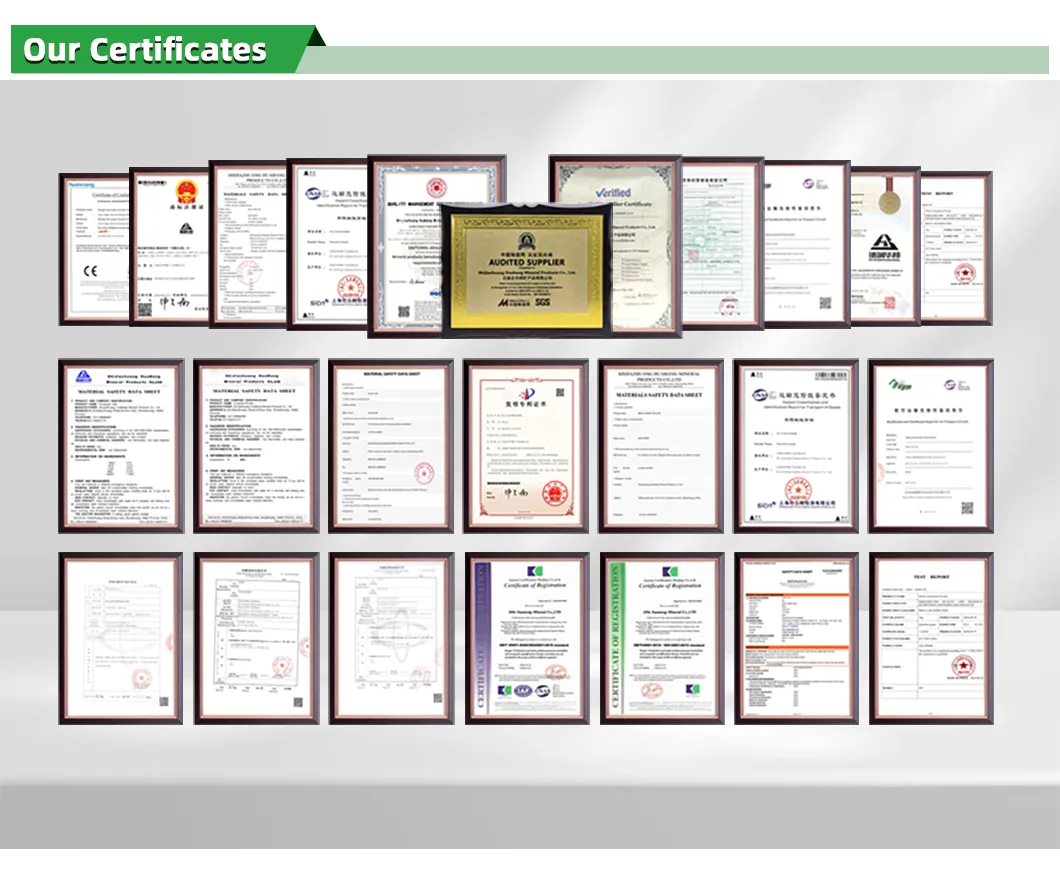
Quality control of iron oxide pigments is tailored to specific new applications, with rigorous testing protocols ensuring consistent performance. For Ceramic Coloring, high-temperature stability tests expose pigment samples to typical ceramic firing temperatures for extended periods, verifying no color fading or decomposition—samples must retain original hue to pass. For Wood Staining, penetration depth tests measure how far pigments seep into wood fibers (ensuring no surface peeling), while UV resistance tests expose stained wood samples to simulated sunlight for months to confirm color retention. For Recycled Material Coloring, dispersion tests mix pigments into recycled concrete and plastic substrates, checking for uniform color distribution without streaks or spots. For Interior Decoration and household ceramics, toxicology tests comply with global standards—ensuring no heavy metal leaching or volatile organic compound release. Both natural and synthetic pigments undergo particle size analysis via laser diffraction to ensure uniform fineness, which is critical for consistent coloring. Recycled pigment waste undergoes strict purification: magnetic separation removes metal impurities from production trimmings, followed by sieving to ensure particle size consistency, and final performance tests (matching color stability and dispersion standards of virgin pigments) before reuse in less demanding applications like decorative aggregates.
In conclusion, iron oxide pigments stand as cornerstone eco-friendly coloring materials aligning seamlessly with Sustainable Development and Circular Economy. Their natural ore origin or waste-derived synthetic production, paired with eco-friendly processing, preserves core traits of Color Stability, Weather Resistance, and chemical inertness—traits that drive unique value in Green Architecture, Ceramic Coloring, Wood Staining, and Recycled Material Coloring. Unlike toxic synthetic pigments that persist in ecosystems (contaminating soil and water) and harm human health (via volatile emissions), iron oxide pigments’ entire lifecycle minimizes environmental impact: from responsible surface mining and waste recycling in production to reusable residues and non-toxic end products. Novel applications demonstrate their remarkable adaptability: enhancing building durability and reducing maintenance waste, creating long-lasting ceramic products with natural hues, protecting wood from environmental damage while preserving its texture, and revitalizing recycled materials into functional decorative elements. As global demand for eco-friendly, long-lasting coloring materials grows—fueled by stricter environmental regulations in Europe, Asia, and North America, as well as consumer preference for sustainable, non-toxic products—iron oxide pigments are poised to expand their market reach across industries. Ongoing research into surface modification technologies promises even greater performance, such as enhanced dispersion in high-gloss ceramics or improved water resistance in wood stains, ensuring they remain vital choice for connecting natural resources and industrial innovation in sustainable, functional ways.