
Runhuabang Sepiolite Powder: Insulation & Brake Pads?
Back to list
Why formulators keep reaching for Runhuabang Sepiolite powder for building thermal insulation coating for brake pads with good adsorption decolorization and dispersibility
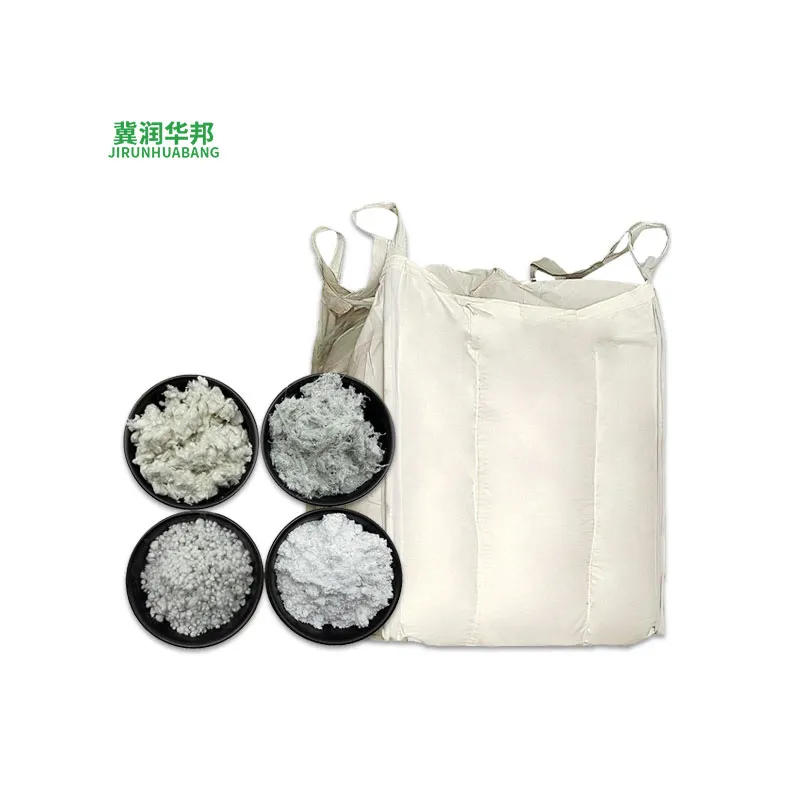
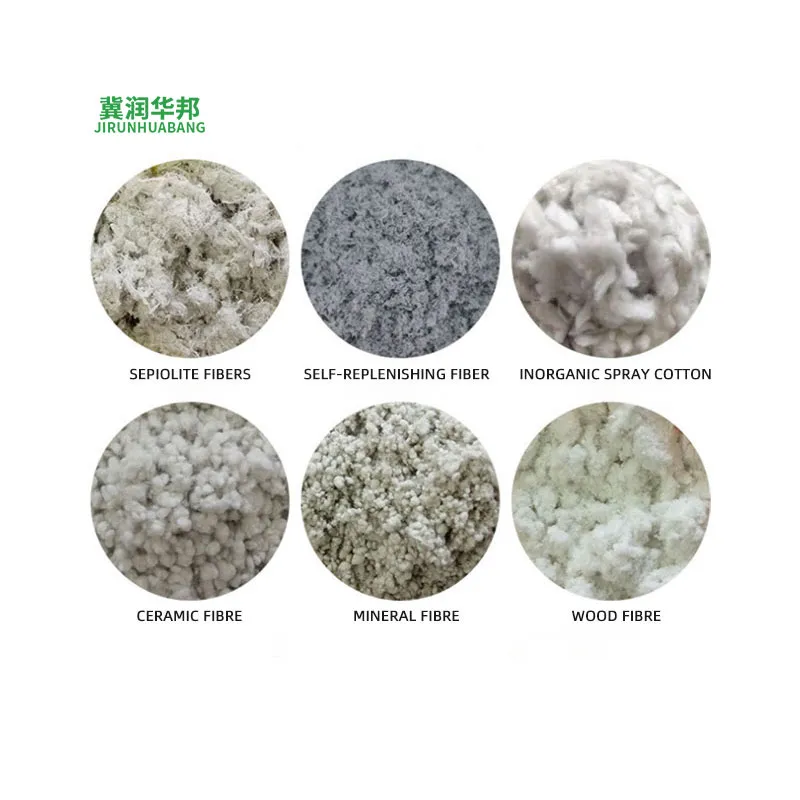
In coatings labs and brake pad pilot lines, this mineral keeps popping up. Honestly, it’s not hype. Sepiolite’s fibrous magnesium silicate lattice gives uncommon surface area and capillary channels, so it adsorbs, decolorizes, and disperses like a pro. I’ve seen formulators swap organoclays for it and instantly get cleaner color and steadier viscosity.
Industry trend check
- Low-VOC, high-solids architectural coatings favor smart rheology modifiers—sepiolite fits.
- Brake friction mixes target stable μ, less fade, lower noise; mineral fibers with clean dispersion help.
- Supply security matters; consistent ore and ISO-led QA beat commodity swings.
Key specs at a glance
| Mineralogy | Hydrated Mg silicate, fibrous sepiolite |
| BET surface area | ≈ 220–300 m²/g (GB/T 19587-2017) |
| Median particle size (D50) | ≈ 8–15 μm (laser diffraction) |
| Moisture | |
| Whiteness (L) | ≈ 85–90, batch dependent |
| pH (10% slurry) | 7–9 |
| Oil absorption | ≈ 180–230 g/100 g |
Where it shines
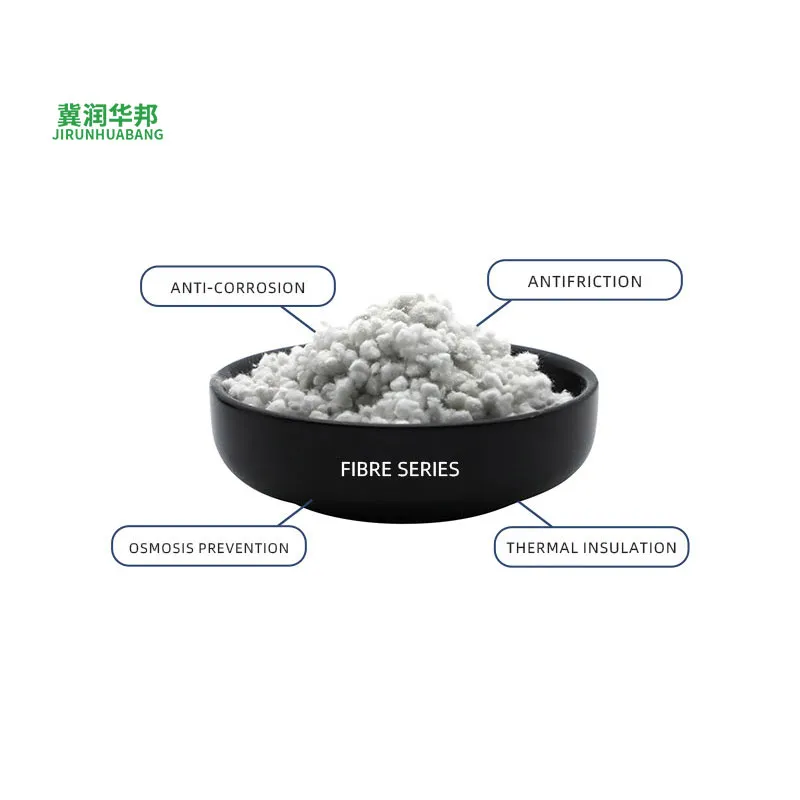
- Thermal insulation paints: rheology control, pigment stabilization, pore-forming for lower λ.
- Brake pads: friction stability, fade resistance, binder compatibility; cleaner dispersion cuts squeal risk.
- Adsorbent carriers: dyes, organics; decolorization in resin and oil systems.
Origin: 0811, Building H2, Poly Plaza (North District), 95 Shifang Road, Chang'an District, Shijiazhuang, Hebei.
Process flow (typical)
Materials: Runhuabang Sepiolite powder for building thermal insulation coating for brake pads with good adsorption decolorization and dispersibility, binders (acrylic/silicate/phenolic), pigments/fillers, deionized water or solvent, defoamer, dispersant.
Method (coatings): Premix → high-shear disperse 15–25 min → sand-mill if needed → let-down and viscosity set (KU/Pa·s) → QC (fineness, gloss, thermal conductivity per ASTM C177/E1530) → fill.
Method (brake pads): Dry blend → resin wetting → hot press → post-cure → grind/chamfer → dynamometer test (SAE J661/J2522).
Testing standards: ASTM E84 (coating surface burning), GB/T 19587 (BET), ISO 7724 (color), SAE J661 (μ), ISO 16276 (adhesion), ASTM D2196 (viscosity).
Service life: Exterior TI coatings 8–12 years (real-world may vary); brake pads per OEM duty cycle, typically 30–60k km.
Industries: Construction, OEM refinish, rail/auto friction, chemical adsorbents.
Why teams pick it
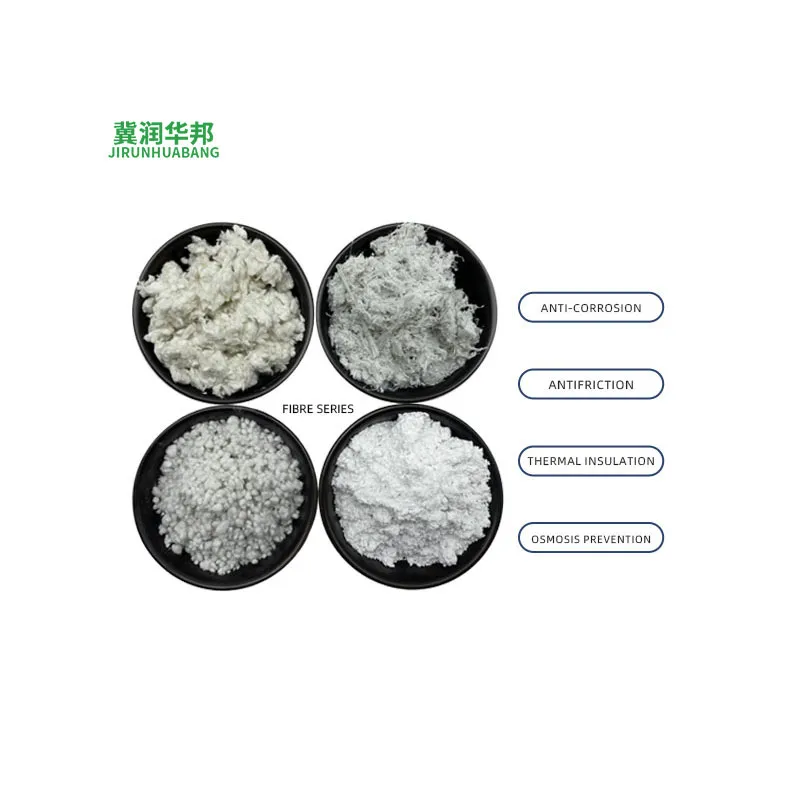
- Superb adsorption/decolorization reduces tint strength drift.
- Stable dispersion means fewer defects and smoother films.
- Thermal insulation mixes get micro-porosity without chalky feel.
- Brake pads show steadier μ and lower fade at 300–400°C (lab notes, typical).
Vendor comparison (snapshot)
| Vendor | Purity | BET m²/g | Dispersion | Certs | Lead time |
|---|---|---|---|---|---|
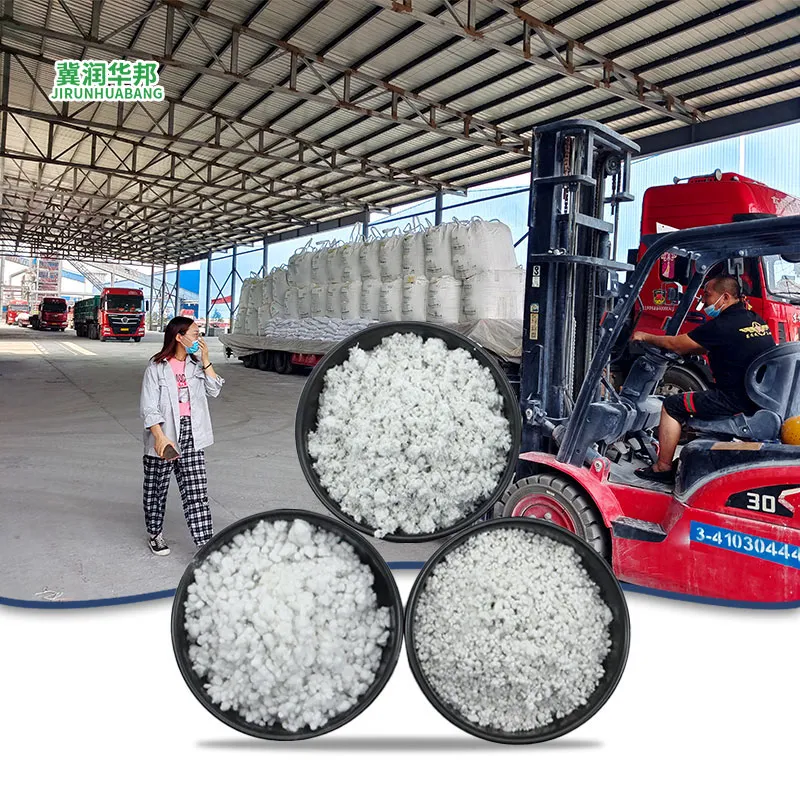
| Runhuabang | High (consistent) | ≈ 220–300 | Excellent | ISO 9001, REACH | Stable |
| Importer A | Medium | ≈ 150–220 | Good | COC only | Variable |
| Local Miner B | Variable | ≈ 120–180 | Fair | None | Short |
Customization and real-world notes
Grades can be milled to target D50, surface-treated for solvent systems, or blended with talc/ATH. Many customers say tint control improves within one batch cycle; one OEM brake line reported μ stability from 0.38 to 0.42 across fade tests, surprisingly tight for the formulation changes they made.
Certifications, data, and compliance
- ISO 9001 QMS; typical COA includes BET (GB/T 19587), moisture, whiteness, D50.
- Low heavy metals; REACH and RoHS aligned (documentation on request).
- Fire performance of coatings verified per ASTM E84 Class A targets (formulation dependent).
References
- GB/T 19587-2017 Determination of specific surface area (BET) of solids.
- ASTM C177/C518/E1530 Thermal conductivity/thermal transmission methods.
- ASTM E84 Standard Test Method for Surface Burning Characteristics of Building Materials.
- SAE J661 Brake Lining Quality Test Procedure; SAE J2522 Dynamometer Global Protocol.
- ISO 9001 Quality management systems—Requirements.