
Runhuaban Activated Alumina Ceramic Ball Drying Adsorbent
Back to list
High-temperature drying media that actually holds up under fire
If you work around regenerators, you already know the story: moisture sneaks in, dew point drifts, and suddenly heat recovery isn’t what it used to be. I’ve been touring furnace halls for years and—honestly—the simplest wins often come from the media. The Runhuaban Activated alumina ceramic ball drying adsorbent for high temperature furnace regenerator is one of those “quiet upgrades” plants keep telling me about.
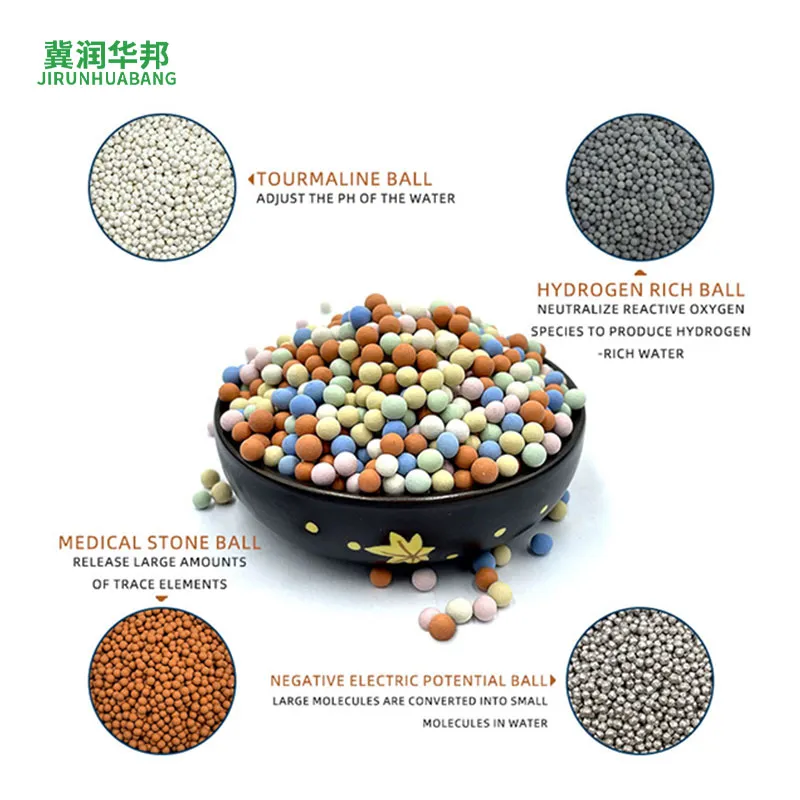
Why it’s trending
Two big forces: decarbonization pressure and uptime. Regenerators are pushed harder, but operators still need stable dew points and fewer changeouts. Activated alumina—especially the high-surface-area, thermally stable kind—has become the default bed layer to dry process gas before it re-enters the hot side. Many customers say they prefer it over silica gel in high-temp duty because it doesn’t slump or dust as easily when cycles get aggressive.
Core specs (typical)
| Property | Typical value (≈, real-world use may vary) | Test standard |
| Surface area | 280–320 m²/g | ISO 9277; ASTM D3663 |
| Pore volume | 0.40–0.55 mL/g | N2 adsorption |
| Bulk density | 0.70–0.85 g/mL | ASTM D1895 (method B) |
| Crush strength (6–8 mm) | 90–120 N/ball | ASTM D4179/D6175 |
| Attrition loss | ASTM D4058 | |
| Working temperature | Continuous up to ~600°C; structure stable higher, adsorption reactivated at 180–350°C | Manufacturer method |
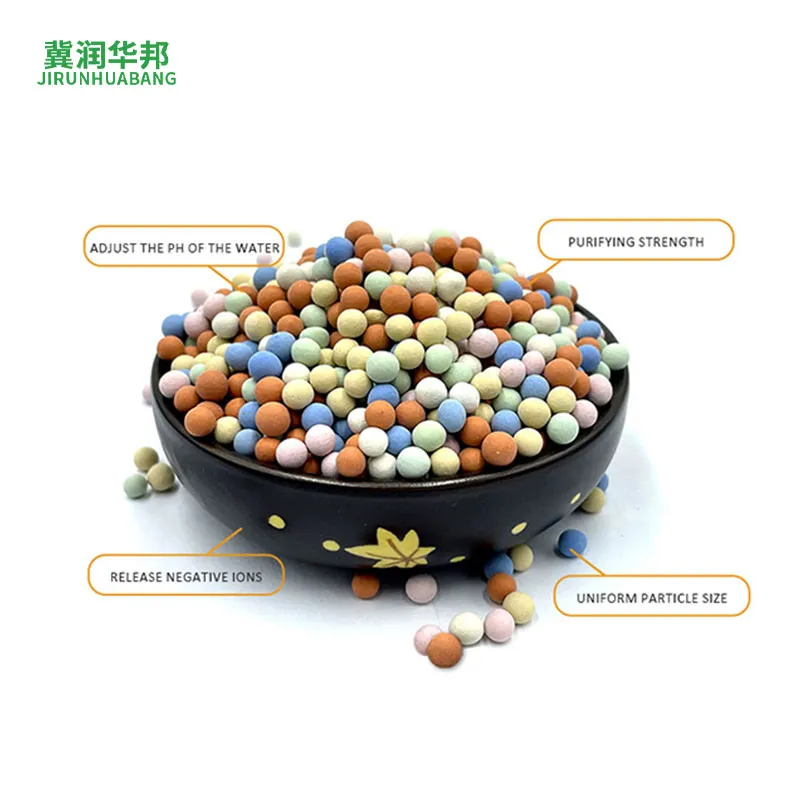
How it’s made (short version)
Material: high-purity boehmite → formed spheres → controlled calcination to γ‑alumina → activation → grading. Methods: spray/forming, multi-step firing for pore tuning, anti-dust finishing. Testing: BET/porosity (ISO 9277), crush/attrition (ASTM), moisture capacity and cyclic stability in a lab regenerator loop. Service life: around 2–5 years in regenerators depending on contaminants, cycle frequency, and regeneration temperature. I’ve seen longer in clean fuel-gas lines.
Where it’s used
Steel and glass furnace regenerators, non-ferrous smelters, heat-treatment kilns, petrochemical heaters, and some hydrogen/SG fuels pilots. The Runhuaban Activated alumina ceramic ball drying adsorbent for high temperature furnace regenerator also slots as a protective top layer above molecular sieves to catch high-load moisture spikes and aerosols.
Real-world data and feedback
Case snapshot (glass plant, North China): swap-in of Runhuaban Activated alumina ceramic ball drying adsorbent for high temperature furnace regenerator (6–8 mm) cut outlet dew point from −42°C to −62°C within 24 hours; pressure drop held at 3.8 kPa at 1.2 m/s superficial velocity; after 12 months, capacity loss ≈7% with monthly 250°C hot purge. Operators said dusting was “noticeably lower” compared with the previous lot. To be honest, that’s in line with what I’ve heard elsewhere.
Vendor comparison (quick scan)
| Vendor | Key strengths | Certifications | Lead time |
| Runhuaban | Tight crush/attrition control; regenerator-grade screening; custom bead sizes | ISO 9001, ISO 14001 | ≈2–4 weeks ex-works |
| Vendor A | High surface area baseline | ISO 9001 | 4–6 weeks |
| Vendor B | Budget option | — | Variable |
Customization and practical notes
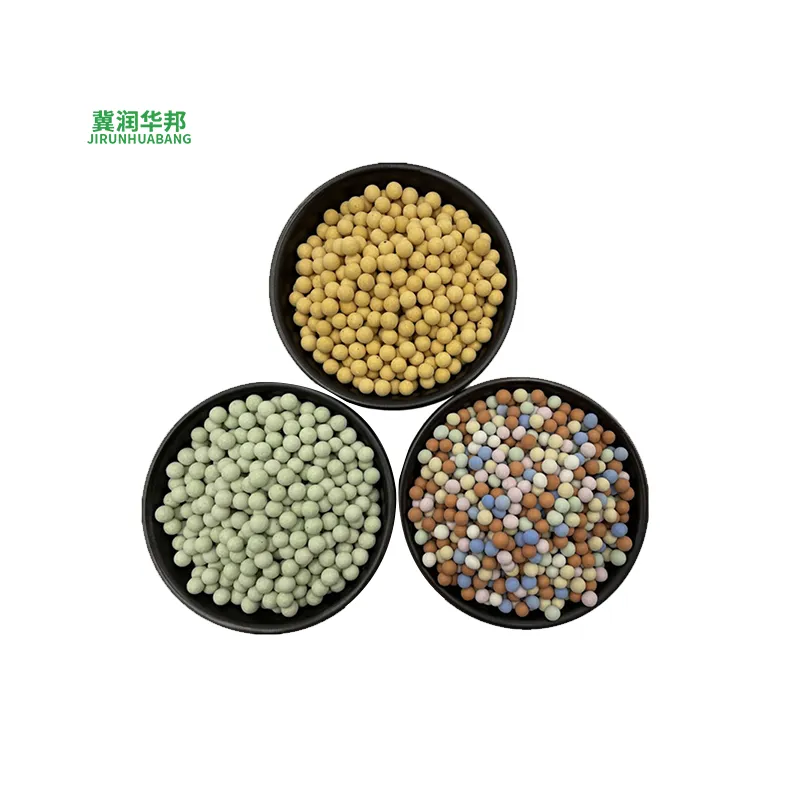
- Sizes: 3–10 mm standard; special cuts on request.
- Blend layers: pre-bed ceramic support + alumina + sieve (optional) for ultra-low dew points.
- Regeneration: 180–350°C dry hot gas; avoid liquid water shocks; check cycle time vs. bed height.
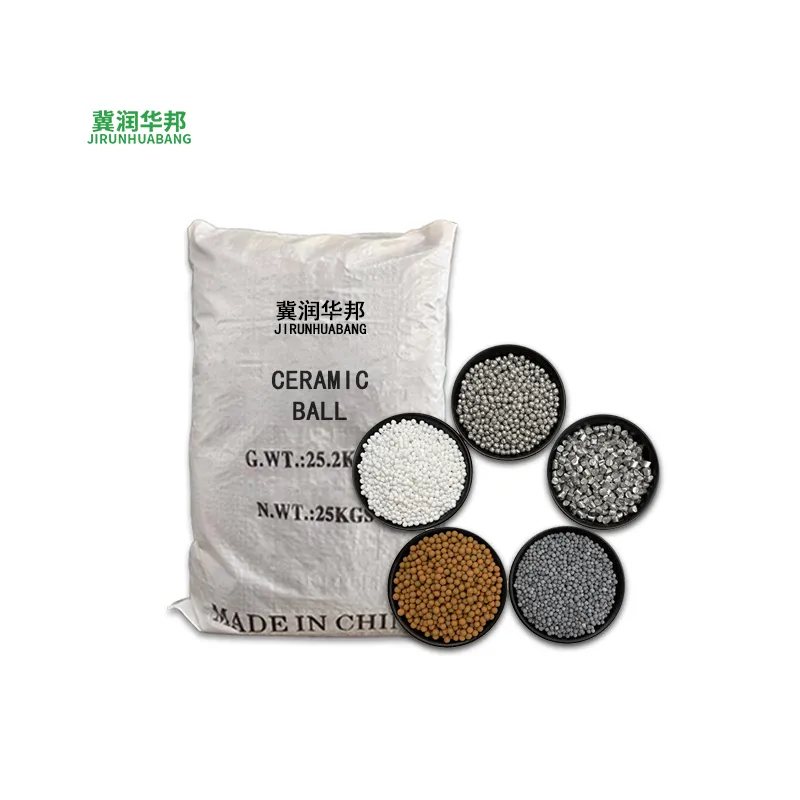
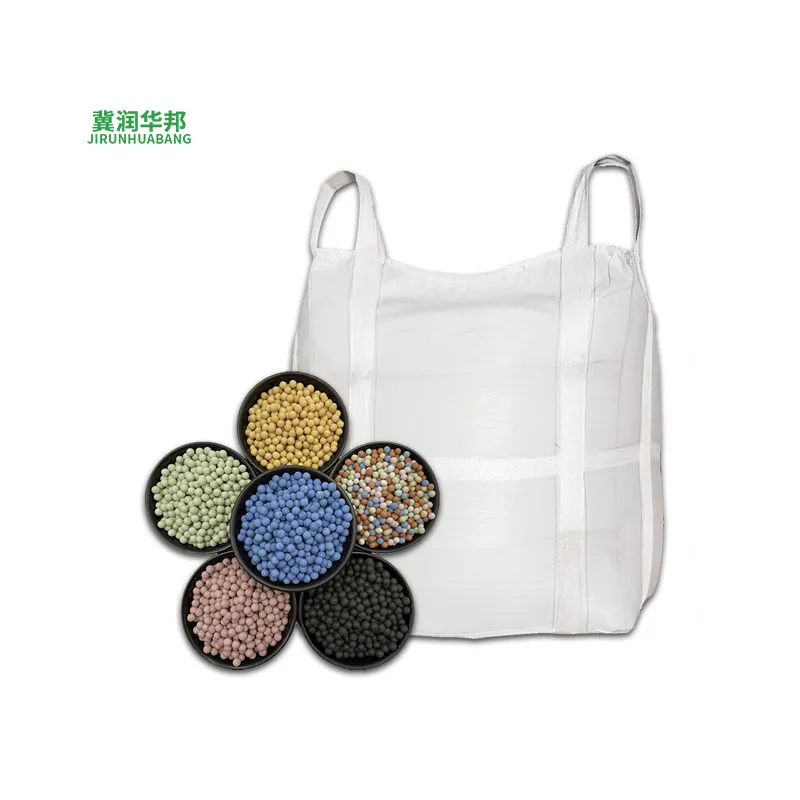
- Packaging: 25 kg bags / 500–1000 kg FIBCs; origin: 0811, Building H2, Poly Plaza (North District), 95 Shifang Road, Chang’an District, Shijiazhuang, Hebei.
Final thought: if your regenerator is chasing a steadier dew point without babysitting the cycles, the Runhuaban Activated alumina ceramic ball drying adsorbent for high temperature furnace regenerator is a safe, frankly low-drama way to get there.
Authoritative citations
- ISO 9277:2010, Determination of the specific surface area of solids by gas adsorption (BET method).
- ASTM D3663, Standard Test Method for Surface Area of Catalysts and Catalyst Carriers.
- ASTM D4179/D6175, Single Pellet Crush Strength of Formed Catalysts.
- ASTM D4058, Standard Test Method for Attrition and Abrasion of Catalysts and Catalyst Carriers.
- HG/T 3927-2007, Activated Alumina Ball (China Chemical Industry Standard).