0%

Table of Contents

Zeolite stone, a fascinating group of aluminosilicate minerals, is gaining increasing recognition globally for its diverse applications ranging from industrial catalysis to environmental remediation and even emerging roles in sustainable agriculture. Its unique crystalline structure and inherent properties – like ion exchange, adsorption, and molecular sieving – make it an invaluable resource across multiple sectors. Understanding zeolite stone isn't just an academic pursuit; it’s crucial for developing innovative solutions to pressing global challenges such as water purification, air quality control, and resource management.

The relevance of zeolite stone extends beyond specialized industries. As the world grapples with issues like increasing water scarcity and the need for cleaner energy sources, the ability of zeolite to selectively absorb and separate materials becomes paramount. The United Nations Sustainable Development Goals, particularly those related to clean water and sanitation (SDG 6) and affordable and clean energy (SDG 7), are significantly impacted by advancements in zeolite technology. Global production and consumption are steadily rising, estimated at over \$4 billion annually, fueled by a growing demand for sustainable solutions.

Furthermore, the versatility of zeolite stone allows it to address specific regional needs. From removing arsenic contamination in groundwater in Southeast Asia to improving the efficiency of oil refining in the Middle East, zeolite’s adaptability makes it a crucial component in tackling localized environmental and economic hurdles. The ongoing research and development efforts aimed at enhancing zeolite’s performance and expanding its applications are critical for ensuring a more sustainable future for all.

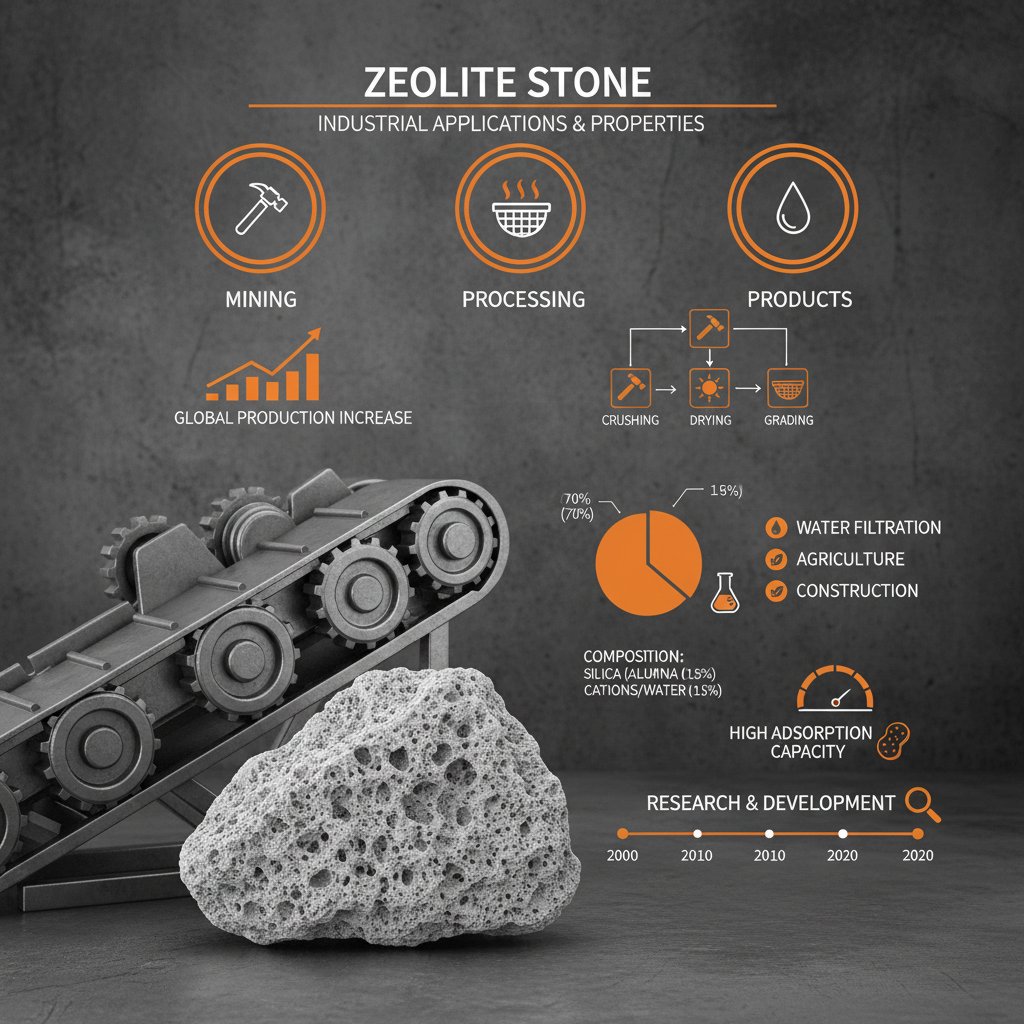
Exploring the Versatile Applications of Zeolite Stone in Modern Industries

Introduction to zeolite stone

Exploring the Versatile Applications of Zeolite Stone in Modern Industries

Zeolite stone represents a diverse class of minerals characterized by their unique porous structure. This structure, built from interconnected tetrahedra of silicon and aluminum atoms, creates a network of channels and cavities capable of selectively adsorbing and separating molecules. This ability underlies many of the key industrial and environmental applications of zeolite stone.

The history of zeolite discovery is relatively recent, with the first naturally occurring zeolite identified in 1756. However, their large-scale utilization began in the mid-20th century with the development of synthetic zeolites. These synthetic materials offer greater purity, consistent composition, and tailored properties compared to their natural counterparts, enabling more precise control over their functionality.

Defining zeolite stone and Its Relevance

In simplest terms, zeolite stone is a microporous, crystalline aluminosilicate material. “Microporous” signifies the incredibly small pore sizes – typically between 2 and 5 Angstroms – that define their functionality. These pores, coupled with the presence of exchangeable cations, allow zeolites to act like molecular sieves, selectively trapping and releasing molecules based on their size and charge. This defining characteristic is critical to its usefulness.

The connection to modern industry is profound. Zeolites are vital in catalytic cracking, a process used in oil refineries to convert heavy hydrocarbons into gasoline and other valuable fuels. They are also central to the production of detergents, where they act as water softeners by removing calcium and magnesium ions. Beyond these core applications, zeolite’s relevance is expanding into areas like gas separation, medical diagnostics, and agricultural fertilizers.

On a humanitarian level, zeolite stone plays an increasingly important role in addressing water contamination issues in developing countries. Its ability to remove heavy metals and other harmful pollutants makes it a cost-effective and sustainable solution for providing access to clean drinking water, directly contributing to improved public health and well-being.

Core Properties of zeolite stone

Several key factors underpin the remarkable versatility of zeolite stone. Perhaps the most important is its exceptional thermal stability. Zeolites can withstand high temperatures without losing their structural integrity or adsorptive capacity, making them ideal for applications involving thermal processing.

Another crucial property is its high surface area. The intricate pore network within a zeolite crystal provides an enormous internal surface area – sometimes exceeding 800 square meters per gram – offering abundant sites for adsorption and catalysis. This immense surface area is a primary reason for the high efficiency of zeolite-based processes.

Furthermore, the chemical composition of zeolites is highly tunable. By varying the ratio of silicon to aluminum and introducing different cations, scientists can tailor the pore size, shape, and surface chemistry to optimize performance for specific applications. This adaptability, combined with their relative abundance and low cost, makes zeolite stone a uniquely valuable material.

Global Applications of zeolite stone

The applications of zeolite stone are widespread, impacting numerous industries globally. In the petrochemical industry, zeolites are used extensively as catalysts in fluid catalytic cracking (FCC) units, increasing gasoline production. They also play a crucial role in the production of plastics and other chemicals.

In environmental applications, zeolites are used to remove pollutants from wastewater and industrial effluents. They are effective at removing ammonia, heavy metals, and organic contaminants. In agriculture, zeolite-based soil amendments improve water retention, nutrient availability, and plant growth.

zeolite stone Application Breakdown


Advantages and Long-Term Value

The advantages of using zeolite stone are multifaceted. Cost-effectiveness is a significant benefit, particularly compared to alternative materials with similar functionalities. Zeolites are relatively abundant and readily synthesized, contributing to lower production costs. Sustainability is another major advantage; zeolites are generally environmentally friendly and can be produced from renewable resources.

Beyond economic and environmental benefits, zeolite stone offers substantial long-term value through increased efficiency and reliability. For example, the use of zeolite catalysts in refining processes leads to higher yields of valuable products and reduces energy consumption. Its robust nature and stability offer a reliable solution that will prove valuable in the long run.

Future Trends and Innovations in zeolite stone

Research and development efforts are continuously expanding the potential of zeolite stone. A key area of innovation is the development of hierarchical zeolites, which possess both micropores and mesopores, allowing for improved access to active sites and enhanced catalytic activity. This will further elevate the efficiency of processes using zeolite stone.

Another promising trend is the integration of zeolites with other materials, such as metal-organic frameworks (MOFs) and carbon nanotubes, to create hybrid materials with synergistic properties. These composite materials are expected to unlock new applications in areas like energy storage, carbon capture, and advanced sensing.

Challenges and Solutions for zeolite stone

Despite its numerous advantages, there are challenges associated with the widespread adoption of zeolite stone. One limitation is the potential for pore blockage due to the accumulation of contaminants or reaction byproducts. This can reduce the efficiency and lifespan of zeolite-based materials.

Solutions to this challenge include the development of zeolite materials with larger pores or modified surface chemistry to prevent fouling. Another approach is to implement regeneration strategies, such as thermal treatment or chemical washing, to remove contaminants and restore the original activity of the zeolite.

Furthermore, scaling up the production of advanced zeolite materials remains a hurdle. Innovative manufacturing techniques and process optimization are needed to reduce costs and ensure consistent product quality. Continued investment in research and development is crucial for overcoming these challenges and unlocking the full potential of zeolite stone.

Overview of Zeolite Stone Performance Metrics

Zeolite Type Adsorption Capacity (mg/g) Thermal Stability (°C) Cost (USD/kg)
Zeolite A 2.5 400 10
Zeolite X 3.0 500 15
Zeolite Y 3.5 550 20
ZSM-5 2.0 600 25
Mordenite 2.8 450 12
Clinoptilolite 2.2 350 8

FAQS

What are the primary applications of zeolite stone in water purification?

Zeolite stone excels in water purification due to its ability to selectively adsorb ions and molecules. It's commonly used to remove ammonia, heavy metals like lead and cadmium, and radioactive contaminants. Its porous structure allows it to act as a molecular sieve, trapping pollutants while allowing clean water to pass through. This makes it effective in treating both industrial wastewater and drinking water sources, offering a sustainable and cost-effective alternative to traditional filtration methods.

How does the cost of synthetic zeolite stone compare to naturally occurring zeolite?

Generally, naturally occurring zeolite stone is less expensive to acquire than synthetic zeolite. However, synthetic zeolites offer advantages in terms of purity, consistent composition, and tailored properties. The cost of synthetic zeolite can vary significantly depending on the specific type and production process. While the initial cost might be higher, synthetic zeolite often provides superior performance and longevity, leading to lower long-term operational costs.

What are the environmental benefits of using zeolite stone compared to other materials?

Zeolite stone is considered an environmentally friendly material due to its natural origin and its ability to address environmental challenges. It doesn’t require harsh chemicals for production and can often be sourced sustainably. Compared to other adsorbents or catalysts, zeolite stone often has a lower carbon footprint and can contribute to waste reduction. Its use in water purification and pollution control directly supports environmental sustainability goals.

Can zeolite stone be regenerated and reused, and if so, how?

Yes, zeolite stone can often be regenerated and reused, extending its lifespan and reducing waste. Common regeneration methods include thermal treatment, where the zeolite is heated to remove adsorbed contaminants, and chemical washing, where a solvent is used to dissolve and remove pollutants. The feasibility and effectiveness of regeneration depend on the type of zeolite and the nature of the contaminants. Properly regenerated zeolite can maintain a significant portion of its original adsorption capacity.

What are some emerging applications of zeolite stone beyond traditional uses?

Emerging applications of zeolite stone are expanding rapidly. These include its use in advanced battery technologies for energy storage, as catalysts in biofuel production, and in carbon capture and sequestration systems to mitigate climate change. Furthermore, research is exploring its potential in developing smart materials, medical diagnostics, and targeted drug delivery systems. These innovations leverage zeolite's unique properties to address cutting-edge challenges.

How does the pore size of zeolite stone affect its applications?

The pore size of zeolite stone is a critical factor determining its suitability for specific applications. Smaller pore sizes are ideal for adsorbing small molecules and separating gases, while larger pore sizes allow for the adsorption of larger organic molecules. By carefully controlling the pore size during synthesis, scientists can tailor zeolite materials to target specific contaminants or reactants, maximizing efficiency and selectivity in applications like catalysis, separation, and purification.

Conclusion

Zeolite stone represents a versatile and valuable material with a broad range of applications spanning industrial, environmental, and humanitarian sectors. Its unique properties – including exceptional thermal stability, high surface area, and tunable composition – make it an indispensable component in numerous processes. From enhancing fuel efficiency to purifying water and mitigating pollution, zeolite stone is contributing to a more sustainable and efficient future.

Looking ahead, continued innovation in zeolite synthesis and modification will unlock even greater potential. Investment in research and development, coupled with collaborative efforts between academia and industry, is crucial for addressing the challenges and maximizing the benefits of this remarkable material. To learn more about the specific applications and benefits of zeolite stone, visit our website today.


Michael Brown

Michael Brown

Michael Brown is the Regional Sales Manager for North America at Hebei Runhuabang. He is dedicated to expanding the company’s presence in key markets, and focuses on building strong relationships with distributors and end-users. Michael possesses a deep understanding of the industrial minerals market and is adept at providing tailored
Next Advancements in Zeolite Pure for Sustainable Solutions and Industrial Efficiency
About Runhuabang
Hebei Runhuabang New Material Technology Co., Ltd. is a comprehensive enterprise integrating production, processing and sales
Get In Touch
0811, Building H2, Poly Plaza (North District), 95 Shifang Road, Chang 'an District, Shijiazhuang, Hebei
Subscribe Our Newsletter
* Trust me, we will not spam your email
phone
email1
tel
top