Calcium carbonate manufacturing plants are pivotal in supplying a versatile material used across numerous industries, from construction and agriculture to pharmaceuticals and food processing. Understanding the intricacies of these plants – their processes, technologies, and sustainability practices – is crucial for professionals and stakeholders alike. A well-operated calcium carbonate manufacturing plant not only ensures a consistent supply of high-quality product but also minimizes environmental impact and maximizes economic efficiency. This comprehensive guide delves into the multifaceted world of calcium carbonate production.
Globally, the demand for calcium carbonate is steadily increasing, driven by population growth, urbanization, and industrial expansion. The production and supply chain for this essential mineral are therefore of significant economic importance. According to the USGS, in 2023, approximately 290 million metric tons of calcium carbonate were produced in the United States alone. This demand requires robust and efficient calcium carbonate manufacturing plants capable of meeting stringent quality standards and addressing environmental concerns. The future relies on innovation in these plants to provide sustainable solutions.
A calcium carbonate manufacturing plant is a facility dedicated to the industrial production of calcium carbonate (CaCO3), a common chemical compound found in rocks such as limestone, chalk, and marble. These plants employ various methods, including mining, crushing, grinding, and chemical processing, to produce calcium carbonate in different forms and purities. These forms range from ground calcium carbonate (GCC), sourced directly from natural deposits, to precipitated calcium carbonate (PCC), a synthetically produced form with tailored properties for specialized applications.
Introduction to calcium carbonate manufacturing plant
The efficient operation of a calcium carbonate manufacturing plant is intrinsically linked to the quality of its raw materials and the sophistication of its processing techniques. Controlling particle size, purity, and morphology are key challenges addressed by modern plant designs. calcium carbonate manufacturing plant facilities continuously seek to optimize production processes to minimize waste and energy consumption.
Sustainability is a growing concern within the industry, driving innovation in areas such as carbon capture and utilization, water recycling, and the use of alternative energy sources. Modern plants are increasingly incorporating circular economy principles to reduce their environmental footprint. This is becoming essential for long-term viability and social responsibility.
Global Relevance and Industry Context
The global calcium carbonate market is experiencing consistent growth, largely fueled by demand from the construction, paper, plastics, paint, and adhesive industries. Emerging economies, particularly in Asia-Pacific, are significant drivers of this growth due to rapid urbanization and infrastructure development. The overall market size was estimated at USD 26.12 billion in 2023 and is projected to reach USD 35.58 billion by 2032, exhibiting a CAGR of 3.5% during the forecast period.
However, the industry faces challenges related to fluctuating raw material prices, stringent environmental regulations, and the need for continuous technological advancements. Geopolitical factors and trade policies can also significantly impact supply chains and market dynamics. Ensuring a stable and sustainable supply of calcium carbonate requires careful planning and investment in efficient manufacturing infrastructure.
Moreover, the increasing focus on sustainable building materials and eco-friendly products is prompting a shift towards higher-purity calcium carbonate grades and innovative applications. This trend necessitates calcium carbonate manufacturing plants to adopt cleaner production methods and explore new technologies to meet evolving market demands and regulatory requirements.
Defining a calcium carbonate manufacturing plant
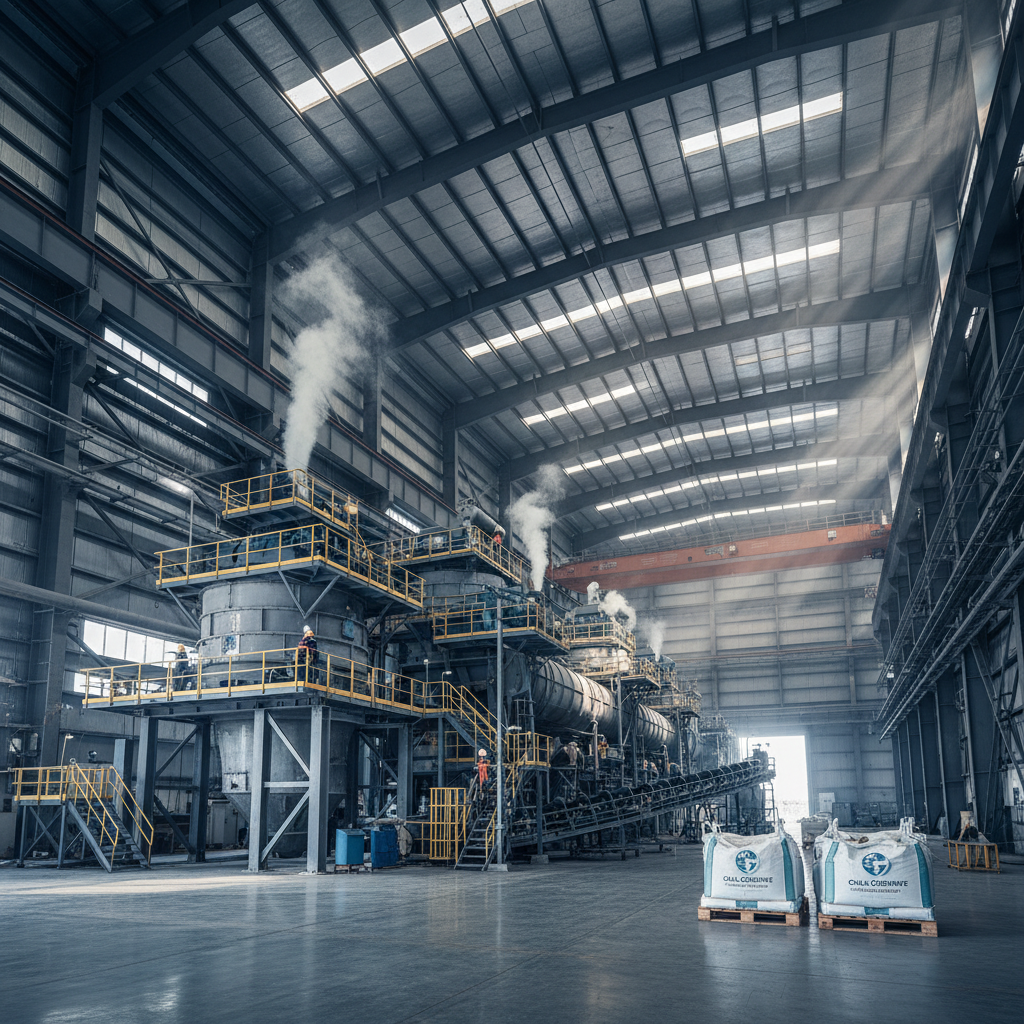
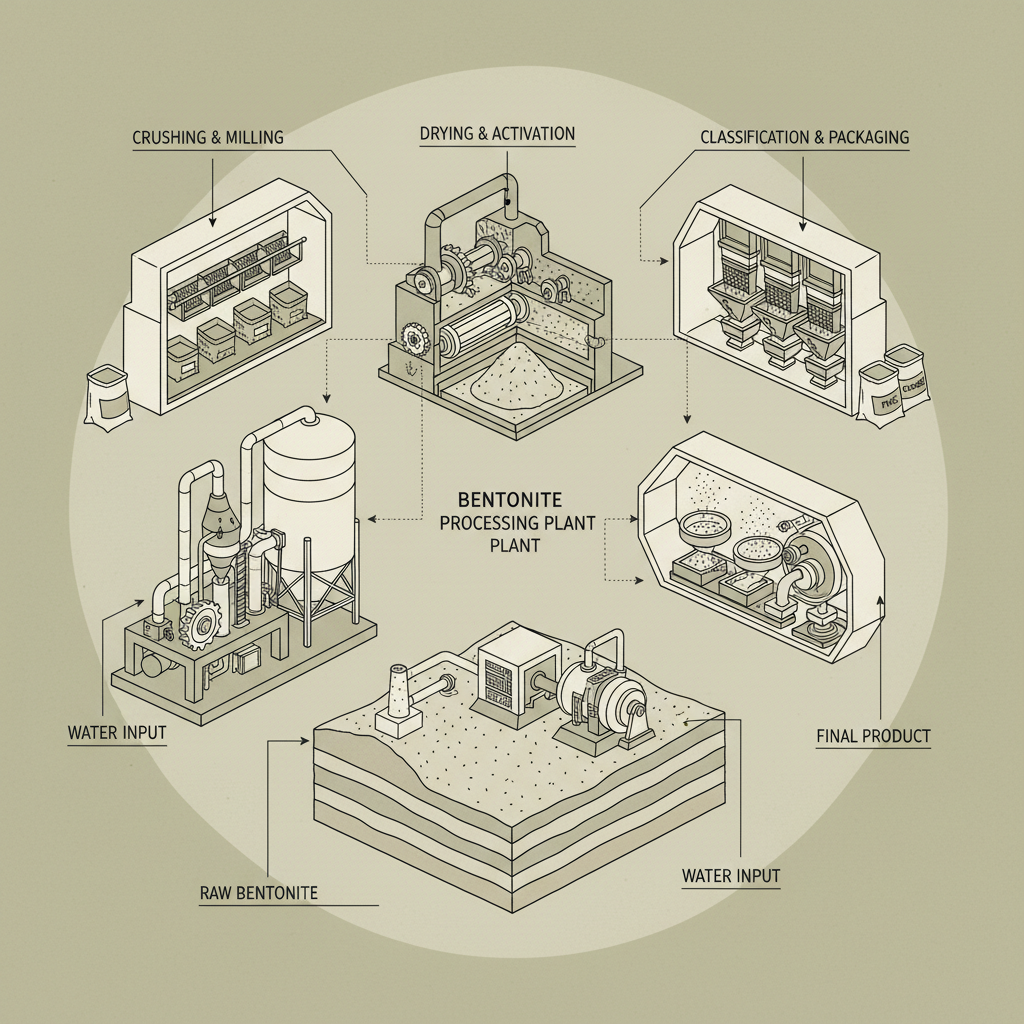
A calcium carbonate manufacturing plant is more than just a processing facility; it's a complex ecosystem encompassing mining operations, material handling systems, processing equipment, quality control laboratories, and logistical infrastructure. The plant's core function is to transform raw calcium carbonate-containing materials into usable products with specific characteristics tailored to diverse industrial applications.
There are two primary types of calcium carbonate produced: Ground Calcium Carbonate (GCC) and Precipitated Calcium Carbonate (PCC). GCC is manufactured by mechanically grinding naturally occurring limestone or marble. PCC, on the other hand, is produced through a chemical process involving the carbonation of calcium hydroxide. The choice between GCC and PCC depends on the desired particle size, purity, and morphology for the intended application.
The efficiency and effectiveness of a calcium carbonate manufacturing plant are determined by several factors, including the quality of the raw materials, the precision of the processing equipment, and the expertise of the operational staff. A well-maintained and optimized plant can consistently deliver high-quality products while minimizing waste and environmental impact.
Key Factors in Calcium Carbonate Production
Several key factors dictate the efficiency, cost-effectiveness, and quality of output from a calcium carbonate manufacturing plant. These include the source and purity of raw materials, the grinding and classification technologies employed, the control of particle size distribution, and the implementation of rigorous quality control procedures.
Optimizing these factors leads to increased productivity, reduced energy consumption, and minimized environmental impact. Furthermore, the integration of advanced automation and data analytics can enhance process control and improve product consistency.
Calcium Carbonate Manufacturing Plant: Method Comparison
Applications Across Industries
Calcium carbonate finds widespread application across a diverse range of industries. In the construction sector, it serves as a key component in cement, concrete, and asphalt, enhancing durability and reducing costs. The paper industry utilizes calcium carbonate as a filler, improving opacity and brightness.
In the plastics industry, it acts as a reinforcing agent, increasing strength and reducing material costs. The paints and coatings industry incorporates calcium carbonate as an extender pigment, enhancing hiding power and improving film properties. Even the pharmaceutical and food industries utilize calcium carbonate as a dietary supplement and food additive.
Advantages and Long-Term Value
Investing in a modern, efficient calcium carbonate manufacturing plant offers significant advantages. These include reduced production costs, improved product quality, minimized environmental impact, and enhanced operational safety. Furthermore, a reliable supply of calcium carbonate can provide a competitive edge in downstream industries.
The long-term value stems from the versatility of the product and its growing demand across various sectors. Sustainable practices and technological innovations further enhance the long-term viability and profitability of these plants. calcium carbonate manufacturing plant's commitment to these practices builds trust with customers and stakeholders alike.
Future Trends and Innovation in Plants
The future of calcium carbonate manufacturing plants lies in embracing innovative technologies and sustainable practices. This includes the adoption of advanced automation and process control systems, the integration of renewable energy sources, and the development of carbon capture and utilization technologies.
The development of novel PCC morphologies with tailored properties for specific applications is another area of active research. Digitalization and data analytics will play an increasingly important role in optimizing plant performance and improving product consistency. Predictive maintenance and remote monitoring systems will also contribute to increased efficiency and reduced downtime.
Furthermore, exploring alternative raw materials and developing closed-loop manufacturing processes will be crucial for minimizing environmental impact and promoting a circular economy. Focusing on these innovations will ensure that calcium carbonate manufacturing plants remain competitive and sustainable in the long term.
Summary of Key Challenges and Solutions in Calcium Carbonate Manufacturing
| Challenge |
Impact on Plant |
Potential Solution |
Implementation Cost (1-10) |
| Raw Material Variability |
Inconsistent Product Quality |
Advanced Blending & Control Systems |
6 |
| High Energy Consumption |
Increased Operating Costs |
Energy-Efficient Grinding Technologies |
8 |
| Waste Generation |
Environmental Concerns & Disposal Costs |
Waste Recycling & Utilization Programs |
5 |
| Equipment Downtime |
Production Losses |
Predictive Maintenance Systems |
7 |
| Stringent Environmental Regulations |
Compliance Costs & Penalties |
Carbon Capture & Utilization Technologies |
9 |
| Skilled Labor Shortage |
Operational Inefficiencies |
Automation & Training Programs |
4 |
FAQS
The lifespan of a calcium carbonate manufacturing plant can vary significantly based on factors such as maintenance practices, operating conditions, and the quality of initial construction. However, a well-maintained plant utilizing robust construction materials can reasonably be expected to operate effectively for 30-50 years. Regular inspections and component replacements are crucial for extending its operational life. Careful selection of equipment, coupled with proactive maintenance schedules, are essential for maximizing longevity.
Environmental concerns typically center around quarrying impacts, dust emissions, water usage, and energy consumption. Quarrying can disrupt local ecosystems, while dust emissions can affect air quality. Water is used in various stages of processing and must be managed responsibly. Energy consumption contributes to greenhouse gas emissions. Modern plants address these concerns through dust control systems, water recycling programs, efficient energy usage, and land reclamation efforts.
Ground Calcium Carbonate (GCC) is produced by mechanically grinding limestone, while Precipitated Calcium Carbonate (PCC) is manufactured chemically. PCC generally offers greater purity and particle size control but is more energy intensive. Sustainability depends on the specific process and location. GCC can be more sustainable if sourced locally and requiring minimal processing. PCC, however, can utilize industrial byproducts as feedstock, reducing waste and promoting a circular economy.
Modern calcium carbonate plants increasingly integrate automation technologies throughout their operations. This includes automated material handling systems, process control systems, and robotic equipment for tasks such as packaging and palletizing. Advanced sensors and data analytics are used to optimize process parameters and predict potential equipment failures. A high degree of automation increases efficiency, reduces labor costs, and improves product consistency.
Rigorous quality control is vital. This includes regular testing of raw materials and finished products for purity, particle size distribution, whiteness, and moisture content. Statistical process control (SPC) techniques are employed to monitor process variability and ensure consistent product quality. Laboratories equipped with advanced analytical instrumentation are essential for accurate and reliable testing, ensuring compliance with industry standards.
Transportation costs represent a significant portion of the overall cost of calcium carbonate, particularly given its density. Locating a plant near readily available raw materials and key customer markets is crucial for minimizing transportation expenses. Utilizing efficient transportation modes, such as rail or waterways where feasible, can further reduce costs. Bulk shipping and optimized logistics are also essential for maintaining profitability.
Conclusion
In conclusion, calcium carbonate manufacturing plants are fundamental to a wide array of industries, providing a crucial material with diverse applications. Their efficient operation, coupled with a commitment to sustainability and innovation, is vital for meeting the growing global demand. Understanding the key factors influencing plant performance – from raw material sourcing to process control and environmental responsibility – is paramount for stakeholders seeking to optimize their operations.
Looking ahead, the future of these plants hinges on embracing digital transformation, adopting circular economy principles, and investing in advanced technologies. By prioritizing these areas, the industry can ensure a sustainable and prosperous future. For more information on building or upgrading your own calcium carbonate manufacturing plant, visit our website today.