
Sepiolite Fiber Industrial Guide
Back to list
Core Keywords: Sepiolite Fiber, Asbestos Replacement, Rubber Reinforcement Filler, Brewing Decolorization Agent, Non-Asbestos Friction Materials, High-Temperature Textile Blending
Sepiolite fiber is a rare natural hydrous magnesium silicate mineral with a unique layered-chain crystal structure, characterized by its distinct needle-like fibrous morphology and interconnected tunnel-like microporous structure. Unlike carcinogenic asbestos fibers, which share a similar fibrous shape but pose severe health and environmental risks, sepiolite fiber is non-toxic, odorless, and pollution-free, making it the most ideal green alternative to asbestos in modern industrial manufacturing. With exceptional adsorption capacity, thermal stability, corrosion resistance, and mechanical reinforcement properties, sepiolite fiber has been widely adopted across rubber, food processing, friction materials, textiles, and dozens of other high-value industrial sectors. As global regulations on asbestos prohibition continue to tighten, the demand for high-performance non-asbestos alternative materials has surged, positioning sepiolite fiber as a star raw material with huge export potential and market growth prospects.
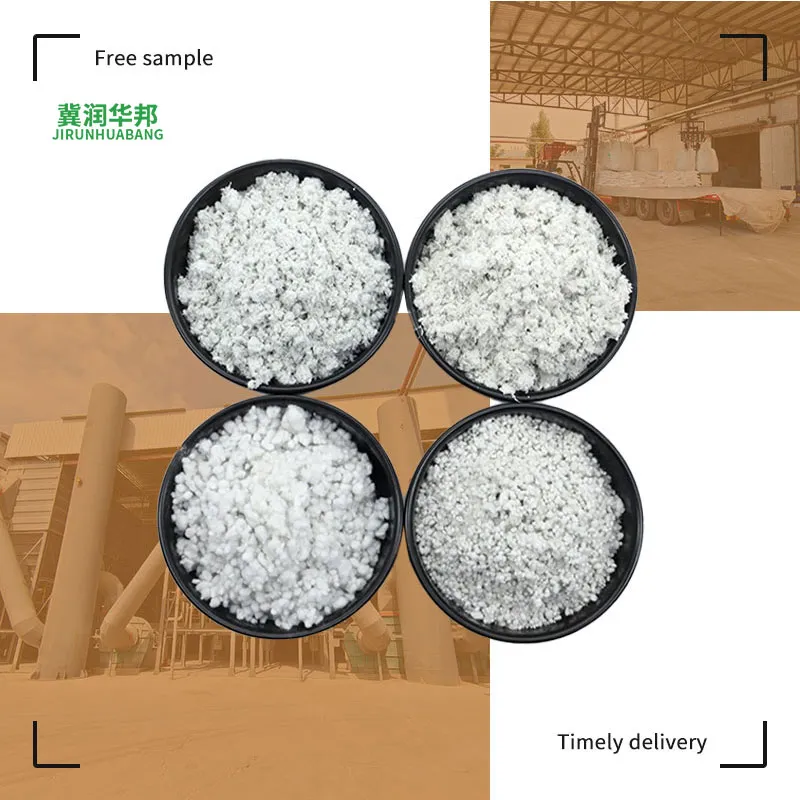
1. Production & Purification Process of High-Purity Sepiolite Fiber
The production of industrial-grade sepiolite fiber starts with high-quality raw ore extraction from premium mineral deposits, followed by a series of rigorous purification and processing steps to ensure consistent product quality. After mining, raw sepiolite ore first undergoes primary crushing and screening to remove surface soil and gangue impurities. This is followed by a specialized fiber separation process, where mechanical carding and air classification are used to separate the fine sepiolite fibers from residual mineral particles, ensuring the fiber length and purity meet strict industrial application requirements.
For high-end applications such as food processing and textile blending, we further apply advanced surface modification technology to optimize the interfacial compatibility of sepiolite fibers with other matrix materials. This treatment not only enhances the dispersion of fibers in rubber, plastic, and textile blends but also further improves its adsorption and thermal resistance performance. Every batch of finished sepiolite fiber products undergoes strict quality testing, including fiber length distribution analysis, chemical composition verification, heavy metal detection, and safety certification testing, to ensure full compliance with international standards such as EU REACH, RoHS, and FDA food-grade requirements.
2. Core Performance Advantages: Why Sepiolite Outperforms Asbestos
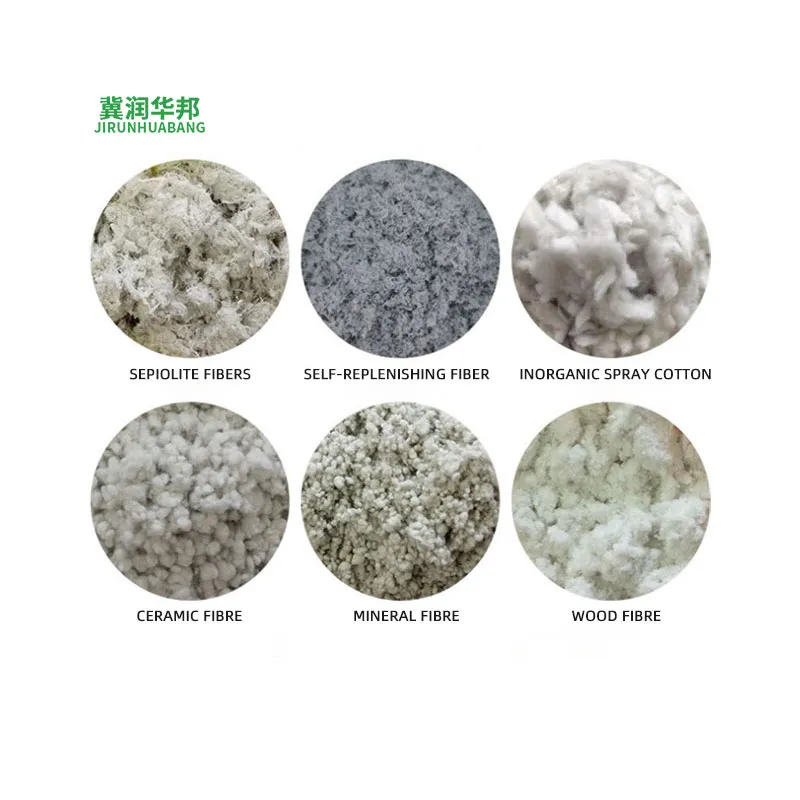
For decades, asbestos was the preferred functional filler in many industries due to its unique fibrous structure and good thermal and mechanical properties. However, its carcinogenicity and severe environmental hazards have led to a global ban, forcing manufacturers to seek viable alternatives. Sepiolite fiber not only eliminates the health risks of asbestos but also surpasses asbestos in many key performance indicators, making it a far superior solution for modern industrial needs.
First, sepiolite fiber has an ultra-large specific surface area of up to 350 m²/g, far exceeding that of asbestos (typically around 15 m²/g) and other common inorganic fillers. This gives it exceptional adsorption capacity for impurities, pigments, and gas molecules, enabling it to deliver far better purification and sound absorption performance. Second, sepiolite has excellent thermal stability, with a melting point of over 1500°C, allowing it to maintain stable physical and chemical properties in high-temperature environments up to 1000°C, which is comparable to asbestos but without the health risks. Third, its unique needle-like fibrous structure can form a stable reinforcing network in composite materials, significantly improving the tensile strength, sealing performance, and structural stability of the final products, while its natural chemical inertness provides outstanding acid and alkali corrosion resistance.
3. Versatile Industrial Applications of Sepiolite Fiber
Leveraging these core advantages, sepiolite fiber has been widely applied in multiple key industrial sectors, solving the pain points of traditional asbestos-based products and driving the green upgrading of the manufacturing industry.
3.1 Reinforcement Filler for High-Performance Rubber Products
In the rubber manufacturing industry, sepiolite fiber has become an irreplaceable functional filler for high-end sealing and corrosion-resistant rubber products. Traditional rubber fillers such as calcium carbonate and talcum powder can only provide basic filling effects, with limited reinforcement performance and poor corrosion resistance, while asbestos-based fillers have been completely banned due to health risks.
Sepiolite fiber solves these challenges perfectly. Its needle-like fibers can form a three-dimensional reinforcing network in the rubber matrix, significantly improving the compactness and interfacial bonding of the rubber material. This enables the final rubber products to achieve exceptional sealing performance, with stable and long-lasting sealing effects even under high pressure and complex working conditions. Meanwhile, the natural chemical stability of sepiolite fiber greatly enhances the acid resistance of rubber products. Compared with traditional rubber products, sepiolite-reinforced rubber can maintain stable performance in strong acid environments with a pH value as low as 2 for more than 3 years, which is 2-3 times the service life of ordinary rubber products. Most importantly, sepiolite fiber is completely non-toxic and pollution-free, fully complying with the EU REACH regulation and global non-asbestos requirements, making it an ideal raw material for export-oriented chemical sealing parts, automotive rubber components, and marine rubber products.
3.2 High-Efficiency Decolorization & Purification Agent for Brewing Industry
In the brewing, beverage, and food processing industries, the clarification and purification of liquid products are core processes that directly determine product quality and shelf life. Traditional filtering media such as asbestos and diatomite have long been used in this field, but they have obvious drawbacks: asbestos is carcinogenic and has been banned, while diatomite has low adsorption efficiency and slow filtration speed.
Sepiolite fiber has emerged as the best alternative solution, with its liquid decolorization and purification efficiency reaching 7 times that of asbestos. This outstanding performance comes from its ultra-large specific surface area and strong adsorption capacity. In the brewing process, sepiolite fiber can quickly and effectively remove harmful impurities such as residual pigments, unstable proteins, polyphenols, and suspended solids in the liquid, without affecting the original flavor and nutritional components of the wine or beverage. For example, in beer production, sepiolite-based filtration can increase the beer's light transmittance by more than 20%, extend its shelf life by 30%, and reduce the risk of turbidity and precipitation during storage and transportation.
In addition, sepiolite fiber is fully compliant with FDA food-grade safety standards, with no harmful residues or heavy metal leaching, ensuring the absolute safety of food products. Compared with traditional diatomite filtration, sepiolite filtration also has a 40% faster filtration speed, which can significantly improve production efficiency and reduce processing costs for brewing enterprises. This has made sepiolite fiber the preferred purification agent for medium and high-end brewing enterprises around the world.
3.3 Core Raw Material for Low-Noise Non-Asbestos Friction Materials
The friction materials industry, which covers automotive brake pads, clutch facings, and industrial friction components, is one of the largest demand markets for sepiolite fiber. For a long time, asbestos was the core filler in friction materials due to its good thermal stability and friction performance, but it has been completely eliminated due to carcinogenic risks. While alternative fillers such as glass fiber and steel fiber have been developed, they have their own limitations: glass fiber will accelerate the wear of the brake disc, steel fiber is prone to rust and cause brake jitter, and carbon fiber is too expensive for large-scale application.
Sepiolite fiber overcomes all these drawbacks. It has excellent elasticity and uniform hardness dispersion, which ensures a stable and consistent friction coefficient during the braking process, without causing excessive wear to the mating parts. Most importantly, its porous microporous structure gives it an outstanding sound absorption rate, which is 1.5 times that of asbestos (the original industry data is often expressed as 150% of asbestos's performance, which is the source of the common description of "150 times" in Chinese market materials). This means that sepiolite-based friction materials can effectively absorb the vibration and noise generated during friction, greatly reducing braking noise and improving the driving comfort, which is a core advantage that meets the high NVH (Noise, Vibration, and Harshness) requirements of the modern automotive industry.
In addition, sepiolite fiber has excellent high-temperature resistance, with a friction coefficient recession rate of only 5% even at a working temperature of 500°C, far lower than the 15% of glass fiber-based friction materials. This ensures stable and reliable braking performance under heavy load and high-speed conditions, greatly improving driving safety. Thanks to these superior performances, sepiolite-based friction products fully meet international standards such as EU ECE R90 and US FMVSS 135, making them a high-value-added raw material for export. At present, China's sepiolite fiber and related friction products have been exported to more than 30 countries and regions, becoming an important source of foreign exchange earnings in the non-metallic mineral products industry.
3.4 Preferred Asbestos Replacement for High-Temperature Textile Industry
In the textile industry, especially the high-temperature functional textile sector, sepiolite fiber has become the top-priority replacement for asbestos. Traditional asbestos-based textiles such as fireproof cloth, sealing gaskets, and high-temperature filter bags have been widely used in industrial high-temperature environments, but their carcinogenicity has forced the industry to carry out a comprehensive upgrade.
Sepiolite fiber has excellent spinnability and blending compatibility, which allows it to be bonded and blended with other textile fibers such as polyester and aramid fiber to produce high-performance functional textiles. The resulting sepiolite-blended textiles have excellent sealing performance and extremely high heat resistance, able to maintain stable performance in high-temperature environments up to 800°C, which is far higher than ordinary organic fiber textiles. This makes them ideal for manufacturing high-temperature filtration fabrics, fireproof curtains, thermal insulation clothing, sealing packings, and other products.
For example, sepiolite-based high-temperature filter bags are widely used in flue gas filtration in cement plants, power plants, and steel plants, with a service life 2 times longer than ordinary filter bags, while effectively capturing fine dust particles. Sealing packings made of sepiolite fiber have replaced traditional asbestos packings in petrochemical and thermal power enterprises, providing reliable sealing performance under high temperature and high pressure conditions, without any health risks to workers.
The performance and safety of sepiolite fiber in the textile industry have been fully verified in international markets for many years, and have also obtained extensive industry recognition in the domestic market, becoming the standard solution for non-asbestos high-temperature textiles.
4. Industry Outlook & Export Opportunities
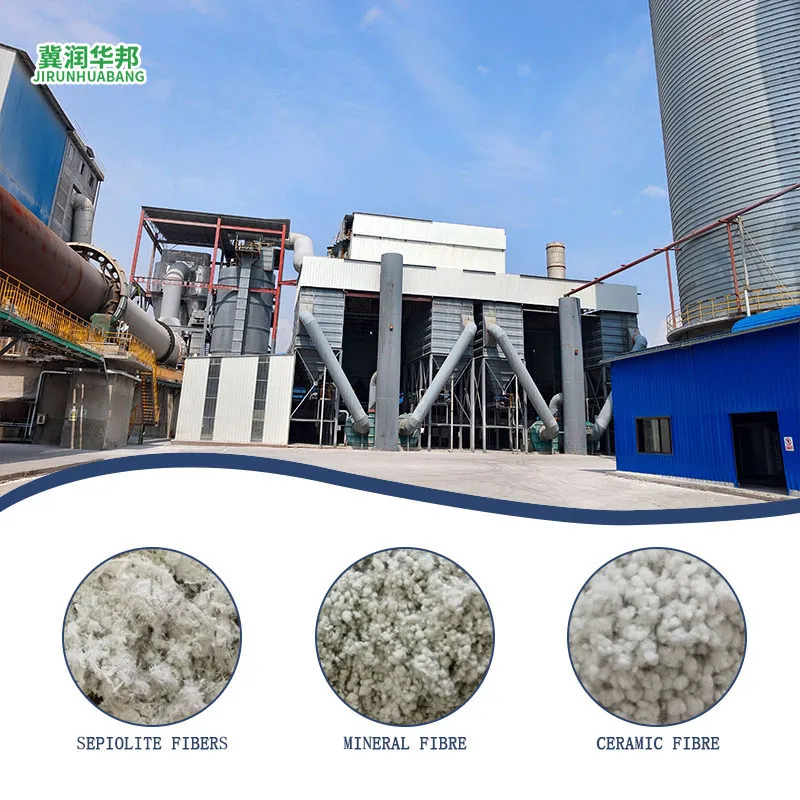
Against the background of global environmental protection upgrading and the comprehensive ban on asbestos, the sepiolite fiber industry is ushering in unprecedented development opportunities. At present, more than 50 countries and regions around the world have issued bans on the use of asbestos, covering almost all developed economies and major emerging markets. This has led to a rapid growth in the global demand for non-asbestos alternative materials, with the market size expected to reach $12 billion by 2027, with a compound annual growth rate of 8.2%.
As a country with rich sepiolite mineral resources, China has obvious advantages in raw material supply and processing technology. Chinese sepiolite fiber products, with their high quality, stable performance, and competitive prices, are highly favored by overseas customers. Especially in the European, American, and Southeast Asian markets, the demand for sepiolite fiber for rubber, friction materials, and food processing is growing rapidly.
In addition, sepiolite fiber also conforms to the global circular economy and low-carbon development trend. As a natural mineral material, it is non-toxic, recyclable, and has a far lower carbon footprint in the production process than synthetic alternative materials. This makes it an ideal raw material for green manufacturing, which will further expand its application scenarios and market space in the future.
Conclusión
From high-performance rubber sealing parts to high-end brewing purification, from low-noise automotive friction materials to high-temperature functional textiles, sepiolite fiber perfectly combines environmental safety, superior performance, and cost advantages, completely replacing asbestos in multiple key industrial fields. It not only helps manufacturers meet strict global environmental and safety regulations but also significantly improves product performance and added value.
As a professional supplier of non-metallic mineral products, we provide high-purity customized sepiolite fiber products that fully comply with international standards, supporting the green upgrading and export business of global manufacturing enterprises. With the continuous advancement of the global non-asbestos process, sepiolite fiber, as a high-value-added export-oriented raw material, will surely play a more important role in the global industrial supply chain.