
Exploring the Versatility of Food Grade Diatomaceous Earth and Its Many Uses
Back to list
Food Grade Diatomaceous Earth: A Comprehensive Guide
Food grade diatomaceous earth (DE) is a naturally occurring, sedimentary rock composed of fossilized remains of diatoms – a type of algae. It’s gaining considerable attention for its versatile applications, ranging from pest control and filtration to animal health and even human consumption. This article will delve into the properties, benefits, uses, and sourcing of food-grade DE, providing a comprehensive overview for individuals and businesses alike. Understanding the nuances of this amazing natural substance is key to harnessing its full potential. Explore our selection of high-quality food grade diatomaceous earth today!
What is Food Grade Diatomaceous Earth?
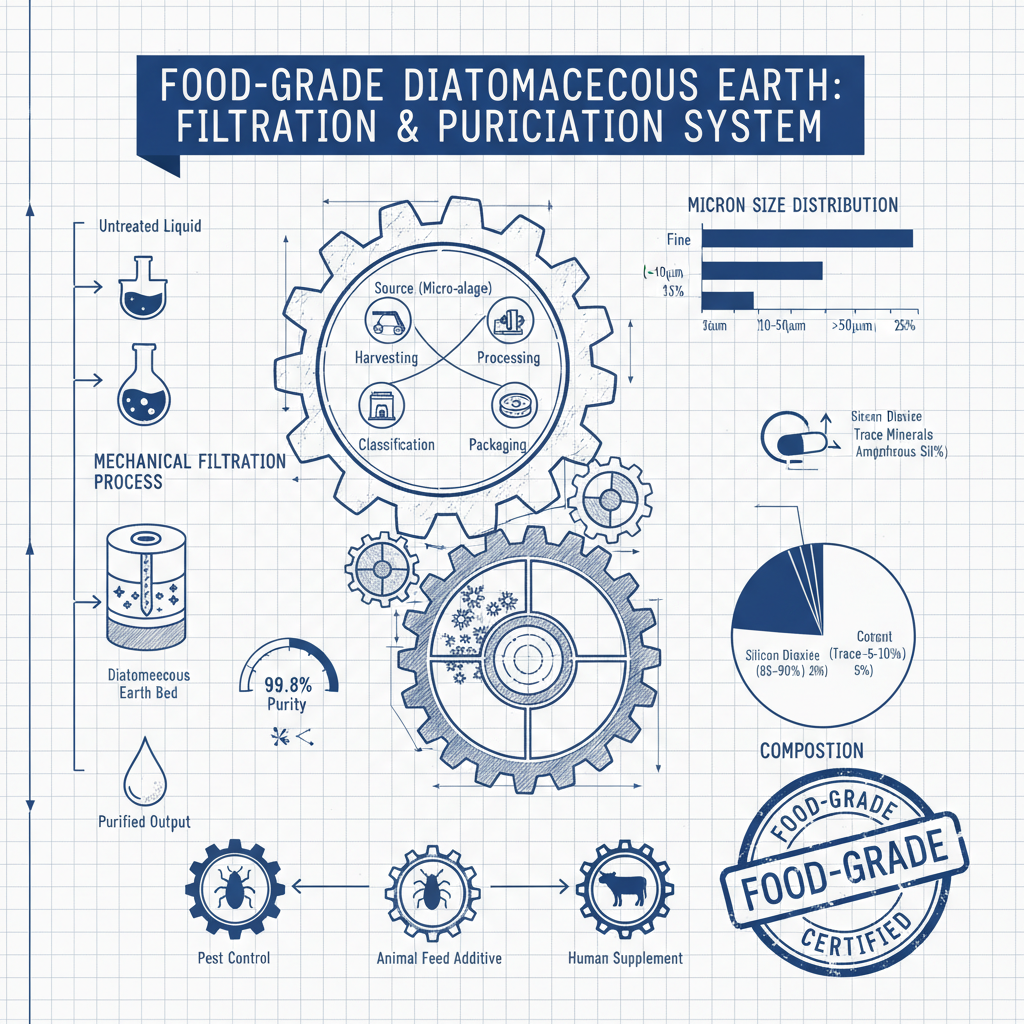
Unlike pool filter DE, food-grade diatomaceous earth undergoes a rigorous purification process to remove impurities and ensure it meets stringent safety standards for human and animal consumption. It's composed of approximately 80-90% silica, with smaller amounts of other minerals. The silica particles are microscopic and have a porous structure, giving DE its unique absorbent and abrasive properties. This specific grade is certified to meet food safety regulations, making it a safe and effective natural solution for numerous applications. It’s important to always verify that the DE you’re purchasing is specifically labeled as “food grade” to ensure its suitability for your intended use.
Key Highlights: Food grade DE is a naturally occurring, sedimentary rock that is safe for human and animal consumption when properly processed. It boasts remarkable absorbent and abrasive qualities due to its microscopic porous structure.
Applications of Food Grade Diatomaceous Earth
The versatility of food-grade DE is remarkable. Here are some common applications:
- Pest Control: DE effectively controls insects by dehydrating them. It’s a natural alternative to chemical pesticides for use in gardens, homes, and pet areas.
- Animal Health: Farmers and pet owners use DE as a natural dewormer for livestock and pets, improving digestive health.
- Filtration: DE's porous structure makes it an excellent filtration medium for beverages like beer, wine, and juice.
- Human Consumption: Some individuals consume DE as a source of silica, believing it supports bone health, skin elasticity, and digestion. (Consult a healthcare professional before doing so).
- Cosmetics: It's used as a mild abrasive in exfoliating scrubs and as an absorbent in facial powders.
Benefits of Using Food Grade DE:
• Natural and Non-Toxic
• Environmentally Friendly
• Versatile Applications
• Cost-Effective
Food Grade Diatomaceous Earth vs. Other Types
It's crucial to differentiate between the various types of diatomaceous earth. While all DE originates from the same source, the processing and intended use determine its suitability. Pool filter DE, for example, is heat-treated, which alters its chemical structure and renders it unsuitable for consumption. Here's a comparison:
Sourcing and Quality Control
When purchasing food grade diatomaceous earth, it's vital to choose a reputable supplier that prioritizes quality control. Look for suppliers who provide certificates of analysis confirming the purity and composition of their product. Ensure the DE meets the requirements set by relevant regulatory bodies. We at Jirunhuabang are committed to providing only the highest quality food-grade DE, sourced responsibly and rigorously tested to ensure safety and efficacy.
Safety Precautions & Storage
While food-grade DE is generally safe, it's important to take certain precautions. Avoid inhaling the dust, as it can cause respiratory irritation. Wear a mask during handling, especially when applying it in large quantities. Store DE in a dry, airtight container to prevent clumping and maintain its effectiveness. Keep it out of reach of children and pets. Proper handling and storage will ensure its continued effectiveness and safety.
Conclusion: Harnessing the Power of Nature
Food grade diatomaceous earth offers a remarkable range of benefits, from natural pest control to improved animal health and even potential human health benefits. By understanding its properties, applications, and sourcing considerations, you can harness its power effectively and safely. Explore our extensive selection of high-quality food grade diatomaceous earth today!
Frequently Asked Questions (FAQs)
Is food grade diatomaceous earth safe for my pets?
Yes, food grade diatomaceous earth is generally considered safe for pets when used as directed. It's commonly used as a natural dewormer and to improve digestive health. However, it's crucial to avoid inhalation, as the dust can irritate their lungs. Always consult with your veterinarian before adding DE to your pet's diet or using it for medicinal purposes. Start with a small dose and gradually increase it as needed, following your vet's recommendations. Be sure to use only food grade DE, as other types can be harmful.
How long does diatomaceous earth remain effective?
The effectiveness of diatomaceous earth depends on several factors, including humidity and application method. In dry conditions, it can remain effective for several months. However, if exposed to moisture, it loses its absorbent properties and needs to be reapplied. For pest control, it's best to reapply after rain or watering plants. Regular inspection of the treated areas will help you determine when reapplication is necessary.
Can I use diatomaceous earth in my garden on edible plants?
Yes, food grade diatomaceous earth is safe to use in your garden on edible plants. It’s an excellent natural pest control solution, protecting your plants from insects like aphids, slugs, and beetles. Sprinkle a thin layer around the base of your plants, focusing on areas where pests are prevalent. Avoid applying it directly to flowers, as it may harm beneficial pollinators. Always wash your produce thoroughly before consumption to remove any residual DE.