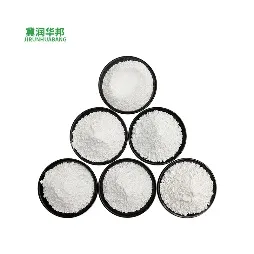
Calcium Carbonate Excellence: Purity, Standards, and Industrial Versatility
Back to list
Calcium carbonate is a foundational material in modern manufacturing, with variants like 98% purity precipitated calcium carbonate, calcium carbonate CAS 1317-65-3, and bulk options driving efficiency across key industries. From coatings to paper production, these products deliver consistent quality, making them indispensable for high-performance applications.
98% Purity Precipitated Calcium Carbonate: Precision in Every Particle
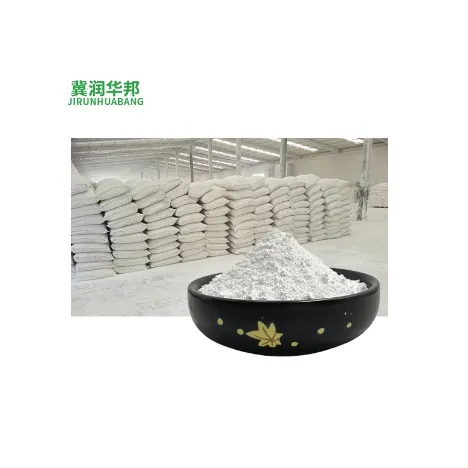
98% purity precipitated calcium carbonate (PCC) is a premium grade crafted through controlled chemical processes, ensuring exceptional purity and uniform particle morphology. This high purity—achieved by minimizing impurities such as heavy metals and clays—makes it ideal for applications demanding strict consistency. In the plastics industry, it reinforces polymer matrices, enhancing impact resistance in products like automotive bumpers while maintaining surface smoothness. In pharmaceuticals, it serves as a safe, inert excipient in tablets, ensuring uniform dissolution and dosage accuracy. Its fine, tailored particle size (often 0.5–5 microns) allows for seamless dispersion in formulations, avoiding agglomeration that could compromise product quality. For example, in high-end adhesives, 98% purity precipitated calcium carbonate improves bond strength and flexibility, outperforming lower-grade alternatives in durability tests. Manufacturers achieve this purity through rigorous purification steps, including pH-controlled precipitation and multi-stage filtration, resulting in a product that sets the standard for reliability in critical applications.
Calcium Carbonate CAS 1317-65-3: A Universal Identifier for Quality
Calcium carbonate CAS 1317-65-3 refers to the chemical’s unique registry number, confirming its identity as CaCO₃ and ensuring consistency across global supply chains. This standardized identifier is vital for industries requiring regulatory compliance, such as food processing, where materials must meet FDA or EU standards for safety. Calcium carbonate CAS 1317-65-3 encompasses both natural (ground) and synthetic (precipitated) forms, each validated for specific uses: natural grades excel in construction fillers, while synthetic variants shine in cosmetics. In water treatment, it neutralizes acidic effluents, adhering to environmental regulations, and in agriculture, it adjusts soil pH to boost crop yields without introducing contaminants. The CAS number simplifies material verification, allowing buyers to cross-reference specifications and ensure compatibility with existing processes, whether in large-scale manufacturing or laboratory research.
H2: Calcium Carbonate Bulk: Powering Large-Scale Production
Calcium carbonate bulk solutions are designed for industries with high-volume needs, offering cost efficiency and uninterrupted supply for continuous production lines. Available in bulk bags (25–1000 kg), railcars, or truckloads, these options cater to sectors like construction, where calcium carbonate strengthens concrete and asphalt, and packaging, where it reduces resin usage in plastic films. Suppliers of calcium carbonate bulk prioritize batch consistency, with strict quality checks for particle size, whiteness, and purity to avoid production disruptions. For instance, a paper mill processing 100 tons of pulp daily might source 50-ton bulk shipments to maintain filler levels, leveraging volume discounts to lower per-unit costs. Bulk packaging also minimizes waste, with reusable containers and optimized logistics reducing carbon footprints. Whether for industrial fillers or agricultural lime, calcium carbonate bulk balances performance and affordability, making it a cornerstone of large-scale operations.
Calcium Carbonate for Coating: Elevating Finish and Durability
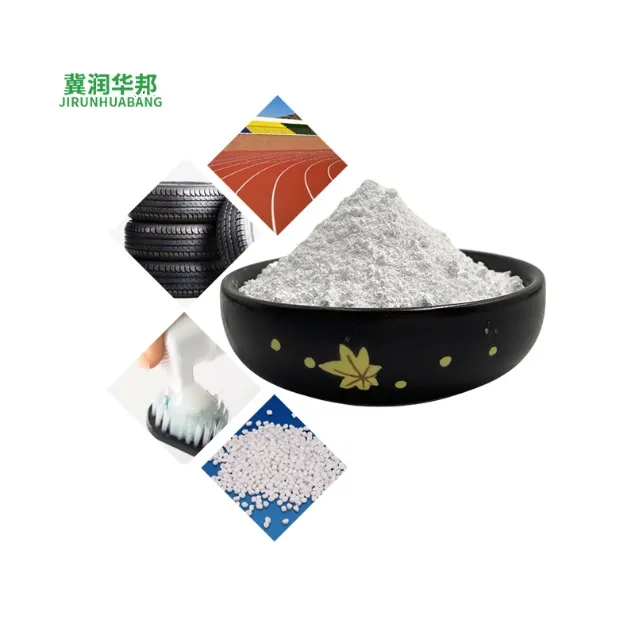
Calcium carbonate for coating is a key ingredient in paints, primers, and industrial coatings, enhancing both aesthetic and functional properties. Its fine particles (typically 1–20 microns) scatter light to improve opacity, reducing the need for expensive titanium dioxide and lowering formulation costs. In architectural paints, it boosts scrub resistance, ensuring walls withstand frequent cleaning, while in automotive coatings, it enhances scratch resistance and gloss retention, keeping finishes vibrant for years. Calcium carbonate for coating also stabilizes viscosity, preventing sagging during application and ensuring uniform coverage on vertical surfaces like walls or metal panels. Its inert nature prevents chemical reactions with binders or pigments, extending shelf life and maintaining color consistency. Whether in water-based emulsions or solvent-based enamels, this grade delivers a cost-effective way to elevate coating performance, making it a staple for formulators worldwide.
Calcium Carbonate for Paper: Enhancing Quality and Sustainability
Calcium carbonate for paper is a game-changer in the pulp and paper industry, serving dual roles as a filler and coating agent to improve quality and reduce environmental impact. As a filler, it is mixed into pulp to increase paper bulk and opacity, allowing mills to use less wood fiber—a critical sustainability win. In printing papers, this enhances ink holdout, ensuring sharp text and vivid images in magazines and catalogs. As a coating, calcium carbonate for paper creates a smooth, porous surface that absorbs ink evenly, reducing smudging and improving print clarity. It also boosts brightness, making paper suitable for high-end applications like glossy brochures. For recycled paper, it mitigates the effects of fiber degradation, restoring strength and printability. By reducing fiber usage and improving recyclability, calcium carbonate for paper aligns with the industry’s shift toward eco-friendly practices, proving that performance and sustainability can go hand in hand.
Calcium Carbonate FAQs
How does 98% purity precipitated calcium carbonate differ from natural calcium carbonate?
98% purity precipitated calcium carbonate is synthetic, with controlled particle size and shape, ensuring superior dispersion in formulations. Natural calcium carbonate, ground from limestone, has broader particle size ranges and lower purity, making it better for bulk fillers. PCC’s purity and uniformity make it ideal for high-precision applications like pharmaceuticals and cosmetics.
Why is the CAS number 1317-65-3 important when sourcing calcium carbonate?
Calcium carbonate CAS 1317-65-3 provides a universal identifier, confirming the chemical’s composition and ensuring regulatory compliance. It allows buyers to verify material specs, cross-reference safety data sheets, and ensure compatibility with existing processes, critical for industries like food and pharmaceuticals where material consistency is legally required.
What benefits does calcium carbonate bulk offer to large manufacturers?
Calcium carbonate bulk reduces per-unit costs through volume discounts and minimizes packaging waste. It ensures steady supply for continuous production lines, reducing downtime from material shortages. Bulk shipments also simplify logistics, with suppliers offering flexible delivery schedules to align with manufacturing needs.
How does calcium carbonate enhance coating performance?
Calcium carbonate for coating improves opacity by scattering light, reduces pigment usage, and enhances durability through scratch and chemical resistance. Its fine particles create a smooth finish, ensuring uniform coverage and adhesion, while its inert nature stabilizes formulations, extending shelf life.
Why is calcium carbonate for paper considered sustainable?
Calcium carbonate for paper reduces wood fiber usage, lowering deforestation impacts. It enhances recyclability by restoring strength to recycled pulp and reduces energy consumption during drying, as filled paper retains less water. These factors make it a key tool in the industry’s sustainability efforts.
By leveraging the unique strengths of 98% purity precipitated calcium carbonate, calcium carbonate CAS 1317-65-3, and bulk options, industries can achieve higher performance, lower costs, and greater sustainability in their manufacturing processes.