
Iron Oxide Pigment: The Stable & Eco
Friendly Inorganic Color Solution
Back to list
Iron Oxide Pigment: The Stable & Eco-Friendly Inorganic Color Solution
Iron oxide pigment is a widely used inorganic coloring agent mainly composed of iron oxides (Fe₂O₃, Fe₃O₄). It is praised for outstanding light fastness, weather resistance, chemical stability, and nontoxicity, serving as a core material in construction, coatings, plastics, and many industrial sectors.
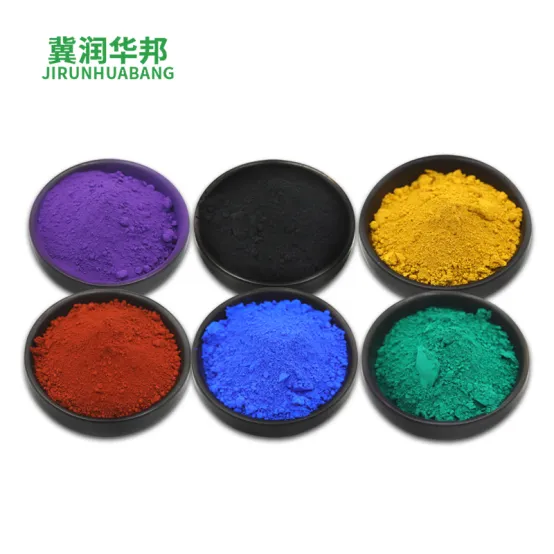
1. Classification & Production: Natural vs. Synthetic
Natural Iron Oxide Pigments
Derived from natural mineral ores like hematite, limonite, and magnetite, they are made via physical processes such as grinding, purification, and screening. They feature authentic earth tones and good stability, suitable for general building materials and art coatings.
Synthetic Iron Oxide Pigments
Produced through chemical reactions (e.g., wet precipitation, calcination) using iron raw materials and oxidants. This method enables precise control of particle size and hue, offering a wide color range including red, yellow, black, and brown. Synthetic products have uniform particles, strong tinting strength, and excellent dispersibility, dominating high-end applications.
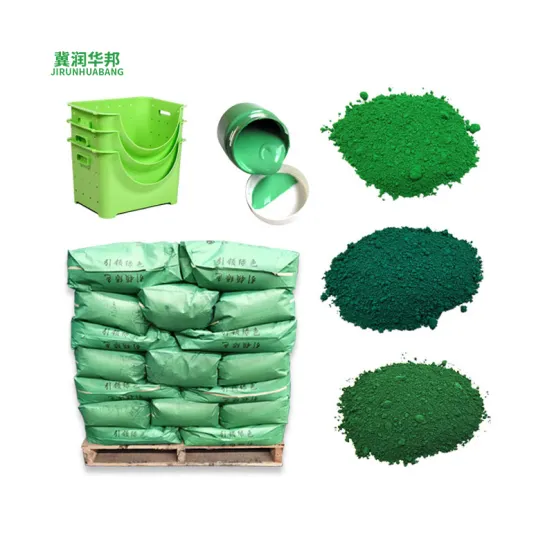
2. Core Performance Advantages
- Excellent weather & UV resistance: Maintains color stability outdoors for 10–15 years, resisting fading from sunlight, rain, and temperature changes.
- Strong chemical stability: Inert to acids, alkalis, and solvents, compatible with cement, coatings, and plastic matrices.
- High tinting strength & coverage: Achieves full color with low dosage, reducing material costs significantly.
- Safe & eco-friendly: Non-toxic, free of heavy metals, compliant with FDA, REACH, and other certifications, safe for food contact and daily-use products.
- Cost-effective: Abundant raw materials and mature processes bring a clear edge in bulk applications.
3. Cross-Industry Applications
Construction Materials
Used in colored concrete, bricks, tiles, and asphalt, providing long-lasting color for roads, plazas, and buildings without fading or bleeding.
Coatings
Widely applied in architectural exterior coatings, automotive paints, marine anticorrosive coatings, and powder coatings. It enhances durability, UV resistance, and hiding power.
Plastics & Rubber
Colors plastic parts, cables, and rubber products, improving aging resistance and color consistency for automotive and daily-use goods.
Paper, Inks & Ceramics
Delivers stable, mild hues for printing inks, packaging paper, and ceramic glazes, with good compatibility and dispersibility.
Special Fields
Used in cosmetics, magnetic materials, and polishing agents, leveraging its safety, stability, and functional properties.
4. How to Select High-Quality Iron Oxide Pigments
- Reinheit: High purity (≥90%) ensures vivid and consistent color performance.
- Particle size distribution: Uniform particles improve dispersion and surface smoothness.
- Surface treatment: Modified grades boost compatibility in plastics, waterborne coatings, etc.
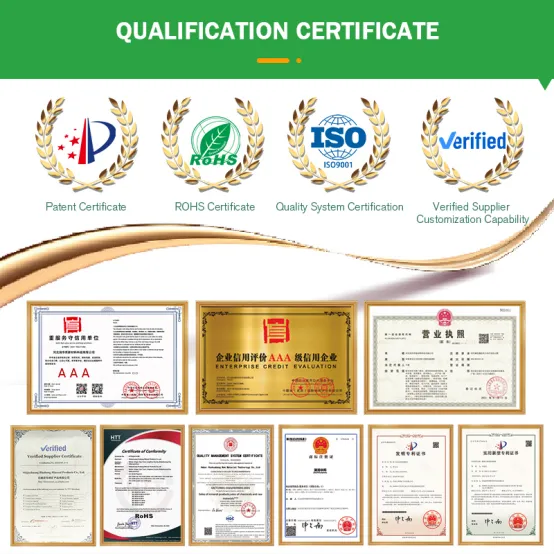
- Certifications: Look for REACH, FDA, ISO to meet safety and environmental requirements.
5. Conclusion
Iron oxide pigment balances natural color, industrial stability, and eco-safety. It outperforms many organic pigments in durability and cost efficiency, becoming an irreplaceable coloring solution for modern industry and construction. Reliable manufacturers strictly control quality to support stable, customized color solutions worldwide.