
Over decades of technological progress and industrial growth, sợi polypropylene has gone from a basic auxiliary material to a diverse, high-performance new material. Its production methods have moved from simple spinning to smart, precise, and customizable manufacturing. Today’s product range includes staple fibers, continuous filaments, functional modified fibers, and composites. As materials science and industrial tech keep advancing, polypropylene fiber is breaking out of its old limits and heading toward higher strength, more functions, intelligence, and blending with other materials. The future looks bright.
The basic way to make polypropylene fiber is efficient and well-established. It involves melting raw material, extruding and spinning, cooling and drawing, winding, cutting, and post-treatment. Modern production lines use fully automated smart equipment, delivering high efficiency and consistent quality. First, high-purity polypropylene resin pellets are melted into a uniform liquid using high-temperature extruders. The melt is then pushed through precise spinneret holes to form fine filaments. Cold air rapidly cools and solidifies them, after which they’re stretched and oriented to align molecules and boost strength and toughness. Finally, the fibers are wound, cut, and surface-treated to create finished products in various sizes. The whole process is highly automated, requires little human intervention, and produces stable batch quality—this is what makes large-scale industrial use possible.
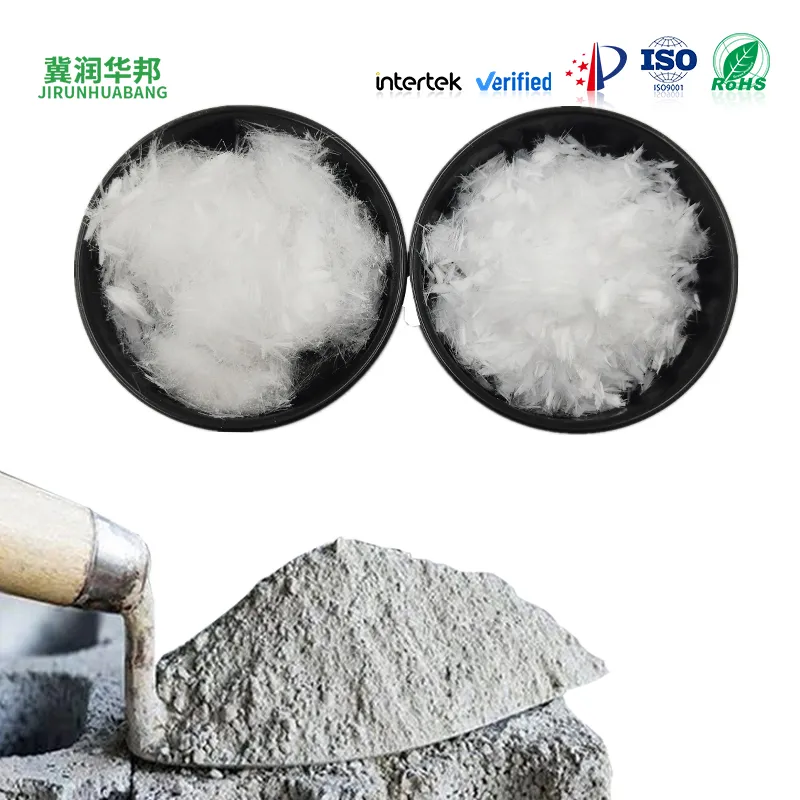
Based on shape and intended use, polypropylene fiber mainly splits into staple fiber and continuous filament, each with clear job roles. PP staple fiber comes in lengths of 3 to 60 mm, making it easy to mix evenly into concrete, mortar, or textile blends. It’s the main reinforcement for construction and the primary raw material for blended fabrics and non-wovens. It disperses uniformly, bonds well, and is simple to work with, so it’s widely used in civil engineering and everyday textiles. PP continuous filament is an endless fiber with higher tensile strength, better integrity, and more stable mechanical properties. It’s used to weave high-strength geotextiles, industrial filter cloths, safety fabrics, and high-performance ropes—applications that demand strength and durability.
As industrial needs grow, functional modified polypropylene fiber has become the main focus of development. Regular PP fiber has limited performance, making it hard to meet the special demands of extreme environments or high-end industries. Using physical blending, chemical modification, and surface treatments, researchers have created many functional fibers, including UV-resistant, flame-retardant, antibacterial, high-temperature-resistant, and conductive PP fibers. UV-resistant modified fiber resists sunlight damage, stopping outdoor products from aging and cracking, which greatly extends the life of outdoor engineering materials and textiles. Flame-retardant fiber prevents burning and slows flame spread, making it suitable for indoor decoration, car interiors, and protective clothing. Antibacterial fiber stops bacteria and mold from growing, so it’s widely used in medical hygiene products and home textiles.
High-strength, high-modulus polypropylene fiber is a major breakthrough in advanced material development. By optimizing the spinning and drawing process and molecular orientation technology, researchers have greatly boosted PP fiber’s tensile strength to match high-performance industrial fibers. This ultra-strong PP fiber offers exceptional resistance to pulling and impacts. It can be made into high-strength geogrids, safety nets, and advanced composite reinforcements for aerospace components, transport equipment, and top-tier infrastructure projects, breaking the monopoly of premium synthetics in high-end industrial fields.
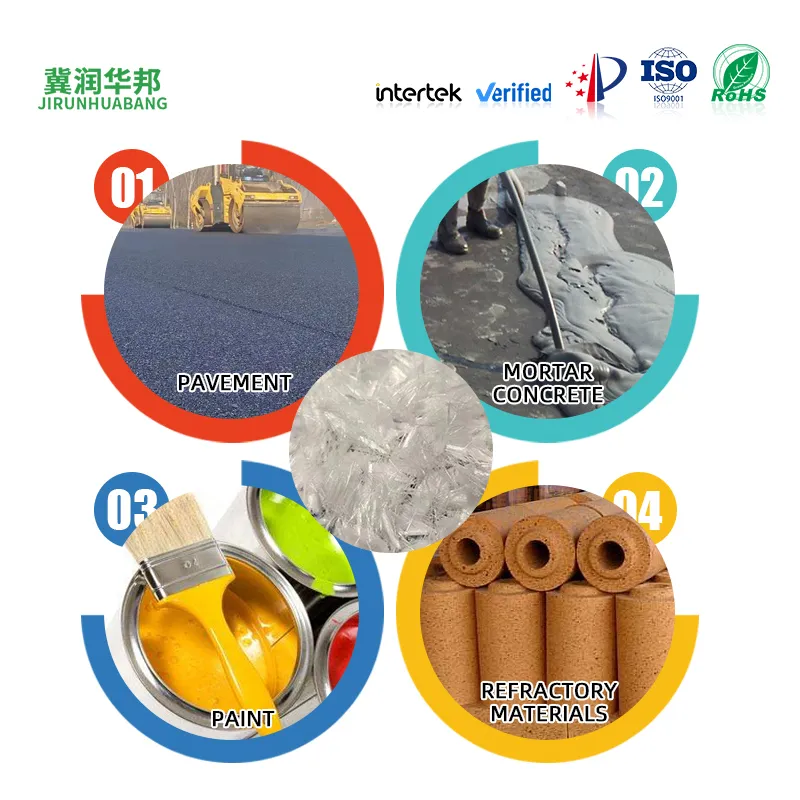
Today, the global polypropylene fiber industry is seeing three big trends: smart production, functional customization, and green circularity. On the production side, old manual and semi-automatic lines are being replaced by smart digital systems. With precise parameter control and online quality monitoring, product consistency and pass rates have improved dramatically. Manufacturers can also offer personalized custom products with different specs and functions based on customer needs. In product development, single-performance conventional fibers are turning into multi-functional composites that combine antibacterial, flame-retardant, anti-aging, and high-strength properties. This meets the complex, varied needs of high-end manufacturing, new energy, environmental protection, and biomedicine.
Green circular development is the core future trend. Major producers are actively pushing for waste PP fiber recycling and reuse, building closed-loop “production-use-recycling-reprocessing” chains. At the same time, low-energy production methods are spreading, cutting energy use and carbon emissions. Biodegradable PP fiber technology is also maturing, which will completely solve the environmental problem of waste fiber buildup and further boost PP fiber’s green competitiveness.
Looking at market prospects, demand for polypropylene fiber will keep growing steadily, driven by infrastructure, environmental cleanup, new energy vehicles, and green textiles. As high-performance modification technologies continue to break through, PP fiber will move into high-end fields like new energy battery materials, biomedical carriers, and advanced composites. It’s gradually shifting from a low-cost universal material to a high-value, high-performance new material. In the future, with its mature technology, excellent properties, and green advantages, polypropylene fiber will maintain a strong position in the global synthetic fiber market and keep empowering quality development across industries.