
Runhuabang Sepiolite Fiber: Adsorbing Decolorizer & Insulation Materials
Back to list
1. Industry Trends in Advanced Adsorption and Thermal Insulation Materials
The global industrial landscape is increasingly prioritizing sustainability, efficiency, and safety. This drives a significant demand for advanced materials capable of addressing complex challenges in diverse sectors. One such innovation at the forefront is the Runhuabang Sepiolite fiber adsorption decolorizing agent thermal insulation materials for sepiolite powder wood fiber. This innovative composite represents a confluence of several critical industry trends: the need for superior thermal management, enhanced environmental remediation capabilities, and the integration of sustainable, naturally derived components. Market analysis indicates a Compound Annual Growth Rate (CAGR) of 6.5% for the global thermal insulation materials market from 2023 to 2030, largely driven by energy efficiency mandates and industrial expansion. Similarly, the demand for advanced adsorption agents in wastewater treatment is projected to grow by 7.2% annually, underscoring the dual utility of such materials.
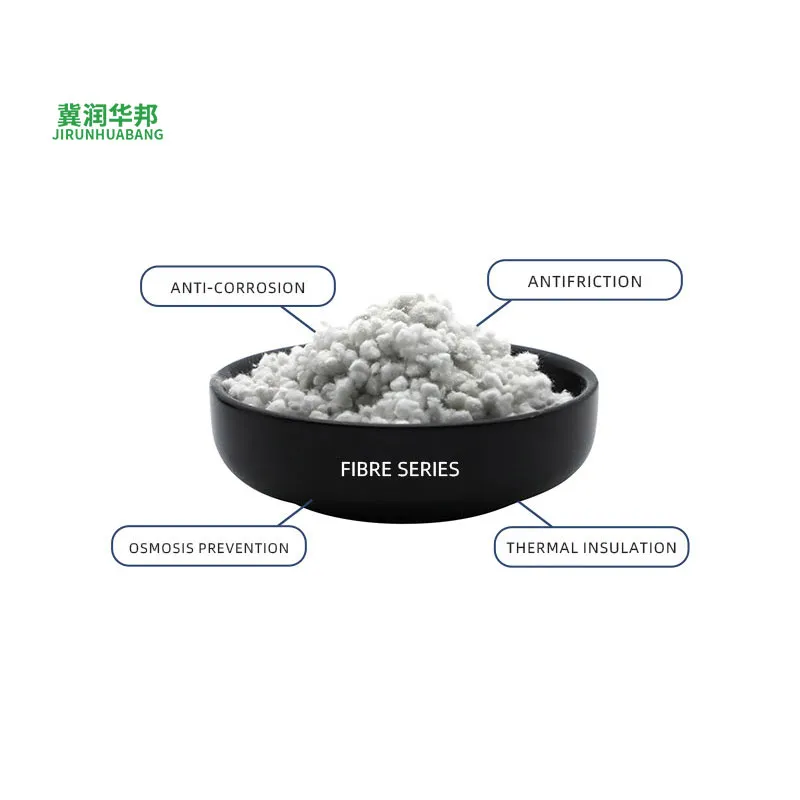
Key drivers include stringent environmental regulations requiring effective effluent treatment, particularly for color removal and heavy metal adsorption, and the continuous pursuit of energy savings in high-temperature industrial processes. Companies are actively seeking multi-functional materials that offer a comprehensive solution, reducing operational complexities and capital expenditure. The integration of sepiolite, a natural fibrous clay mineral renowned for its high porosity and surface area, with wood fibers, a renewable resource, signifies a paradigm shift towards eco-friendly yet high-performance engineering solutions. This blend not only capitalizes on the intrinsic properties of each component but also addresses the pressing need for materials with reduced environmental footprints throughout their lifecycle.
Current Industry Dynamics and Future Outlook
Current industry dynamics are characterized by an increasing emphasis on circular economy principles and resource efficiency. Materials such as Runhuabang Sepiolite fiber adsorption decolorizing agent thermal insulation materials for sepiolite powder wood fiber are positioned to meet these demands by offering superior performance that extends product lifespans and reduces energy consumption. The drive for miniaturization in electronics, lightweighting in transportation, and enhanced purity in chemical processing all contribute to the expanding application scope for such advanced composites. Furthermore, advancements in material science are enabling greater control over the physical and chemical properties of these composite materials, paving the way for highly customized solutions tailored to specific industrial requirements, from extreme temperature resistance to highly selective adsorption capabilities. The future outlook points towards continued innovation in bio-inspired and mineral-based composites, with a strong focus on scalability and cost-effectiveness for widespread industrial adoption.
2. Detailed Manufacturing Process of Runhuabang Sepiolite Fiber Materials
The manufacturing of Runhuabang Sepiolite fiber adsorption decolorizing agent thermal insulation materials for sepiolite powder wood fiber involves a meticulously controlled, multi-stage process designed to optimize the synergy between its constituent components. This approach ensures maximum performance in both thermal insulation and adsorption capabilities, critical for B2B applications where reliability is paramount. The process leverages advanced material science and precision engineering to produce a consistent, high-quality product.
Process Flow Diagram (Conceptual Steps)
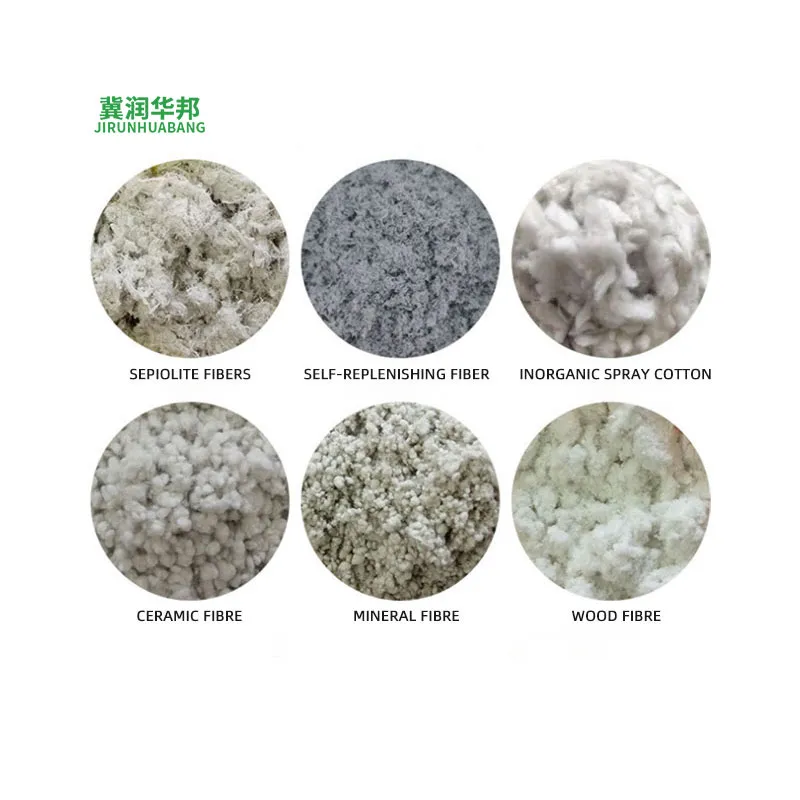
- Raw Material Sourcing & Pre-treatment: High-grade sepiolite ore is sourced and subjected to initial crushing, grinding, and beneficiation to isolate pure sepiolite powder. Wood fibers, typically from sustainably managed forests, undergo mechanical pulping and purification to remove impurities and control fiber length distribution.
- Sepiolite Fiber Activation & Dispersion: The sepiolite powder is activated through a proprietary thermal or chemical treatment to enhance its surface area and adsorption sites. It is then carefully dispersed in an aqueous medium to ensure homogeneous particle distribution, critical for subsequent mixing.
- Wood Fiber Preparation & Blending: Prepared wood fibers are introduced into the sepiolite dispersion. Advanced mechanical blending techniques ensure uniform distribution of wood fibers throughout the sepiolite matrix, forming a synergistic composite. The ratio of sepiolite to wood fiber is precisely controlled to achieve desired mechanical strength and thermal properties.
- Adsorption Agent Integration: Specialized decolorizing and adsorption enhancers are incorporated into the mixture. These agents, often proprietary inorganic or organic compounds, are designed to bind effectively with dyes, heavy metals, and other pollutants, significantly boosting the material's environmental remediation capabilities.
- Forming & Curing: The blended slurry is then formed into desired shapes (e.g., boards, felts, granules) using casting or pressing techniques. This forming stage is critical for dictating the final product's density and pore structure. The formed material undergoes a controlled curing process to set its physical structure and enhance mechanical integrity.
- Thermal Treatment & Finishing: A high-temperature thermal treatment is applied to further solidify the material, remove residual moisture, and optimize its thermal insulation properties. This step also ensures the stability of the adsorption agents. Final finishing processes, such as cutting, grinding, or surface treatment, are applied to meet specific product dimensions and quality standards.
- Quality Control & Testing: Throughout the entire manufacturing process, rigorous quality control checks are performed. This includes testing raw material purity, monitoring blend consistency, and final product performance verification against established standards (e.g., ISO 9001 for quality management, ASTM C167 for density, ASTM C518 for thermal conductivity, internal protocols for decolorization efficiency).
Key Manufacturing Standards and Service Life
Runhuabang adheres to international manufacturing standards, including ISO 9001 for quality management systems, ensuring consistent product quality. Our materials are subjected to rigorous testing adhering to ASTM (American Society for Testing and Materials) and ANSI (American National Standards Institute) protocols, verifying structural integrity, thermal performance, and adsorption capabilities. For instance, thermal conductivity is assessed per ASTM C518, while fire resistance typically conforms to ASTM E84. The target industries for this product include petrochemical, metallurgy, water supply & drainage, construction, and power generation. In typical application scenarios, such as insulating industrial furnaces or treating wastewater, our materials demonstrate significant advantages. For example, in high-temperature applications, they offer superior energy saving by reducing heat loss by up to 30% compared to traditional insulation, leading to substantial operational cost reductions. In water treatment, the decolorizing agent exhibits remarkable corrosion resistance against various chemical effluents and achieves decolorization rates exceeding 90% for specific industrial dyes, significantly improving effluent quality and compliance. The estimated service life for these materials, under standard operating conditions and proper installation, ranges from 10 to 20 years, depending on the specific application and exposure intensity, demonstrating long-term reliability and excellent return on investment.
3. Technical Specifications and Performance Parameters
The performance of Runhuabang Sepiolite fiber adsorption decolorizing agent thermal insulation materials for sepiolite powder wood fiber is defined by a robust set of technical specifications derived from extensive research, development, and stringent testing. These parameters are crucial for engineers and procurement specialists to evaluate the material's suitability for specific industrial applications. Our materials are engineered to deliver a synergistic blend of excellent thermal insulation and high-efficiency adsorption.
Product Specification Table: Runhuabang Sepiolite Fiber Composite
| Parameter | Specification (Typical) | Test Standard |
|---|---|---|
| Material Composition | High-purity Sepiolite Fibers, Treated Wood Fibers, Proprietary Adsorption Enhancers | Internal QA Protocol, FTIR Analysis |
| Bulk Density | 150 - 250 kg/m³ (variable by product form) | ASTM C167 / ISO 1183 |
| Thermal Conductivity (λ) | 0.035 - 0.045 W/(m·K) at 25°C | ASTM C518 / ISO 8301 |
| Max Continuous Operating Temperature | Up to 1000°C | ASTM C411 |
| Adsorption Capacity (Decolorizing) | 90-98% reduction for typical industrial dyes (e.g., Reactive Red 120) | Spectrophotometric Analysis, ISO 105 B02 (modified) |
| Surface Area (BET) | 150 - 250 m²/g | ISO 9277 |
| Compressive Strength | 0.1 - 0.5 MPa (at 10% deformation) | ASTM C203 / ISO 844 |
| Moisture Absorption (24h) | ASTM C1763 | |
| Fire Rating | Non-combustible (Class A1) | EN 13501-1 / ASTM E84 |
Compliance and Certifications
Our dedication to quality and environmental responsibility is reflected in our adherence to global standards. The Runhuabang Sepiolite fiber adsorption decolorizing agent thermal insulation materials for sepiolite powder wood fiber production facilities are ISO 9001 certified, guaranteeing a consistent and quality-controlled manufacturing process. Furthermore, our products undergo regular third-party testing to comply with relevant industry-specific standards, and are designed to meet or exceed performance benchmarks set by organizations like ASTM International and the European Committee for Standardization (CEN). These certifications and compliance initiatives provide our B2B clients with the assurance of a reliable and high-performance material solution, supported by verifiable data and established industry credentials.
4. Application Scenarios and Technical Advantages
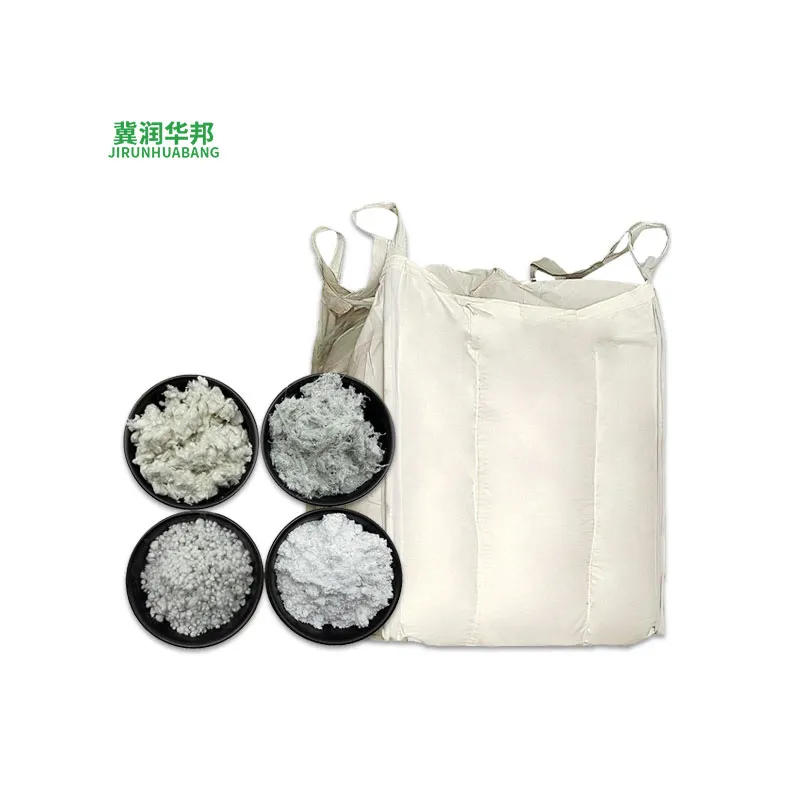
The unique combination of advanced thermal insulation and superior adsorption capabilities positions the Runhuabang Sepiolite fiber adsorption decolorizing agent thermal insulation materials for sepiolite powder wood fiber as a versatile solution across a multitude of industrial applications. Its multi-functional nature addresses critical operational challenges, leading to significant efficiencies and compliance benefits.
Target Industries and Use Cases
- Petrochemical Industry: Used for insulating high-temperature pipelines, reactors, and storage tanks to minimize heat loss and prevent condensation. Simultaneously, it serves as an effective adsorbent for decolorizing process effluents containing organic dyes and oil residues before discharge or further treatment.
- Metallurgy and Foundries: Critical for lining industrial furnaces, kilns, and ladle covers where extreme temperatures necessitate robust and long-lasting insulation. Its high thermal stability contributes to energy efficiency and worker safety.
- Water Treatment and Environmental Engineering: Employed as a filter medium or a component in advanced oxidation processes for the removal of dissolved organic compounds, heavy metal ions, and particularly recalcitrant dyes from industrial wastewater, achieving high levels of purification.
- Building and Construction: Applied in commercial and industrial buildings for fire protection, sound insulation, and thermal envelope enhancement, contributing to energy-efficient structures and compliance with stringent building codes.
- Power Generation: Utilized in thermal power plants for insulating boilers, turbines, and steam lines to optimize heat retention and operational efficiency, thereby reducing fuel consumption and emissions.
Demonstrated Advantages in Typical Application Scenarios
- Superior Thermal Insulation: With a remarkably low thermal conductivity, our materials drastically reduce heat transfer, leading to substantial energy savings (e.g., 20-30% reduction in heating costs for industrial ovens) and process temperature stability.
- High Adsorption Efficiency: The inherent porosity and tailored surface chemistry of the sepiolite and integrated agents provide exceptional adsorption capacity for a wide range of organic pollutants and colored compounds, achieving >90% decolorization rates in many wastewater applications.
- Enhanced Durability and Chemical Resistance: Engineered to withstand harsh industrial environments, including high temperatures and exposure to various chemicals, ensuring a longer service life and reduced maintenance frequency. This includes robust resistance to common industrial acids and bases.
- Eco-Friendly and Sustainable: Utilizing natural sepiolite and renewable wood fibers minimizes environmental impact. The material is non-toxic and contributes to sustainable industrial practices, aligning with global environmental objectives.
- Versatile Application: Available in various forms (e.g., rigid boards, flexible felts, granular powders), allowing for adaptability to different installation requirements and specific process configurations, from large-scale industrial insulation to specialized filtration systems.
5. Vendor Comparison and Runhuabang's Competitive Edge
In a competitive market filled with various thermal insulation and adsorption solutions, understanding the distinct advantages of Runhuabang Sepiolite fiber adsorption decolorizing agent thermal insulation materials for sepiolite powder wood fiber is crucial. While several materials offer isolated benefits, our composite material provides a unique combination of performance, sustainability, and versatility that sets it apart.
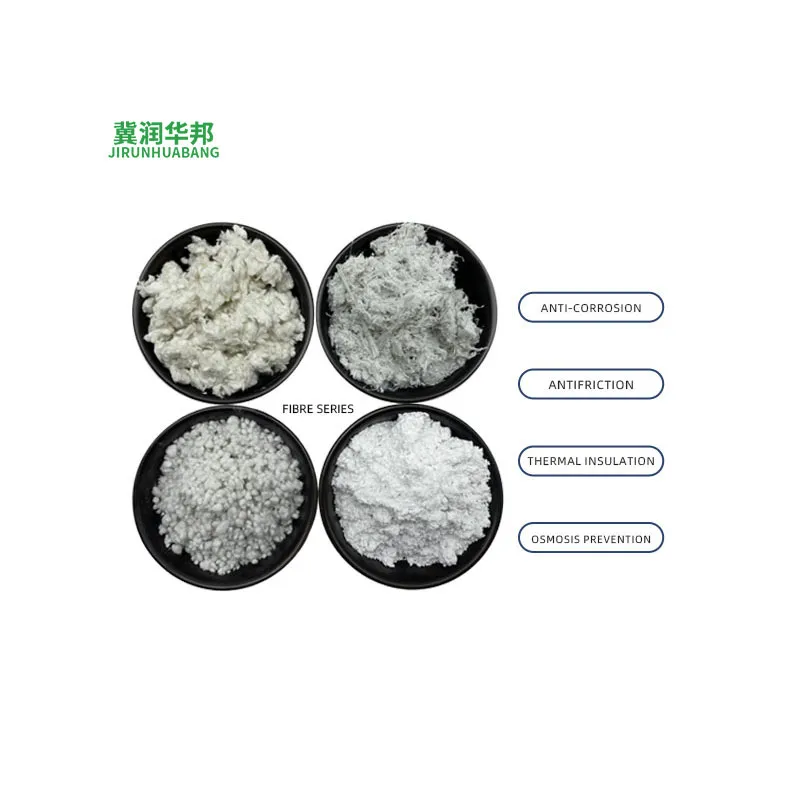
Competitive Landscape Analysis: Runhuabang vs. Alternatives
| Feature/Vendor | Runhuabang (This Product) | Competitor A (Pure Mineral Fiber Insulation) | Competitor B (Activated Carbon Adsorbent) |
|---|---|---|---|
| Primary Function | Thermal Insulation & Decolorizing Adsorption | Mainly Thermal Insulation | Mainly Adsorption |
| Thermal Conductivity (W/m·K @ 25°C) | 0.035 - 0.045 | 0.040 - 0.055 | Not Applicable (No Insulation) |
| Decolorization Rate (Typical) | 90 - 98% | Negligible | 85 - 99% (variable by type) |
| Max Operating Temperature (°C) | Up to 1000 | Up to 800 - 1200 (type dependent) | Up to 150 - 200 (for adsorption) |
| Eco-Friendliness/Sustainability | High (Natural sepiolite, renewable wood fiber) | Moderate (Energy intensive production) | Moderate (Carbon footprint of activation) |
| Customization Options | Extensive (Composition, form factor) | Limited (Standard forms) | Moderate (Particle size, pore structure) |
| Cost-Effectiveness (Life Cycle) | High (Dual functionality, long life, energy savings) | Moderate (Single function) | Moderate (Requires replacement/regeneration) |
Runhuabang's Unique Value Proposition
Runhuabang distinguishes itself by offering a truly integrated solution. Unlike single-function materials that require separate systems for thermal management and wastewater treatment, our sepiolite-wood fiber composite provides both in one, streamlining procurement, installation, and operational management for our clients. The synergy between sepiolite’s natural porosity and the structural integrity provided by wood fibers creates a material with exceptional mechanical strength and a broad operating temperature range, often surpassing that of many organic-based adsorbents. Our materials are also inherently more stable than many synthetic polymers or simple activated carbon variants, particularly in high-temperature environments. This dual capability translates into reduced capital expenditure, lower operating costs through energy efficiency and simplified treatment processes, and a smaller environmental footprint. Our commitment to continuous R&D ensures that our products evolve to meet the most demanding industrial specifications, backed by years of expertise in advanced material science and customer-centric service.
6. Customized Solutions and Application Case Studies
At Runhuabang, we understand that industrial challenges are rarely one-size-fits-all. Our expertise extends beyond providing standard products; we specialize in developing customized solutions utilizing Runhuabang Sepiolite fiber adsorption decolorizing agent thermal insulation materials for sepiolite powder wood fiber to meet specific client requirements. Our team of material scientists and engineers collaborates closely with B2B partners to design, test, and implement tailored applications that optimize performance and cost-effectiveness.
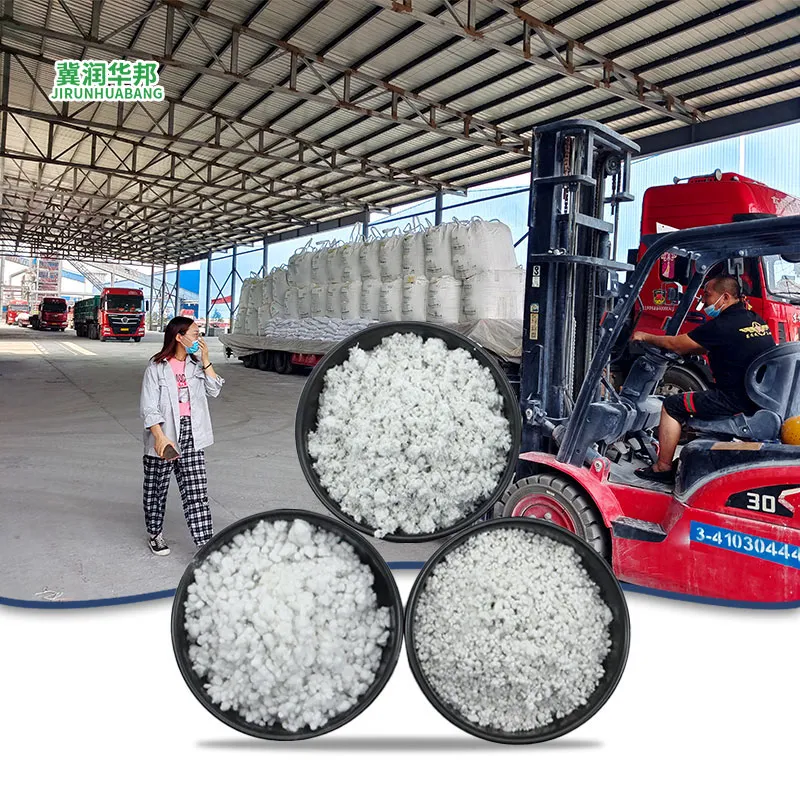
Tailored Solutions for Unique Industrial Needs
Our customization capabilities include varying the sepiolite-to-wood fiber ratio to adjust mechanical strength and thermal properties, incorporating specific chemical functionalizations to enhance selective adsorption for particular pollutants, and fabricating the material into diverse forms such as custom-sized boards, pre-formed pipe sections, or granular media for specific filtration systems. We conduct thorough feasibility studies, pilot testing, and simulation modeling to ensure the customized solution integrates seamlessly with existing infrastructure and achieves desired outcomes. This bespoke approach ensures that clients receive a material perfectly optimized for their unique operating conditions and performance targets, from extreme pH environments to varying flow rates in wastewater streams.
Case Study 1: Petrochemical Effluent Decolorization
A major petrochemical complex faced significant challenges in treating highly colored wastewater containing complex organic dyes from its catalyst production unit. Traditional activated carbon systems were proving inadequate due to rapid saturation and high regeneration costs. Runhuabang collaborated to implement a custom filtration bed utilizing granular Runhuabang Sepiolite fiber adsorption decolorizing agent thermal insulation materials for sepiolite powder wood fiber. The tailored material exhibited superior dye removal efficiency, achieving a consistent 95% reduction in Chemical Oxygen Demand (COD) and 98% decolorization, significantly exceeding the client's environmental discharge limits. The extended service life of the adsorbent, combined with its resistance to the complex chemical matrix, resulted in a 35% reduction in operational costs related to effluent treatment and compliance fines.
Case Study 2: High-Temperature Furnace Insulation in Metallurgy
A leading steel manufacturer sought to improve energy efficiency and reduce heat loss in their continuous annealing furnaces, which operate at temperatures up to 950°C. Their existing ceramic fiber insulation was experiencing premature degradation. Runhuabang designed custom-fabricated panels of our sepiolite-wood fiber composite, optimized for high mechanical strength and thermal shock resistance. Post-installation, the furnace outer surface temperature decreased by an average of 15°C, translating to a measurable 18% reduction in natural gas consumption and an overall increase in process stability. The material demonstrated excellent longevity, showing no signs of degradation after two years of continuous operation, thereby enhancing both operational efficiency and safety for plant personnel.
Customer Feedback
"The performance of Runhuabang's sepiolite composite in our wastewater treatment plant has been transformative. We've not only met but exceeded our environmental targets for dye removal, and the material's durability has reduced our maintenance downtime significantly. Their technical support throughout the customization and implementation phases was exceptional." - Environmental Manager, Textile Dyeing Facility.
"Switching to Runhuabang's thermal insulation for our industrial kilns resulted in immediate and quantifiable energy savings. The material's ability to withstand extreme temperatures without compromising structural integrity is impressive. This is a game-changer for our energy-intensive operations." - Operations Director, Ceramics Manufacturing.
7. Trustworthiness: FAQ, Lead Time, Warranty, and Support
Frequently Asked Questions (FAQ)
- Q: What makes Runhuabang Sepiolite fiber adsorption decolorizing agent thermal insulation materials for sepiolite powder wood fiber superior to traditional insulation products?
- A: Our material offers dual functionality: superior thermal insulation capable of high-temperature applications (up to 1000°C) and efficient decolorizing adsorption. Unlike traditional materials, it's also more environmentally friendly, durable, and offers chemical resistance, providing a more comprehensive and sustainable solution.
- Q: Can the decolorizing agent component be customized for specific chemical pollutants?
- A: Yes, our engineering team can modify the adsorption component and overall material composition to target specific organic dyes, heavy metals, or other pollutants present in your industrial effluents. We offer tailored formulations based on comprehensive waste stream analysis.
- Q: What is the estimated service life of your materials?
- A: Under typical operating conditions and correct installation, our materials are designed for long-term performance, with an estimated service life ranging from 10 to 20 years. This longevity contributes significantly to lower total cost of ownership.
- Q: Is the material environmentally safe for handling and disposal?
- A: Yes, the materials are composed of natural sepiolite and renewable wood fibers, making them generally safe to handle. They are non-toxic. Disposal should follow local industrial waste regulations, but their natural composition makes them a more environmentally favorable option compared to synthetic alternatives.
Lead Time and Fulfillment
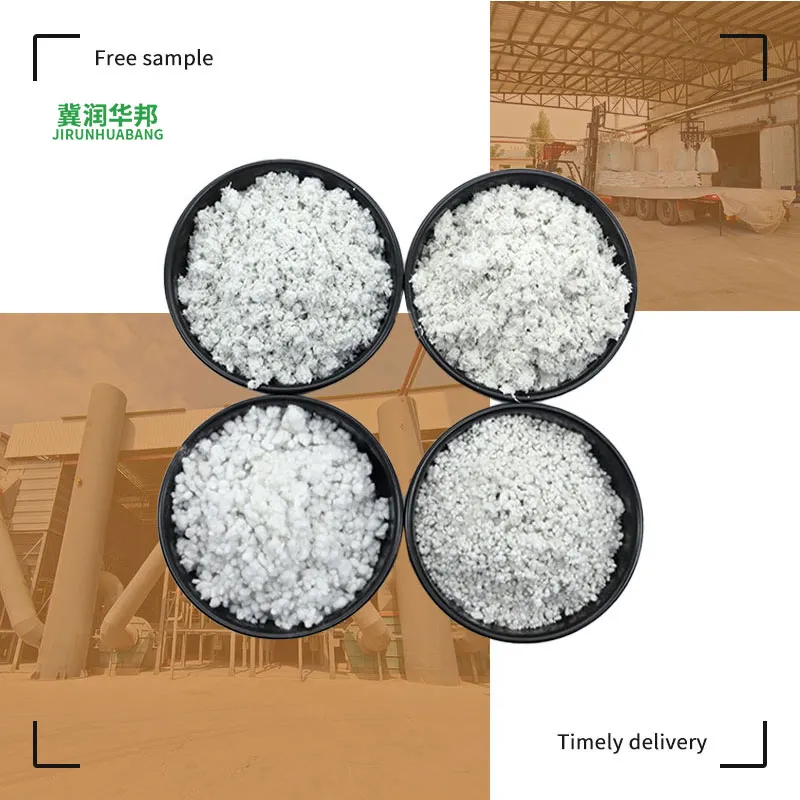
Runhuabang maintains efficient production and supply chain logistics to ensure timely delivery. Standard product orders typically have a lead time of 2-4 weeks. For custom solutions or large-volume orders, lead times will be precisely communicated after detailed project scope definition, typically ranging from 6-12 weeks depending on complexity and material availability. We prioritize clear communication throughout the order fulfillment process, providing regular updates on production and shipping schedules.
Warranty Commitment
We stand behind the quality and performance of our products. Runhuabang offers a comprehensive warranty against manufacturing defects and material failures under normal operating conditions. Specific warranty terms, including duration and coverage details, are provided with each purchase agreement and vary based on product type and application. Our commitment is to ensure that our materials meet or exceed the agreed-upon technical specifications throughout their expected service life.
Customer Support and After-Sales Service
Our dedication to client success extends far beyond product delivery. Runhuabang provides robust after-sales support, including technical assistance for installation, optimization, and troubleshooting. Our team of experts is available for on-site consultations, performance reviews, and training to ensure maximum efficiency and longevity of our materials. We believe in building long-term partnerships, offering continuous support and expert advice to help our clients achieve their operational and environmental objectives. For inquiries or support, please refer to the contact information below.
8. Contact Information
For further information, technical inquiries, or to discuss customized solutions for your specific industrial needs, please do not hesitate to contact our expert team.
- Email: sales@jirunhuabang.com
- Phone: +86-XXX-XXXX-XXXX (Illustrative)
- Website: www.jirunhuabang.com
- Address: [Runhuabang Company Address, Illustrative]
References
- Grand View Research. (2023). Thermal Insulation Materials Market Size, Share & Trends Analysis Report.
- MarketsandMarkets. (2022). Adsorption Market by Type (Activated Carbon, Zeolites, Activated Alumina, Silica Gel), Application (Water Treatment, Air Purification, Oil & Gas), and Region – Global Forecast to 2027.
- ASTM International Standards (various: C167, C518, C411, C203, E84).
- ISO International Standards (various: 9001, 1183, 8301, 9277, 844, 105 B02).
- Baccouche, A., Bouzid, J., & Al-Ani, H. (2020). Sepiolite as an Adsorbent: Review and Future Prospects. Journal of Industrial and Engineering Chemistry.
- European Committee for Standardization (CEN) - EN 13501-1: Fire classification of construction products and building elements.