
Runhuabang Color Sand-Hebei Runhuabang|Vibrant,Durable,Eco-Friendly
Back to list
When it comes to transforming spaces, colored sand has emerged as a versatile and innovative material. From interior design to exterior decoration, its unique properties make it a preferred choice for architects, designers, and DIY enthusiasts. This article explores the features, advantages, technical specifications, and applications of Runhuabang Color Sand, manufactured by Hebei Runhuabang New Material Technology Co., Ltd., a leader in sustainable material innovation.
What is Runhuabang Color Sand?
Runhuabang Color Sand is a specialized material designed for decorative and functional applications. Available in a range of vibrant colors, including decorative white sand and blue decorative sand, it combines aesthetic appeal with practicality. The product is engineered to withstand environmental challenges while maintaining its visual appeal, making it ideal for both indoor and outdoor use.
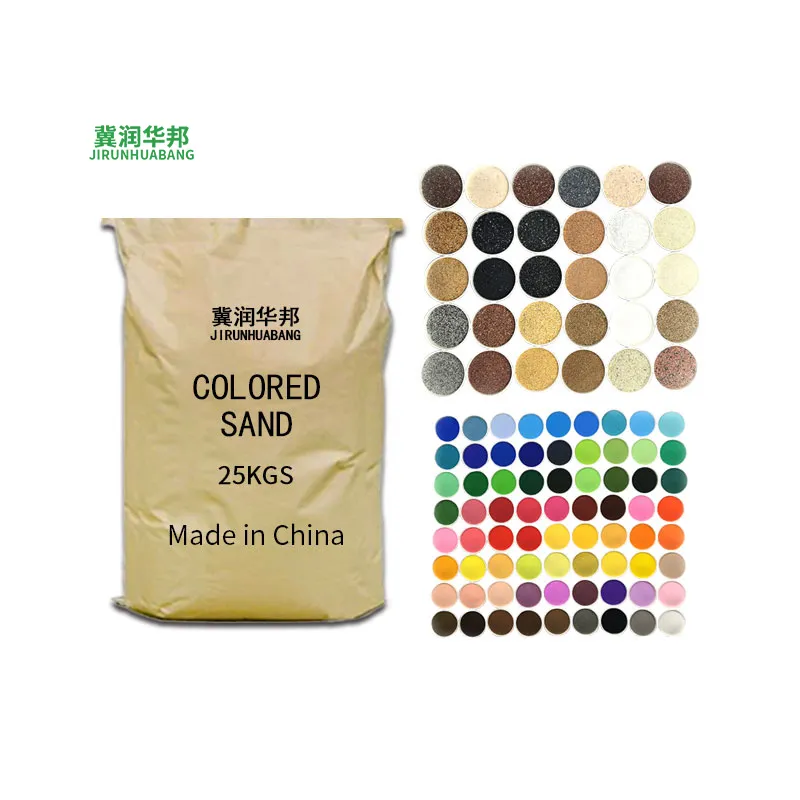
Figure 1: Decorative white sand for interior and exterior applications.
Key Features of Runhuabang Color Sand
- Vibrant and Diverse Colors: The product offers an extensive palette, allowing for creative expression in design projects.
- Durability: Resistant to weathering, UV radiation, and moisture, ensuring long-term performance.
- Eco-Friendly: Non-toxic and sustainable, aligning with modern environmental standards.
- Versatility: Suitable for a wide range of applications, from artistic installations to functional surfaces.
- Low Maintenance: Requires minimal upkeep, making it a cost-effective solution.
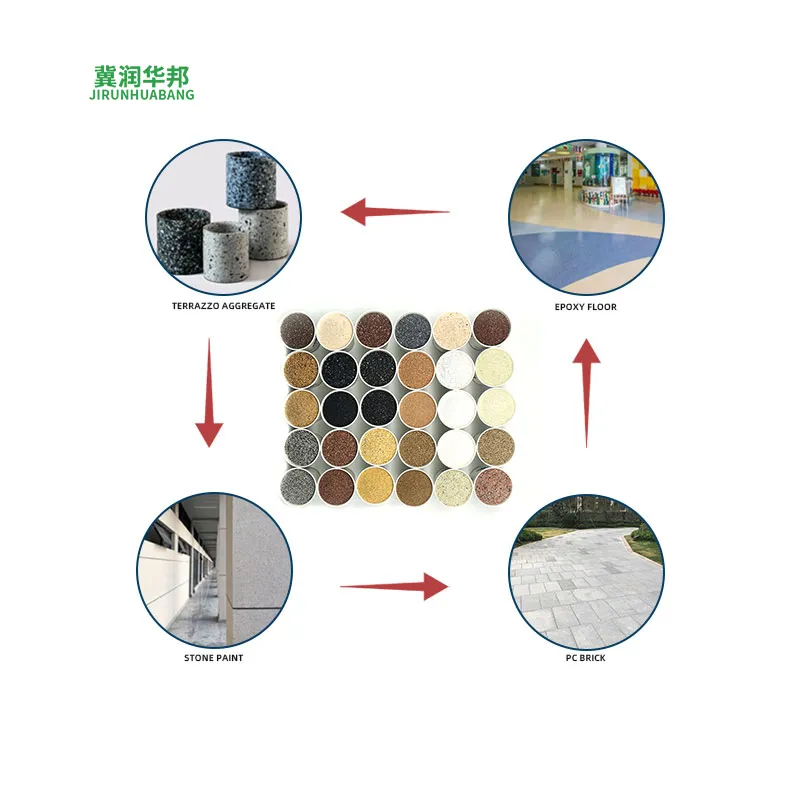
Figure 2: Decorative white sand in a landscape design context.
Advantages of Using Colored Sand
One of the standout benefits of Runhuabang Color Sand is its ability to enhance visual appeal while serving practical purposes. For instance, in interior design, it can be used to create textured walls, decorative floors, or artistic installations. In exterior decoration, it provides a durable and aesthetically pleasing surface for pathways, garden beds, or public spaces.
Moreover, its eco-friendly properties make it an attractive option for environmentally conscious projects. Unlike traditional materials that may emit harmful chemicals, colored sand is non-toxic and safe for both people and the planet.
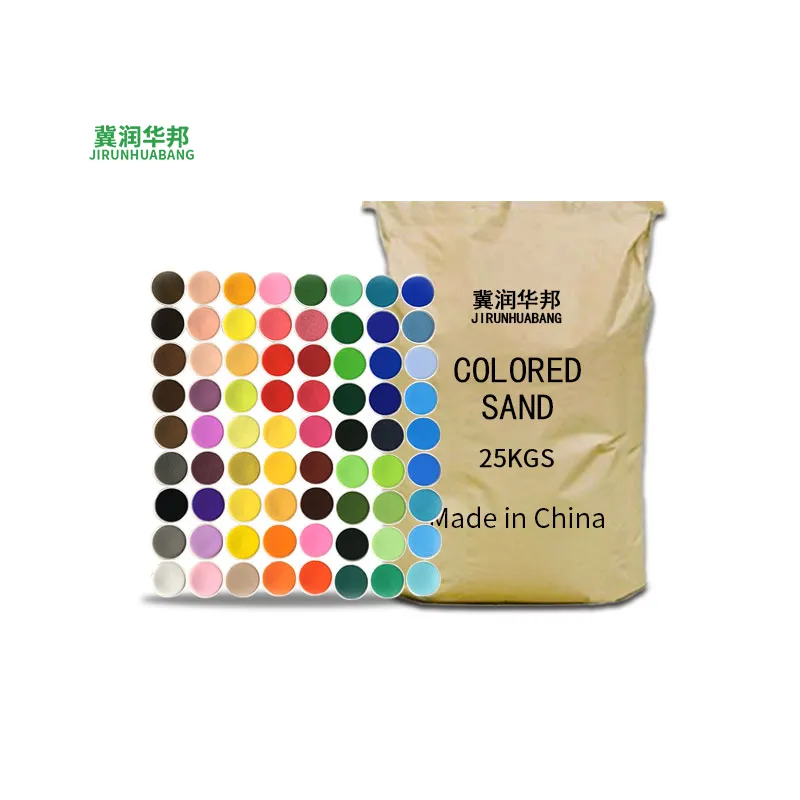
Figure 3: Blue decorative sand for artistic and functional applications.
Technical Specifications
| Parameter | Specification |
|---|---|
| Color Options | White, Blue, and Custom Colors |
| Particle Size | 0.1–1.0 mm |
| Density | 1.5–1.8 g/cm³ |
| Water Resistance | High |
| UV Resistance | Excellent |
| Environmental Compliance | RoHS, REACH |
Applications in Interior and Exterior Design
Runhuabang Color Sand is widely used in both interior and exterior settings. In interiors, it can be applied as a decorative floor material, wall art, or even in sand clocks and sand painting projects. Its fine texture allows for intricate designs, making it a popular choice for artists and designers.
For exterior applications, the sand is ideal for pathways, garden beds, and public spaces. Its durability ensures that it retains its color and texture even under harsh weather conditions. Additionally, it can be used in landscaping to create visually striking features like rock gardens or water features.
About Hebei Runhuabang New Material Technology Co., Ltd.
Hebei Runhuabang New Material Technology Co., Ltd. is a leading manufacturer of innovative materials, specializing in colored sand and other sustainable solutions. With a focus on research and development, the company has established itself as a trusted name in the industry. Their commitment to quality and environmental responsibility ensures that their products meet the highest standards.
Founded with the vision to provide eco-friendly alternatives to traditional materials, Hebei Runhuabang has expanded its offerings to cater to a global market. Their products are used in various sectors, including architecture, art, and manufacturing, demonstrating their versatility and reliability.
Environmental Impact and Sustainability
The Runhuabang Color Sand is designed with sustainability in mind. Its production process minimizes waste and energy consumption, aligning with global efforts to reduce the environmental footprint of construction and design materials. According to the National Institute of Standards and Technology (NIST), "Sustainable materials are critical for reducing the environmental impact of the built environment" (NIST).
Furthermore, the product's non-toxic composition ensures that it does not contribute to indoor air pollution or harm ecosystems. This makes it an excellent choice for projects prioritizing eco-friendly practices.
Conclusion
Runhuabang Color Sand represents a significant advancement in decorative and functional materials. Its vibrant colors, durability, and eco-friendly properties make it a valuable asset for interior and exterior design projects. By choosing colored sand, users can achieve both aesthetic and practical benefits while contributing to a more sustainable future.
References
National Institute of Standards and Technology (NIST). (n.d.). Sustainable Materials in Construction. Retrieved from https://www.nist.gov.
NIST. (2023). Environmental Impact of Building Materials. Retrieved from https://www.nist.gov.